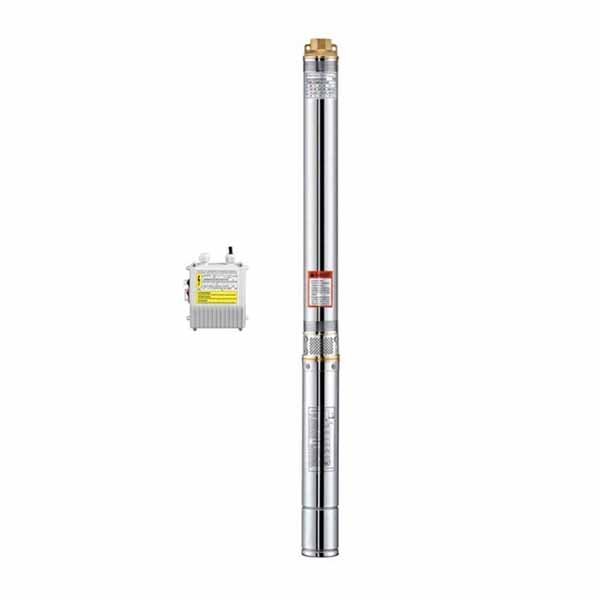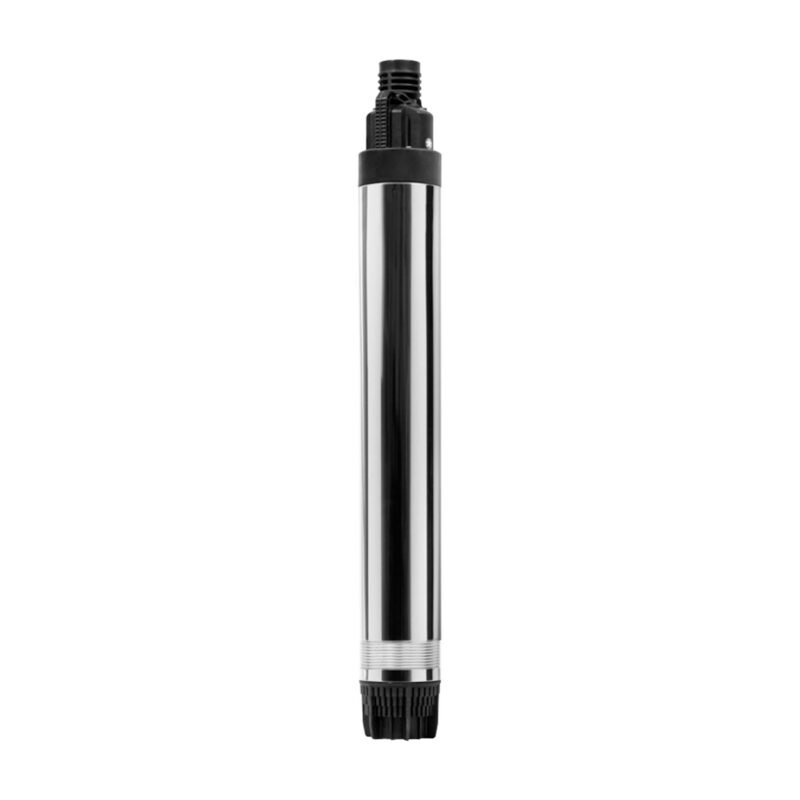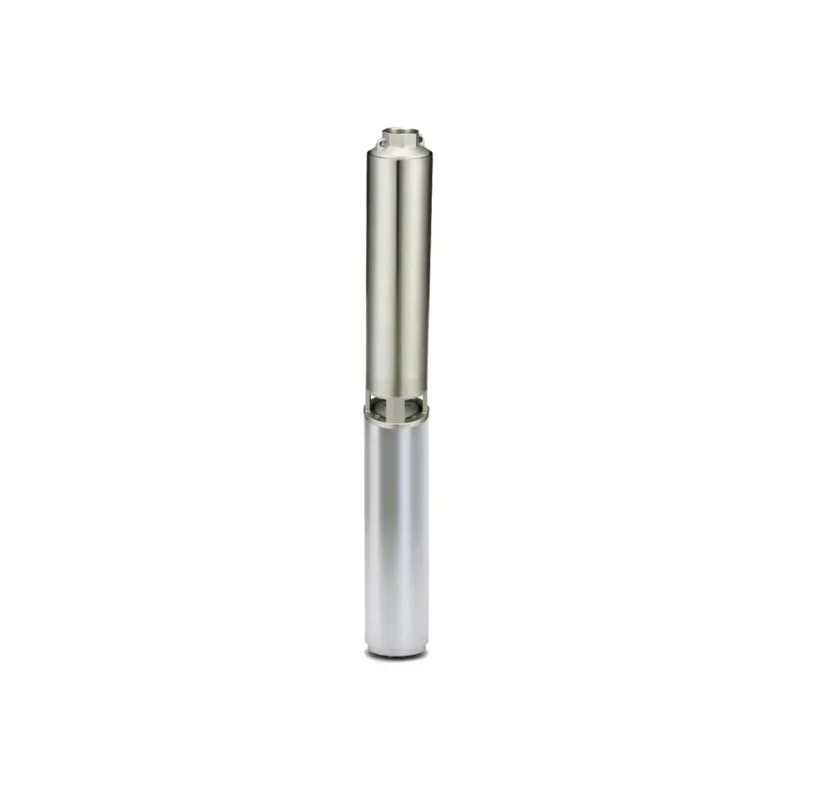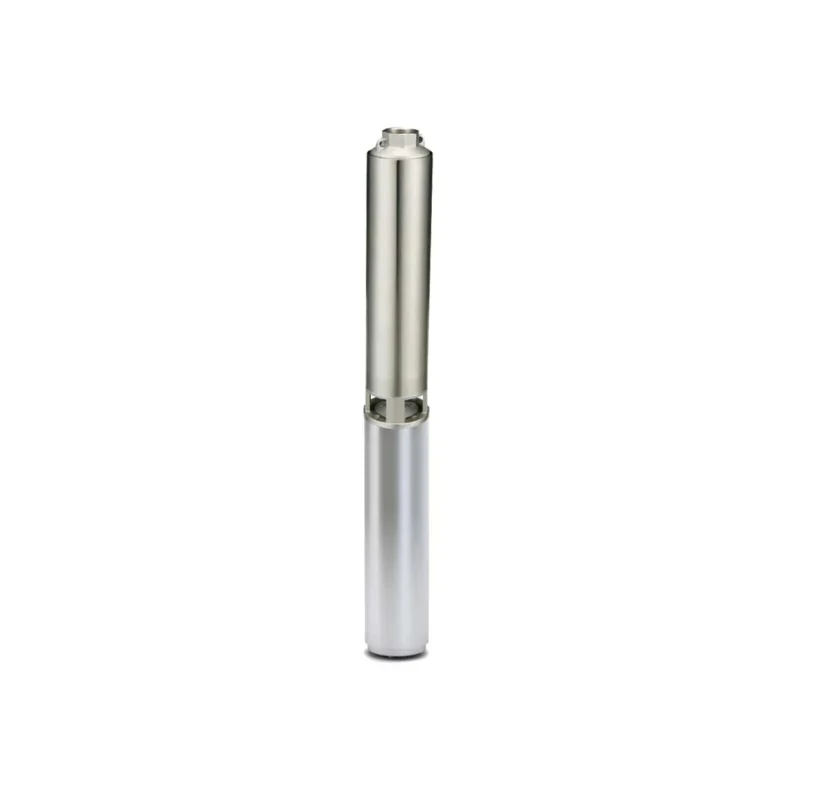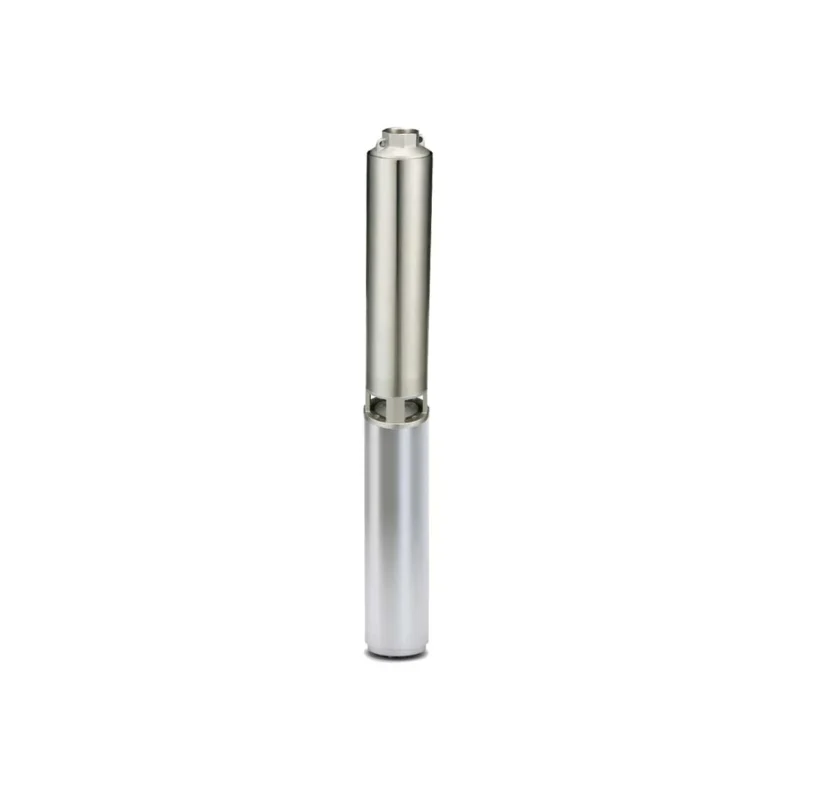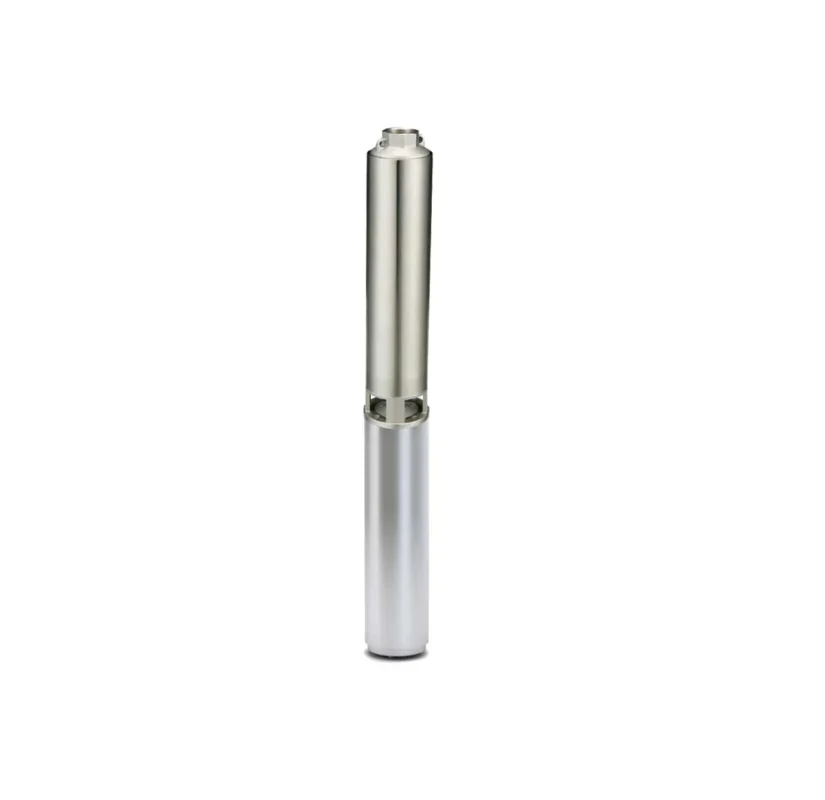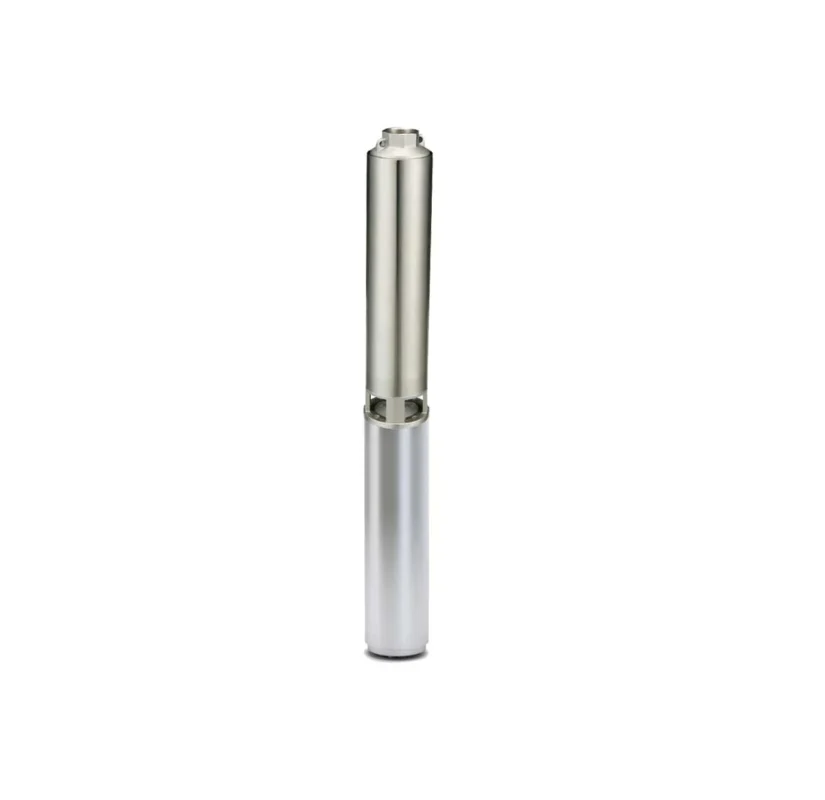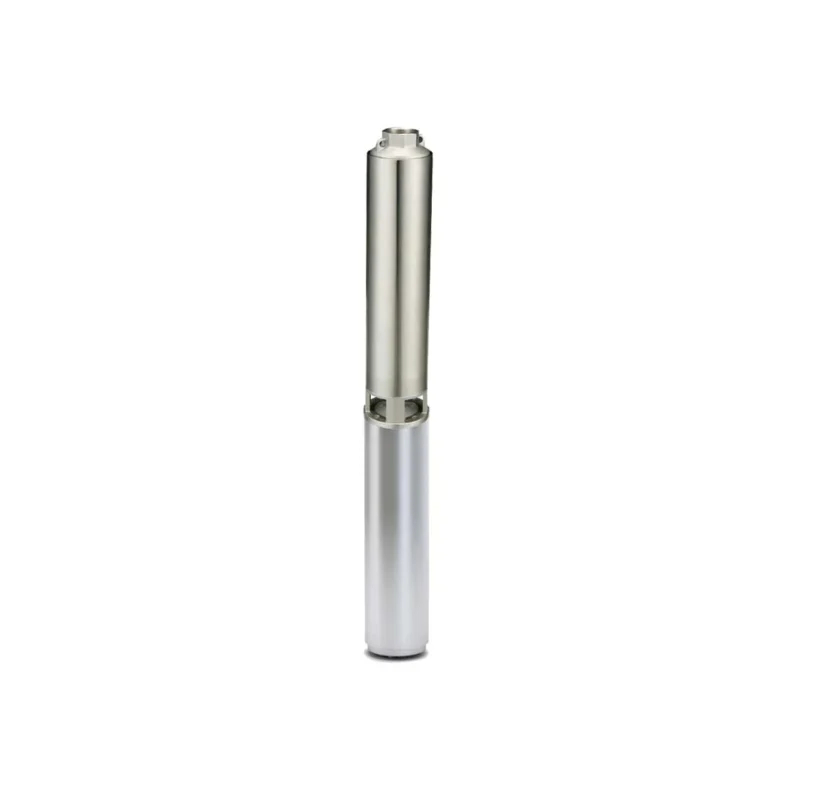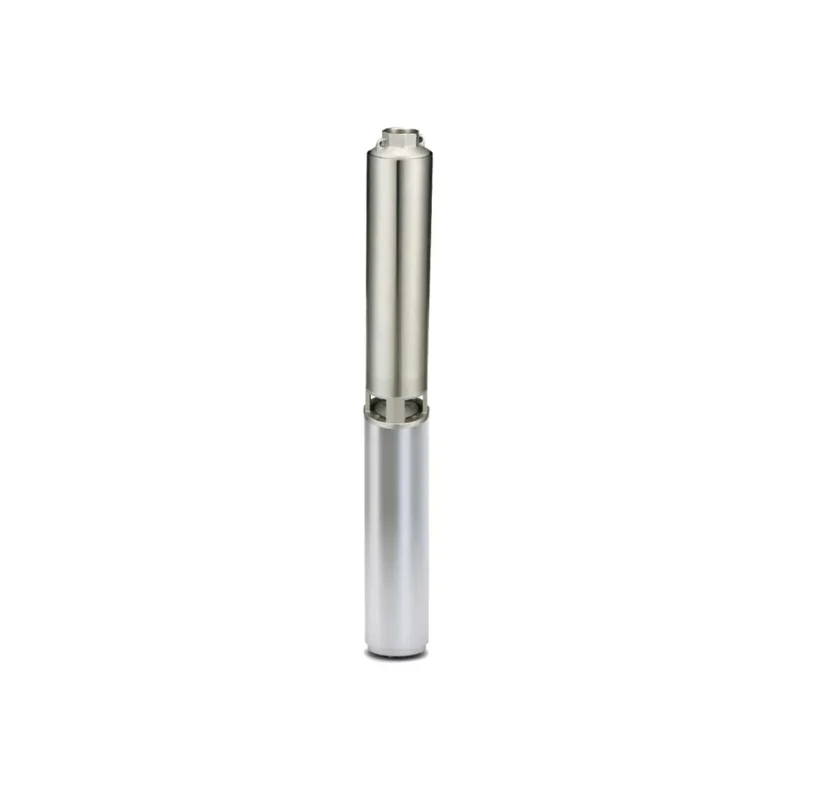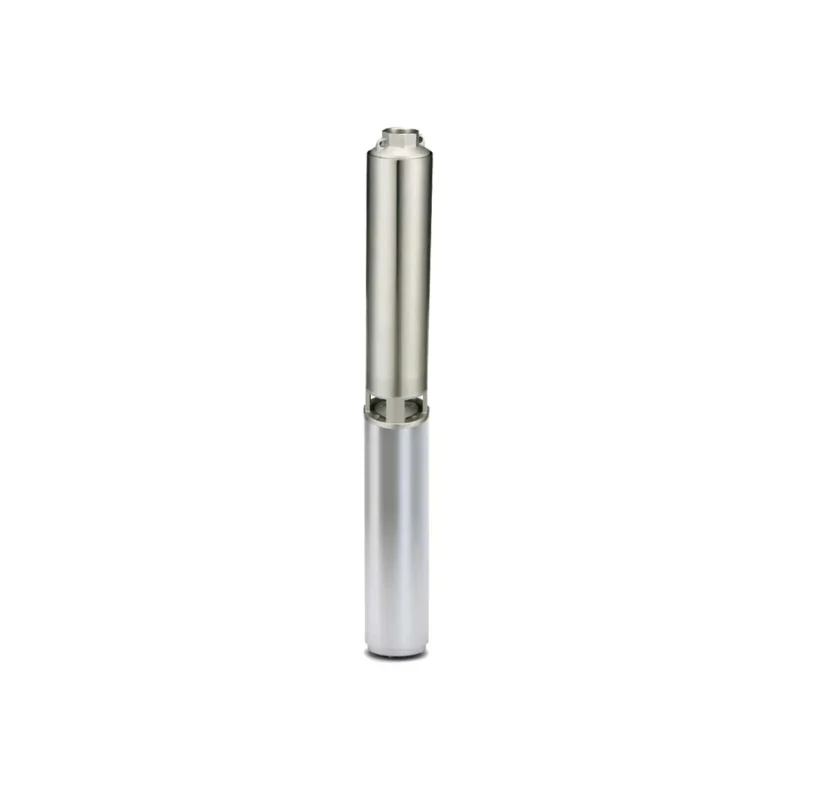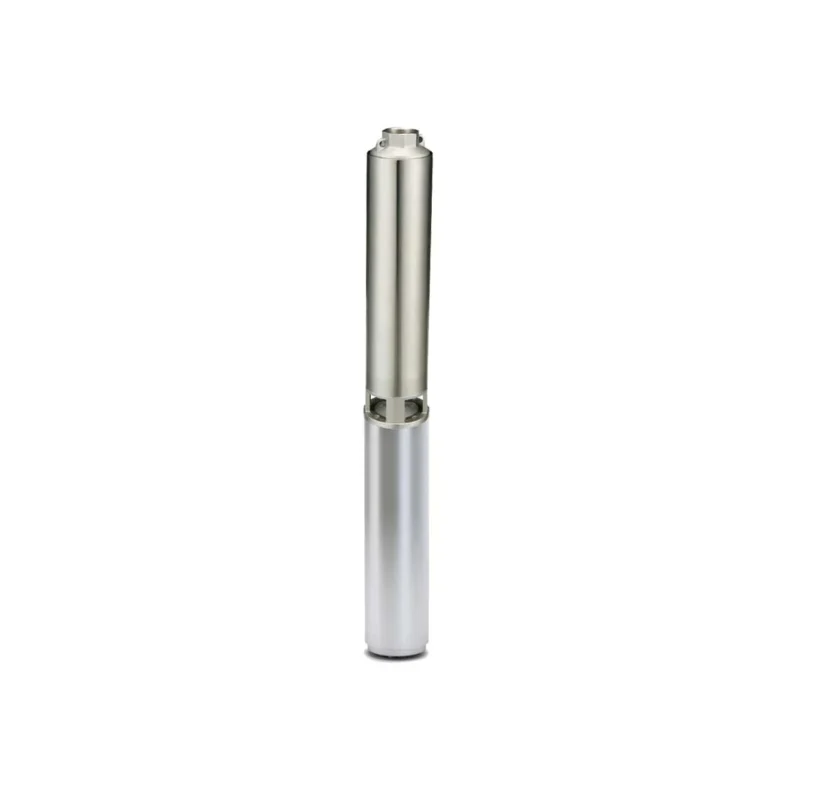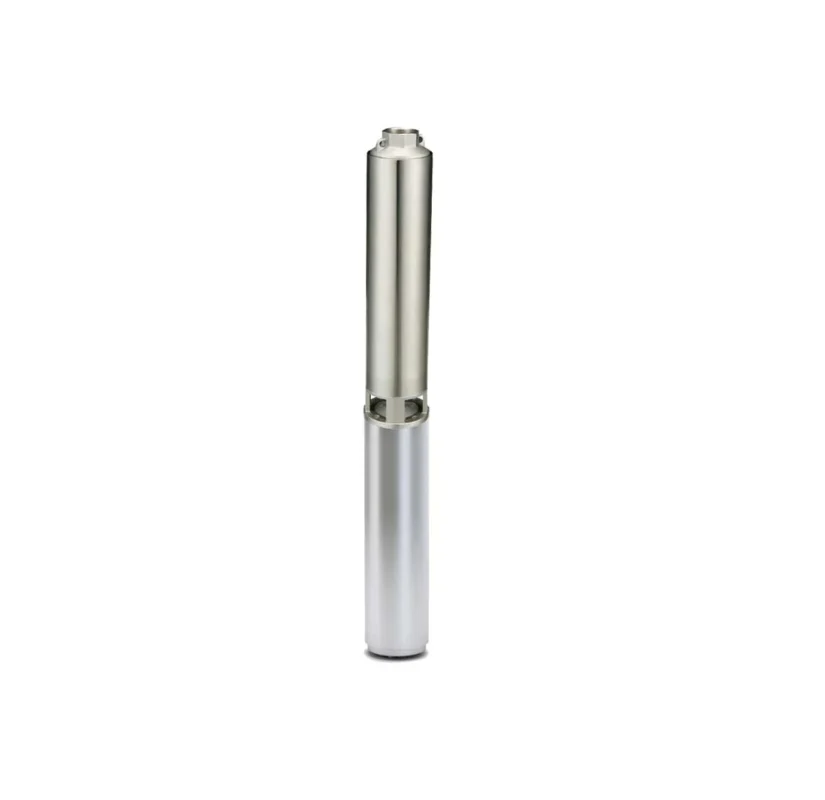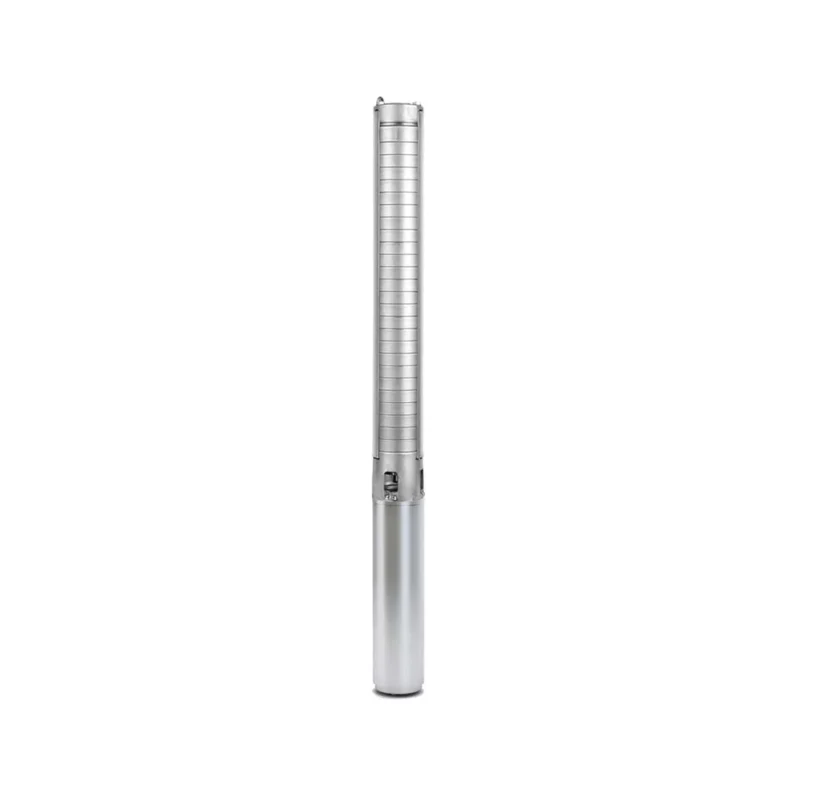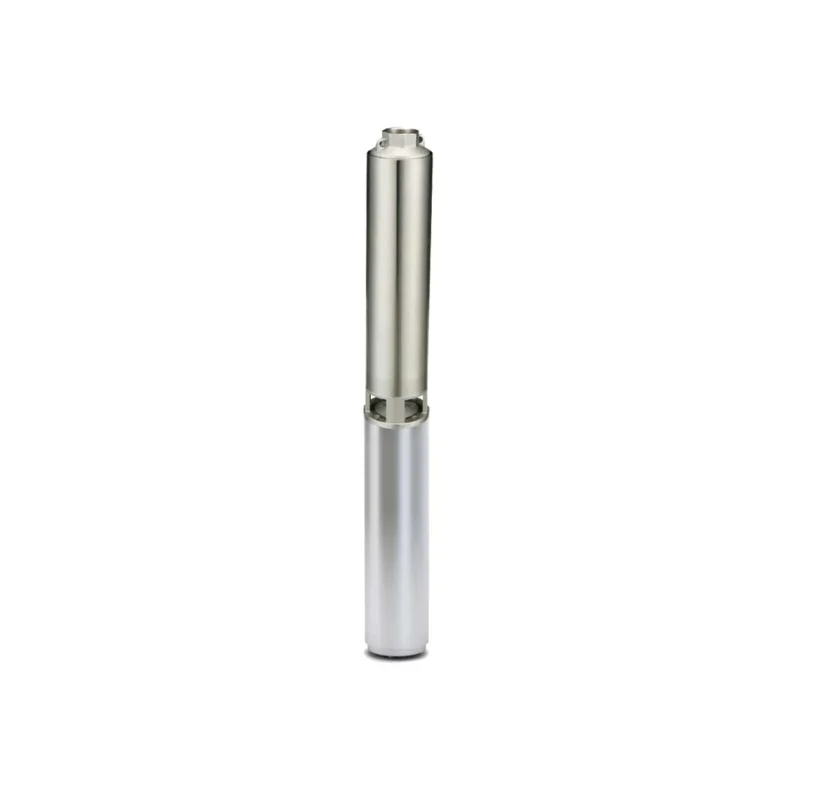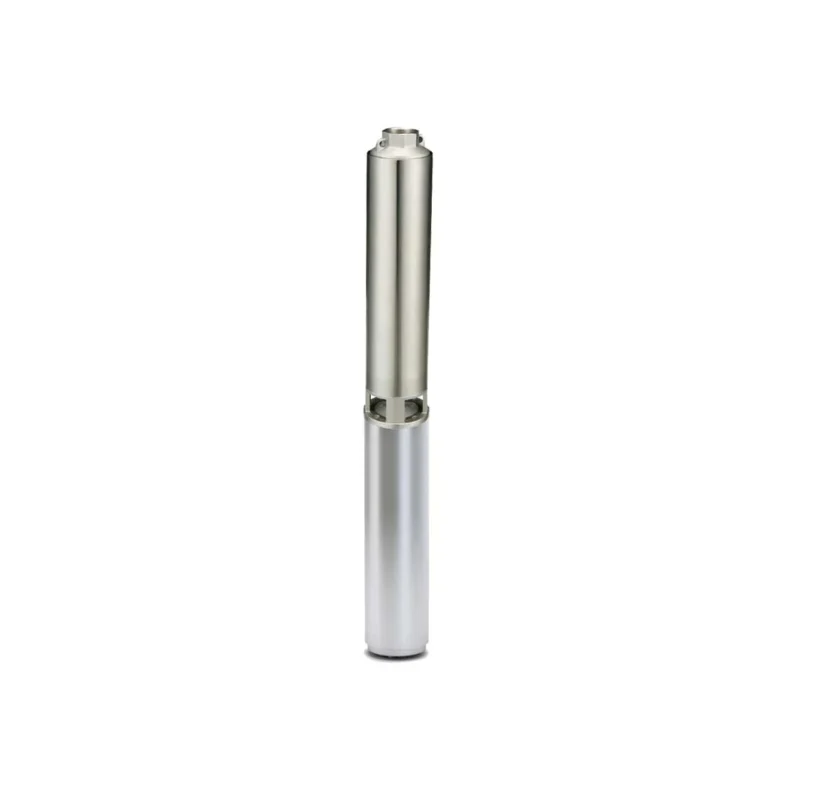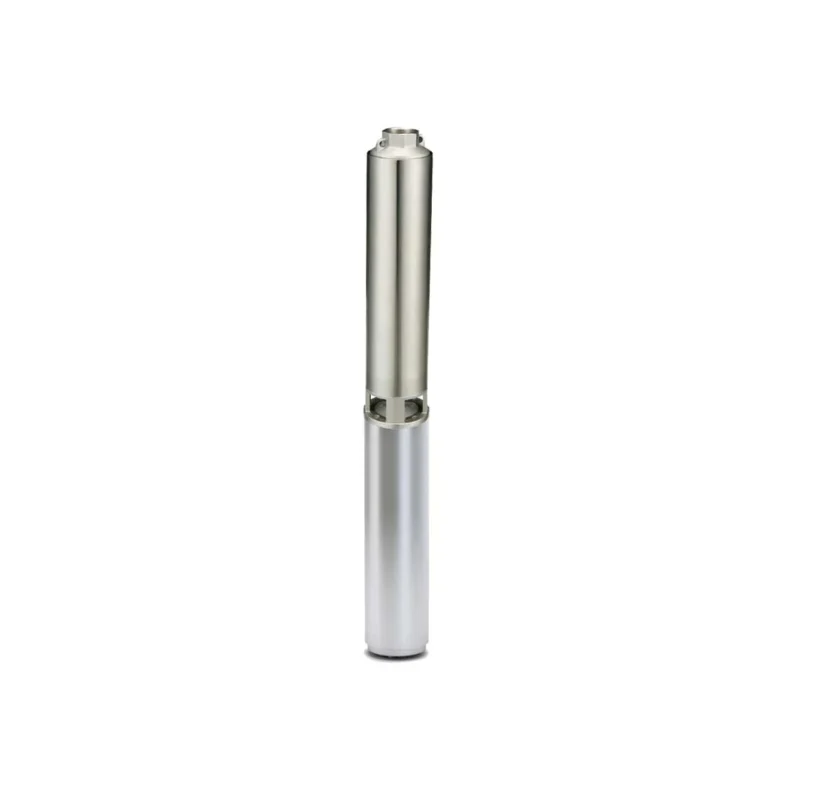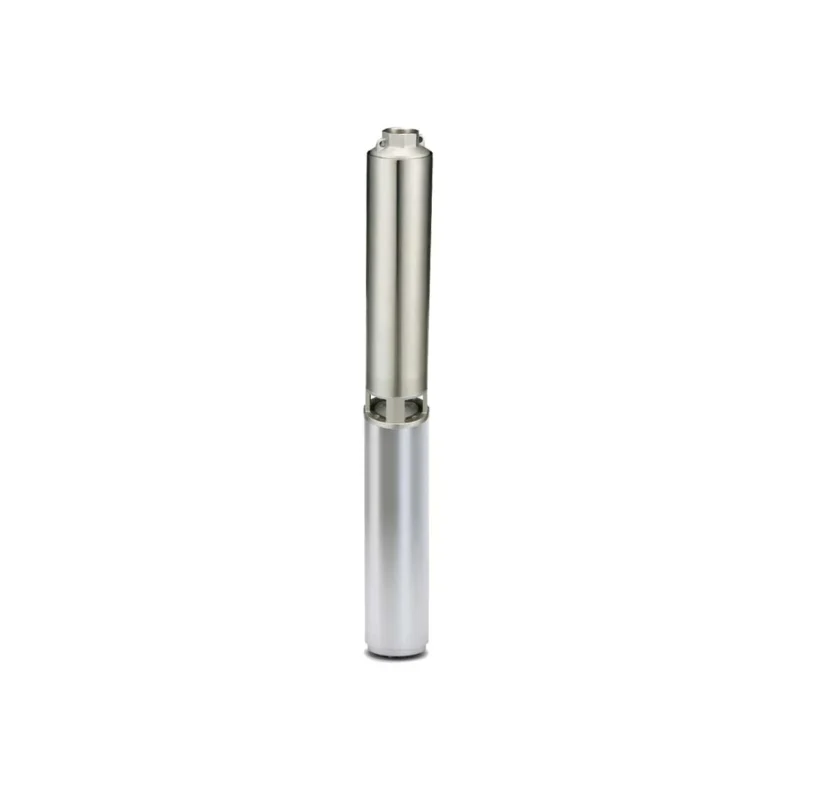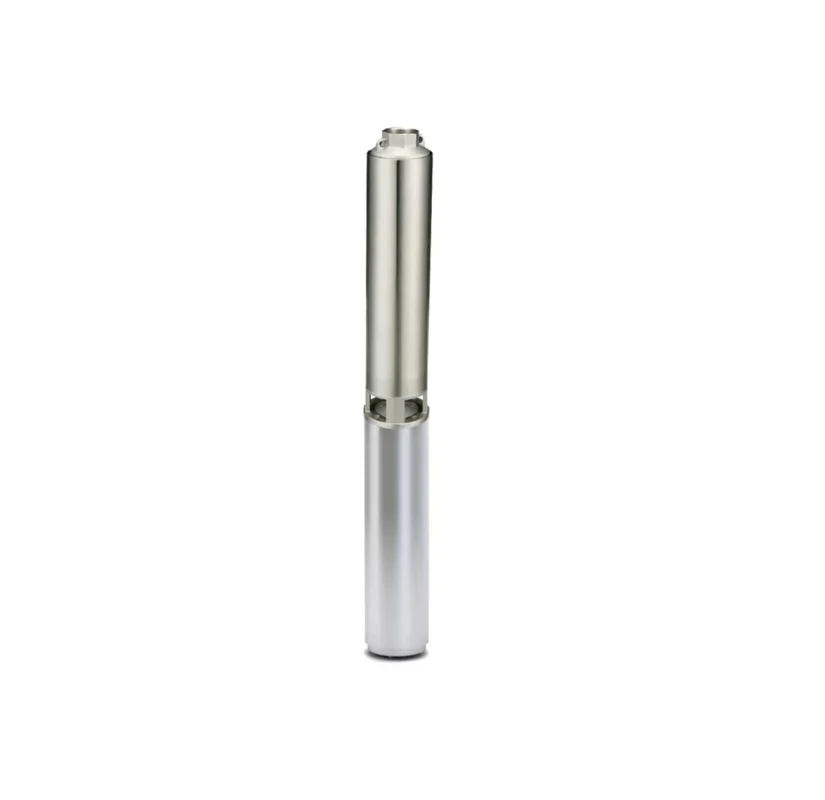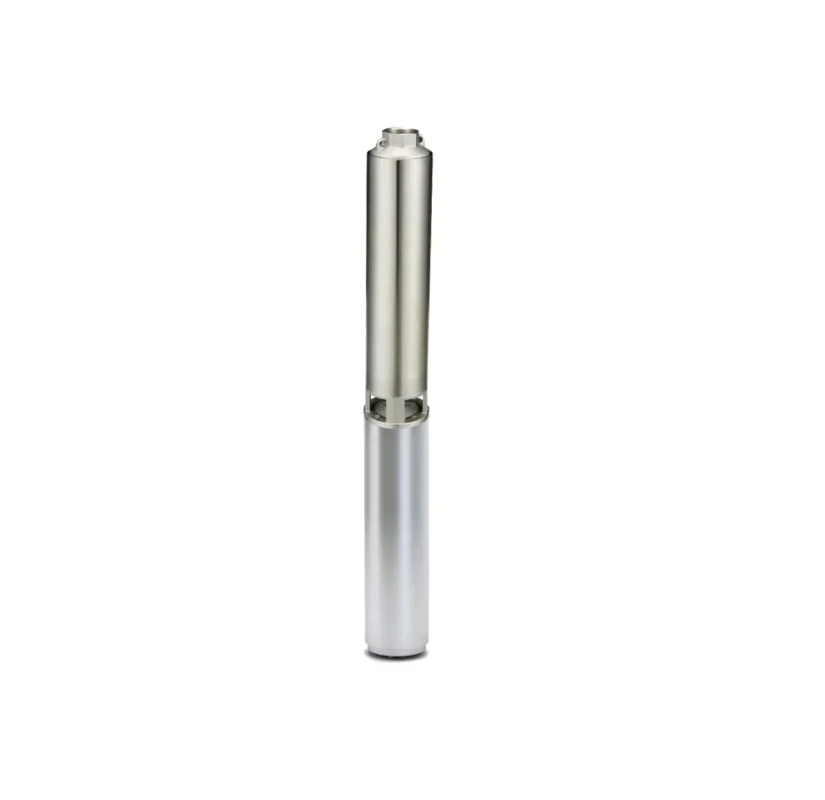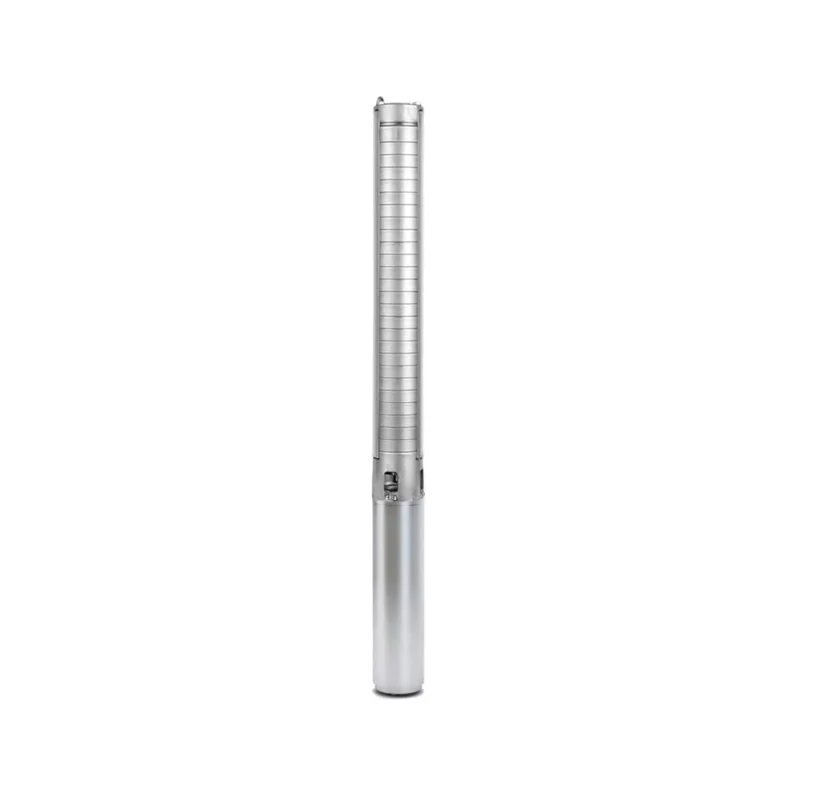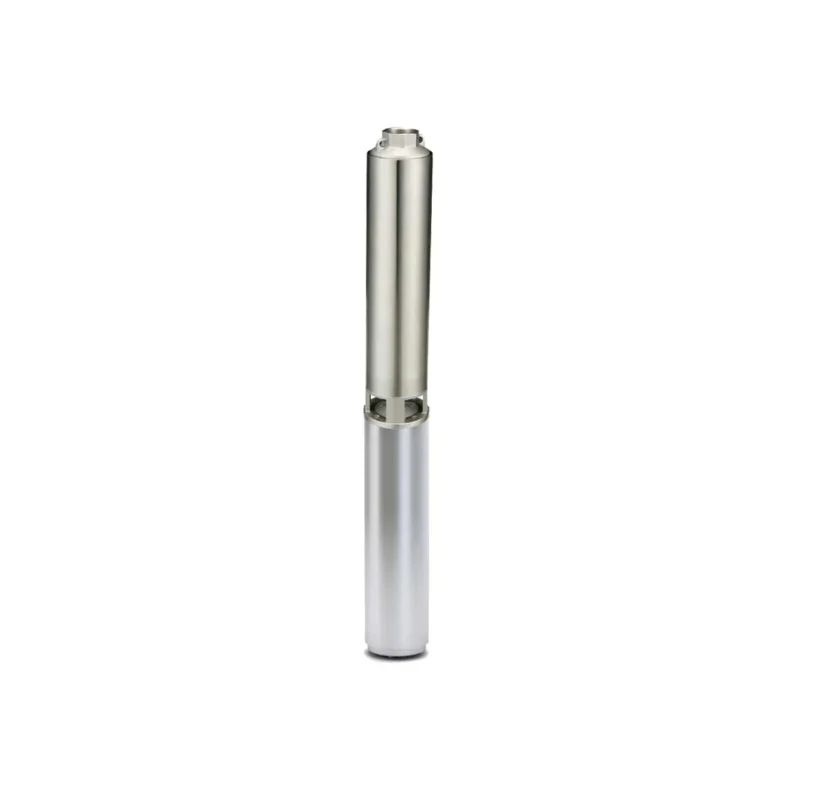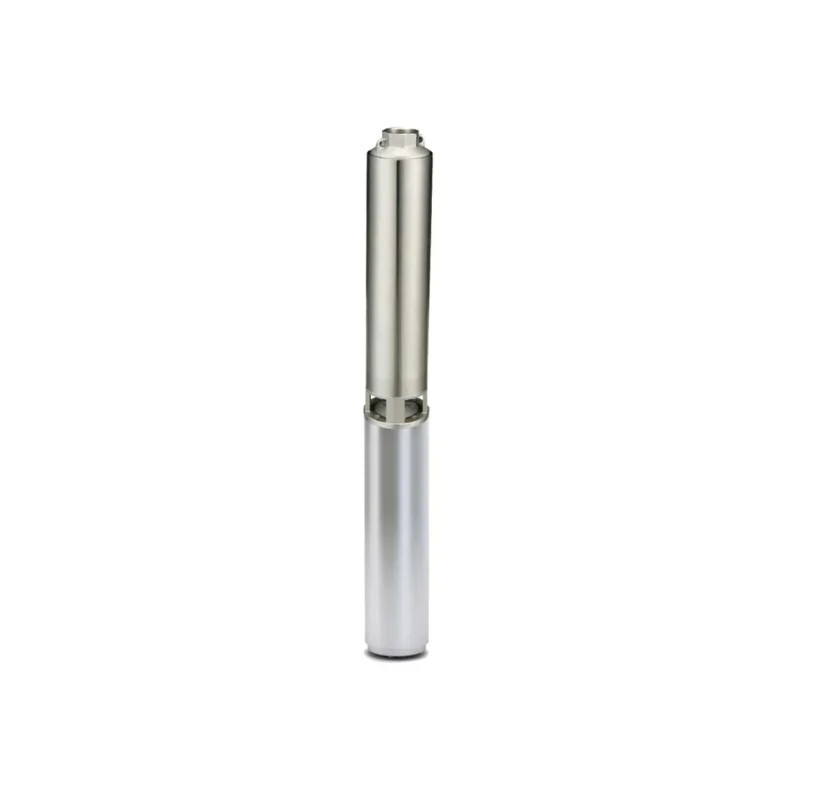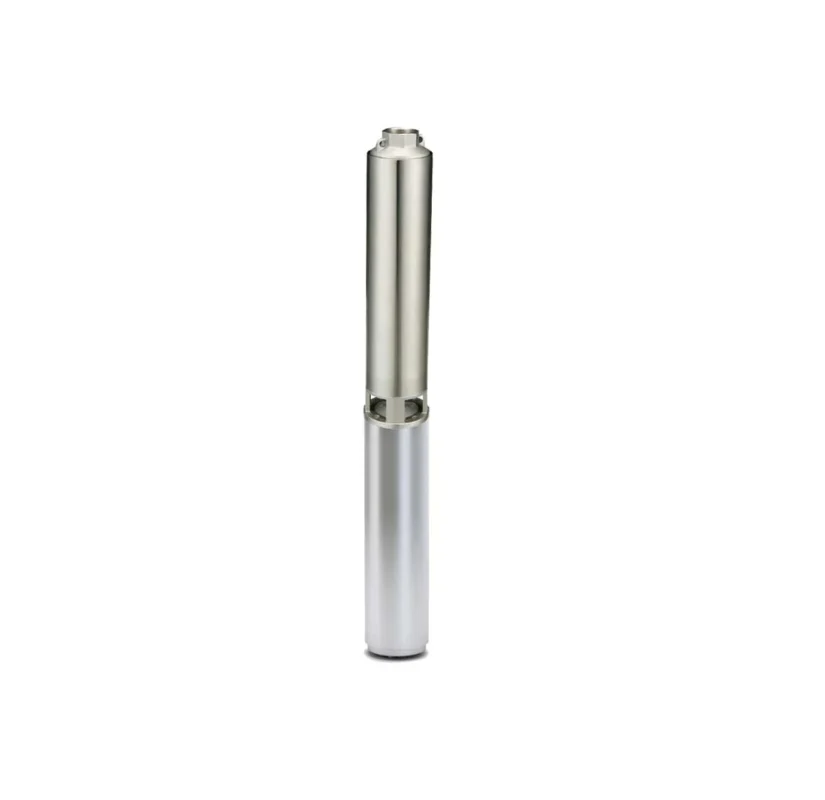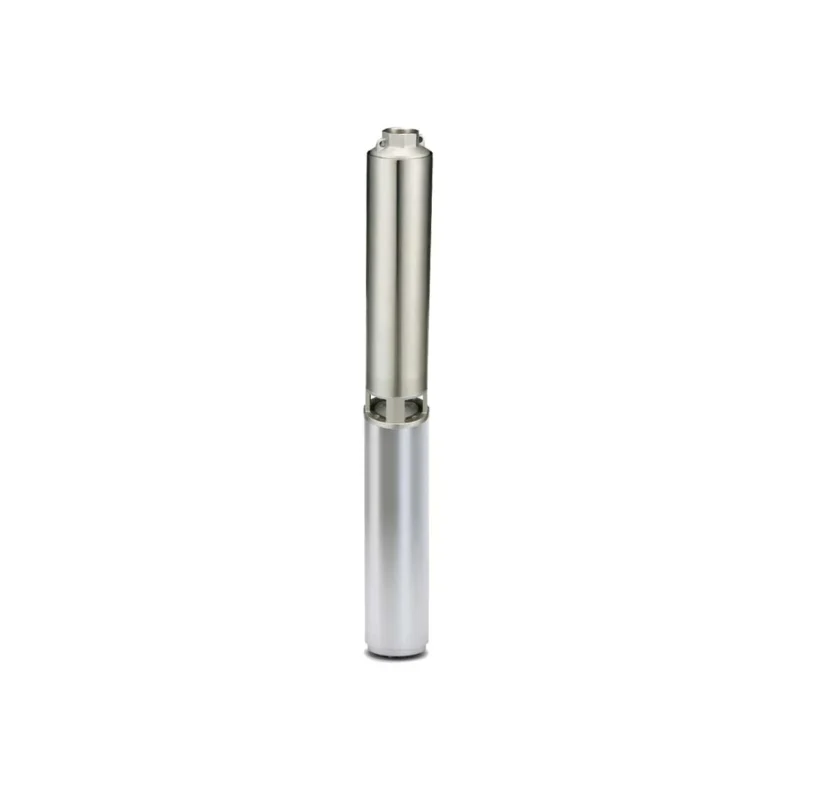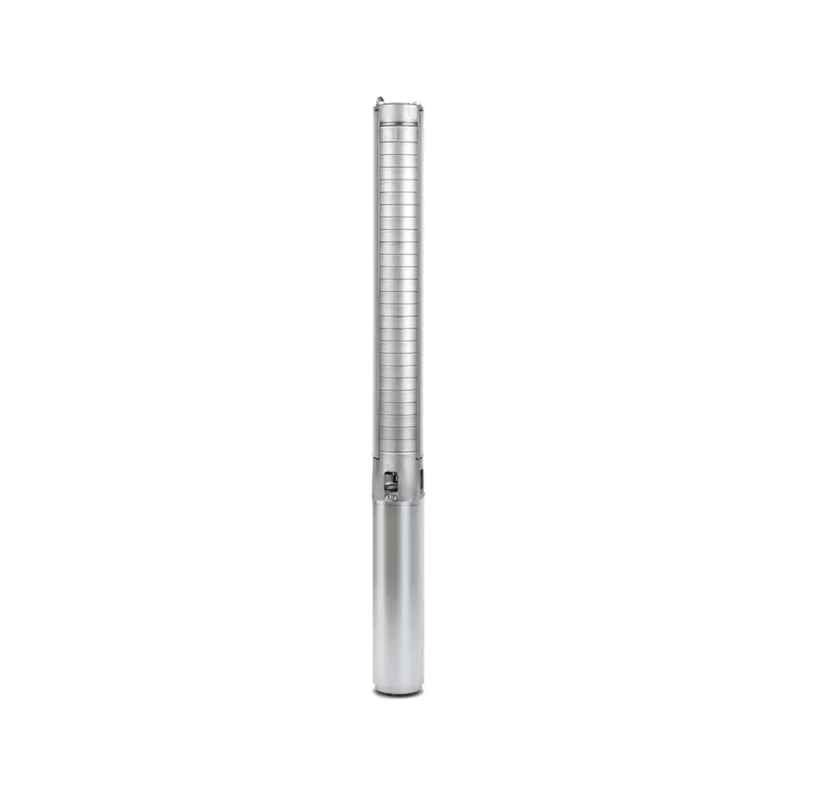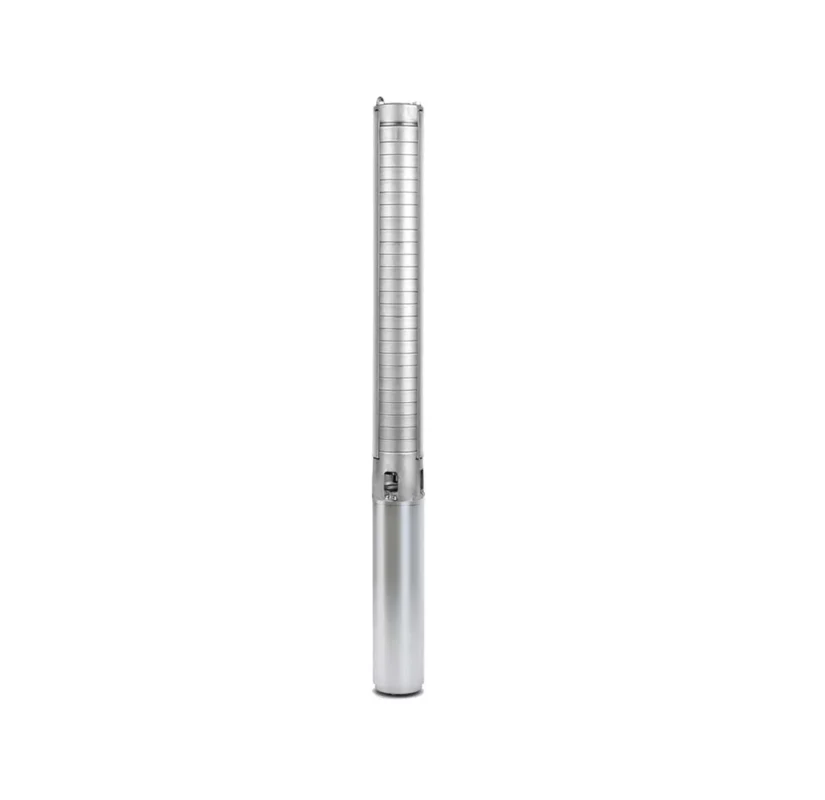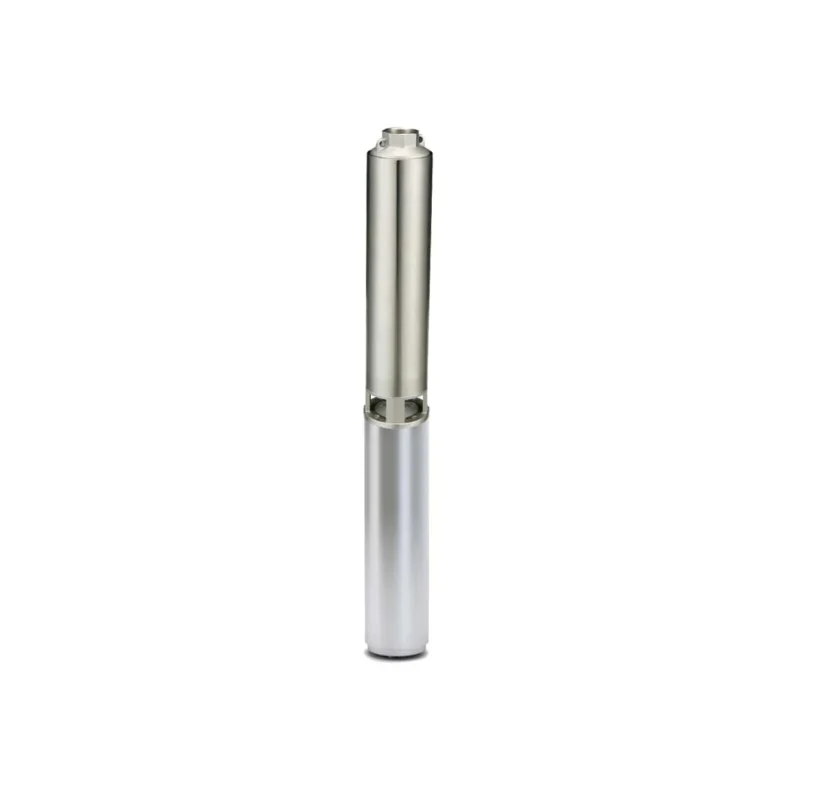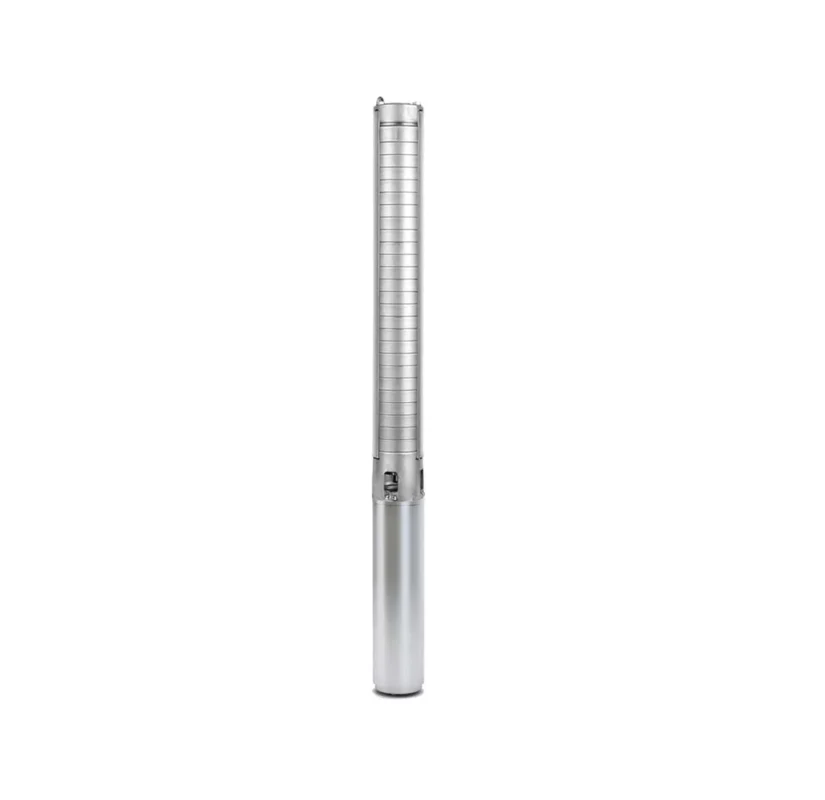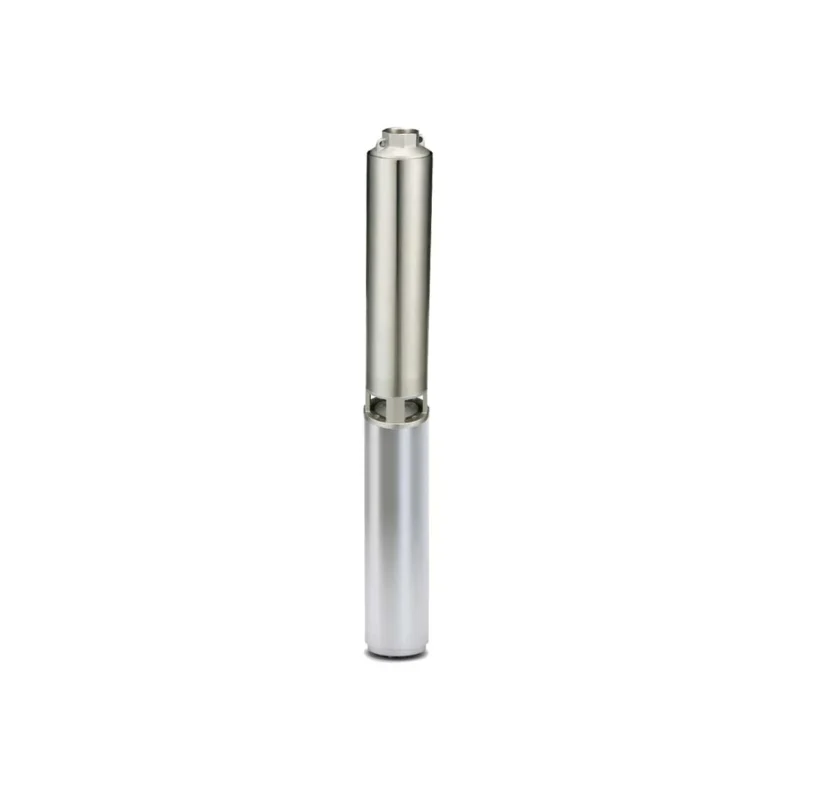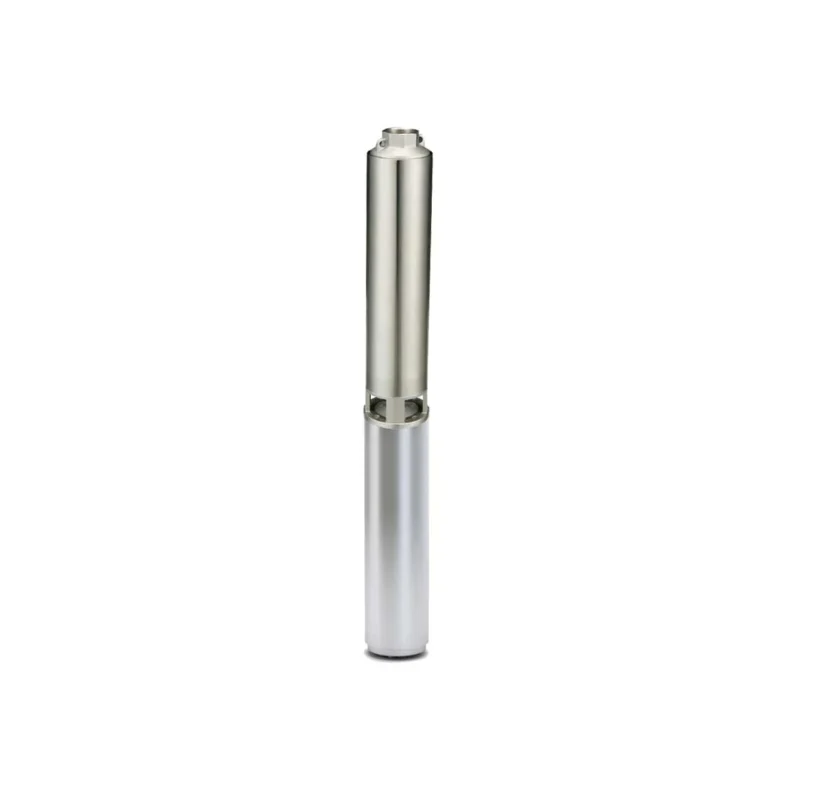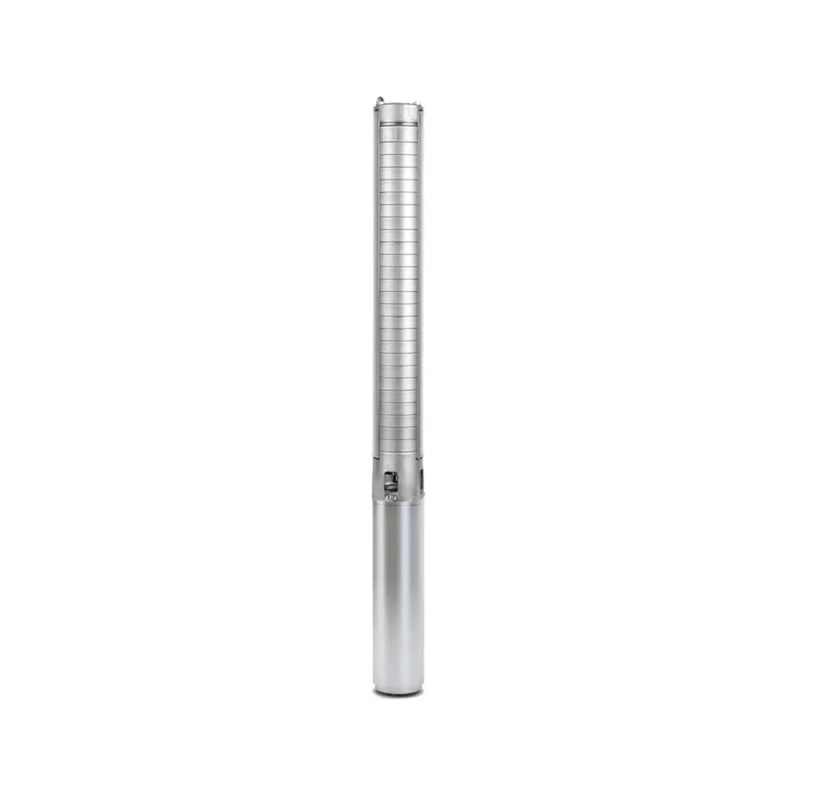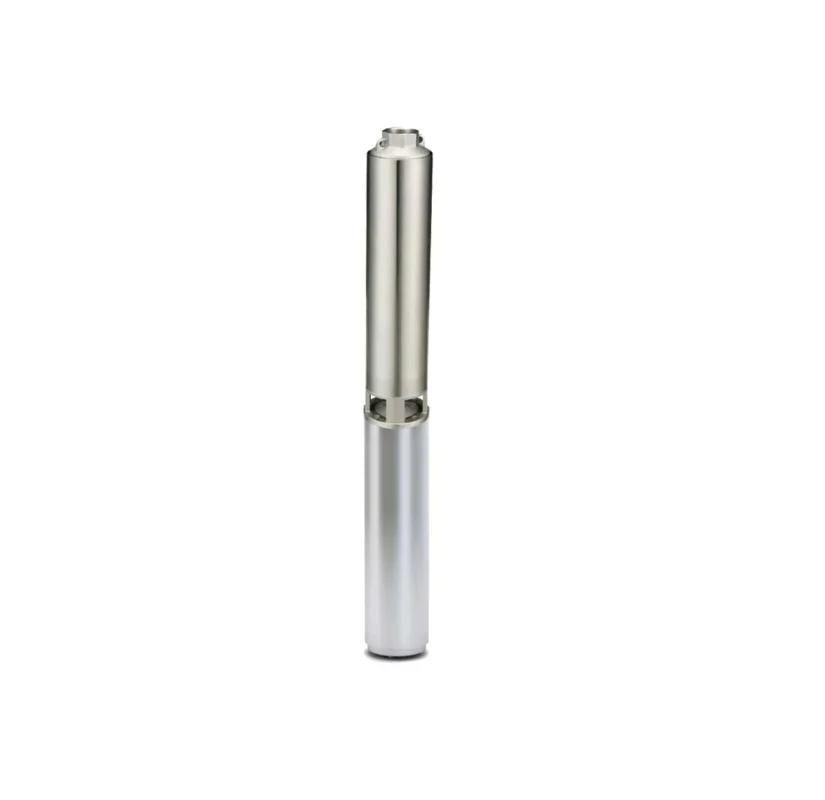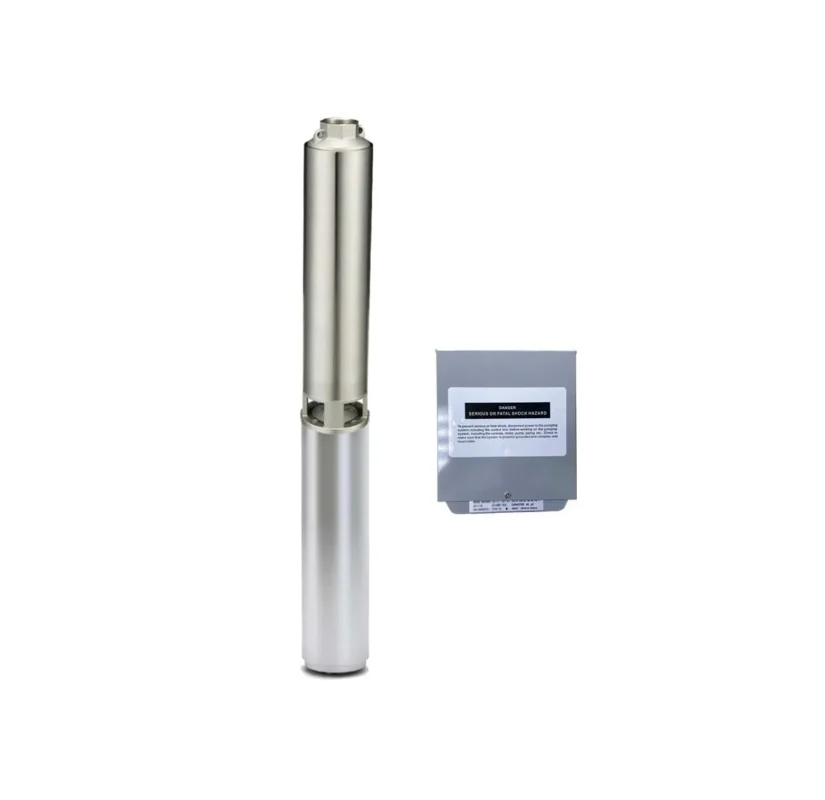

water pumps

2-Wire vs 3-Wire Submersible Well Pumps: What’s the Difference?

2-Wire vs 3-Wire Submersible Well Pumps

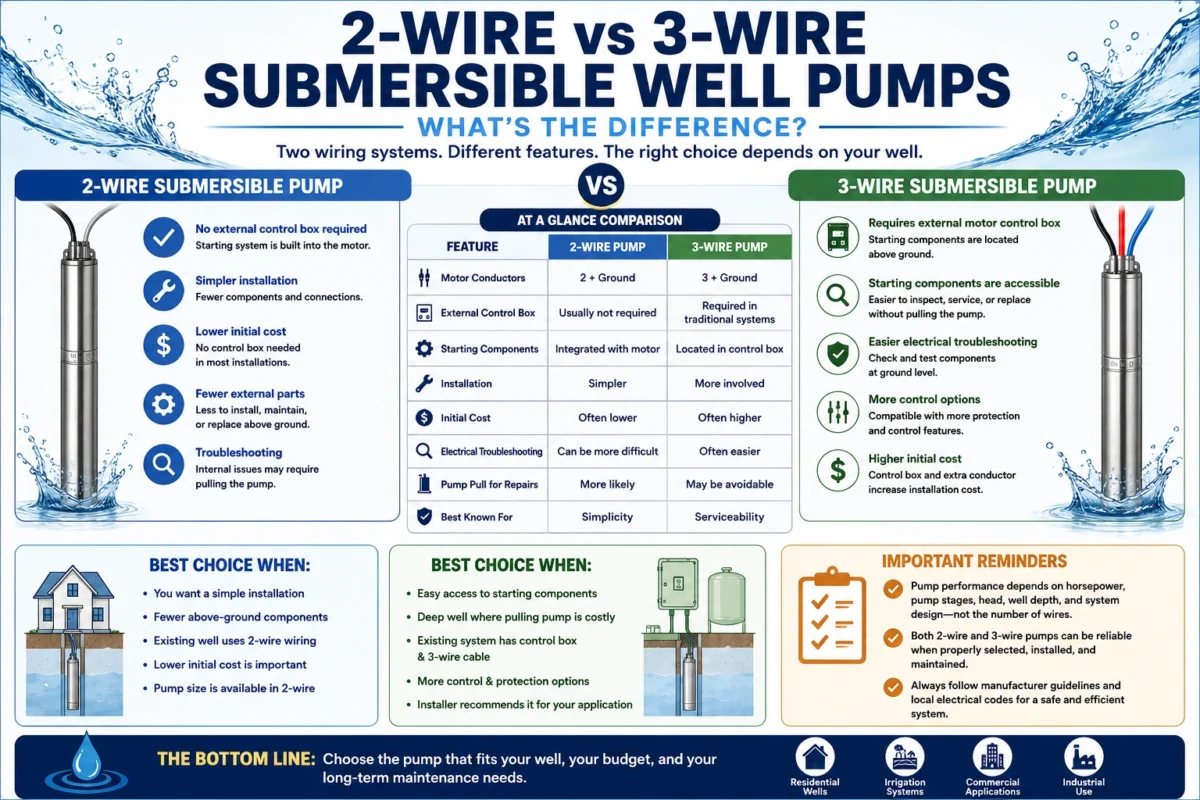
Choosing a submersible well pump involves more than selecting the right horsepower or flow rate. One decision that often confuses homeowners, contractors, and property managers is whether to use a 2-wire or 3-wire submersible well pump. At first glance, the difference may appear simple: one pump uses two wires while the other uses three. In reality, the most important difference is where the motor’s starting components are located and how the pump is controlled.

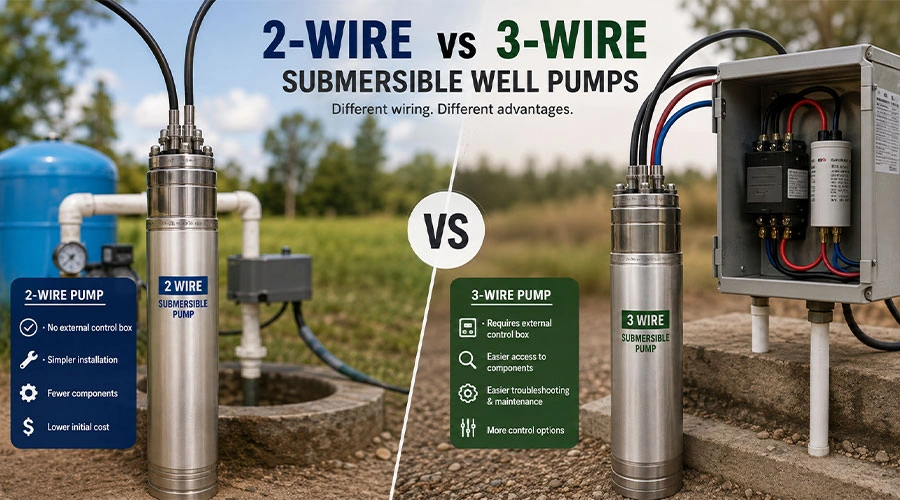
A 2-wire well pump offers a simpler installation because its starting system is built into the motor assembly and it generally does not require a separate above-ground control box. A 3-wire submersible pump, on the other hand, uses an external control box containing components associated with starting and operating the motor.

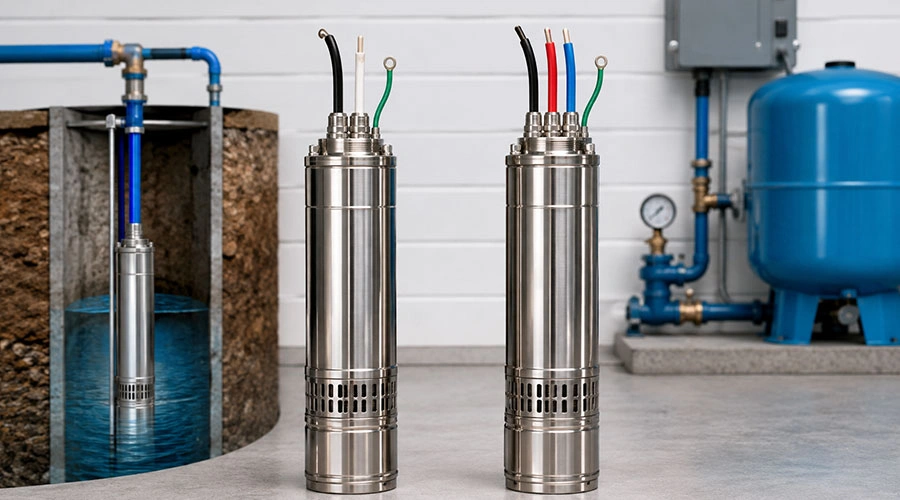
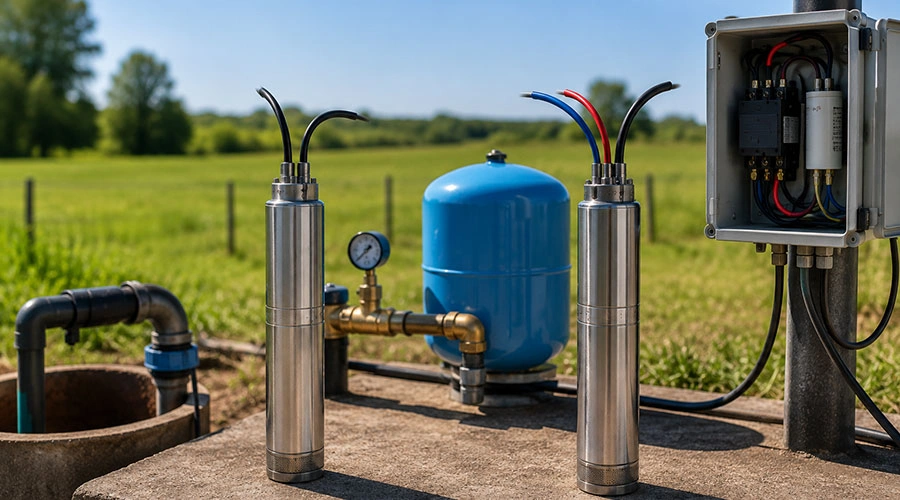
It is also important to understand that the terms “2-wire” and “3-wire” normally do not include the equipment grounding conductor. In practice, a 2-wire pump typically has two power conductors plus a ground, while a 3-wire pump has three motor conductors plus a ground. So, which system is better? The answer depends on your well, motor size, existing wiring, maintenance priorities, and overall system design.

This guide explains the difference between 2-wire and 3-wire submersible well pumps, compares their advantages and disadvantages, and helps you determine which option may be best for your water system.

Table of Contents

What Is a 2-Wire Submersible Well Pump?

A 2-wire submersible well pump is a single-phase pump system that generally sends two power conductors from the electrical supply to the submerged motor, in addition to the grounding conductor.

The major characteristic of a traditional 2-wire system is that it does not require a separate external motor control box for normal starting operation. Pentair installation documentation, for example, distinguishes between a motor control box for a 3-wire pump and a fused disconnect arrangement for a 2-wire pump.

Because fewer external electrical components are required, 2-wire pumps are popular in residential water-well applications where simplicity is a priority. The starting mechanism is incorporated into the motor design rather than being housed in a separate control box mounted near the pressure tank or electrical equipment.

Related article: For more information about submersible pump sizes, click the link.

Main Characteristics of a 2-Wire Pump

  • Two motor power conductors plus ground
  • No traditional external start control box required
  • Simpler electrical installation
  • Fewer above-ground components
  • Common in residential well systems
  • Troubleshooting may require accessing the pump if an internal motor component fails

The simple design can make installation straightforward, particularly when replacing an existing 2-wire pump with another compatible 2-wire model.

Looking for a reliable submersible pump for water? Shop quality submersible pumps at RP Pumps Online for wells, residential water systems, and commercial applications.

What Is a 3-Wire Submersible Well Pump?

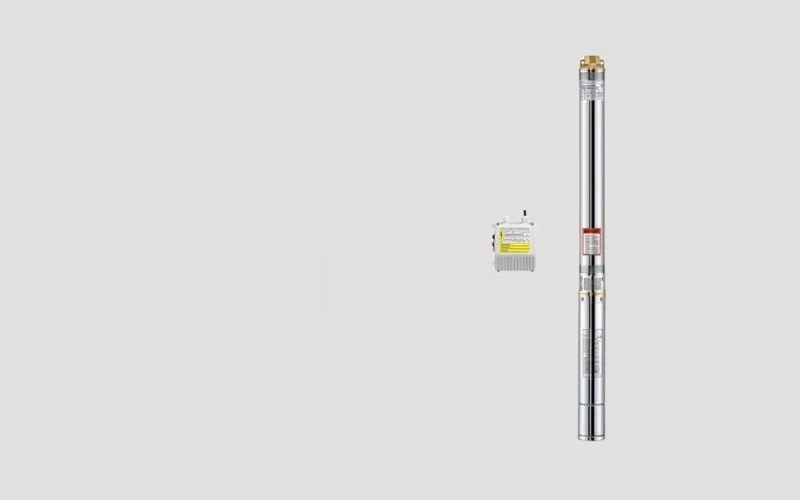
A 3-wire submersible well pump uses three motor conductors running between the pump motor and an above-ground control box, along with a grounding conductor. The biggest difference is the external motor control box.

Franklin Electric specifies submersible motor control boxes for its three-wire single-phase motors. Depending on the control-box design, components may include a starting capacitor, relay, overload protection, and, in some designs, a run capacitor.

The external control box gives technicians access to important electrical components without immediately pulling the pump and motor from the well.

This can become a significant maintenance advantage, particularly with deeper wells where removing a submersible pump can involve considerable labor.

Main Characteristics of a 3-Wire Pump

  • Three motor conductors plus ground
  • Requires a compatible external control box in traditional systems
  • Starting components are more accessible
  • More components are installed above ground
  • Electrical troubleshooting can be easier
  • Installation is somewhat more complex

Related article: For more information about pump specification, click the link.

2-Wire vs 3-Wire Well Pump: Quick Comparison

Feature

2-Wire Submersible Pump

3-Wire Submersible Pump

Motor conductors

2 + ground

3 + ground

External control box

Usually not required

Required in traditional systems

Starting controls

Integrated with motor system

Primarily located in control box

Installation

Simpler

More involved

Number of external components

Fewer

More

Electrical troubleshooting

Can be more difficult

Often easier

Control-component servicing

May require pulling motor

Often possible above ground

Initial installation cost

Often lower

Often higher

Best known for

Simplicity

Serviceability

The Real Difference Is the Motor Starting System

The number of wires is not really the most important part of the comparison. The major difference is how the single-phase motor starts and where its starting components are located. A submersible motor needs sufficient starting torque to accelerate from a stationary position to normal operating speed.

With a traditional 3-wire system, the control box installed above ground manages important parts of this starting process. Franklin Electric, for example, offers control boxes with capacitor-start arrangements, while certain versions also incorporate run capacitors.

A 2-wire system simplifies the installation by placing the necessary starting functionality within the motor system rather than requiring a conventional external control box. This design difference affects installation, maintenance, troubleshooting, and potentially long-term service costs.

Advantages of 2-Wire Submersible Well Pumps

  1. Simpler Installation

One of the biggest benefits of a 2-wire pump is simplicity. Since there is no traditional external motor control box to install, there are fewer electrical connections and components above ground. For a standard residential well system, this can make installation cleaner and more straightforward.

  1. Fewer External Components

Every additional electrical component creates another potential point that may eventually require inspection or replacement. A 2-wire configuration eliminates the separate traditional control box, reducing the number of components installed near the pressure tank or electrical system.

  1. Potentially Lower Initial Cost

A 2-wire installation may cost less initially because there is no separate control box and the cable arrangement can be simpler. The actual installed price, however, depends on pump horsepower, well depth, cable size, labor, pump brand, and existing electrical infrastructure.

1

Advantages of 3-Wire Submersible Well Pumps

  1. Easier Electrical Troubleshooting

The biggest advantage of a 3-wire pump is accessibility. Because important starting components are located inside an above-ground control box, a technician can inspect or test those components without immediately removing the pump from the well. For deep installations, avoiding an unnecessary pump pull can save substantial labor.

  1. Replaceable Above-Ground Components

Capacitors, relays, and other control components can eventually fail. When those components are located in an external control box, technicians may be able to replace the failed component while the pump remains underground. Franklin even designs certain quick-disconnect control boxes specifically to make troubleshooting and access to control components easier.

  1. More Control Options

Three-wire motors are commonly paired with purpose-designed motor control equipment. This can be useful in installations where more sophisticated control, protection, or larger motor configurations are required. However, compatibility should always be confirmed with the pump and motor manufacturer.

Which Is More Reliable: 2-Wire or 3-Wire?

There is no universal rule that a 2-wire or 3-wire pump will always last longer. A properly sized, correctly installed 2-wire pump can provide years of reliable service. The same is true for a properly installed 3-wire system.

The difference is mainly how failures are serviced. If a control component fails in a 3-wire system, technicians may be able to repair the problem at the control box.

If the equivalent problem occurs inside a 2-wire motor assembly, accessing the failed component may require removing the pump and motor from the well. However, the 2-wire system also eliminates the external control box itself, meaning there are fewer above-ground components that can fail.

Reliability therefore depends more on pump quality, correct sizing, voltage conditions, cycling frequency, cooling, installation quality, and maintenance than simply on whether the pump has two or three wires.

Does a 3-Wire Pump Produce More Water?

No. A pump being 3-wire does not automatically mean it produces more pressure or flow than a 2-wire pump.

Water performance is primarily determined by factors such as:

  • Pump model
  • Motor horsepower
  • Number and design of pump stages
  • Total dynamic head
  • Well water level
  • Pipe size
  • Required flow rate
  • System pressure

Two pumps with different wiring configurations can have similar hydraulic performance if their pump curves and motor ratings are comparable.

The wire configuration primarily relates to the motor and control arrangement, not the amount of water produced.

2-Wire vs 3-Wire Submersible Well Pumps

Installation and Maintenance Differences

Maintenance is one area where the differences become especially noticeable.

Maintenance Factor

2-Wire Pump

3-Wire Pump

External control box inspection

Not normally needed

Required

Start-component accessibility

Limited

Good

Number of electrical connections

Lower

Higher

Troubleshooting simplicity

Moderate

Often easier

Pump pulling after certain electrical failures

More likely

May be avoidable

Above-ground parts replacement

Limited

Easier

For shallow residential wells, the simplicity of a 2-wire system can be attractive. For deeper wells, easier access to control components may make a 3-wire pump more appealing because pulling hundreds of feet of pipe, cable, and pump equipment can be expensive and time-consuming.

Related article: For more information about best water pump brand for home use, click the link.

Cost: Which System Is Cheaper?

In many residential installations, a 2-wire system has the advantage in initial cost because it eliminates the conventional external control box. A 3-wire system requires another motor conductor and a compatible control box, increasing material and installation costs. But initial price should not be the only consideration.

Suppose an electrical starting component fails several years later. With a 3-wire system, the technician may be able to service the control box at ground level. With certain 2-wire motor failures, removing the pump may be necessary.

Therefore, the better question is not simply:

“Which pump costs less to buy?”

It is:

“Which configuration provides the best total cost of ownership for this well?”

2-Wire vs 3-Wire Submersible Well Pumps

2-Wire vs 3-Wire: Which One Should You Choose?

A 2-wire submersible pump may be the better choice when:

  • You want a straightforward residential installation.
  • You prefer fewer above-ground components.
  • Your existing well already uses compatible 2-wire wiring.
  • The pump size you need is readily available in a 2-wire configuration.
  • Lower initial installation complexity is important.

A 3-wire submersible pump may be better when:

  • Easy access to starting components is important.
  • Pulling the pump would be particularly difficult or expensive.
  • Your existing system already has a compatible control box and 3-wire cable.
  • The required motor size or pump design is better supported by 3-wire equipment.
  • Your installer recommends it for the specific application.

Manufacturer requirements should always take priority because motor and control-box combinations must be properly matched.

Can You Replace a 3-Wire Pump With a 2-Wire Pump?

It may be technically possible in some installations, but replacing one configuration with another is not simply a matter of connecting fewer wires.

The system must be evaluated for:

  • Voltage
  • Motor horsepower
  • Existing drop cable
  • Pressure-switch configuration
  • Circuit protection
  • Control-box requirements
  • Pump performance
  • Manufacturer specifications
  • Local electrical codes

Similarly, converting a 2-wire system to a traditional 3-wire configuration usually requires adding the appropriate conductor and installing a compatible control box. When replacing an existing pump, using the same wiring configuration is often the simplest solution unless there is a specific reason to redesign the system.

Conclusion

There is no single winner in the 2-wire vs 3-wire submersible well pump comparison. A 2-wire pump offers simplicity. It requires fewer external components, is relatively straightforward to install, and works well for many residential water-well applications.

A 3-wire pump adds an external control box, making installation somewhat more complex. In return, important starting and control components are accessible above ground, which can simplify troubleshooting and repairs.

If your main priority is a simple residential installation, a 2-wire pump may be the more practical option. If your priority is easier servicing and access to motor starting components, particularly in a deep well where pulling the pump is expensive, a 3-wire system may offer advantages.

Most importantly, choose the pump based on the well’s required flow rate, total dynamic head, horsepower, voltage, installation conditions, and manufacturer specifications—not the number of wires alone.

A properly selected pump will deliver better water pressure, operate more efficiently, and provide more reliable service regardless of whether it uses a 2-wire or 3-wire configuration.

FAQs

Is a 2-wire or 3-wire well pump better?

Neither configuration is automatically better. A 2-wire pump offers simpler installation with fewer external components, while a 3-wire pump offers easier access to motor starting components through an external control box. The best choice depends on the well depth, motor size, existing wiring, maintenance priorities, and manufacturer recommendations.

A traditional 2-wire single-phase submersible well pump generally does not require the separate motor-start control box used by a 3-wire system. The motor’s necessary starting functionality is incorporated into the motor system.

Traditional 3-wire single-phase submersible motors require a compatible external motor control box. Pentair installation documentation specifically calls for a motor control box with a 3-wire pump, and Franklin manufactures control boxes specifically for three-wire single-phase submersible motors.

The terminology normally excludes the grounding conductor. Therefore, what the industry calls a “2-wire pump” commonly has two power conductors plus a ground wire. Likewise, a “3-wire pump” commonly has three motor conductors plus a ground.

Not necessarily. Pump output depends on horsepower, pump stages, total dynamic head, pump curve, pipe size, and system conditions. The number of motor wires does not directly determine water flow or pressure.

It can be easier to diagnose and repair certain electrical starting problems because the control box is located above ground. If a capacitor or other accessible control component fails, the technician may be able to service it without pulling the pump.

Both configurations can be used in deep-well applications when properly sized. However, some owners and installers prefer 3-wire systems for deep wells because accessible above-ground control components can make certain repairs easier and reduce the chance of pulling the pump unnecessarily.

Leave a Reply

Your email address will not be published. Required fields are marked *