Multistage Pumps: What They Are and Why They’re Ideal for High-Pressure Water Applications

multistage water pump are one of the most efficient solutions for high-pressure water pumping in a variety of applications. They use multiple impellers or stages to gradually increase pressure, making them ideal for demanding systems such as reverse osmosis, boiler feed, firefighting, and high-rise building water supply. Their ability to deliver consistent pressure and energy efficiency makes them a popular choice in industrial and commercial sectors.

As a subcategory of centrifugal water pumps, multistage pumps stand out due to their design and performance. Each stage contributes to a cumulative pressure gain, allowing these pumps to move fluids over long distances or to significant heights without requiring a large motor. This makes them not only powerful but also space-efficient.

This article will walk you through the essential details about multistage pumps—from how they function to where they’re used and how to maintain them. Whether you’re an engineer, maintenance technician, or business owner, understanding these pumps can help you make more informed decisions for your water systems.

What Is a Multistage Pump?

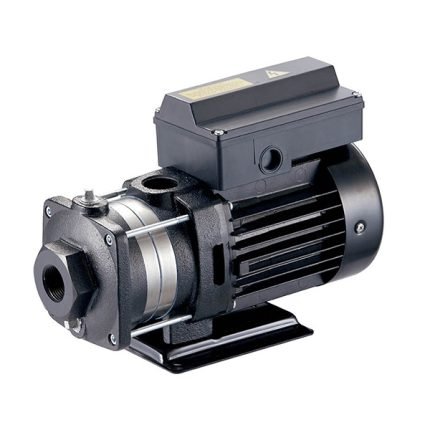
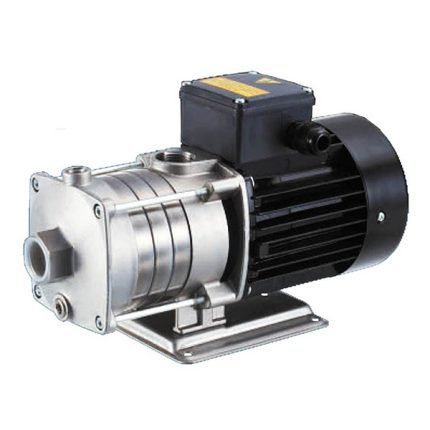
A multistage pump is a type of centrifugal pump that includes two or more impellers installed in series on the same shaft. Each impeller is housed in a separate stage, and as the liquid passes through each stage, the pressure increases. This design makes them highly effective for applications requiring high heads (pressure) at relatively low flow rates.

The term “multistage” refers to the pump’s capability to build pressure step by step through its multiple chambers. Unlike single-stage pumps that rely on one impeller, multistage models distribute the workload across several stages. This approach not only enhances performance but also reduces stress on individual components, increasing the pump’s overall lifespan.

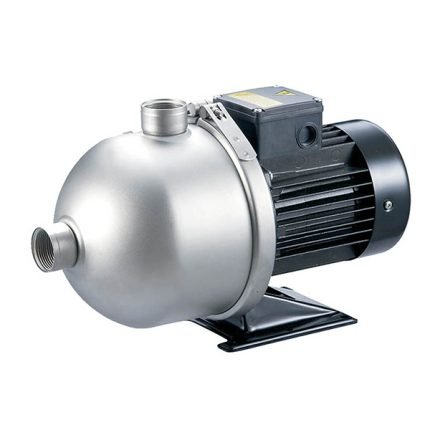
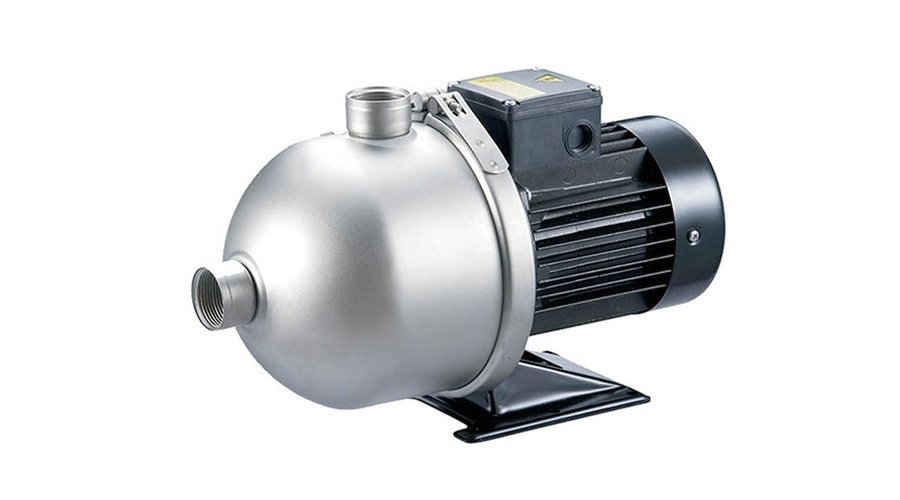
These pumps are commonly made from stainless steel or cast iron, ensuring durability and resistance to corrosion. The versatility in design and material selection allows them to be customized for various fluids, including clean water, chemicals, or mildly corrosive liquids.

typical horsepower centrifugal pump industrial water supply system factory | multistage high pressure pump | multistage pump reverse flow second stage low speed |

How Do Multistage Pumps Work?

Multistage pumps operate on the principle of centrifugal force, but what sets them apart is the sequential arrangement of impellers. When the pump is activated, the motor drives the shaft, spinning the first impeller. The fluid gains velocity and is pushed into the next stage, where the process is repeated until the desired pressure is achieved at the outlet.

The number of stages directly influences the pressure the pump can generate. More stages mean more pressure buildup, making these pumps ideal for high-rise water supply, long-distance pipeline systems, and applications where high pressure is required but flow rate remains moderate. In most designs, the flow rate remains constant while pressure increases stage by stage.

In addition to pressure building, multistage pumps also ensure smooth flow and minimal pulsation. This makes them suitable for sensitive systems, such as boiler feeds or reverse osmosis plants, where pressure consistency is crucial to prevent damage or inefficiencies in downstream equipment.

Key Components of a Multistage Pump

The heart of a multistage pump lies in its impellers and diffusers. Each stage consists of an impeller that imparts energy to the fluid and a diffuser that converts that velocity into pressure. These components are typically precision-machined to ensure smooth operation and optimal performance.

The shaft is another critical component, as it holds all the impellers in alignment and transfers energy from the motor. Bearings are used to support the shaft and reduce friction, while mechanical seals or packing seals prevent leakage around the shaft. Seal selection depends on the type of fluid and system pressure.

Finally, the pump casing encloses and supports the internal components. It can be made from various materials depending on the pumped liquid. Cast iron is common for freshwater, while stainless steel or bronze may be used for corrosive or hygienic applications. Understanding these components helps operators identify potential issues and perform effective maintenance.

Horizontal vs. Vertical Multistage Pumps

Multistage pumps are available in two main configurations: horizontal and vertical. Horizontal multistage pumps have all their stages arranged side-by-side, making them easier to maintain and install in spaces where height is limited. They’re typically used in industrial settings where space constraints exist horizontally.

Vertical multistage pumps, on the other hand, are stacked vertically, which allows them to occupy a smaller footprint on the ground. This makes them ideal for commercial and residential buildings or facilities where floor space is limited. Vertical pumps also tend to be more efficient in terms of energy use, especially in high-pressure applications.

The choice between horizontal and vertical multistage pumps depends on several factors: available space, system pressure requirements, ease of access for maintenance, and cost. Both types have similar operating principles but offer distinct installation and performance characteristics that suit different operational needs.

Main Applications of Multistage Pumps

Multistage pumps are used wherever high pressure and reliability are critical. One of the most common uses is in boiler feed systems, where water must be supplied at high pressure to the boiler. Their ability to handle temperature variations and maintain consistent flow makes them ideal for this task.

Another significant application is in reverse osmosis (RO) systems, where multistage pumps generate the high pressure needed to force water through semi-permeable membranes, separating pure water from contaminants. Their pressure capabilities ensure efficient and steady operation in desalination and water purification systems.

Multistage pumps are also prevalent in firefighting systems, irrigation for large agricultural operations, and municipal water supply. Their capacity to deliver water over long distances and through vertical heights ensures they can handle the rigorous demands of large-scale systems.

Advantages of Using Multistage Pumps

One of the biggest benefits of multistage pumps is energy efficiency. By distributing pressure generation across multiple stages, the pump minimizes energy loss, making it more efficient than single-stage alternatives in high-head applications. This results in lower operating costs and a smaller carbon footprint.

These pumps are also known for their compact and modular design. Despite their power, multistage pumps take up relatively little space, especially in the vertical configuration. Their modularity also makes them easier to repair or upgrade, as individual stages can be replaced without affecting the entire pump.

Additionally, multistage pumps are highly customizable. Operators can adjust the number of stages to meet specific pressure requirements. This flexibility, combined with durability and low maintenance needs, makes them a cost-effective solution for many industries.

high pressure multistage pump | multistage submersible pump | high pressure multistage centrifugal pump | multistage centrifugal pumps |

Common Industries That Use Multistage Pumps

The power generation industry relies heavily on multistage pumps for feeding water to boilers and cooling towers. Their high-pressure capabilities and resistance to wear make them suitable for continuous operation in demanding environments.

In chemical and petrochemical industries, multistage pumps are used to handle various fluids, including mildly corrosive and hazardous substances. Stainless steel construction and mechanical seals ensure safe and leak-proof operation, which is crucial for process integrity and worker safety.

Water treatment plants, mining, and HVAC systems also use multistage pumps for moving water, brine, or slurry over long distances or to high elevations. Their adaptability and performance under pressure make them a go-to choice in applications where reliability is non-negotiable.

Maintenance Tips for Multistage Pumps

Routine maintenance is essential to ensure multistage pumps operate efficiently and have a long service life. One of the first steps is to regularly monitor vibration and temperature levels. Unusual readings can indicate bearing wear, misalignment, or other internal issues.

Lubrication of bearings is another important task. Using the correct type and amount of lubricant prevents overheating and reduces friction, extending the lifespan of internal components. It’s also critical to inspect mechanical seals for wear and leakage, as faulty seals can lead to efficiency loss or system contamination.

Additionally, it’s wise to conduct periodic performance tests. Measuring flow rate, pressure, and power consumption helps you detect deviations from normal operation. Scheduling preventive maintenance and keeping spare parts on hand can significantly reduce downtime and repair costs.

Factors to Consider When Choosing a Multistage Pump

When selecting a multistage pump, the required pressure and flow rate are fundamental considerations. You need to ensure the pump can meet the demands of your application without being oversized or underpowered, both of which can reduce efficiency and increase costs.

The type of fluid being pumped is another key factor. Multistage pumps can handle clean water, slightly abrasive fluids, or even chemicals—but the materials of construction must be compatible with the fluid to prevent corrosion and wear. Stainless steel is often the material of choice for corrosive environments.

Other factors include temperature range, installation space, vertical vs. horizontal orientation, budget, and power availability. Consulting with a pump specialist or manufacturer can help ensure the selected model meets all technical, operational, and economic criteria.

Are Multistage Pumps Right for Your Project?

If your system requires high pressure with consistent flow, a multistage pump is likely the right solution. Its design offers optimal performance in environments where single-stage pumps would struggle or require oversized components to match the same output.

Multistage pumps are ideal for applications in buildings, plants, or systems where energy efficiency, long-term reliability, and low maintenance are priorities. Their ability to maintain consistent pressure over extended periods makes them perfect for both intermittent and continuous-duty operations.

Before investing, assess your system requirements, operational goals, and total cost of ownership. A properly selected multistage pump can deliver excellent performance, reduce energy bills, and provide peace of mind for years to come.