Showing 1–12 of 18 resultsSorted by latest
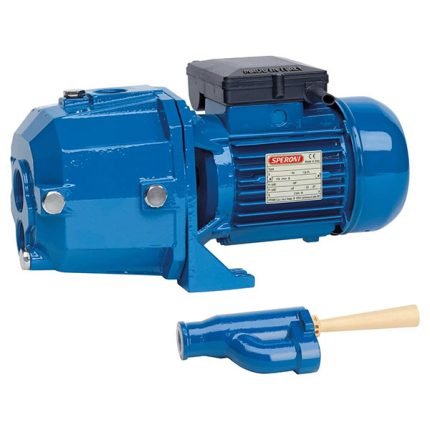
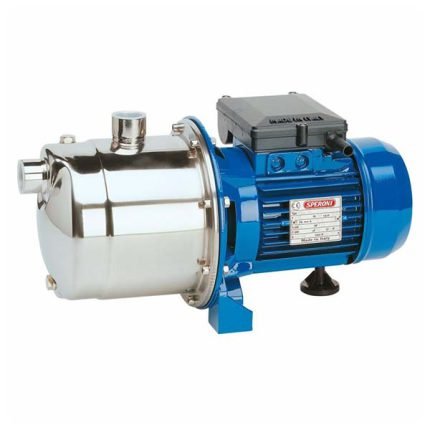
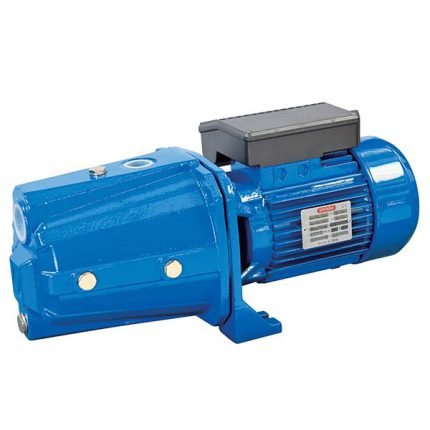
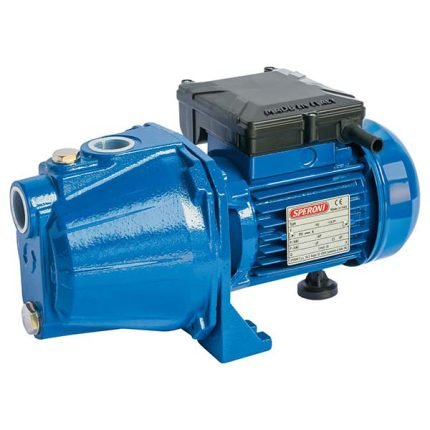
Shallow Well Jet Pumps: Efficient Water Solutions for Low-Depth Applications
Shallow well jet pumps are one of the most commonly used water pump systems for residential and light commercial applications. Designed specifically for wells that are less than 25 feet deep, these pumps offer a cost-effective and reliable way to deliver clean water from underground sources to your home or property. Their simple setup and user-friendly maintenance make them ideal for both rural and suburban environments.
As a subcategory of water pump, shallow well jet pumps utilize atmospheric pressure and suction to draw water up to the surface. They are usually installed above ground and are highly efficient in shallow water tables where other pump types may be overkill or less effective. Their compact design and affordability add to their popularity, especially in areas without access to municipal water systems.
In this article, we’ll explore everything you need to know about shallow well jet pumps—from how they work and where they’re used to their key benefits and how to choose the right model for your specific needs.
What Is a Shallow Well Jet Pump?
A shallow well jet pump is a type of centrifugal pump designed for wells with water tables no deeper than 25 feet. It operates by creating a vacuum that draws water up through a suction pipe and pushes it into the household plumbing system. This makes it ideal for applications in gardens, cottages, and rural homes.
Unlike deep well jet pumps, shallow well versions do not require a separate injector assembly placed inside the well. Instead, all components are housed above ground, which simplifies installation and maintenance. Most models also come with a pressure switch and pressure tank to regulate water flow and prevent pump cycling.
Because of their efficient operation and relatively low cost, shallow well jet pumps are widely used in agricultural irrigation, lawn watering, and even light-duty water transfer tasks. Their compatibility with standard well sizes and fittings makes them a go-to option for shallow groundwater access.
How Does a Shallow Well Jet Pump Work?
Shallow well jet pumps operate on the principle of atmospheric pressure and centrifugal force. When the motor turns on, it drives the impeller to create a partial vacuum. This vacuum allows atmospheric pressure to push water up the suction line from the well into the pump housing.
Inside the pump, water is mixed with air and forced through a narrow nozzle or venturi. This increases the water velocity and pressure, pushing it toward the pressure tank and into the household system. The continuous flow ensures that homes and irrigation systems receive a steady water supply.
Since shallow well pumps rely heavily on suction, they must be properly primed to remove air from the system. A failure to maintain prime can result in airlocks or dry runs, which may damage the pump. This is why proper installation and maintenance are key to long-term performance.
Key Components of a Shallow Well Jet Pump
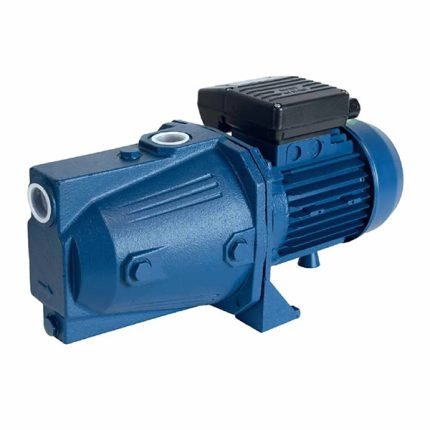
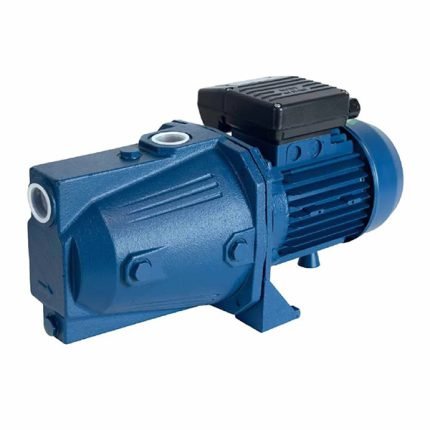
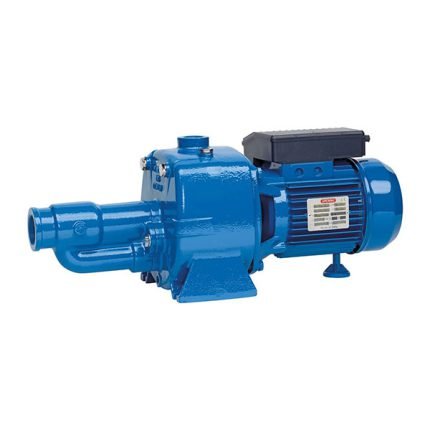
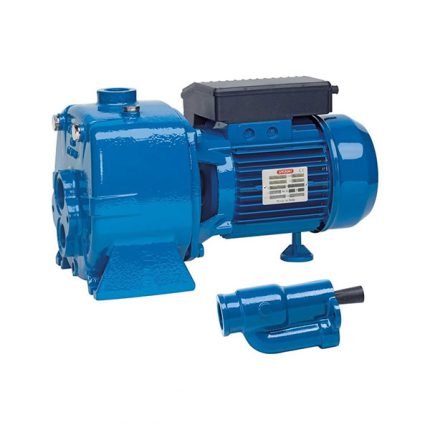
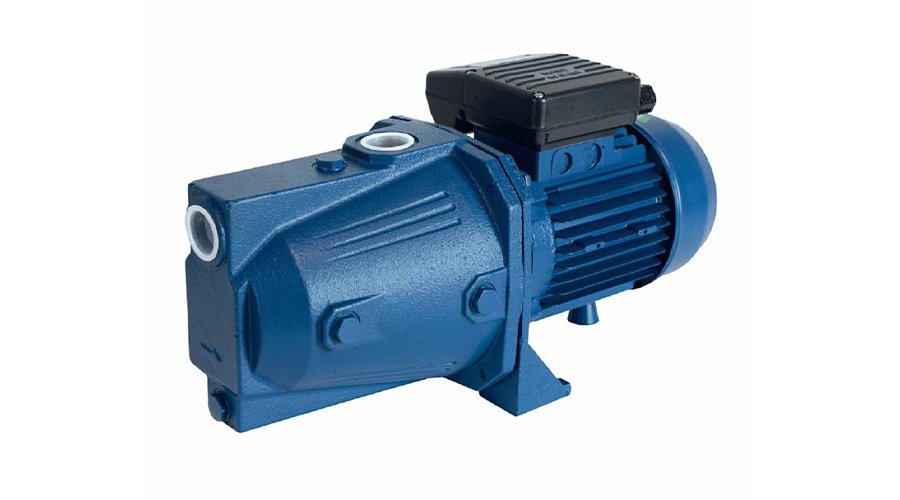
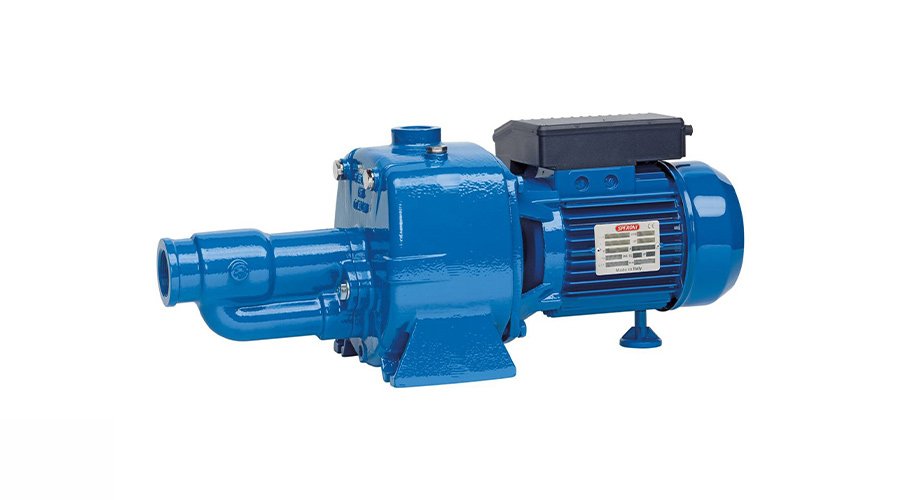
Shallow well jet pumps consist of several critical components that work together to lift and pressurize water. The motor powers the pump and typically runs on electricity, with common sizes ranging from ½ to 1 horsepower depending on the application.
The impeller is responsible for creating centrifugal force, while the venturi tube and nozzle help increase water velocity to generate pressure. These components are usually enclosed in a durable pump housing, often made of cast iron, stainless steel, or thermoplastic for corrosion resistance.
Most shallow well jet pumps also include a pressure switch, check valve, and pressure gauge to control flow, prevent backflow, and monitor system health. Some models are sold with a pre-attached pressure tank, which helps reduce wear and tear by minimizing pump cycling.
Ideal Applications for Shallow Well Jet Pumps
Shallow well jet pumps are best suited for situations where the water table is close to the surface—typically less than 25 feet. This includes residential water supply systems, garden irrigation, lawn sprinklers, and rural cabins or cottages.
They are also frequently used in livestock watering systems, where consistent access to fresh water is crucial. Because they can operate automatically with a pressure switch and tank, they offer convenience in managing water use without manual intervention.
In addition to residential and agricultural uses, shallow well jet pumps are also found in construction sites or temporary setups where portable water access is needed. Their above-ground configuration allows for easy relocation and quick servicing when required.
Advantages of Shallow Well Jet Pumps
One of the main benefits of shallow well jet pumps is their cost-effectiveness. Compared to submersible pumps or deep well systems, they are more affordable to purchase and install, making them ideal for homeowners on a budget.
Their easy maintenance and accessibility are another big plus. Since all components are located above ground, routine servicing, repairs, and winterization can be done without pulling up the pump or hiring professionals.
Additionally, shallow well jet pumps are compact and energy-efficient, often requiring less power to operate. They work well with pressure tanks and switches to reduce electrical consumption and extend pump lifespan, especially in homes with moderate water usage.
Common Installation Tips and Best Practices
Installing a shallow well jet pump requires proper planning and attention to detail. First, ensure the suction line is airtight and free of leaks, as even small air gaps can reduce suction and cause performance issues.
Second, always install a foot valve or check valve at the bottom of the suction pipe. This prevents water from draining back into the well when the pump is off, which helps maintain prime and avoid dry starts.
Finally, position the pump as close to the water source as possible to minimize friction loss in the suction line. Keep the suction pipe straight and use wide-diameter piping to ensure maximum flow. Always follow the manufacturer’s installation guide for best results.
How to Prime a Shallow Well Jet Pump
Priming a shallow well jet pump is essential before its first use and any time the pump loses water due to maintenance or a dry well. Priming involves filling the pump casing and suction line with water to remove trapped air and create suction.
To prime the pump, remove the priming plug on top of the pump housing and slowly pour clean water until the housing is full. Once water starts to overflow, replace the plug and turn the pump on. If the pump doesn’t start drawing water within a few minutes, shut it off and repeat the process.
Some modern models feature self-priming technology, which simplifies this step. However, regular inspection and cleaning of valves, filters, and suction lines can help maintain prime and extend the life of your pump.
Shallow Well Jet Pump vs. Deep Well Jet Pump
The main difference between shallow and deep well jet pumps is the depth of the water source they can handle. Shallow well jet pumps are designed for wells up to 25 feet, while deep well jet pumps can handle depths of 25 to 100 feet or more using a two-pipe system and remote injector.
Deep well systems are more complex, requiring precise installation of an ejector kit inside the well. They also tend to be more expensive and harder to maintain. Shallow well jet pumps, on the other hand, are simpler, cheaper, and easier to maintain due to their single-pipe, above-ground design.
If your water table is within 25 feet, a shallow well jet pump is often the more practical choice. It’s less invasive to install and perfectly capable of meeting typical household water demands.
Troubleshooting Common Issues
Like any mechanical system, shallow well jet pumps may encounter issues such as loss of prime, low water pressure, or strange noises. Loss of prime is usually due to air leaks or faulty check valves. Re-priming the pump and sealing any leaks often resolves the issue.
Low water pressure may indicate a clogged suction line, worn impeller, or blocked nozzle. Cleaning or replacing the affected parts can restore normal operation. If the pump is making grinding or whining sounds, it could mean bearings are worn or debris has entered the system.
Regularly inspect and maintain components, and consider installing filters to protect against sediment. Understanding these problems early on can prevent major failures and costly repairs down the line.
Choosing the Right Shallow Well Jet Pump
When selecting a shallow well jet pump, consider your well depth, household water demand, and power supply. Choose a pump with a horsepower rating that matches your usage—½ HP is sufficient for small homes or cabins, while 1 HP is better for larger families or irrigation needs.
Also, look for corrosion-resistant materials like stainless steel or thermoplastics, especially if your water has high mineral content. Models with built-in pressure switches and automatic shut-off features offer added convenience and protection.
Finally, don’t forget to check warranty and support. Reputable brands usually offer better service, technical support, and replacement parts, ensuring peace of mind for years to come.