In industries such as food processing, pharmaceuticals, and biotechnology, maintaining hygiene is not optional—it is essential. A hygienic pump plays a critical role in preventing contamination while ensuring smooth and efficient fluid transfer.
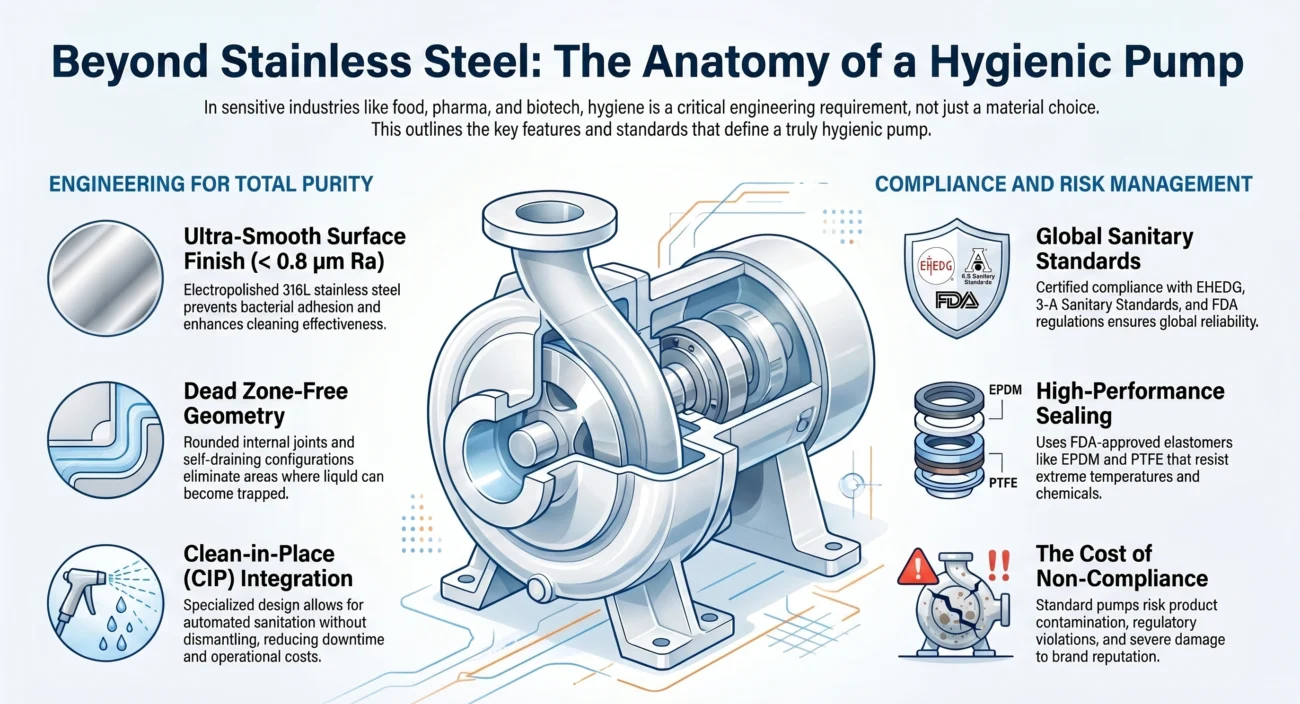
Many assume that using stainless steel is enough. However, true hygiene goes far beyond material choice. This guide explores what really makes a pump hygienic and why it matters for modern production systems.
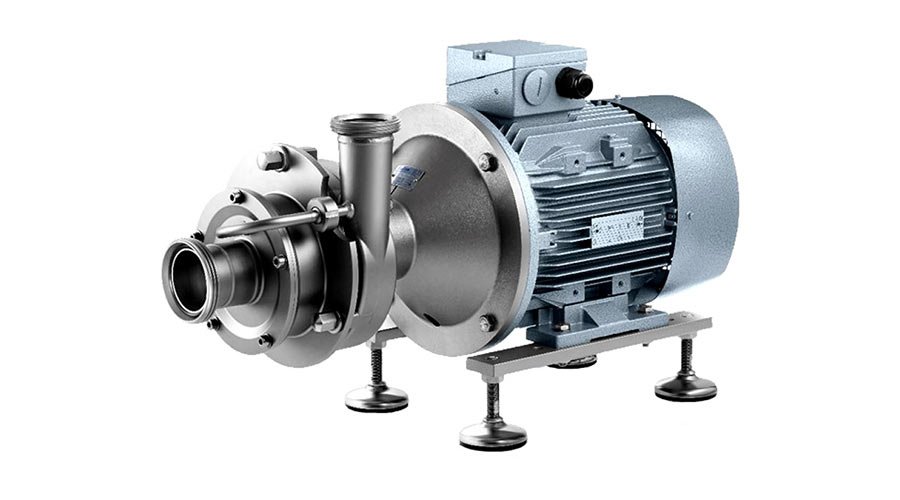
A hygienic pump is specifically designed to handle sensitive fluids without introducing contamination. These pumps are built to meet strict sanitary standards and are commonly used in:
Food and beverage production
Dairy processing
Pharmaceutical manufacturing
Cosmetics industry
They ensure that the product remains safe, clean, and compliant with global regulations.
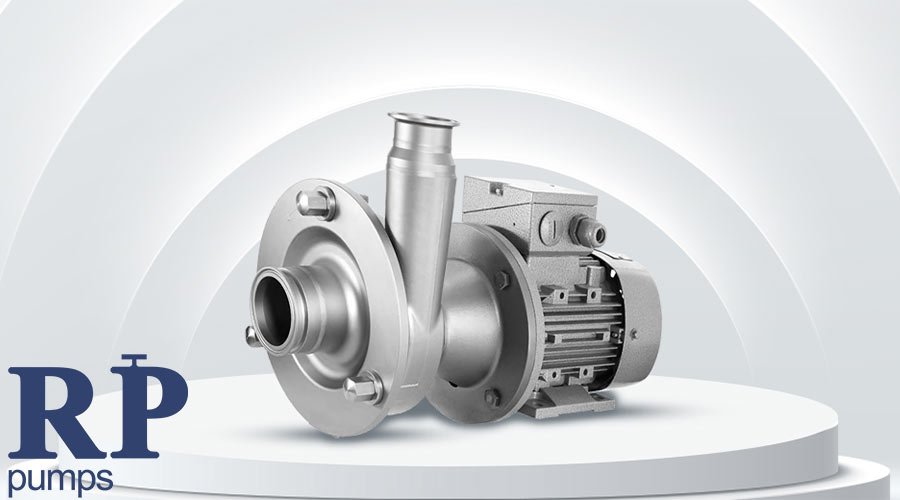
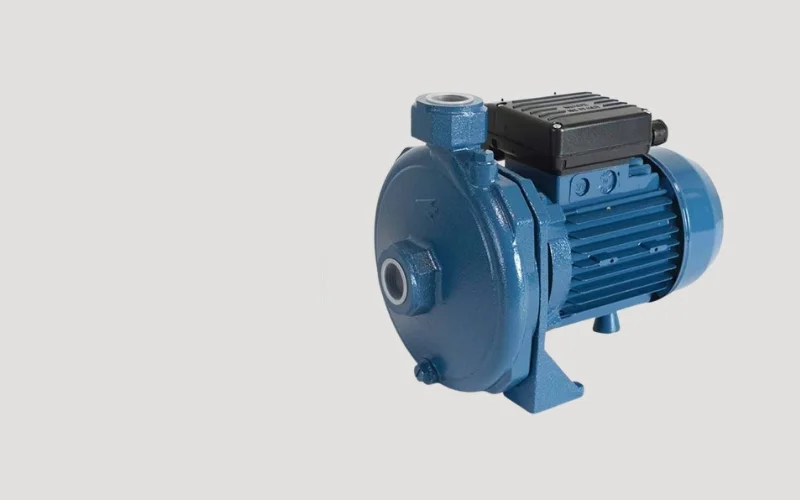
Centrifugal water pump solutions by RP Pumps deliver high efficiency, reliable performance, and long service life. Power your irrigation, industrial, and water transfer systems with trusted RP Pumps technology.
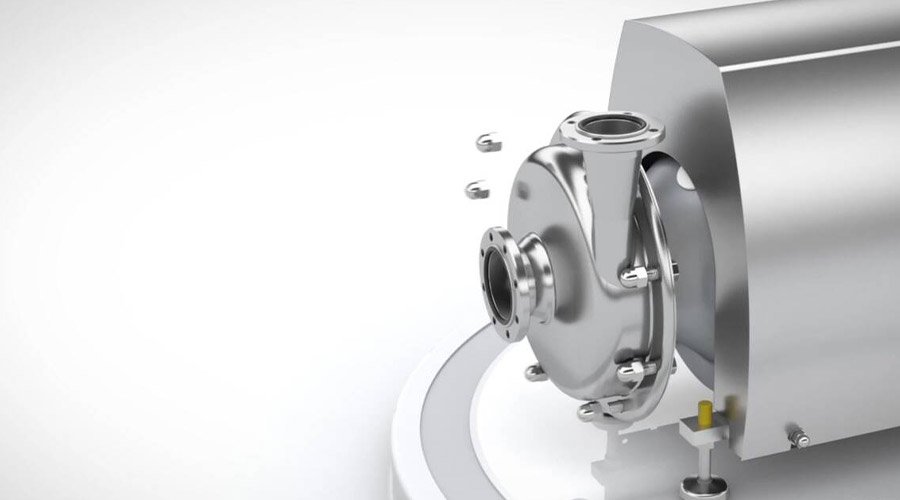
A hygienic pump is more than just stainless steel—it is a carefully engineered solution designed to maintain cleanliness, safety, and efficiency. From smooth surfaces to CIP capability, every detail matters.
For industries where hygiene is critical, investing in the right pump is essential for long-term success.
FAQs
What are hygienic pumps?
Hygienic pumps are specialized pumps designed to handle products in industries where cleanliness and contamination control are critical, such as food, beverage, dairy, pharmaceuticals, and cosmetics. They are built to be easy to clean, resistant to contamination, and compliant with strict sanitary standards.
Why is stainless steel commonly used in hygienic pumps?
Stainless steel is widely used because it is corrosion-resistant, durable, non-reactive, and easy to clean. It also withstands high temperatures and aggressive cleaning agents used in sanitary processes.
Are hygienic pumps always made of stainless steel?
While stainless steel (especially 316L grade) is the industry standard, hygienic pumps may also include advanced polymers, elastomers, and specialized coatings for seals, gaskets, and internal components to improve performance and chemical resistance.