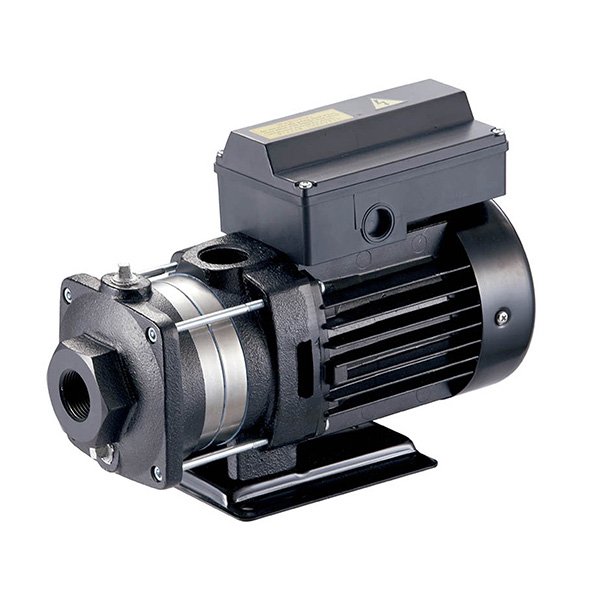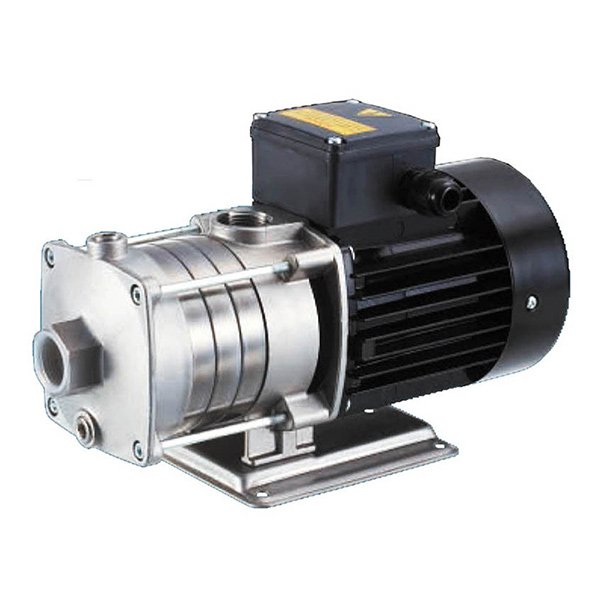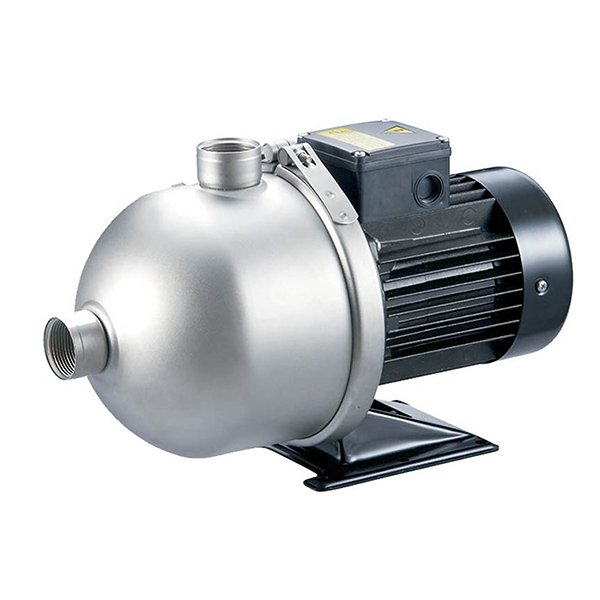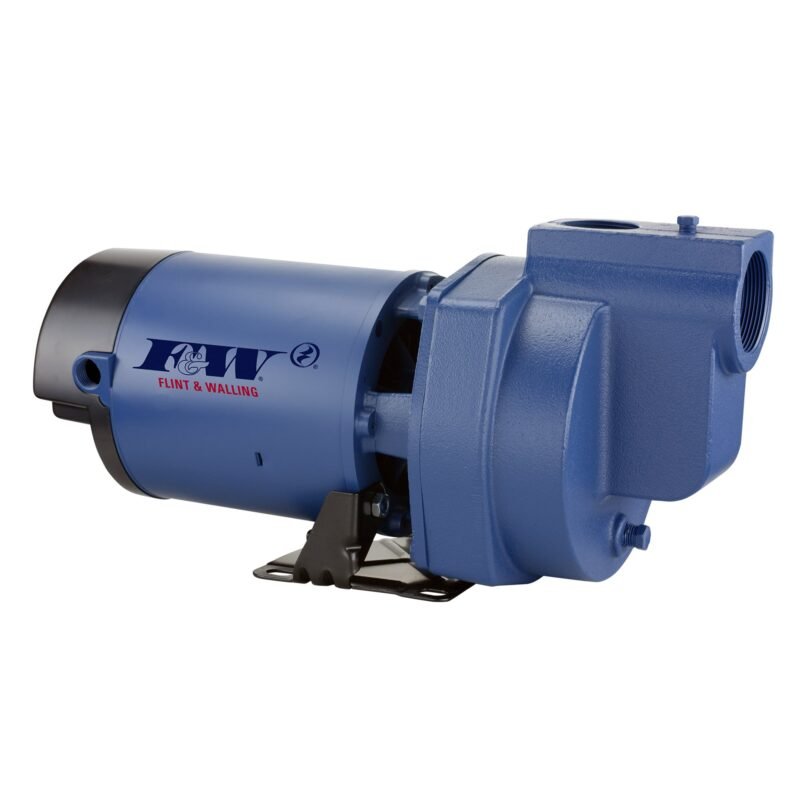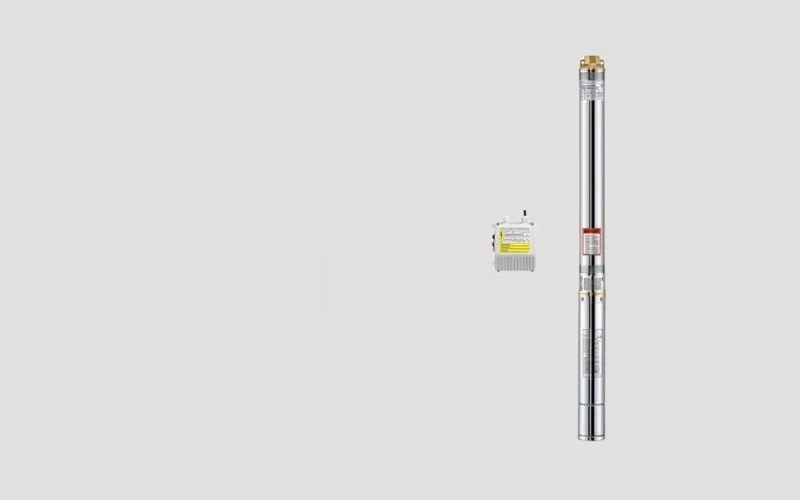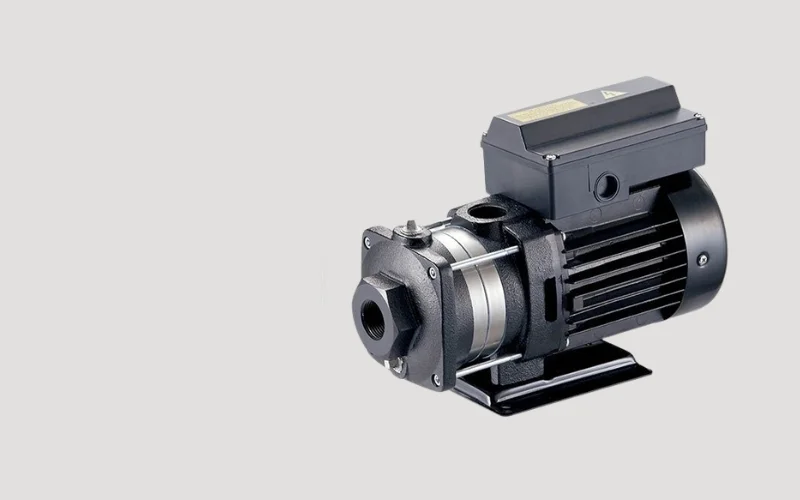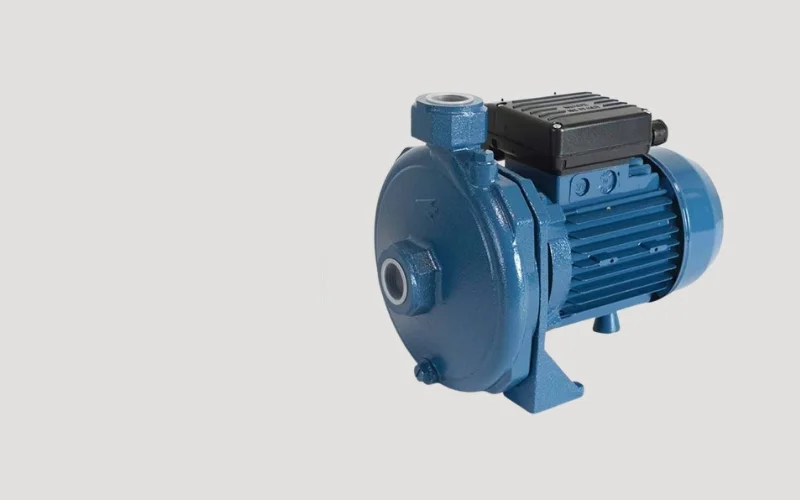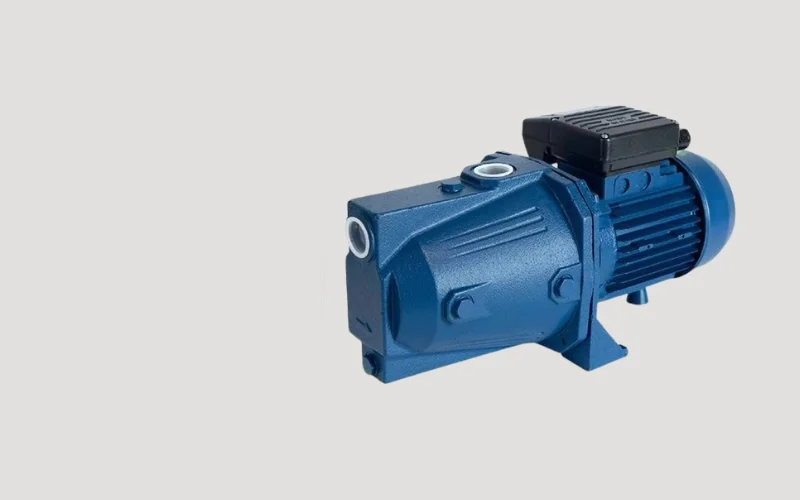

Centrifugal Pumps

What Is NPSH in Pumps and Why It Matters for System Performance

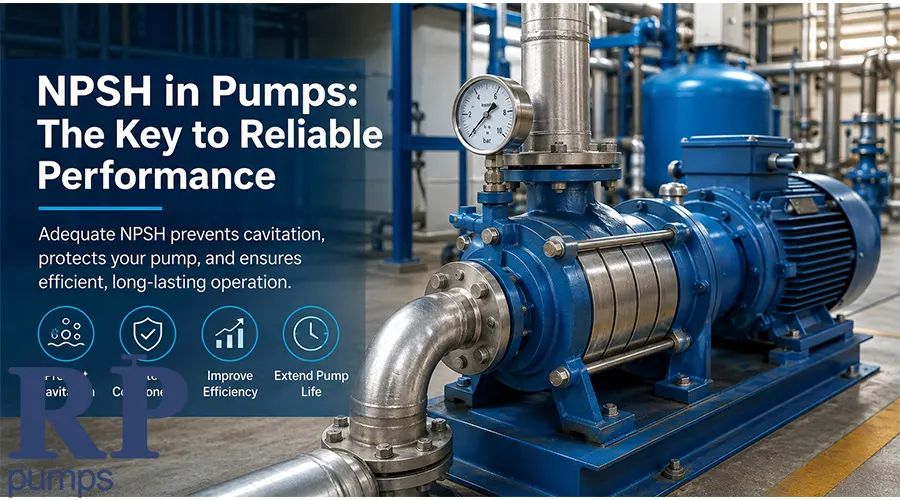
What Is NPSH in Pumps

When selecting a pump, most buyers focus on flow rate, pressure, horsepower, material, or price. While these factors are important, one technical detail is often overlooked until problems start: NPSH. NPSH stands for Net Positive Suction Head, and it plays a major role in how well a pump performs. If the available NPSH in a system is too low, the pump may experience cavitation, noise, vibration, reduced flow, efficiency loss, and even serious internal damage. For industrial, commercial, agricultural, and water transfer systems, understanding NPSH helps prevent pump failure before it happens. It also helps engineers, maintenance teams, and buyers choose the right pump for the right installation.

In simple terms, NPSH tells you whether the liquid entering the pump has enough pressure to remain liquid instead of turning into vapor. When the pressure at the pump inlet drops too low, vapor bubbles can form. When these bubbles collapse inside the pump, they create cavitation, which can damage impellers, seals, bearings, and other internal components. This article explains what NPSH means, the difference between NPSHa and NPSHr, why it matters, and how it affects pump system performance.

Table of Contents

What Does NPSH Mean in Pumps?

NPSH, or Net Positive Suction Head, is a measure of the pressure energy available at the pump suction compared to the vapor pressure of the liquid being pumped.

A pump needs enough pressure at its inlet to move liquid smoothly into the impeller. If the inlet pressure becomes too low, the liquid may begin to vaporize. This is especially important in centrifugal pumps, where liquid enters the impeller at high speed and pressure can drop at certain points inside the pump.

NPSH is usually measured in feet or meters of liquid. Instead of looking only at pressure in PSI or bar, NPSH converts suction conditions into “head,” which makes it easier to compare pump and system requirements.

The key point is this:

The pump must have more NPSH available than the pump requires. If the system cannot provide enough suction head, the pump is at risk of cavitation and performance problems.

Looking for a reliable high pressure multistage pump for demanding water systems?
RP Pumps Online offers efficient, durable pump solutions built for strong pressure and long-term performance.

NPSHa vs NPSHr: What Is the Difference?

To understand NPSH properly, you need to know two important terms: NPSHa and NPSHr.

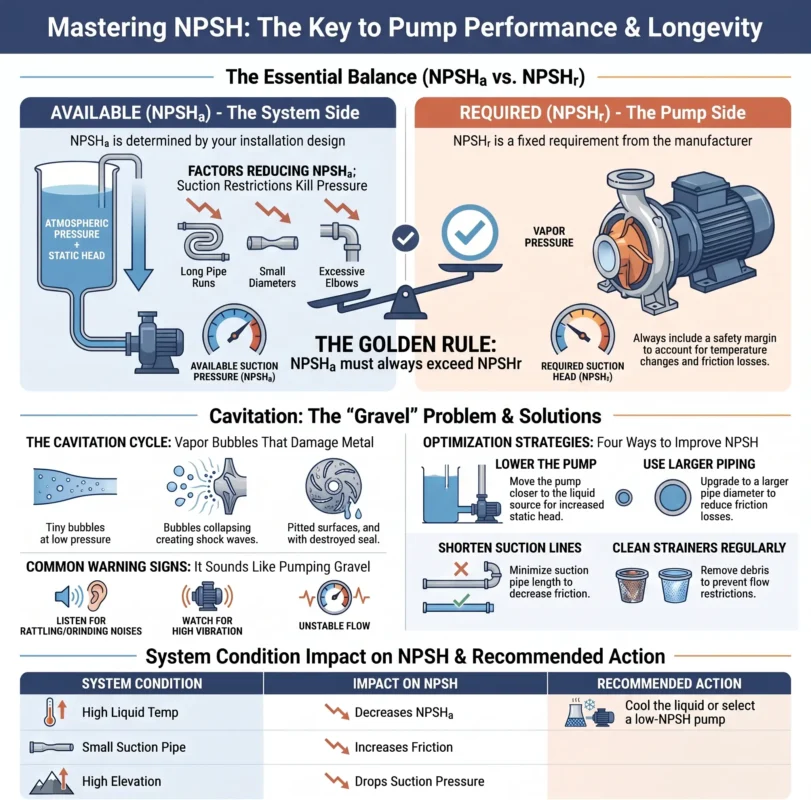
NPSHa: Net Positive Suction Head Available

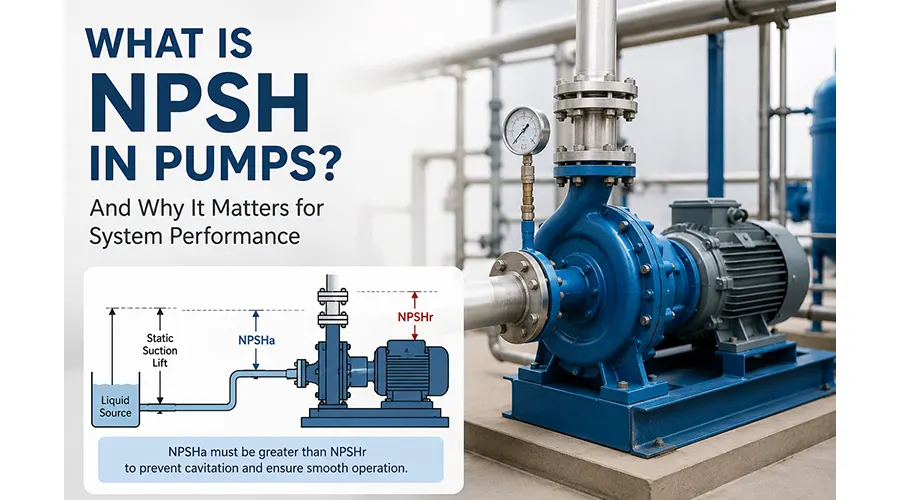
NPSHa means Net Positive Suction Head Available. This is the amount of suction head your system provides to the pump.

It depends on real installation conditions, such as:

  • Liquid level in the tank
  • Suction pipe length and diameter
  • Friction losses in the suction line
  • Liquid temperature
  • Atmospheric pressure
  • Vapor pressure of the liquid
  • Elevation of the pump compared to the liquid source
  • Valves, strainers, filters, and fittings in the suction line

In other words, NPSHa is controlled by the system design and installation. If the suction piping is too long, too narrow, or full of restrictions, the available NPSH decreases. If the pump is installed too far above the liquid source, NPSHa also decreases. A well-designed suction system increases NPSHa and helps the pump operate safely.

NPSHr: Net Positive Suction Head Required

NPSHr means Net Positive Suction Head Required. This is the minimum suction head the pump needs to operate without excessive cavitation. Unlike NPSHa, which comes from the system, NPSHr comes from the pump manufacturer. It is based on the pump design, impeller shape, speed, and operating flow rate.

NPSHr usually increases as flow rate increases. This means a pump operating near the far right side of its performance curve may require more suction head than the same pump operating closer to its best efficiency point. When choosing a pump, you should compare the system’s NPSHa with the pump’s NPSHr at the actual operating flow rate.

The Simple Rule: NPSHa Must Be Greater Than NPSHr

The most important rule is:

NPSHa must be greater than NPSHr. However, simply matching the two values is not enough. A safety margin should always be included. If the pump requires 10 feet of NPSH, the system should provide more than 10 feet. The extra margin helps protect the pump from changes in temperature, flow demand, suction restrictions, and real-world operating conditions. Without enough margin, a pump may work during ideal conditions but cavitate when the system changes slightly.

Related article: For more information about best water pump for home, click the link.

Vertical vs Horizontal Industrial Pumps

Why NPSH Matters for Pump Performance

NPSH directly affects pump reliability, efficiency, and service life. A pump with poor suction conditions may still run, but it will not perform as intended.

Low NPSH can cause several problems:

  • Reduced flow rate
  • Lower discharge pressure
  • Noisy operation
  • Excess vibration
  • Unstable performance
  • Seal damage
  • Bearing wear
  • Impeller erosion
  • Higher energy consumption
  • Unexpected downtime

When suction conditions are poor, the pump works harder to move liquid. Instead of smooth hydraulic performance, the pump experiences vapor formation, turbulence, and internal shock. Over time, this reduces efficiency and increases maintenance costs. For businesses that rely on continuous pumping, low NPSH can lead to production delays, system shutdowns, and expensive repairs.

What Is NPSH in Pumps

NPSH and Cavitation:

The biggest reason NPSH matters is cavitation. Cavitation happens when liquid pressure drops below its vapor pressure and vapor bubbles form inside the pump. These bubbles move through the impeller and collapse when they reach a higher-pressure area. The collapse of vapor bubbles may seem small, but it creates powerful shock waves. These shock waves can pit metal surfaces, damage the impeller, and create vibration throughout the pump.

Common signs of cavitation include:

  • A rattling or grinding sound
  • Vibration near the pump casing
  • Loss of flow or pressure
  • Impeller surface damage
  • Frequent seal failure
  • Higher motor load
  • Unstable operation

Many people describe cavitation noise as sounding like stones or gravel moving through the pump. If this sound appears, the pump should be inspected quickly.

Related article: For more information about cavitation pump vibration, click the link.

What Causes Low NPSH?

Low NPSH is usually caused by poor suction conditions. In many cases, the pump itself is not the original problem. The problem is the way the system is designed or operated.

Common causes include:

The Pump Is Installed Too High

If the pump is located too far above the liquid source, it has to “pull” liquid upward. This reduces suction pressure and lowers NPSHa.

Suction Piping Is Too Small

Narrow suction piping creates high friction losses. These losses reduce the pressure available at the pump inlet.

The Suction Line Is Too Long

Long suction pipes increase friction. The farther the liquid travels before reaching the pump, the more pressure is lost.

Too Many Elbows or Valves

Every fitting, valve, elbow, strainer, or filter in the suction line creates resistance. Too many restrictions reduce NPSHa.

The Liquid Temperature Is Too High

Hot liquids have higher vapor pressure. As vapor pressure increases, the risk of cavitation also increases.

The Pump Is Running Too Far from Its Design Point

If a pump operates at a flow rate higher than intended, NPSHr may rise. This can create cavitation even if the system seemed acceptable at lower flow.

Blocked Strainers or Filters

A clogged suction strainer can quickly reduce inlet pressure and cause cavitation.

3 2

How to Improve NPSH in a Pump System

The good news is that many NPSH problems can be prevented or corrected with better system design.

Lower the Pump Closer to the Liquid Source

Installing the pump closer to or below the liquid level increases suction pressure and improves NPSHa.

Use Larger Suction Piping

A larger suction pipe reduces friction losses and allows liquid to enter the pump more easily.

Keep the Suction Line Short and Direct

Shorter piping with fewer fittings helps maintain better suction pressure.

Reduce Restrictions Before the Pump

Avoid unnecessary elbows, valves, strainers, and sharp turns near the pump suction.

Clean Filters and Strainers Regularly

Maintenance is essential. A partially blocked suction line can reduce NPSH and cause performance issues.

Control Liquid Temperature

If possible, reduce liquid temperature or select a pump designed for hot liquid applications.

Choose the Right Pump

Some pumps require less NPSH than others. If the suction conditions are difficult, selecting a low-NPSH pump may be necessary.

Operate Near the Best Efficiency Point

A pump performs best when it runs near its best efficiency point. Operating too far from this point can increase vibration, energy use, and cavitation risk.

4 1

NPSH in Real-World Pump Applications

NPSH is important in many pump systems, including water transfer, irrigation, industrial processing, HVAC, boiler feed, chemical transfer, and wastewater handling.

In a clean water booster system, poor suction design can reduce pressure and create noisy operation. In a chemical transfer system, vapor pressure may be higher, making NPSH even more important. In hot water or boiler feed applications, cavitation risk increases because heated liquids vaporize more easily.

For agricultural systems, long suction lines from ponds, wells, or tanks can reduce available NPSH. For industrial facilities, strainers, valves, and process equipment can create suction losses if they are not properly sized. No matter the application, NPSH should be considered before installation, not after the pump starts failing.

How NPSH Affects Energy Efficiency

A pump with poor suction conditions may consume more energy while delivering less performance. Cavitation creates turbulence and interrupts smooth flow through the impeller. As a result, the pump may struggle to maintain the expected flow and pressure.

This can lead operators to increase speed, adjust valves, or oversize equipment, which may increase energy costs without solving the real problem. Proper NPSH helps the pump operate more efficiently, reducing wasted energy and improving long-term system performance.

Related article: For more information about energy efficient water pump, click the link.

Why NPSH Should Be Checked Before Buying a Pump

Before selecting a pump, buyers should review the pump curve and check the NPSHr value at the desired flow rate. Then, the system’s NPSHa should be calculated based on the installation.

This step is especially important for:

  • High-flow systems
  • Hot liquid applications
  • Long suction piping
  • Lift applications
  • Chemical transfer
  • Industrial process systems
  • Systems with filters or strainers
  • Applications where downtime is costly

Choosing a pump without checking NPSH can lead to early failure, even if the pump has the right horsepower and flow rating.

Conclusion

NPSH is one of the most important factors in pump performance, reliability, and service life. It helps determine whether the liquid entering the pump has enough pressure to avoid vapor formation and cavitation.

The two key values are NPSHa and NPSHr. NPSHa is provided by the system, while NPSHr is required by the pump. For safe operation, NPSHa must always be greater than NPSHr, with a suitable safety margin.

Ignoring NPSH can lead to cavitation, noise, vibration, impeller damage, seal failure, reduced efficiency, and costly downtime. On the other hand, understanding NPSH helps you design better systems, select the right pump, and improve long-term performance.

Whether you are choosing a pump for water transfer, industrial processing, irrigation, HVAC, or chemical handling, NPSH should always be part of the selection process. A pump does not only need the right flow and pressure; it also needs the right suction conditions to perform at its best.

FAQs

What does NPSH mean in pumps?

NPSH stands for Net Positive Suction Head. It measures whether the liquid entering a pump has enough pressure to stay in liquid form and avoid turning into vapor. Proper NPSH helps prevent cavitation, noise, vibration, and pump damage.

NPSHa means Net Positive Suction Head Available, which comes from the pump system and installation conditions. NPSHr means Net Positive Suction Head Required, which is the minimum suction head the pump needs to operate safely. For good performance, NPSHa should always be higher than NPSHr.

NPSH is important because it helps prevent cavitation. If a pump does not have enough suction pressure, vapor bubbles can form and collapse inside the pump. This can reduce flow, lower efficiency, damage the impeller, and shorten the pump’s service life.

If NPSH is too low, the pump may experience cavitation. Common signs include rattling noise, vibration, reduced pressure, unstable flow, seal failure, and impeller damage. Over time, low NPSH can lead to costly repairs and unexpected downtime.

You can increase NPSHa by lowering the pump closer to the liquid source, using larger suction piping, reducing suction pipe length, removing unnecessary fittings, cleaning strainers, and avoiding restrictions before the pump inlet.

NPSH is especially important for centrifugal pumps, but suction conditions matter in almost every pumping system. Any pump that operates with poor inlet pressure can experience performance issues, reduced efficiency, or internal damage.

Leave a Reply

Your email address will not be published. Required fields are marked *