Trash Pumps: Essential Solutions for Managing Dirty Water and Debris

Trash pumps are a crucial subcategory of water pump, designed specifically to handle heavy-duty applications where water is mixed with solid debris or other contaminants. These pumps are typically used in construction, agriculture, mining, and emergency situations where standard water pumps may fail due to the presence of large particles and debris. Unlike regular water pumps, trash pumps are engineered to move dirty water, including mud, sand, leaves, and other debris, without getting clogged.

In this article, we will explore the features, applications, benefits, and considerations for choosing the right trash pump for your needs. Whether you’re dealing with flooded areas, drainage problems, or managing debris in a construction site, understanding how trash pumps work and where they are used is key to maximizing their effectiveness.

What Are Trash Pumps and How Do They Work?

Trash pumps are specialized devices designed to pump water contaminated with debris. They use large, open impellers to pass solid particles without clogging, allowing them to effectively pump water mixed with dirt, sand, leaves, or other solid materials. Trash pumps typically feature larger openings in the pump’s inlet and discharge lines, which enable them to handle thicker, more viscous water with higher concentrations of solids.

The primary mechanism of a trash pump revolves around its robust construction. The large impellers or vortex-style pumps allow the debris-laden water to be pushed through the system without damaging the pump components. Some trash pumps are designed for temporary usage, often in flood situations or construction, while others can be employed for long-term drainage and dewatering projects.

The pumps’ high tolerance for solids means that they are ideal for environments where typical water pumps might struggle. By moving both water and debris efficiently, they are perfect for clearing flooded areas, transferring slurry, or handling stormwater runoff.

Key Benefits of Using Trash Pumps

Trash pumps offer several key benefits that make them indispensable in certain environments. One major advantage is their ability to handle dirty water without clogging or malfunctioning. Unlike traditional pumps, which are typically designed for clean water, trash pumps are built to manage water that contains a high concentration of solids.

Another benefit is their durability. Trash pumps are designed to withstand harsh conditions, including exposure to chemicals, mud, sand, and debris. Many trash pumps are constructed with corrosion-resistant materials, ensuring that they can operate in tough environments without deterioration. This makes them perfect for construction sites, mining operations, and flood mitigation projects.

Additionally, trash pumps provide fast and efficient water removal. In flood-prone areas, these pumps can quickly clear large volumes of water, helping to prevent property damage. Their ability to move high volumes of water mixed with debris makes them ideal for situations where rapid water drainage is critical.

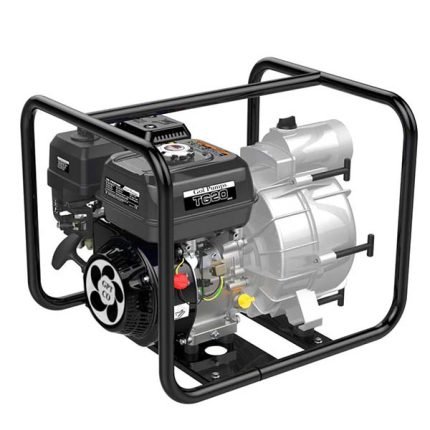
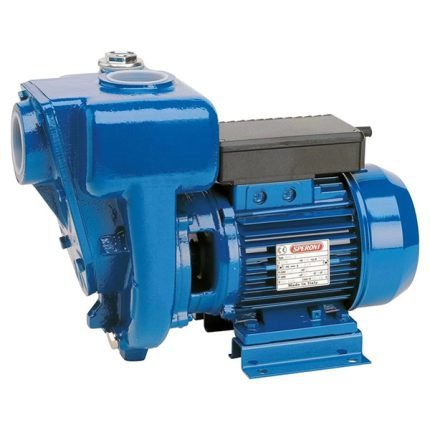
Trash Pumps
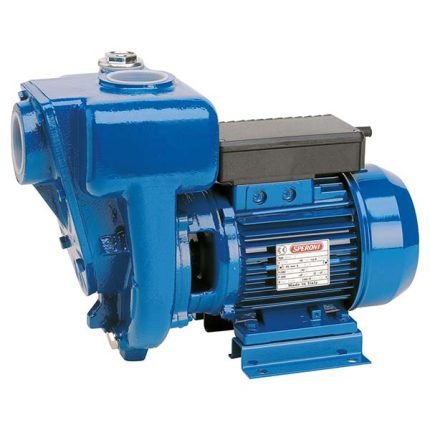
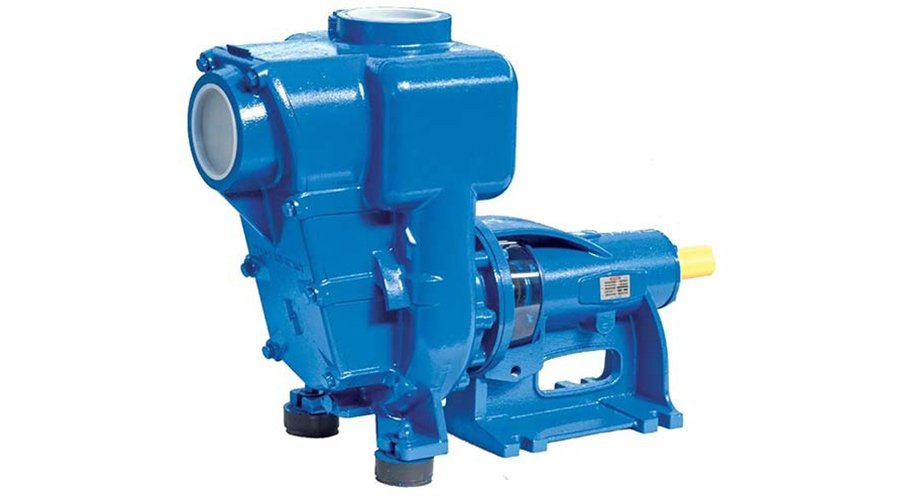
heavy duty trash pump | high volume trash pumps

Common Applications of Trash Pumps

Trash pumps are used in a wide range of industries and applications due to their ability to handle water with suspended solids. In construction and demolition, these pumps are essential for removing water from sites that are flooded with dirt and debris after heavy rains or excavation work. Whether it’s removing water from trenches or clearing debris-filled pits, trash pumps help ensure that work continues without delays.

In agriculture, trash pumps are commonly used for irrigation purposes, especially when the water source is contaminated with mud or leaves. These pumps ensure that the water supply remains consistent, even when natural sources contain debris. Trash pumps are also useful in mining and industrial operations, where slurry and debris often mix with water during extraction processes, requiring reliable, heavy-duty pumping solutions.

Another key application is in emergency flood control. Trash pumps are frequently deployed during natural disasters like floods, hurricanes, or heavy storms to quickly drain floodwaters from homes, streets, and fields. Their ability to move water filled with debris makes them a valuable tool for preventing water damage.

How to Choose the Right Trash Pump for Your Needs

Choosing the right trash pump involves assessing several factors, including flow rate, pump capacity, and the size of debris the pump will need to handle. When considering a trash pump, it’s essential to determine the gallons per minute (GPM) required for your project to ensure it matches your pumping needs. For larger applications, a pump with a higher GPM will be necessary to handle the water flow.

Another factor to consider is the pump’s head capacity, which refers to the maximum height the pump can lift water. This is particularly important for applications where water needs to be pumped over long distances or to higher elevations, such as in construction or flood relief operations.

It’s also important to look for pumps with the right inlet and outlet sizes. A trash pump’s inlet should be large enough to handle the size of the debris in the water. Additionally, considering the motor type (gas-powered, electric, or diesel) will help determine the mobility and power needed for your specific application.

Features to Look for in a High-Quality Trash Pump

A high-quality trash pump should have several features that make it more effective and durable in demanding conditions. One important feature is the impeller design. Pumps with vortex impellers are excellent at handling large solids and debris without clogging. This design is especially useful in environments where the water is highly contaminated with dirt, leaves, or small rocks.

Durability is another key factor. Look for trash pumps made from corrosion-resistant materials such as stainless steel or aluminum, as they are more likely to withstand harsh environments and last longer. Additionally, ensure that the pump has a self-priming feature, which allows it to start without manual priming, saving time and effort.

Another essential feature is the portability of the trash pump. Depending on the application, you might need a lightweight, portable pump that can be moved easily across job sites or to different locations. Look for pumps with handles, wheels, or skid mounts to ensure ease of transportation.

Trash Pumps vs. Standard Water Pumps: What’s the Difference?

While trash pumps and standard water pumps may appear similar, they serve distinct purposes. Trash pumps are specifically designed to handle water mixed with solid debris, while standard water pumps are generally used for pumping clean water or water with minimal contaminants. This makes trash pumps more suitable for demanding tasks such as dewatering construction sites, draining flooded areas, and managing slurry.

Another key difference lies in the impeller design. Trash pumps often feature larger, more robust impellers that are capable of passing debris without clogging, whereas standard pumps have smaller impellers designed for smoother water. This difference in design allows trash pumps to handle much thicker and more viscous water with suspended solids.

Energy efficiency is another area where trash pumps and standard pumps differ. Since trash pumps are often used in harsh conditions and require higher power to handle debris, they may consume more energy than standard pumps. However, the efficiency of modern trash pumps has improved with the introduction of variable speed models, helping reduce energy costs.

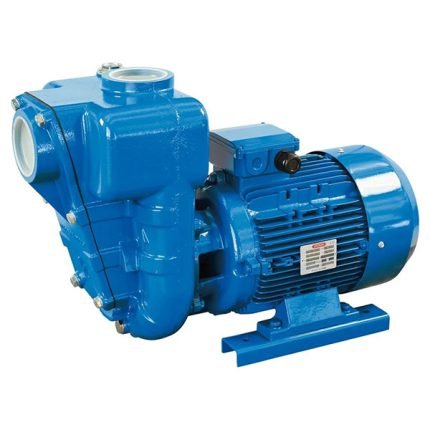
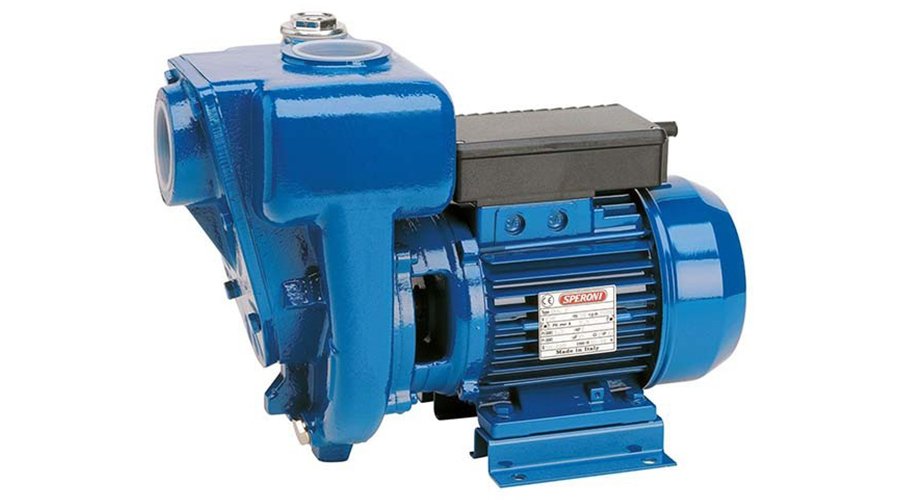
industrial trash pump | full trash water pump

Maintenance Tips to Keep Your Trash Pump in Top Condition

Proper maintenance is critical to extending the life and performance of your trash pump. One essential maintenance task is cleaning the pump’s intake and discharge ports regularly to prevent debris buildup. This ensures the pump doesn’t become clogged, which could lead to reduced efficiency or damage to internal components.

Another important aspect of trash pump maintenance is checking the impeller for wear and tear. Over time, impellers can degrade, especially when pumping abrasive materials. Regularly inspect the impeller to ensure it’s functioning optimally and replace it when necessary.

Lastly, ensure that you are performing routine oil and filter checks for gas-powered or diesel-driven models. These pumps require proper lubrication to prevent overheating and damage to the motor. Keeping up with these basic maintenance tasks will keep your trash pump running smoothly and reduce the need for costly repairs.

Common Problems with Trash Pumps and How to Fix Them

Trash pumps are durable, but they can still encounter issues from time to time. One common problem is clogging, especially if the pump is used to move large solids or debris. To fix this issue, you should inspect the intake screen and remove any debris that may be obstructing the flow of water. Regular cleaning can help prevent clogs from occurring.

Another issue that can arise is poor priming, which occurs when the pump fails to start or operate at full capacity. This problem can usually be resolved by ensuring the pump is properly primed and checking for air leaks in the intake line. Ensuring the pump is placed below the water level will also help with priming.

Lastly, motor overheating can happen when the pump is overworked or if there’s inadequate ventilation. To prevent this, ensure that the pump is operating within its recommended limits and that the motor is free from debris or blockages. Regular checks of the cooling system and motor components can prevent overheating.

How to Safely Operate a Trash Pump

Operating a trash pump safely involves understanding the potential risks and following proper procedures. Always wear protective gear, such as gloves and eye protection, when handling the pump, especially when dealing with debris-filled water. If the pump is powered by gas or diesel, ensure the fuel is stored properly and that the motor is not running in enclosed spaces to avoid carbon monoxide buildup.

Before starting the pump, check for any debris or clogs in the intake and ensure the pump is properly primed. Never operate a trash pump without checking that all connections, including hoses, are secure to prevent water leakage or the pump becoming disconnected during operation.

Finally, always follow the manufacturer’s operating guidelines and maintenance recommendations. Overworking the pump beyond its rated capacity can cause permanent damage. Ensure that you are using the appropriate size pump for your task and do not attempt to pump materials that exceed the recommended maximum solid size.