Price range: $482.99 through $496.99

Thin Submersible Well Pumps: A Space-Saving Solution for Deep Water Extraction

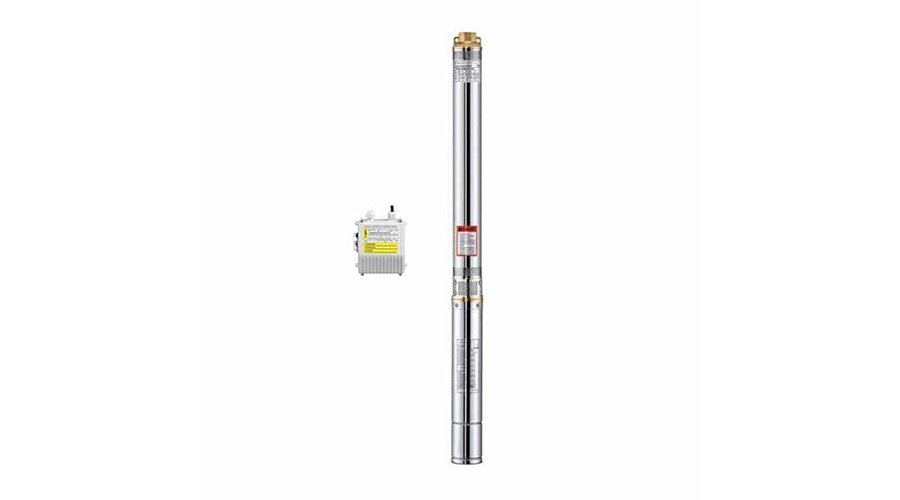
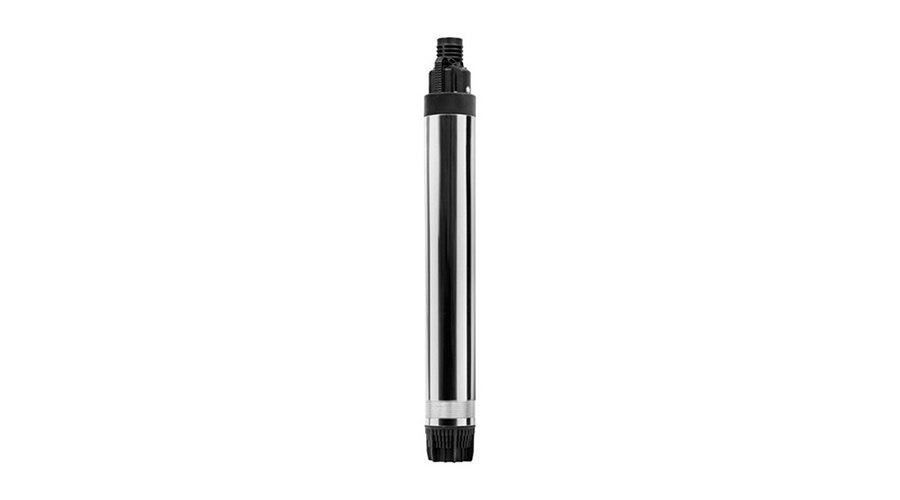
When well diameters are too narrow for traditional pumps, thin submersible well pumps—also called slimline submersible pumps—provide the ideal solution. These compact devices are specially engineered for use in small-diameter boreholes, typically under 4 inches, where regular submersible pumps cannot fit. Their slender design allows for efficient and reliable water extraction from deep and narrow wells.

These pumps are often used in residential, agricultural, and industrial settings, where space constraints or well construction limitations make standard pumps impractical. Despite their smaller size, thin submersible pumps offer impressive performance in terms of flow rate, energy efficiency, and depth capacity. Many models can reach depths of over 300 feet, making them highly suitable for deep well pumping.

In this comprehensive guide, we’ll break down the features, applications, and benefits of thin submersible pumps. From how they work to how to choose and maintain one, this article covers everything you need to know to make an informed decision.

What Is a Thin Submersible Well Pump?

A thin submersible well pump is a type of vertical pump designed to operate inside small-diameter wells, typically between 2 to 4 inches. Unlike surface or jet pumps, these are fully submerged in water and use electric motors to push water upwards through piping to the surface. This submerged design ensures a steady water supply and prevents pump cavitation, which is common in above-ground systems.

These pumps are often constructed from corrosion-resistant materials like stainless steel or thermoplastics, ensuring long-term durability in underground and high-moisture environments. They’re especially popular in wells that were drilled with limited diameters due to cost-saving measures or geological constraints.

Because they are narrower than standard submersible pumps, they can be installed in tight spaces without compromising on depth or efficiency. Their compact design doesn’t affect the pump’s ability to deliver high pressure and consistent water flow, making them ideal for both residential and agricultural use.

Why Choose a Thin Submersible Pump for Narrow Boreholes?

When your well casing has a diameter smaller than 4 inches, many standard pump systems are simply too large. Thin submersible pumps solve this problem by offering a space-efficient solution that fits comfortably inside narrow boreholes. They allow homeowners and engineers to fully utilize existing well infrastructure without costly modifications.

Beyond just fitting into small spaces, these pumps also provide quiet and vibration-free operation. Because they’re submerged, they operate with less noise and heat output than surface-mounted systems. This makes them a great choice for homes, remote cabins, or any location where noise reduction is a priority.

Additionally, thin submersible pumps offer superior energy efficiency. Since they push water upward instead of pulling it from the surface, they reduce energy loss and wear on the motor. This is particularly beneficial for deep well setups, where maintaining pressure with minimal energy input is essential.

Submersible Pump
small diameter submersible pump | small diameter submersible well pump | smallest diameter submersible well pump

Key Features and Specifications of Thin Submersible Well Pumps

Thin submersible well pumps come in various specifications to suit different well depths and water flow needs. The most common sizes range from 2 inches to 3.5 inches in diameter, with power ratings typically between 0.5 to 2 horsepower. Flow rates can vary from 5 to 25 gallons per minute (GPM), depending on the model and depth.

These pumps often feature multi-stage impellers, which help build up pressure as water is pushed upward from deep underground. The materials used—such as stainless steel shafts, brass outlet heads, and thermoplastic diffusers—are selected for both strength and corrosion resistance. This makes them durable in challenging conditions, including mineral-rich or slightly acidic water.

Most models also include thermal overload protection, built-in check valves, and sand-resistant construction, which help extend their lifespan. When shopping for a thin submersible pump, it’s important to match the pump specs to your well diameter, static water level, and household or irrigation demand.

Common Applications of Slim Submersible Pumps

Thin submersible pumps are used in a wide range of scenarios where space or access limitations exist. In residential settings, they’re often installed in narrow wells for household water supply, especially in rural areas where well diameters are kept small to save on drilling costs.

In agriculture, slimline pumps are used to draw water from deep, narrow boreholes to irrigate crops, water livestock, or fill storage tanks. Their reliability and ability to operate in remote locations make them an ideal choice for solar-powered or off-grid pumping systems.

Industrial use cases include groundwater monitoring, geothermal wells, and portable dewatering systems. Thanks to their compact size and rugged design, thin submersible pumps are favored in projects where larger equipment cannot be deployed due to space constraints or terrain.

Top Advantages of Using Thin Submersible Pumps

The most obvious advantage of thin submersible pumps is their ability to fit in narrow wells, but the benefits don’t stop there. These pumps are also incredibly efficient and cost-effective, often delivering high performance with lower energy usage compared to other pump types.

Their design minimizes noise and requires less frequent maintenance due to the sealed, submerged operation. There’s no need for priming or complex surface infrastructure, which means installation is simpler and faster—an advantage for both contractors and DIY homeowners.

Additionally, these pumps are highly durable and corrosion-resistant, with many models built to withstand sediment, sand, and varying water chemistry. This makes them a long-term investment that pays off with reduced servicing costs and consistent, reliable operation.

How to Select the Right Thin Submersible Pump for Your Well

Choosing the right thin submersible pump requires a clear understanding of your well specifications and water needs. Start by measuring the well casing diameter, the static water level, and the required lift height—the vertical distance from the pump to the highest point of water delivery.

You’ll also need to calculate the flow rate required for your household or application. For example, a small home may need 8–12 GPM, while an irrigation system may demand significantly more. Choosing a pump with the right GPM and pressure output is crucial to avoid motor strain or water shortages.

Finally, consider the pump’s motor size, energy efficiency rating, and warranty. Opt for trusted brands with a history of reliable performance in thin well applications. Reading product reviews and consulting with a pump specialist can also help you make the most informed decision.

small submersible well pump | buy submersible well pump | best rated submersible well pumps

Installation Tips for Maximum Pump Performance

Proper installation is essential for the performance and longevity of your thin submersible pump. Begin by using the correct drop pipe—typically polyethylene (PE) or PVC—with a matching diameter and pressure rating. Secure the pump with nylon safety rope and install a torque arrestor to minimize vibration.

A high-quality check valve is crucial to prevent backflow, especially in deep well systems. It’s often recommended to place additional check valves every 200 feet in very deep wells. Also, make sure the electrical wiring is properly sealed and rated for submersible use to avoid short circuits or power losses.

Before lowering the pump into the well, test it briefly in a bucket or barrel to ensure everything is functioning correctly. Once installed, monitor the system for any unusual noise, pressure drops, or flow fluctuations in the first few days of operation.

Maintenance and Troubleshooting for Thin Well Pumps

Although thin submersible pumps are relatively low-maintenance, regular inspections are recommended to keep the system running smoothly. Check for any signs of reduced water pressure, short cycling, or unusual noise, which could indicate impeller wear or clogged screens.

It’s essential to monitor the control box, pressure switch, and capacitor if the pump operates inconsistently or fails to start. Electrical components can degrade over time, especially in areas with power surges or unstable voltage.

If sediment or debris buildup is a concern, consider installing a well screen or sediment filter to protect the pump. In case of severe issues, removing the pump for cleaning or replacement may be necessary—so keeping detailed installation notes will help during any future servicing.

Thin Submersible Pump vs. Jet Pump: Which Is Better for Your Needs?

While both pump types can extract water from wells, their mechanisms and ideal use cases differ significantly. Jet pumps are typically mounted at the surface and work by creating suction to pull water up, which limits them to shallow wells under 25 feet deep.

Thin submersible pumps, in contrast, push water upward and can function efficiently in wells several hundred feet deep. This makes them a far better choice for narrow or deep installations, especially where high pressure and consistent flow are essential.

In terms of energy usage, thin submersible pumps are more efficient over long distances and deeper applications. They also tend to require less maintenance and are quieter, making them ideal for homes, farms, and remote areas.

Future Innovations in Thin Well Pump Technology

The future of thin submersible pumps lies in smart technology and sustainable energy integration. Manufacturers are increasingly incorporating IoT-enabled sensors that allow for real-time monitoring, predictive maintenance alerts, and remote control of pump operations.

Solar-powered slimline pumps are also gaining traction, especially in off-grid or eco-conscious settings. These systems combine thin submersible pumps with solar panels and controllers, offering zero-emission water extraction even in the most remote regions.

Material advancements, such as carbon fiber and advanced polymers, are making thin pumps more durable and resistant to extreme conditions. As demand for compact, efficient, and intelligent water pump solutions grows, thin submersible well pumps are poised to lead the next wave of water infrastructure innovation.