Showing 1–12 of 13 resultsSorted by price: high to low
Immersible Coolant Pumps: Reliable Fluid Handling for Industrial Applications
In machining and manufacturing, temperature control and lubrication are vital to maintaining tool life and production accuracy. That’s where immersible coolant pumps play a crucial role. These specialized water pumps are designed to be partially or fully submerged in coolant tanks, offering efficient fluid movement directly from the source to the machine.
Unlike submersible or external pumps, immersible pumps operate directly from within the fluid reservoir, minimizing external piping, reducing the chance of leakage, and conserving space. This makes them highly suitable for metalworking operations such as grinding, milling, and CNC machining, where consistent coolant flow is essential.
Their durability, low maintenance needs, and ease of installation make immersible coolant pumps a favorite among workshop managers and industrial engineers. In this article, we’ll explore their features, applications, advantages, and how to choose the best one for your setup.
What Is an Immersible Coolant Pump?
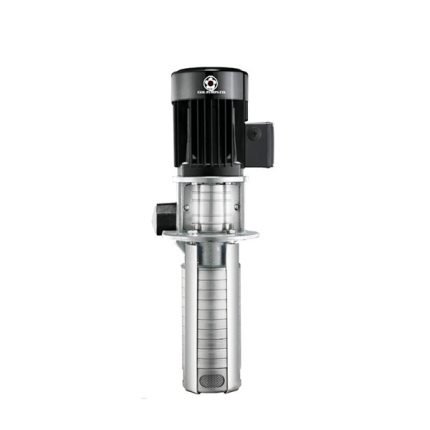
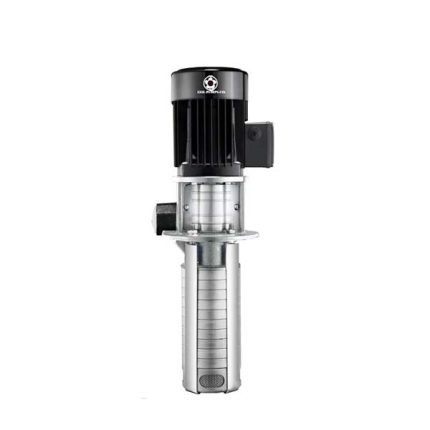
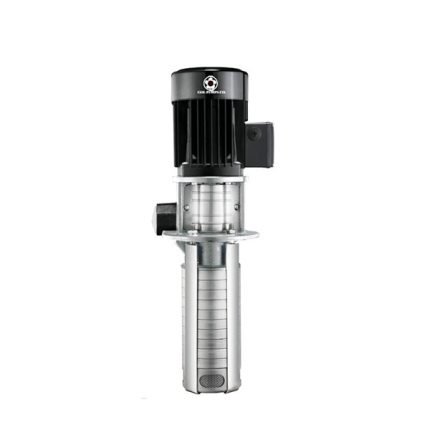
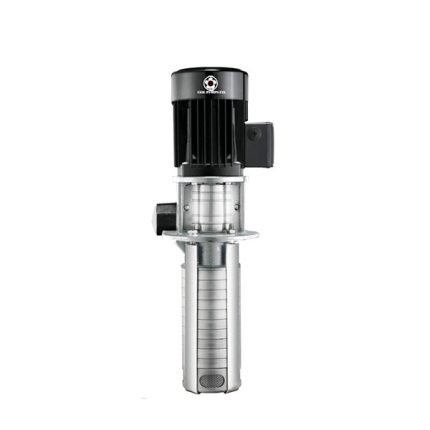
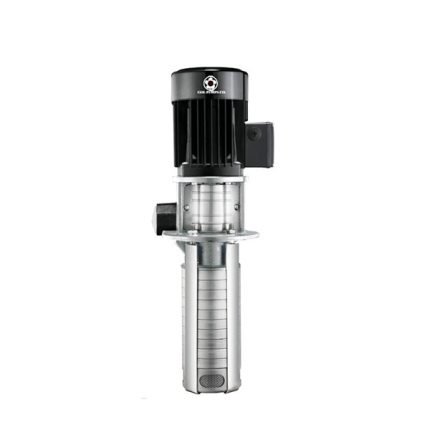
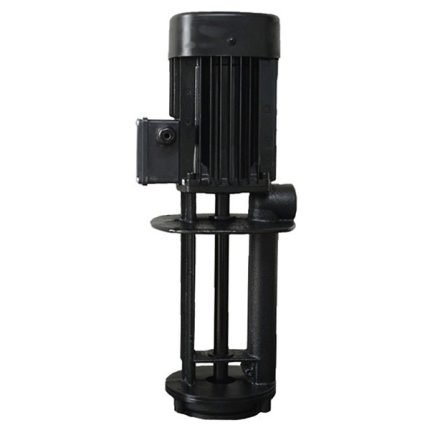
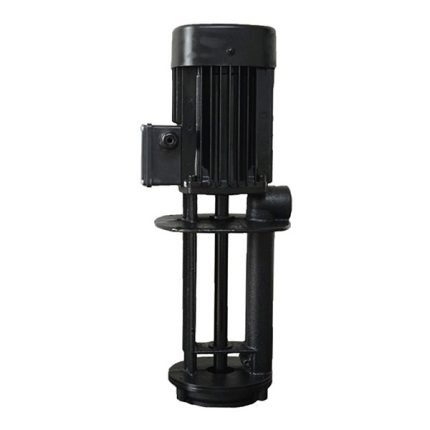
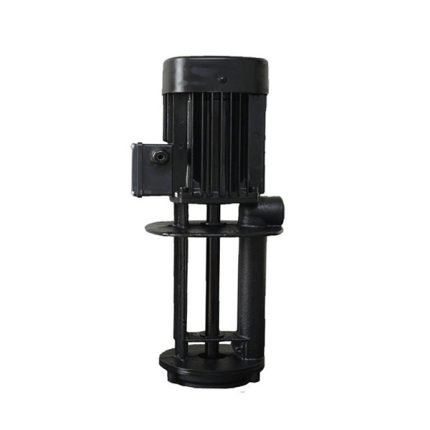
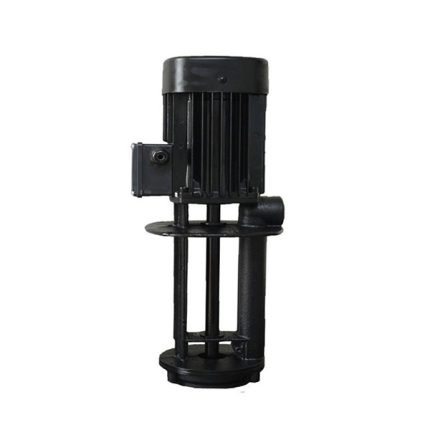
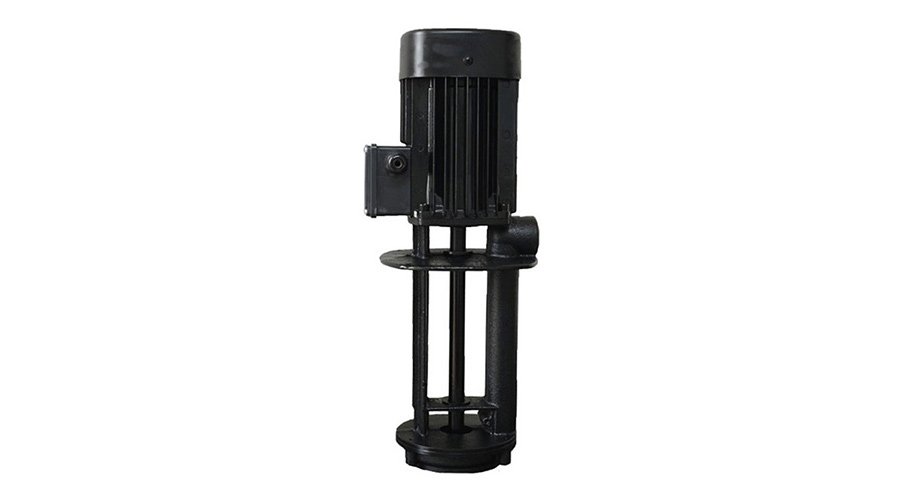
An immersible coolant pump is a fluid transfer device designed to operate while being partially or fully immersed in the coolant liquid. Typically mounted on the side or top of a tank, the motor remains above the fluid, while the impeller and suction end are submerged.
The unique configuration allows it to deliver high-flow rates directly to the point of operation without additional pipework or suction lifting. Immersible pumps are particularly beneficial in machine tools where coolant must be delivered quickly and continuously during high-speed cutting or grinding. By placing the pump directly in the coolant tank, these systems reduce noise, save valuable floor space, and ensure stable performance even under demanding working conditions.
How Do Immersible Pumps Work in Coolant Systems?
Immersible coolant pumps operate by drawing fluid from the tank using an impeller located at the submerged end. The impeller creates centrifugal force, which pushes the coolant through the system and directs it to the cutting area of a machine.
The motor sits above the coolant level, protected from heat and contaminants. This design minimizes the risk of electrical failure while simplifying access for maintenance. The pump continuously cycles coolant, removing heat from the cutting tool and workpiece.
Efficient coolant circulation prevents material deformation, improves chip evacuation, and prolongs both tool and machine life. For industries relying on precision, immersible pumps offer consistent flow without interruptions.
Key Features of High-Quality Immersible Coolant Pumps
Top-tier immersible pumps are built using corrosion-resistant materials such as stainless steel, cast iron, or high-grade plastic. This ensures durability, especially when handling aggressive or abrasive coolants.
Most models feature thermal overload protection, ensuring the motor shuts off in case of overheating, which helps prevent costly damage. Advanced designs may also include anti-clog impellers, seal-less configurations, and low-noise operation.
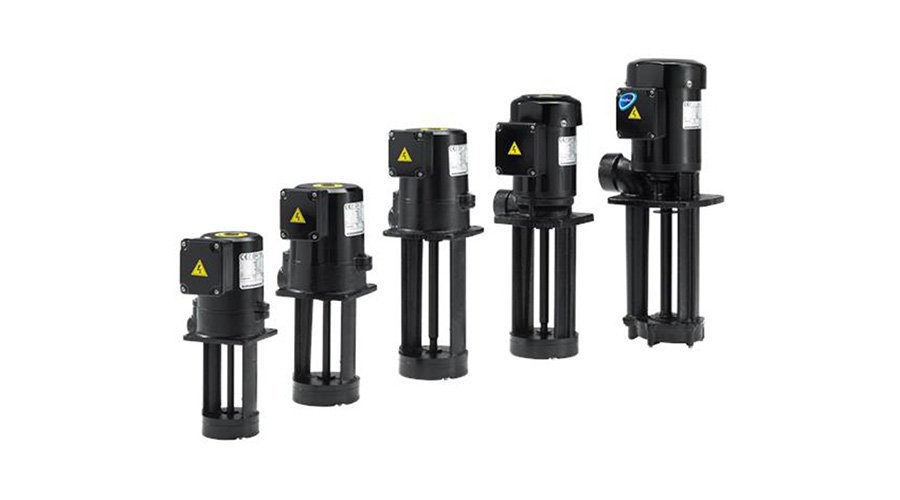
Additional specifications to look for include adjustable flow rates, modular lengths (to match tank depth), and compatibility with different fluid viscosities. These features collectively ensure optimal performance in a variety of demanding industrial environments.
Benefits of Using Immersible Pumps in Industrial Settings
One major benefit of immersible coolant pumps is space efficiency. Since the pump is partially inside the fluid tank, it doesn’t require separate floor space or external enclosures. This is especially useful in compact machine setups.
These pumps also have fewer moving parts exposed to the air, reducing the chances of leaks and contamination. With their submerged design, they require minimal priming and often begin working as soon as the machine starts.
Additionally, immersible pumps are energy-efficient, thanks to direct cooling from the fluid and minimal friction losses. Their straightforward design means lower maintenance costs and quicker service turnaround.
Common Applications of Immersible Coolant Pumps
Immersible pumps are commonly used in CNC machines, grinding systems, turning centers, and metal lathes. They ensure a consistent flow of coolant, which is vital for keeping tooling cool and workpieces within dimensional tolerance.
They’re also found in filtration systems where coolant must be cleaned and recirculated. The high flow rate and ability to handle particulate matter make them perfect for this purpose.
Other applications include laser cutting systems, hydraulic tanks, and industrial washing equipment. Anywhere coolant or cleaning fluid must be cycled reliably, an immersible pump is a trusted solution.
Immersible Pump vs Submersible Pump: Key Differences
While both pump types can operate in fluid environments, immersible pumps have motors positioned above the fluid surface, whereas submersible pumps are entirely submerged. This difference significantly affects maintenance and application areas.
Immersible pumps are generally easier to inspect and maintain since their motors are accessible. They’re also preferred in environments where avoiding motor contact with hot or corrosive fluids is important.
On the other hand, submersible pumps excel in deep-well or flood scenarios where full immersion is needed. For coolant systems in manufacturing, immersible pumps offer the ideal mix of efficiency, accessibility, and reliability.
How to Select the Right Immersible Coolant Pump
Choosing the right immersible pump starts with evaluating tank depth, flow rate requirements, and coolant type. Make sure the pump shaft is long enough to reach your desired fluid level without risking dry running.
Consider the viscosity and temperature of your coolant. Some pumps are designed for water-based coolants, while others handle heavier oils or cutting fluids. Look for compatibility to avoid damage or inefficiency.
Finally, check for features like thermal protection, easy installation, and adjustable discharge height. Investing in a quality brand with after-sales support ensures long-term satisfaction and performance.
Installation Tips for Immersible Pumps
Proper installation begins with securing the pump vertically on the tank opening, ensuring the suction side is fully submerged. Use supplied mounting plates and gaskets to avoid vibrations and leaks.
Make sure the motor is shielded from coolant splashes and that electrical connections meet local safety standards. Use flexible hoses to reduce vibration transfer and prevent rigid piping stress.
Before initial operation, verify that the impeller is clear of debris. Run the pump briefly to ensure proper flow and check for any air bubbles, which can cause cavitation and reduce performance.
Maintenance Tips and Troubleshooting for Immersible Pumps
Routine maintenance includes cleaning the impeller and housing, checking seals, and inspecting for signs of overheating or wear. If you notice a drop in flow rate, remove and clean the pump intake to remove any clogging particles.
Unusual noise or vibration may indicate impeller imbalance or motor misalignment. Shut the pump off and inspect all moving parts. Replace worn components with OEM-approved spares for best performance.
For motors with thermal overload protection, allow time to cool if the pump shuts off unexpectedly. Keeping a simple inspection checklist can help prolong the life of your pump and avoid unplanned downtime.
Innovations and Future Trends in Immersible Pump Technology
Modern immersible pumps are increasingly being integrated with IoT-enabled sensors that monitor temperature, vibration, and flow rate in real-time. These “smart pumps” help identify issues before they become critical.
Another emerging trend is the use of energy-efficient EC motors, which consume less electricity and offer variable speed control based on load demand. This not only saves power but extends motor lifespan.
Sustainable manufacturing practices are also driving the design of recyclable components and eco-friendly materials, making immersible pumps more environmentally responsible. The future of fluid management is not only efficient but also intelligent and green.