Drainage Pumps: Efficient Solutions for Water Removal

Drainage pumps are essential tools designed for the removal of water from areas prone to flooding, construction sites, basements, and other spaces that accumulate excess water. As a subcategory of water pump, drainage pumps are specifically engineered to handle water from low-lying areas, preventing damage to properties and ensuring efficient water management. These pumps are capable of managing clean water, light debris, and sometimes even water with smaller solids, making them ideal for residential, commercial, and industrial applications.

In this article, we’ll dive into the types of drainage pumps, their uses, benefits, and how to choose the right drainage pump for your specific needs. Whether you’re looking to prevent basement flooding or manage stormwater runoff, understanding the functionality of drainage pumps can help you make an informed decision and achieve optimal performance.

What Are Drainage Pumps and How Do They Work?

Drainage pumps are mechanical devices used to remove water from areas where it has accumulated. These pumps are designed with the purpose of removing excess water from low-lying areas such as basements, construction sites, or outdoor trenches. Unlike other types of pumps, drainage pumps are often used in situations where the water is relatively clean, or contains minimal debris.

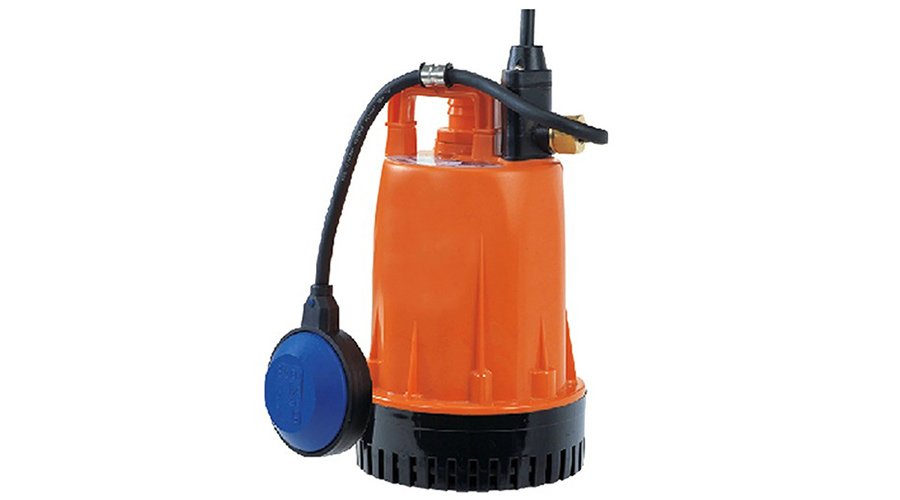
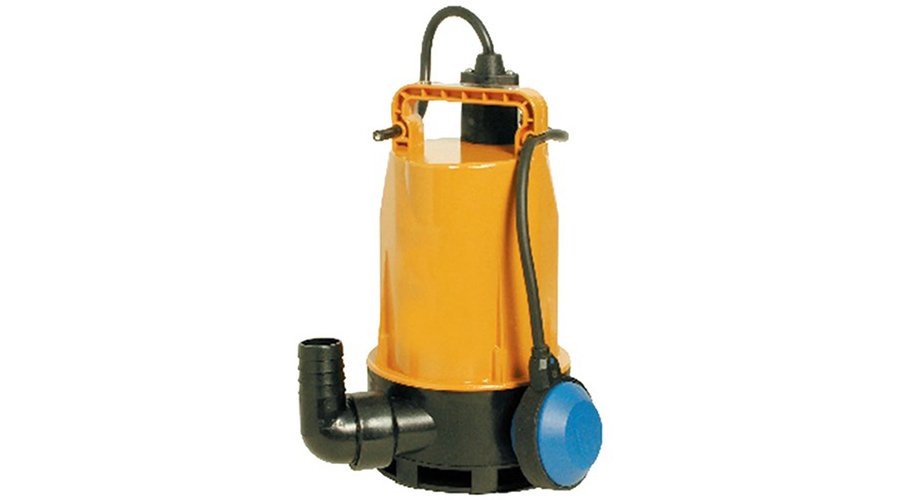
Typically, drainage pumps consist of a motor, impeller, and discharge pipe, which work together to remove water. The motor powers the impeller, which then pushes water through the discharge pipe to a designated area such as a drain or sewer system. The pump’s capacity to manage different water volumes is critical, and it is determined by factors such as flow rate (GPM) and lift height.

By offering reliable water removal, drainage pumps help prevent the potential damage that excess water could cause, particularly in areas prone to flooding or waterlogging.

Trash Pumps
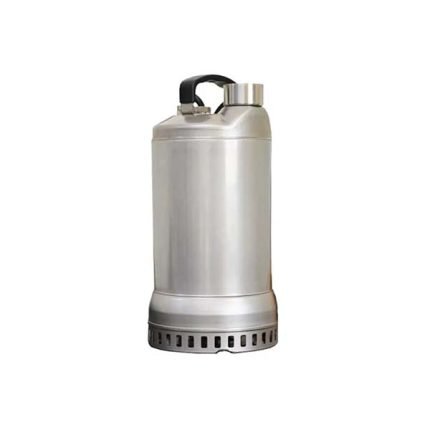
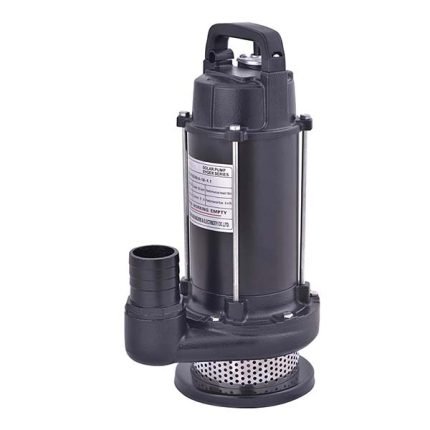
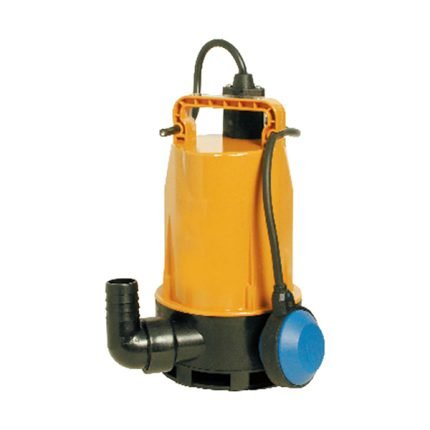
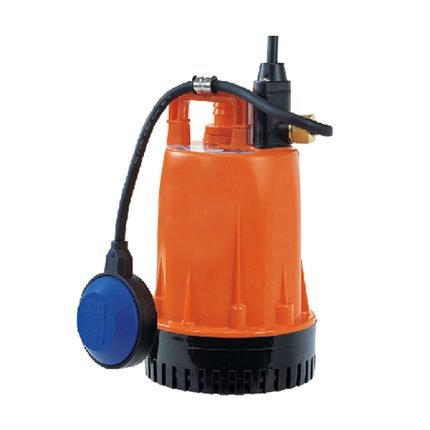
water pump for drainage | water drainage pump | drainage pump system

Key Benefits of Using Drainage Pumps

Drainage pumps come with several key advantages, making them indispensable for homeowners, businesses, and industries alike. One of the primary benefits is the prevention of flooding. In areas that are prone to heavy rainfall or poor drainage systems, a drainage pump can quickly remove water and keep basements, yards, or work areas dry, avoiding significant water damage.

Another benefit is their efficiency. Drainage pumps are specifically designed for water removal, meaning they can handle large volumes of water much more efficiently than manual methods like sump pumps or buckets. This makes them ideal for large-scale jobs, such as dewatering construction sites or draining a flooded parking lot.

Drainage pumps are also generally cost-effective. Because they are designed for specific, non-contaminated water removal, they are often more affordable than other water pumps like trash pumps, which are built to handle more challenging debris-laden water.

Types of Drainage Pumps: Submersible vs. Non-Submersible

There are two main types of drainage pumps: submersible and non-submersible. Each has its own advantages depending on the situation.

Submersible drainage pumps are designed to be submerged in the water they are pumping. These pumps are typically more efficient at removing water and can handle higher volumes, making them ideal for situations like flooded basements or construction dewatering. They are usually self-priming and can operate continuously without needing to be manually primed, saving time and effort.

Non-submersible drainage pumps, on the other hand, are typically mounted above the water. These pumps are often used for smaller jobs or applications where it’s not feasible to submerge the pump. While they may not be as powerful as submersible models, non-submersible pumps can still provide effective water removal, especially in situations where water depth is minimal.

Choosing between submersible and non-submersible models depends on the water removal capacity required, the nature of the environment, and whether the pump will be operating for extended periods.

Common Applications of Drainage Pumps

Drainage pumps are used in a variety of industries and residential settings. Basement drainage is one of the most common applications, as homeowners often rely on drainage pumps to prevent water accumulation and flooding in their basements. For construction projects, drainage pumps are used to remove groundwater that accumulates on construction sites, ensuring that work can continue uninterrupted.

In agriculture, drainage pumps are often used for field drainage to remove excess water from agricultural land. In commercial settings, drainage pumps are utilized for stormwater management and dewatering operations, where large amounts of water need to be removed from areas like parking lots, roads, or outdoor event spaces. Their ability to handle clean water and prevent flooding makes them ideal for managing water in these environments.

Additionally, drainage pumps are employed for draining swimming pools, fountains, or ponds, making them versatile across various fields.

How to Choose the Right Drainage Pump for Your Needs

When selecting a drainage pump, there are several factors you should consider to ensure you choose the right model for your specific requirements.

  • Flow Rate (GPM): One of the most important features to assess is the flow rate, which determines how much water the pump can move within a certain time frame. If you need to remove large amounts of water quickly, look for a pump with a high GPM rating.
  • Head Height: The head height refers to the height the pump can push water. For example, if you need to move water vertically over a higher elevation, ensure that the pump you choose has a sufficient head height rating.
  • Power Source: Consider whether you need an electric or gas-powered drainage pump. Electric pumps are more convenient for indoor use, whereas gas-powered pumps are more suitable for outdoor, high-demand applications.
  • Portability: Depending on whether you need to transport the pump or leave it in place for extended periods, assess the weight and ease of mobility of the model you choose.
water drainage pumps | agricultural drainage pumps

The Importance of Pump Maintenance for Longevity

Proper maintenance is essential for ensuring that your drainage pump operates efficiently and lasts for many years. One key aspect of maintenance is to regularly clean the pump’s intake screen and discharge pipe to remove any dirt, debris, or clogs that may hinder performance.

In addition, it’s important to inspect the motor and electrical components of the pump (for electric models) to ensure they are functioning properly. For gas-powered models, check the fuel and oil levels regularly, and clean or replace the air filters as necessary.

When not in use for extended periods, be sure to store the pump properly, keeping it in a dry area and ensuring all components are free from moisture. Periodic inspections and preventive care will help you avoid costly repairs and keep the pump running smoothly when you need it most.

Drainage Pump Troubleshooting: Common Problems and Fixes

Even the most reliable drainage pumps can encounter issues over time. Some common problems include clogging of the intake or discharge lines, which can be caused by debris, dirt, or foreign objects entering the pump. To fix this, regularly clean the intake screen and hoses to ensure proper water flow.

Another issue may be the pump failing to prime or start. This could be caused by air entering the pump, so check for leaks or gaps in the intake hose and make sure it is fully submerged in water if using a submersible model. If the pump still doesn’t start, check the motor or electrical connections for any signs of damage or malfunction.

Overheating is another common problem, especially for gas-powered pumps. If the motor becomes too hot, check for any blockages or ensure that the pump is not being overworked by exceeding its rated capacity.

Energy Efficiency of Drainage Pumps

When considering a drainage pump for your needs, energy efficiency is an important factor to keep in mind. Electric drainage pumps are generally more energy-efficient than gas-powered pumps, especially for residential or small-scale use. Look for models with energy-saving features such as variable speed motors or automatic shut-off mechanisms that prevent the pump from running when not needed.

For larger-scale commercial or industrial applications, high-efficiency models are available that are designed to handle large volumes of water with minimal energy consumption. Choosing an energy-efficient model not only helps reduce operational costs but also contributes to a more eco-friendly operation.

How Drainage Pumps Contribute to Flood Prevention

One of the most important roles of drainage pumps is their contribution to flood prevention. During heavy rainfall or storms, drainage pumps play a crucial role in preventing water from accumulating in low-lying areas that are prone to flooding. By quickly removing excess water, drainage pumps help reduce the likelihood of property damage, erosion, and contamination.

In areas with inadequate drainage systems, drainage pumps act as a safeguard against stormwater buildup. For example, in agricultural regions, the timely removal of excess water can protect crops from waterlogging and ensure the land remains arable. Similarly, in urban areas, drainage pumps help protect buildings and roads from damage by keeping water levels under control.