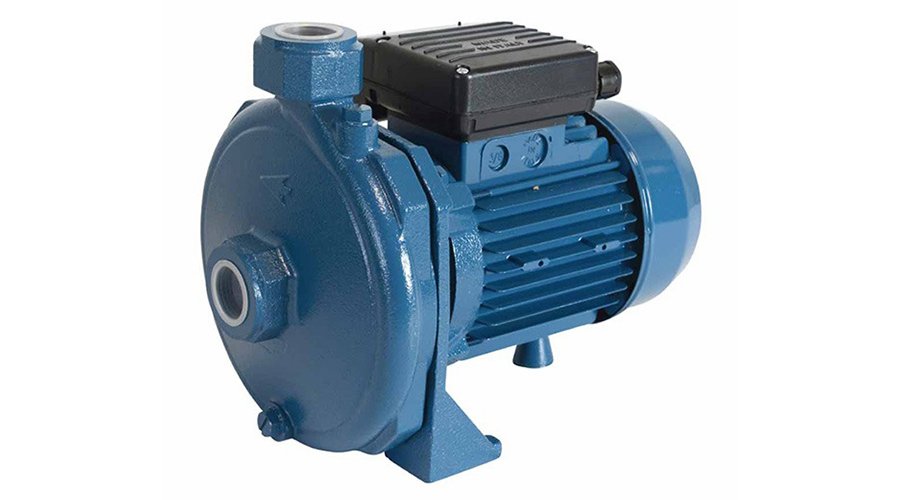

Centrifugal Pumps: The Workhorses of Water Movement in Industrial and Domestic Applications

Centrifugal pumps are one of the most commonly used types of water pump in both industrial and residential settings. They are known for their efficiency, durability, and simple operation, making them a reliable solution for moving fluids in a wide range of applications. From agriculture to HVAC systems, these pumps play a vital role in fluid handling systems across various industries.

At the core of a centrifugal pump’s operation is the use of centrifugal force. By converting mechanical energy from a motor into kinetic energy in the fluid, the pump creates a flow that moves liquids from one point to another. Their design typically includes an impeller that rotates within a casing, creating pressure and flow through the system. This simplicity makes centrifugal pumps easy to install, operate, and maintain.

In this article, we will explore everything you need to know about centrifugal pumps—from how they work and their key components to their many applications and how to choose the right model. With the right pump, you can ensure energy efficiency, minimal maintenance, and optimal fluid flow for your system.

What Is a Centrifugal Pump and How Does It Work?

A centrifugal pump operates using the principle of centrifugal force. The pump consists of an impeller, which is a rotating disk with vanes that accelerate fluid outward from the center. When fluid enters the pump near the center of the impeller, the rotation pushes it outward to the edge of the casing. This motion increases the fluid’s velocity, converting mechanical energy into kinetic energy.

As the high-speed fluid leaves the impeller, it enters the volute or diffuser, where the kinetic energy is converted into pressure energy. This transformation allows the fluid to be transported efficiently through the piping system. This process is continuous, making centrifugal pumps ideal for applications requiring a steady flow of liquid.

Centrifugal pumps are commonly powered by electric motors or internal combustion engines, making them adaptable to various environments. Their simple mechanism and fewer moving parts compared to other pump types mean they generally require less maintenance and offer reliable, long-lasting performance.

Main Components of a Centrifugal Pump

The core component of any centrifugal pump is the impeller. This rotating element is responsible for imparting velocity to the fluid. Impellers can be open, semi-open, or enclosed, each offering different advantages depending on the type of fluid being pumped. The shape and design of the impeller greatly influence the pump’s efficiency and performance.

Another essential component is the pump casing, which surrounds the impeller and collects the fluid after it has been accelerated. The casing is usually volute-shaped to efficiently convert the fluid’s kinetic energy into pressure. It also directs the fluid toward the discharge point while protecting the internal components from damage and corrosion.

Additional parts include the shaft, bearings, mechanical seals, and couplings. The shaft connects the impeller to the motor and must be precisely aligned to prevent vibration and wear. Bearings support the shaft, and seals prevent leaks at the point where the shaft exits the casing. Each part plays a critical role in ensuring the centrifugal pump operates smoothly and efficiently.

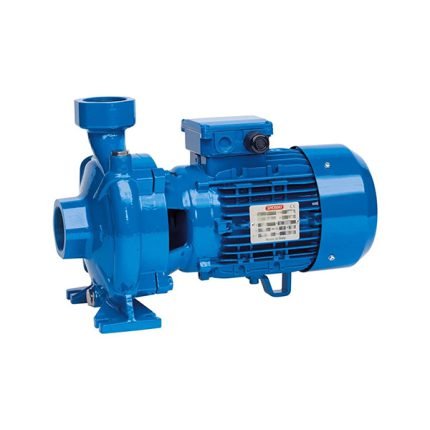
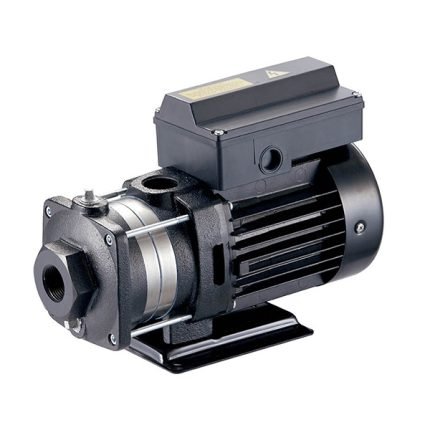
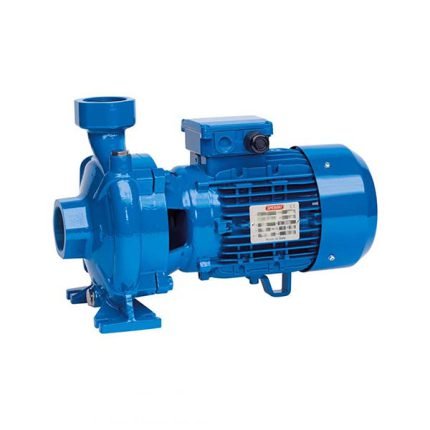
Centrifugal Pump
centrifugal pump manufacturer | centrifugal water pumps | centrifugal pump price

Key Advantages of Using Centrifugal Pumps

One of the most significant benefits of centrifugal pumps is their ability to provide a continuous and consistent flow of liquid. This makes them ideal for operations that require steady fluid transfer over long periods. Their smooth flow output also reduces pulsation, which can be a concern in some sensitive industrial processes.

Centrifugal pumps are known for their energy efficiency, especially in systems where the flow rate remains relatively constant. Because of their design simplicity, they can operate at high speeds with minimal energy loss. This efficiency translates to lower operating costs over time, making them an economical choice for many industries.

Additionally, these pumps are relatively easy to install, maintain, and repair. With fewer moving parts and a straightforward construction, issues can be diagnosed and resolved quickly. Their scalability and adaptability to various fluid types and system demands also add to their appeal across diverse applications.

Common Applications of Centrifugal Pumps

Centrifugal pumps are utilized across a broad range of industries due to their versatility and efficiency. One of the most common applications is in water supply systems, where they are used to move water through pipelines to homes, businesses, and agricultural sites. In addition, they are crucial in wastewater treatment plants, where they help transport water and sewage through filtration systems for processing and eventual discharge or reuse.

In the agriculture sector, centrifugal pumps are extensively used for irrigation. Their ability to handle large volumes of water makes them ideal for ensuring crops receive sufficient water, especially during dry spells. These pumps also power sprinkler systems, which are employed in both agriculture and landscaping, ensuring that lawns and gardens are adequately hydrated.

Another significant application of centrifugal pumps is in heating, ventilation, and air conditioning (HVAC) systems. These pumps circulate water or other fluids through the system, helping maintain temperature regulation in residential, commercial, and industrial buildings. Their reliability and cost-effectiveness make them indispensable in maintaining climate control and fluid circulation in these systems.

Types of Centrifugal Pumps

Several types of centrifugal pumps are designed to cater to specific applications and requirements. The end-suction centrifugal pump is the most common type, used in a wide range of applications from water supply to HVAC systems. This pump features a single suction port and is relatively simple, making it cost-effective and easy to maintain.

Vertical centrifugal pumps are another type widely used in situations where space is limited. These pumps have a vertically oriented shaft and are typically employed in sump drainage, high-rise building water supply systems, and industrial wastewater management. Their space-saving design makes them ideal for environments where horizontal space is unavailable.

Self-priming centrifugal pumps are specialized models that are designed to remove air from the suction line. This allows them to work in applications where the pump is located above the water source, such as sewage pumping or shallow well pumping. They are particularly useful in systems that require continuous priming to avoid the risk of cavitation.

Factors to Consider When Choosing a Centrifugal Pump

Choosing the right centrifugal pump for your application is crucial to ensure optimal performance. One of the first factors to consider is the required flow rate. The flow rate indicates how much fluid needs to be moved within a certain period, and it’s essential to match the pump to the system’s specific needs to avoid underperformance or overloading.

Another important consideration is the total dynamic head (TDH), which refers to the total height the pump needs to lift the fluid and the resistance the system presents to the flow. By understanding the TDH, you can select a pump with the appropriate pressure capabilities to ensure efficient fluid transport. Accurate head calculations are necessary to prevent pump inefficiency or system failure.

Finally, the type of fluid being pumped is a critical factor. For example, if the fluid is abrasive, contains solids, or has a high viscosity, it may require a centrifugal pump made from special materials, such as corrosion-resistant alloys. This ensures the longevity of the pump and minimizes the risk of damage due to the harsh characteristics of the fluid.

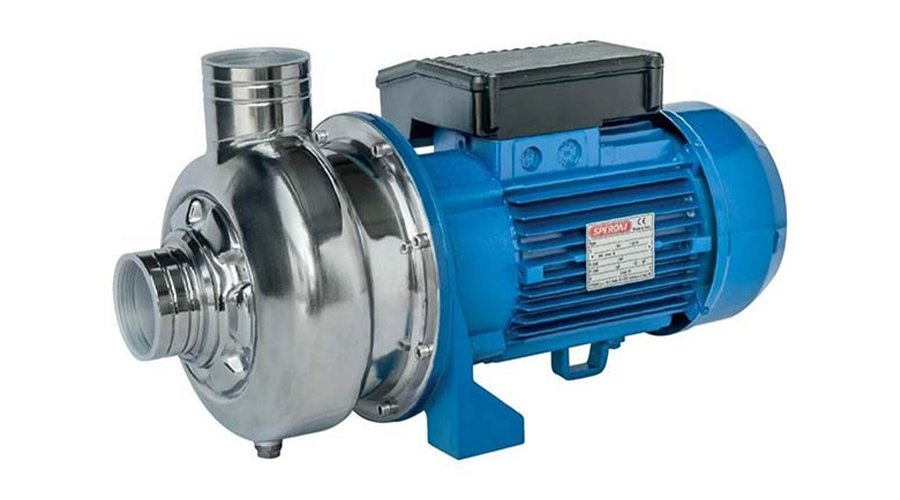
Water Pumps
centrifugal water pump price | electric centrifugal water pump

How to Maintain a Centrifugal Pump

Maintaining a centrifugal pump is key to ensuring it operates efficiently over time. Regular inspections should be conducted to check for leaks, vibrations, and unusual sounds, which can indicate wear or malfunctioning components such as seals, bearings, or the impeller. Early detection of problems can prevent costly repairs and unplanned downtime.

Lubrication is another vital aspect of pump maintenance. Bearings need to be lubricated regularly to reduce friction and wear, preventing overheating or failure. Following the manufacturer’s recommended lubrication schedule and using the correct type of lubricant is essential to ensure the pump’s smooth operation and avoid premature breakdowns.

Additionally, periodic cleaning of the pump and its components is necessary to maintain its efficiency. Over time, debris, dirt, and sediment can build up inside the pump, clogging parts and reducing its ability to move fluids efficiently. Regular cleaning helps prevent blockages and wear, allowing the pump to run at optimal performance levels for longer periods.

Troubleshooting Common Centrifugal Pump Issues

Several issues can arise with centrifugal pumps, but knowing how to troubleshoot these problems can help you address them swiftly. One common problem is cavitation, which occurs when air bubbles form in the fluid. This leads to significant damage to the impeller and loss of performance. To prevent cavitation, ensure the pump is operating under the correct suction pressure and flow rate.

Another common issue is insufficient flow or low pressure. This can be due to blockages in the suction line, a worn-out impeller, or improper pump selection. Checking for clogs, replacing worn components, and ensuring the pump is the right size for the system will help restore optimal flow and pressure.

Overheating is also a common problem in centrifugal pumps. If the motor runs excessively hot, it can indicate issues such as improper lubrication, overloading, or electrical malfunctions. Regularly inspecting the motor, checking electrical components, and addressing any mechanical issues can prevent overheating and ensure the pump operates efficiently.

The Importance of Energy Efficiency in Centrifugal Pumps

Energy efficiency is a key factor in the operation of centrifugal pumps. Since these pumps are often used continuously, improving their energy efficiency can result in substantial savings over time. Selecting the right pump that matches the system’s specific requirements ensures that the pump operates at optimal flow and pressure, minimizing energy consumption.

Maintaining the pump system is also essential for energy efficiency. Regular servicing, checking for leaks, and ensuring the motor operates at peak efficiency can significantly reduce energy costs. Installing energy-efficient motors and incorporating variable frequency drives (VFDs) can also help reduce power consumption, making the system more energy-efficient.

Additionally, continuous monitoring of the pump system’s performance through sensors and meters can help identify inefficiencies. By collecting and analyzing real-time data, operators can fine-tune the system to optimize energy use and reduce operational costs, contributing to a smaller environmental footprint.

Conclusion: Why Centrifugal Pumps Are a Smart Investment

Centrifugal pumps are a reliable and cost-effective solution for fluid movement across a wide range of applications. Their simple design, versatility, and ease of maintenance make them a smart investment for any system requiring fluid transfer. Whether it’s in agriculture, HVAC systems, or industrial settings, centrifugal pumps provide consistent and efficient performance.

By selecting the right pump for your application, performing regular maintenance, and ensuring energy efficiency, centrifugal pumps can deliver long-term value. Their ability to provide reliable fluid transport while minimizing operational costs makes them a wise choice for businesses and industries looking for dependable and economical pumping solutions.

In conclusion, centrifugal pumps are indispensable in modern infrastructure, providing crucial support to various systems that require fluid flow. Understanding their operation, maintenance, and energy efficiency will help you maximize their performance and prolong their lifespan, making them an invaluable asset for any fluid handling system.