Showing all 9 resultsSorted by latest
Regular Starters: Traditional Motor Control in Pump Systems
Regular starters, often referred to as across-the-line (DOL) or direct-on-line starters, are among the most commonly used motor starting methods in pump control systems. These devices serve as the foundation of motor control, providing a straightforward method to start electric motors by applying full voltage directly. Despite the emergence of advanced motor control technologies, regular starters remain widely used due to their simplicity, reliability, and cost-effectiveness.
As a subcategory of pump control units, regular starters are best suited for smaller motors where the high inrush current during startup does not pose a significant risk. These systems are often used in basic pumping applications across industries such as agriculture, construction, and water management.
This article explores the fundamentals of regular starters, highlights their advantages and limitations, and discusses their role in various industrial and commercial settings. Whether you’re managing irrigation systems or overseeing municipal pumping stations, understanding how regular starters work can help optimize your operations.
What Are Regular Starters and How Do They Work?
Regular starters, or direct-on-line (DOL) starters, operate by connecting the motor directly to the power supply, delivering full voltage at once. This causes the motor to start immediately at full torque, which can be beneficial in certain pump applications.
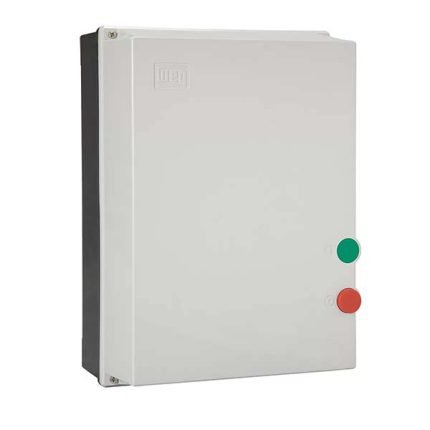
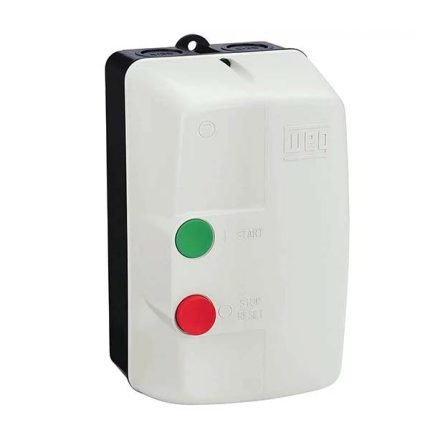
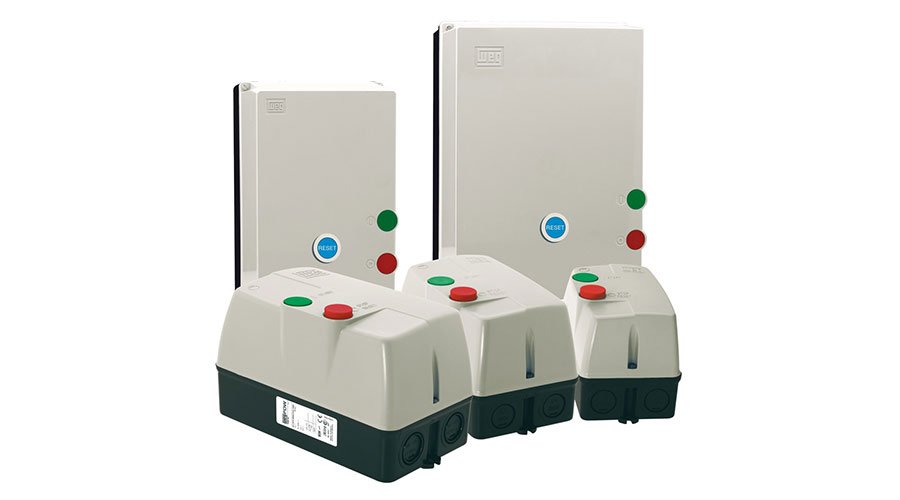
A typical DOL starter includes a contactor, an overload relay, and a manual start/stop switch. When the start button is pressed, the contactor closes, energizing the motor. If the motor draws excessive current, the overload relay disconnects the motor to protect it from damage.
While simple in design, regular starters can place stress on both electrical and mechanical systems due to the abrupt startup. Nonetheless, they are still widely used for low-horsepower motors that can handle such stress without issue.
Components of a Regular Starter
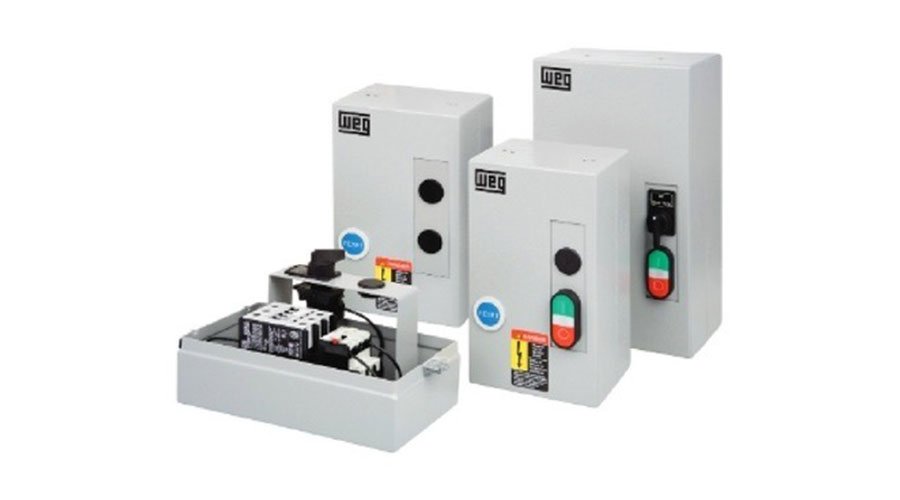
A regular starter consists of several key components that work together to initiate and protect the motor. The contactor is responsible for connecting and disconnecting the motor from the power source.
The overload relay monitors current flow and opens the circuit when an overload is detected, preventing motor damage. Manual controls, such as push buttons or selector switches, allow operators to start or stop the motor as needed.
Additional safety features, like fuses or circuit breakers, may also be included to enhance protection. Understanding these components is essential for troubleshooting and maintaining regular starter systems.
Applications of Regular Starters in Pumping Systems
Regular starters are ideal for applications where motor control simplicity is paramount and startup current does not pose a risk to the electrical infrastructure. In agriculture, they are often used for irrigation pumps that require full power for water movement.
In construction, DOL starters power dewatering pumps to remove water from trenches and foundations. Municipal water systems also employ them in smaller-scale operations where reliability and ease of maintenance are critical.
They are also popular in emergency backup systems due to their quick response and minimal complexity. This versatility makes them a go-to choice for many industries despite newer alternatives.
Advantages of Using Regular Starters
One of the most significant advantages of regular starters is their simplicity. With fewer components and no need for advanced programming, they are easy to install, operate, and maintain.
Their affordability is another benefit, making them a cost-effective solution for low-power pump applications. In addition, their robust design offers reliable performance in harsh environments.
Regular starters also provide full starting torque immediately, which is beneficial in applications where pumps need to overcome high initial resistance, such as lifting water from deep wells.
Limitations and Considerations
Despite their advantages, regular starters have limitations that must be considered. The most notable is the high inrush current during startup, which can be 6-8 times the motor’s rated current.
This surge can cause voltage dips in the electrical system, affecting other equipment and potentially leading to system instability. Additionally, the sudden torque can place mechanical stress on pump components.
For these reasons, regular starters are not recommended for larger motors or systems sensitive to electrical fluctuations. It’s important to evaluate system requirements before choosing a starter type.
Comparing Regular Starters with Soft Starters
While regular starters provide an immediate and full-power startup, soft starters gradually increase voltage to reduce mechanical and electrical stress. This makes soft starters a better choice for applications where system longevity and energy efficiency are priorities.
In contrast, regular starters excel in simplicity and cost-effectiveness. They require less space, fewer components, and are often more durable in rugged environments.
Choosing between the two depends on the specific needs of the application. In many cases, regular starters are used in smaller or temporary systems, while soft starters are preferred for more sensitive or long-term operations.
Installation Best Practices for Regular Starters
Installing a regular starter is straightforward, but following best practices ensures optimal performance and safety. Start by verifying that the starter is properly rated for the motor’s voltage and current.
Ensure all electrical connections are secure and correctly wired according to the schematic diagram. Overload settings should be adjusted based on the motor’s full load amperage to prevent nuisance tripping or insufficient protection.
A clean, dry, and accessible location is ideal for mounting the starter. Providing proper labeling and documentation helps during future maintenance or troubleshooting.
Maintenance and Troubleshooting Tips
Regular starters require minimal maintenance, but periodic inspections help prevent unexpected failures. Check for loose connections, worn contactors, or signs of overheating.
Test the operation of start and stop buttons regularly and inspect overload relays for proper function. If the motor fails to start or trips frequently, review the wiring and ensure overloads are correctly calibrated.
Maintaining a log of performance and issues can aid in early detection of problems and extend the lifespan of both the starter and the motor.
Enhancing Safety with Regular Starters
Although basic, regular starters can be outfitted with safety features to improve protection. Emergency stop buttons, lockout-tagout mechanisms, and thermal sensors can enhance user safety.
Integrating alarms or indicator lights provides visual confirmation of system status. In hazardous environments, using explosion-proof enclosures adds another layer of protection. Following proper electrical safety standards and training personnel on starter operation ensures safe usage and minimizes the risk of accidents.
The Future of Regular Starters in Pump Systems
While advanced motor controls like VFDs and soft starters are gaining popularity, regular starters continue to hold their ground in certain applications. Their low cost, durability, and ease of use make them a reliable option in resource-limited or rugged environments.
Technological improvements, such as modular designs and enhanced protection features, are helping extend their relevance. Manufacturers are also integrating digital monitoring options into traditional starter setups.
In the future, hybrid systems that combine regular starters with smart sensors or automation interfaces may emerge, allowing for basic control with improved diagnostics and efficiency.