Showing 1–12 of 50 resultsSorted by latest
Sort by
FILTER BY BRAND
COELBOCOELBO 12
VAREMVAREM 1
WEGWEG 37
Pump Control Units: Essential Components for Efficient Pump Operation
Pump control units are critical components in various water supply, irrigation, and industrial applications. These devices help regulate pump performance, ensuring optimal efficiency, safety, and longevity. Without a proper control unit, pumps may experience frequent failures, increased energy consumption, and unnecessary wear and tear.
Understanding the different types of pump control units is crucial for selecting the right system for your needs. Whether you’re dealing with soft starters, regular starters, control panels, pump controllers, or variable speed drivers (VSDs), each component plays a unique role in optimizing pump operation.
In this article, we will explore the importance of pump control units, their benefits, and how they enhance pump efficiency. By the end, you’ll have a clear understanding of how these units work and how to choose the best one for your specific application.
What Are Pump Control Units?
Pump control units are devices designed to regulate, monitor, and protect pumps during operation. They help manage power supply, starting mechanisms, and pressure control, preventing pump damage due to electrical surges, overheating, or dry running.
These units ensure that pumps operate efficiently by optimizing energy use and reducing mechanical stress. Depending on the type, they may include features like automated startup/shutdown, pressure sensing, and speed regulation.
Pump control units are widely used in residential, commercial, agricultural, and industrial applications. Whether for water distribution, wastewater management, or industrial fluid handling, these devices are essential for reliable and efficient operation.
Why Are Pump Control Units Important?
Pump control units offer several key benefits that improve the efficiency and longevity of pumping systems. One of their most significant advantages is energy efficiency. By controlling the power supply and adjusting pump operation based on demand, these units help reduce energy consumption, leading to lower operational costs.
Another critical function is equipment protection. Pumps are prone to issues such as overheating, overloading, and pressure fluctuations. A well-designed control unit prevents these problems by continuously monitoring system parameters and making necessary adjustments.
Additionally, pump control units enhance automation and convenience. Many modern control units feature smart technology that allows remote monitoring and automated adjustments. This reduces the need for manual operation and minimizes downtime due to system failures.
Types of Pump Control Units
Pump control units come in various types, each designed for specific applications. The most common types include:
- Soft Starters
- Regular Starters
- Control Panels
- Pump Controllers
- Variable Speed Drivers (VSDs)
Each of these control units plays a different role in ensuring smooth pump operation and optimizing system performance. Understanding their differences will help you choose the best one for your application.
Soft Starters: Smooth Pump Operation
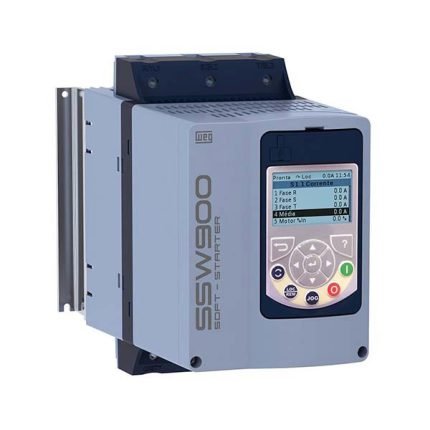
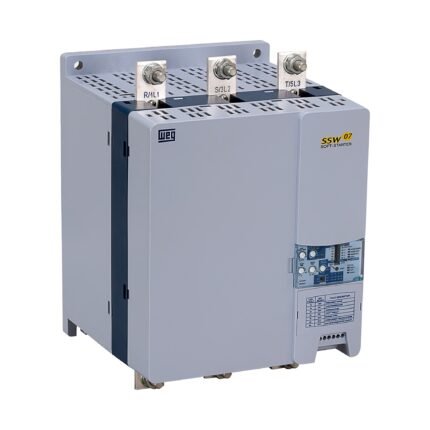
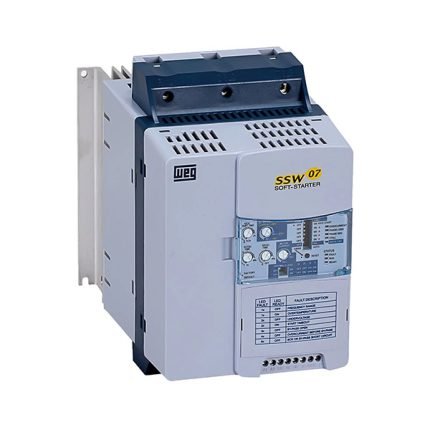
Soft starters are devices that gradually increase the voltage supplied to the pump motor, ensuring a smooth and controlled startup. This prevents mechanical and electrical stress, reducing wear and extending the pump’s lifespan.
One of the biggest advantages of soft starters is their ability to reduce inrush current. When a pump motor starts abruptly, it draws a large amount of current, which can damage electrical components. A soft starter minimizes this surge, protecting the system from sudden power fluctuations.
Soft starters are commonly used in applications where pumps operate at a fixed speed but require a gentle start to prevent mechanical shock. They are ideal for water supply systems, HVAC systems, and industrial fluid handling applications.
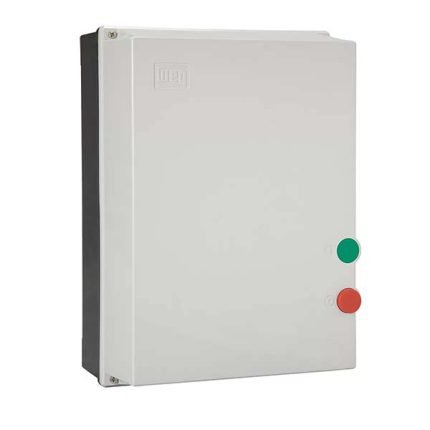
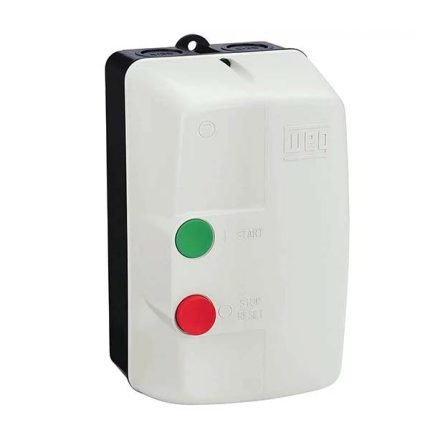
Regular Starters: Reliable and Cost-Effective
Regular starters, also known as direct-on-line (DOL) starters or across-the-line starters, provide full voltage to the pump motor immediately upon activation. Unlike soft starters, they do not gradually increase power, resulting in an instant startup.
The main advantage of regular starters is their simplicity and affordability. They are easy to install and maintain, making them a cost-effective solution for small to medium-sized pump systems.
However, regular starters can cause a high inrush current, leading to increased mechanical stress and potential system wear. They are best suited for applications where pump startup impact is not a major concern, such as small residential water pumps or low-power industrial systems.
Control Panels: Centralized Pump Management
Control panels are comprehensive control units that allow operators to monitor and adjust pump settings from a centralized location. They are commonly used in large-scale pumping systems, including municipal water supply, industrial processing, and wastewater treatment plants.
A pump control panel typically includes components like circuit breakers, relays, timers, and monitoring devices. These elements work together to protect the pump from electrical faults, regulate system pressure, and provide manual or automated control options.
One of the key benefits of control panels is their ability to integrate multiple pumps into a single system. This is particularly useful in industrial settings where multiple pumps need to work together efficiently.
Pump Controllers: Smart Automation for Efficiency
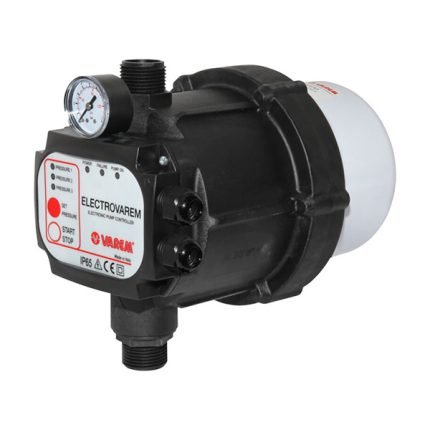
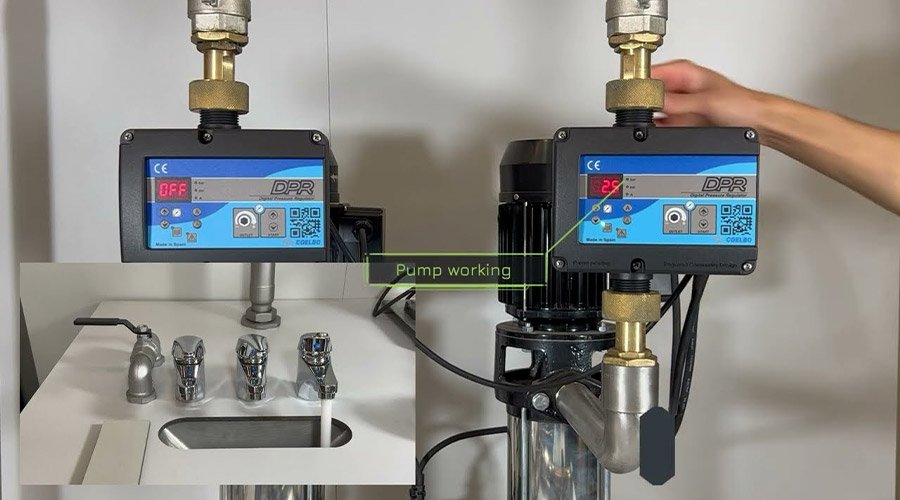
Pump controllers are intelligent devices that automatically regulate pump operation based on preset conditions. They can be programmed to start or stop the pump based on factors like pressure, flow rate, or water level.
One of the main advantages of pump controllers is their ability to prevent dry running, a condition where the pump operates without water, leading to severe damage. They achieve this by continuously monitoring fluid levels and shutting off the pump when necessary.
Modern pump controllers often feature remote monitoring capabilities, allowing operators to track system performance via mobile apps or cloud-based platforms. This enhances convenience and minimizes downtime due to pump failures.
Variable Speed Drivers (VSDs): Maximum Energy Efficiency
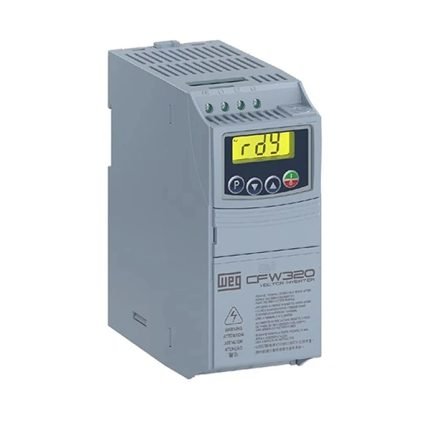
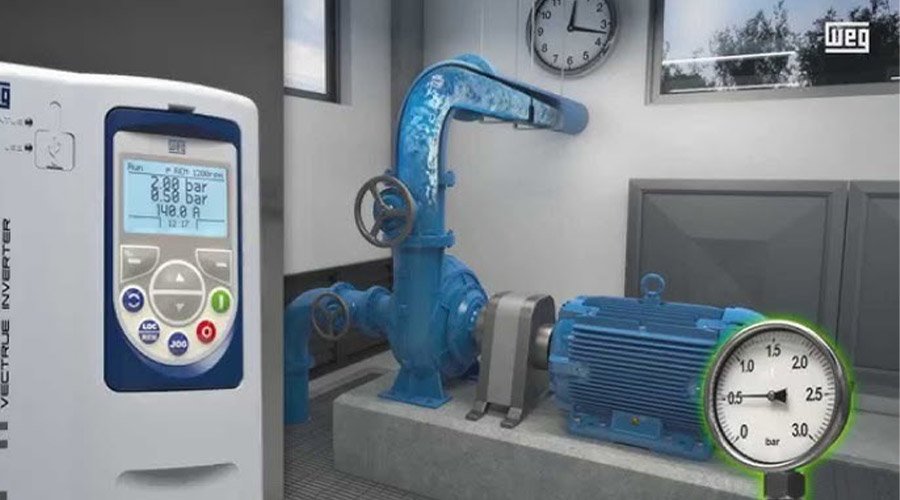
Variable speed drivers (VSDs), also known as variable frequency drives (VFDs), are advanced control units that adjust the pump motor’s speed based on real-time demand. Unlike traditional starters that operate at a fixed speed, VSDs allow pumps to run at optimal speeds, reducing energy waste.
The biggest advantage of VSDs is their energy savings. By adjusting pump speed according to system requirements, they reduce power consumption and lower electricity costs. This makes them an ideal solution for applications with varying water demand, such as irrigation systems and high-rise building water supplies.
Additionally, VSDs help extend pump lifespan by minimizing mechanical stress and preventing sudden pressure surges. While they may have a higher upfront cost, the long-term savings and efficiency gains make them a worthwhile investment.
How to Choose the Right Pump Control Unit
Selecting the right pump control unit depends on several factors, including the type of pump, operational requirements, and budget. If you need smooth startups and reduced mechanical wear, a soft starter is the best option. For basic pump operation at a lower cost, a regular starter may be sufficient.
If your system requires centralized control and monitoring, a control panel is essential. For smart automation and remote monitoring, a pump controller is the ideal choice. And for maximum energy efficiency, variable speed drivers (VSDs) are the top option.
Considering your specific application, power requirements, and long-term operational goals will help you make the best decision when selecting a pump control unit.