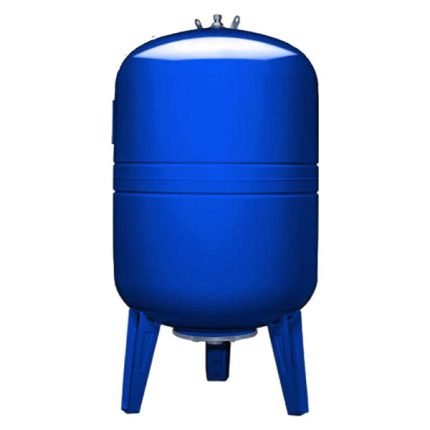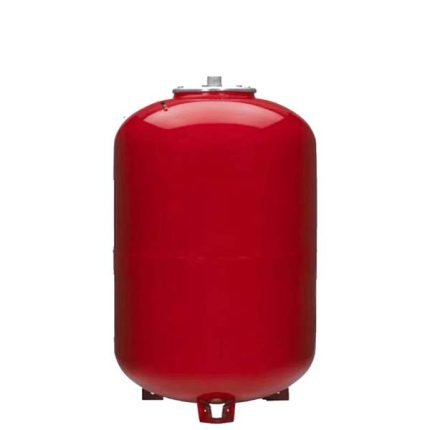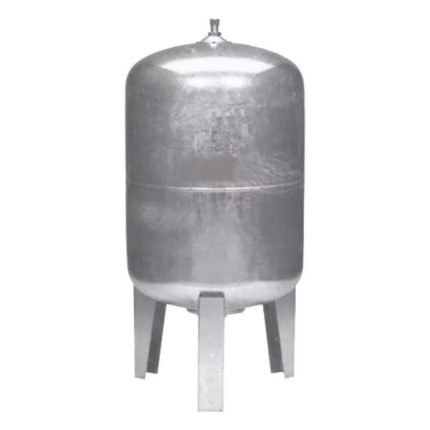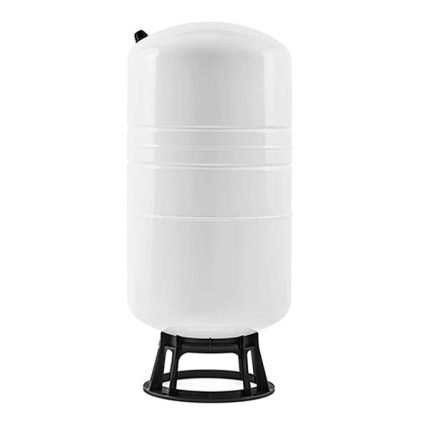
Showing 1–12 of 47 resultsSorted by price: high to low
Sort by
FILTER BY BRAND
VAREMVAREM 47
Pressure Tanks: An Essential Component in Modern Systems
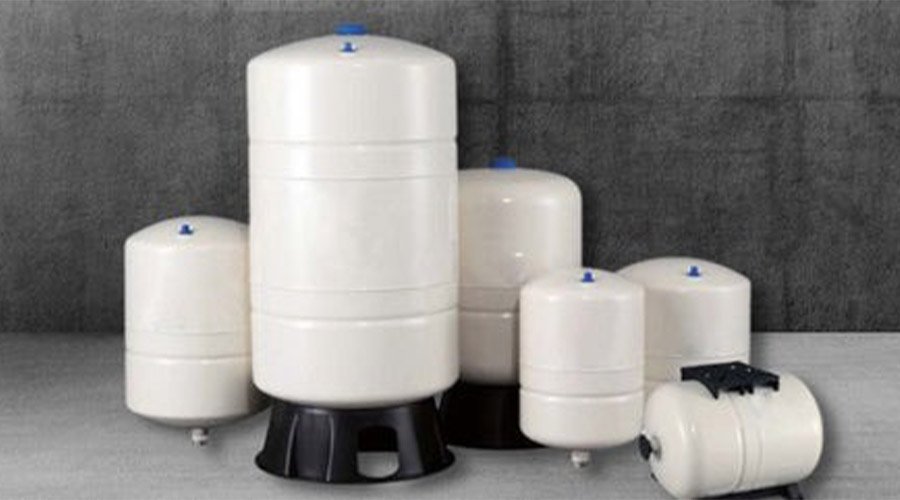
Pressure tanks are crucial in various applications, from water supply systems to heating solutions. They help regulate pressure, store fluids, and enhance system efficiency by reducing stress on pumps and pipes. Whether used in residential, commercial, or industrial settings, these tanks play a vital role in maintaining a steady and safe operation.
Understanding the different types of pressure tanks is essential for selecting the right one for your needs. Various models cater to specific applications, such as water heater expansion tanks, solar heater expansion tanks, potable pressure tanks, and stainless steel pressure tanks. Each type has unique benefits and specifications that make them suitable for particular systems.
What Are Pressure Tanks?
Pressure tanks are specially designed vessels that store and regulate pressure within a system. They act as a buffer, preventing sudden pressure fluctuations that could damage components such as pumps, pipes, and valves. These tanks are commonly found in water supply systems, heating units, and industrial applications.
The working principle of a pressure tank involves using compressed air or gas to create a balance between fluid pressure and atmospheric pressure. This balance ensures a steady flow of liquid, preventing system failures caused by pressure drops. Additionally, pressure tanks help reduce the workload on pumps, extending their lifespan and improving efficiency.
Without a pressure tank, many systems would face operational issues such as frequent pump cycling, reduced water pressure, or even complete failure. That’s why these tanks are considered an essential component in various mechanical and plumbing systems.
A pressure tank or pressurizer is a type of hydraulic accumulator used in a piping system to maintain a desired pressure. Applications include buffering water pressure in homes.
https://en.wikipedia.org/wiki/Pressure_tank
Why Are Pressure Tanks Important?
Pressure tanks play a crucial role in preventing system failures and ensuring efficiency. One of their main benefits is reducing pump cycling. Without a pressure tank, pumps would need to turn on and off frequently, leading to excessive wear and tear, increased energy consumption, and reduced lifespan. By storing pressurized fluid, these tanks allow pumps to run less frequently and more efficiently.
Another key advantage of pressure tanks is their ability to prevent damage to pipes and fixtures. When water or any other liquid is subjected to sudden pressure changes, it can cause leaks, bursts, or structural weakening over time. A pressure tank acts as a cushion, absorbing excess pressure and ensuring a smooth flow of liquid throughout the system.
Additionally, pressure tanks contribute to energy savings and operational efficiency. By maintaining consistent pressure, they eliminate unnecessary energy usage, making heating and water supply systems more cost-effective. This is particularly beneficial in large-scale operations where energy efficiency translates to significant cost reductions.
Types of Pressure Tanks
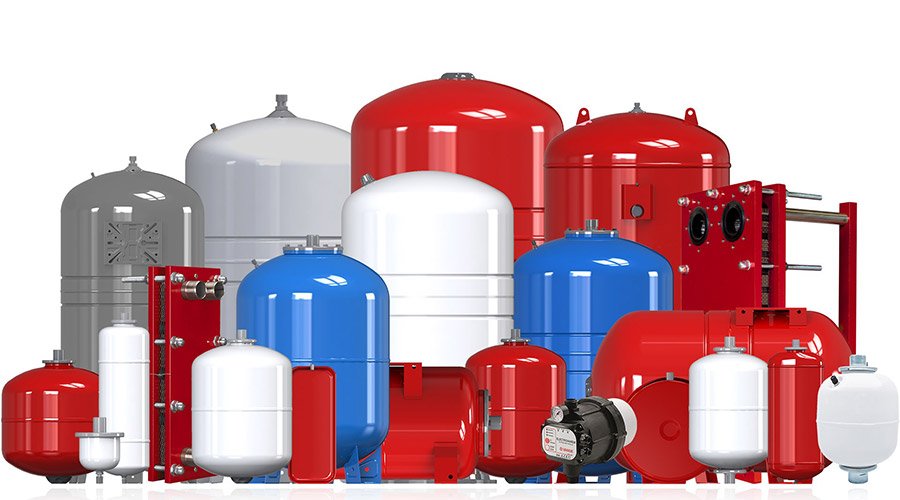
There are several types of pressure tanks, each designed for specific applications. The most common ones include water heater expansion tanks, solar heater expansion tanks, potable pressure tanks, and stainless steel pressure tanks. Each of these plays a unique role in different systems and has specific features that make them suitable for their respective uses.
Water heater expansion tanks are crucial for handling the thermal expansion of water in heating systems. When water heats up, it expands, creating additional pressure in the plumbing system. Without an expansion tank, this pressure can lead to damage, leaks, or even complete system failure. These tanks help absorb the extra pressure, ensuring safe and efficient operation.
Solar heater expansion tanks function similarly but are specifically designed for solar water heating systems. Since solar heaters experience significant temperature fluctuations throughout the day, an expansion tank is necessary to accommodate these changes and protect the system from over-pressurization.
Water Heater Expansion Tanks: A Necessity for Safety
Water heater expansion tanks are small but essential components in modern plumbing systems. Their primary function is to accommodate the increased pressure that occurs when water is heated. Without them, excessive pressure can build up inside the pipes and water heater, leading to leaks, bursts, or premature failure of plumbing fixtures.
The way these tanks work is simple yet effective. They contain an internal air bladder that compresses when water expands due to heating. This mechanism prevents pressure from rising too high within the system, protecting both the water heater and connected plumbing components.
Installing a water heater expansion tank is particularly important in closed-loop systems where water cannot expand freely. Many local building codes now require these tanks as part of a safe and efficient plumbing setup. By adding one to your system, you not only extend the life of your water heater but also improve safety and reduce maintenance costs.
Benefits of Water Heater Expansion Tanks
One of the biggest advantages of using a water heater expansion tank is the protection it offers against plumbing damage. When pressure builds up inside pipes due to thermal expansion, it can cause serious problems, including cracked pipes and damaged fixtures. An expansion tank absorbs this pressure, preventing costly repairs and potential water damage.
Another key benefit is improved water heater longevity. Excessive pressure puts a strain on the water heater’s internal components, leading to faster wear and tear. By stabilizing pressure, an expansion tank helps extend the life of the heater, reducing the need for frequent replacements.
Additionally, water heater expansion tanks contribute to energy efficiency. When the system operates under stable pressure conditions, it runs more smoothly, requiring less energy to maintain water flow. This translates to lower energy bills and a more environmentally friendly home or business.
Solar Heater Expansion Tanks: Sustainability Meets Innovation
Solar water heating systems are an excellent way to harness renewable energy, but they also come with challenges such as pressure fluctuations. Solar heater expansion tanks are designed to address these issues by compensating for the thermal expansion of water within the system.
Unlike traditional water heaters, solar systems rely on the sun’s energy to heat water. This means that temperatures can vary significantly throughout the day, leading to changes in water volume and pressure. An expansion tank helps regulate these fluctuations, preventing damage to pipes, valves, and storage tanks.
By using a solar heater expansion tank, you ensure that your solar heating system operates smoothly and efficiently. These tanks play a crucial role in maximizing the lifespan of the system while also improving overall energy efficiency.
Why Choose Solar Heater Expansion Tanks?
The main reason to install a solar heater expansion tank is to protect your system from pressure-related failures. Without one, the constant expansion and contraction of water can lead to leaks, ruptures, and decreased performance over time.
Another advantage is improved system efficiency. When pressure is stable, water flows more smoothly through the solar heating system, ensuring optimal heat transfer and reducing the risk of overheating. This helps maximize the energy output of solar panels and reduces energy waste.
Additionally, solar heater expansion tanks contribute to long-term cost savings. By preventing damage and system breakdowns, they reduce maintenance costs and extend the life of solar water heating components. This makes them a valuable investment for anyone looking to enhance their renewable energy setup.
Potable Pressure Tanks: Clean and Reliable Water Storage
Potable pressure tanks are designed for storing and distributing clean drinking water under pressure. They are commonly used in residential and commercial water supply systems to ensure a steady flow of water, even when the main pump is not running.
These tanks contain a diaphragm or air bladder that maintains constant pressure within the system. When water is drawn from the tank, air pressure pushes it out, ensuring consistent flow and preventing pump overload. This makes potable pressure tanks ideal for homes, businesses, and agricultural applications where reliable water supply is essential.
One of the main advantages of potable pressure tanks is their ability to reduce pump cycling. By storing pressurized water, they reduce the frequency of pump activation, extending pump life and improving overall efficiency.
Stainless Steel Pressure Tanks: The Durable Choice
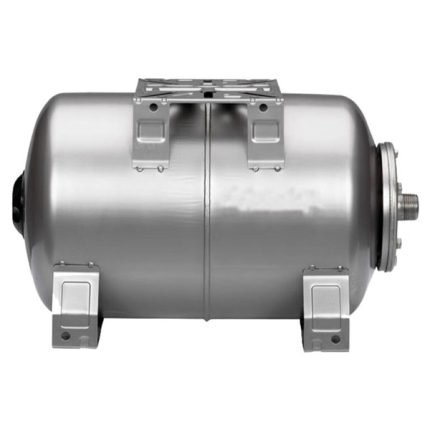
Stainless steel pressure tanks are widely used in industrial, commercial, and residential applications due to their superior durability and resistance to corrosion. Unlike traditional tanks made from other materials, stainless steel models can withstand extreme conditions, including high pressure, temperature variations, and exposure to harsh chemicals.
One of the key benefits of stainless steel pressure tanks is their longevity. These tanks are designed to last for years without rusting, corroding, or degrading. This makes them an excellent choice for environments where water quality, sanitation, and structural integrity are critical. Additionally, stainless steel tanks require less maintenance compared to conventional models, making them a cost-effective long-term investment.
Another advantage is their ability to handle a wide range of liquids, including potable water, chemicals, and pressurized gases. This versatility makes stainless steel pressure tanks ideal for applications in the food and beverage industry, pharmaceutical manufacturing, and water treatment facilities. Whether used for water storage or industrial processes, these tanks offer unmatched performance and reliability.
Choosing the Right Pressure Tank
Selecting the right pressure tank for your system depends on several factors, including application, material, size, and pressure capacity. Each type of pressure tank is designed for specific needs, so understanding these factors will help you make an informed decision.
The first consideration is the type of system you are using. If you need a tank for your home water heater, an expansion tank designed for thermal expansion is the best choice. For solar heating systems, a solar heater expansion tank is necessary to handle temperature fluctuations. In applications that require drinking water storage, a potable pressure tank ensures a consistent and clean water supply. And for industries needing a heavy-duty solution, stainless steel pressure tanks offer the highest level of durability.
Another important factor is size and pressure capacity. Choosing a tank that is too small may cause frequent cycling, leading to inefficient operation and premature wear. On the other hand, a tank that is too large may take up unnecessary space and increase costs. Consulting with a professional or checking manufacturer specifications can help determine the best tank size for your system.