Showing 1–12 of 33 resultsSorted by popularity
Sort by
FILTER BY BRAND
DABDAB 5
GPT COGPT CO 11
SPERONISPERONI 17
Residential Pumps: The Ultimate Guide to Choosing the Right One
Residential pumps play a crucial role in maintaining a steady water supply, improving pressure, and managing wastewater in homes. Whether you need a pump for irrigation, water transfer, or boosting pressure, selecting the right one can make a significant difference in efficiency and performance. With various types available in the market, understanding their functionality and benefits can help homeowners make an informed decision. This guide will cover the essentials of residential pumps, their types, uses, maintenance, and troubleshooting to ensure you choose the best one for your home.
What Are Residential Pumps?
FResidential pumps are mechanical devices designed to move water from one location to another within a home setting. They are commonly used to draw water from wells, enhance water pressure, or manage drainage systems. These pumps help homeowners ensure a consistent water supply, particularly in areas with low municipal water pressure or private wells.
The primary function of residential pumps is to transport water efficiently, reducing the need for manual water retrieval. They operate using either electric power or fuel, depending on the type and model. Some pumps are installed indoors, while others function outdoors, depending on their purpose and design.
Choosing the right residential pump depends on factors such as water demand, source, and intended use. Understanding the different types available can help homeowners select a pump that meets their specific needs.
How Residential Pumps Work
Residential pumps function by utilizing mechanical energy to move water through pipes, ensuring proper distribution throughout the home. These pumps rely on an impeller or a diaphragm mechanism to create pressure, which forces water to flow efficiently. The power source, typically an electric motor, drives the impeller to generate the necessary suction and discharge pressure.
In most cases, pumps operate in a closed-loop system where water is drawn in, pressurized, and then released through designated outlets. Some pumps use centrifugal force, while others rely on positive displacement to push water. The efficiency of a pump depends on its design, motor capacity, and overall system configuration.
To ensure optimal performance, it is essential to select a pump that aligns with the household’s water needs. Factors such as flow rate, pressure requirements, and energy consumption should be carefully considered before purchasing a residential pump.
Types of Residential Pumps
Residential pumps come in various types, each designed for specific applications. The most common ones include centrifugal pumps, submersible pumps, jet pumps, and booster pumps. Each type has unique features and is suitable for different water supply needs.
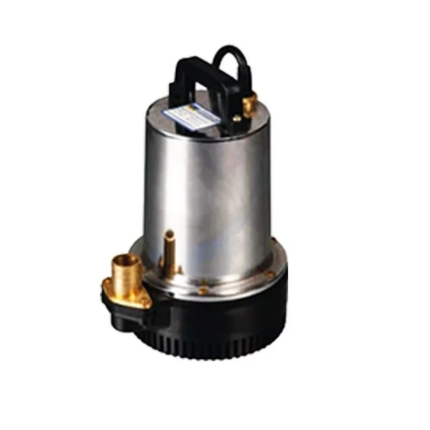
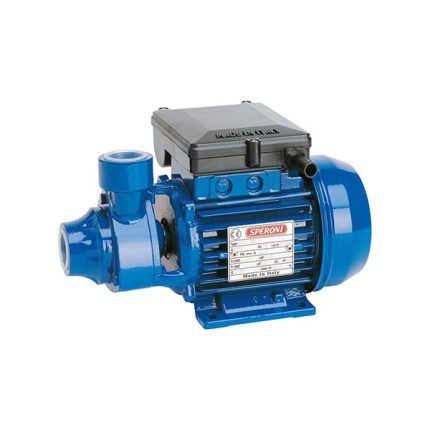
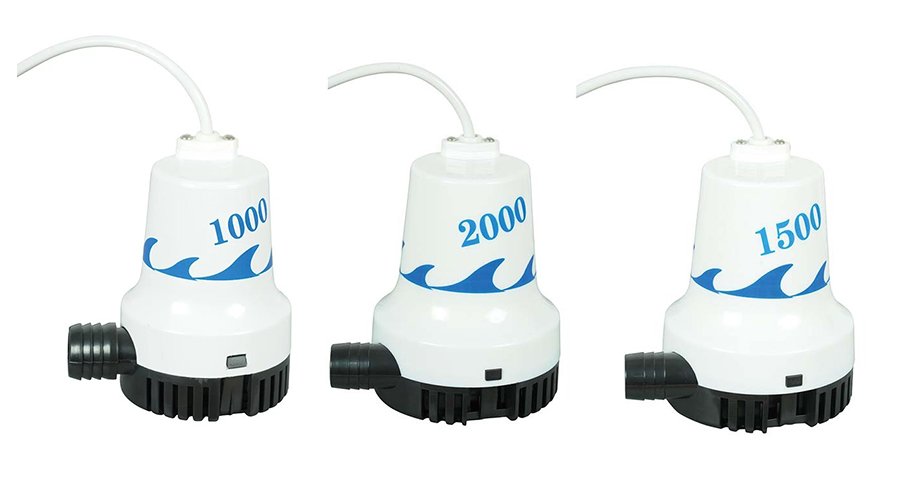
Centrifugal pumps use a rotating impeller to create pressure and move water through the system. These pumps are best suited for applications requiring high flow rates but low pressure. Submersible pumps, on the other hand, are designed to operate underwater, making them ideal for deep wells and sump pump applications.
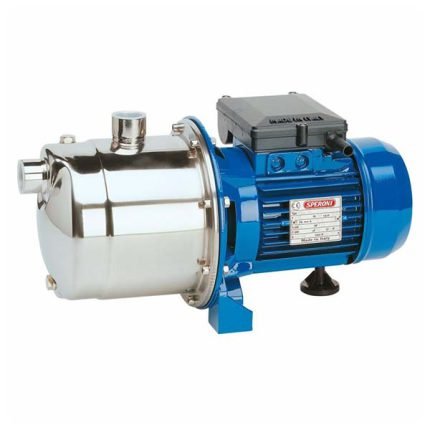
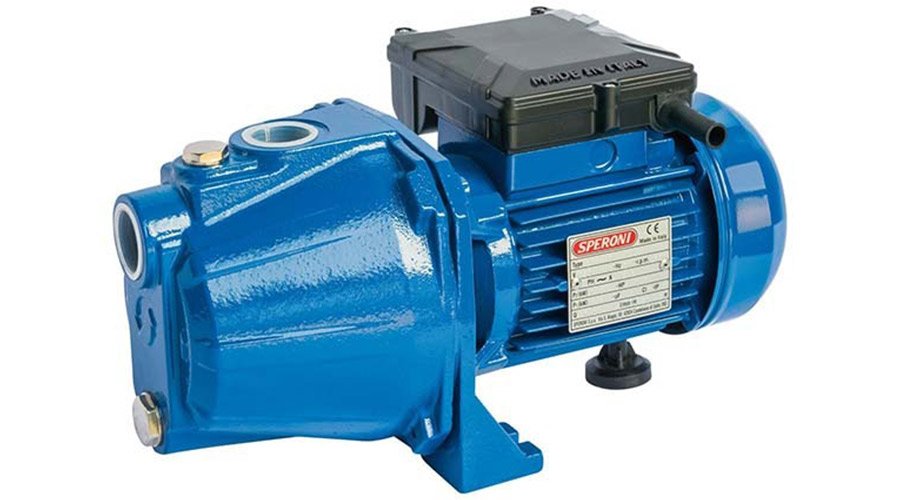
Jet pumps work by using suction and pressure to draw water from shallow or deep wells, making them popular in areas where groundwater is the primary water source. Booster pumps help increase water pressure in homes that experience low flow from municipal supply systems. Choosing the right type depends on your specific water source and pressure requirements.
Common Uses of Residential Pumps
Residential pumps are utilized for various household applications, including water supply, irrigation, and drainage. These pumps help homeowners maintain an uninterrupted water flow, ensuring convenience and comfort in daily activities.
One of the primary uses of residential pumps is to draw water from wells or storage tanks and distribute it throughout the home. In rural areas where municipal water supply is limited, these pumps play a crucial role in maintaining a reliable water source. Additionally, pumps are essential for boosting water pressure in homes with weak supply systems.
Another common application is garden and lawn irrigation. Pumps enable homeowners to efficiently water their plants, ensuring lush greenery without excessive manual effort. They are also used for basement drainage and stormwater management, preventing water accumulation and potential property damage.
Related category: For more information about Garden Pumps, click the link.
Factors to Consider When Choosing a Residential Pump
Selecting the right residential pump requires careful consideration of various factors. One crucial aspect is the flow rate, which determines how much water the pump can move within a given time. Homeowners should evaluate their water demand to ensure they choose a pump with sufficient capacity.
Another important factor is pressure requirements. Different household systems require varying pressure levels to function efficiently. A booster pump, for instance, is ideal for homes with low water pressure, while a submersible pump works best for deep wells.
Additionally, homeowners should consider the pump’s energy efficiency, durability, and noise level. Energy-efficient models can help reduce electricity costs, while durable materials ensure longevity. Quiet operation is also important, especially for indoor installations.
Benefits of Using Residential Pumps
Residential pumps offer several advantages, making them an essential investment for homeowners. One of the key benefits is consistent water supply, which ensures that households have access to water whenever needed. This is particularly important for homes relying on well water or living in areas with low municipal pressure.
Another major benefit is improved water pressure, enhancing the performance of showers, faucets, and irrigation systems. Low water pressure can be frustrating, especially in multi-story homes. A well-chosen residential pump can resolve this issue effectively.
Moreover, residential pumps contribute to water conservation and efficiency. With the right pump, homeowners can optimize water usage for irrigation and household needs, reducing wastage and promoting sustainability.
Maintenance Tips for Residential Pumps
Proper maintenance of residential pumps is crucial for their longevity and performance. Regular inspection and cleaning can prevent issues and extend the lifespan of the pump. Homeowners should check for any leaks, clogs, or unusual noises that may indicate underlying problems.
One essential maintenance practice is lubricating moving parts to ensure smooth operation. Over time, components may wear out due to friction, leading to inefficiencies. Proper lubrication minimizes wear and tear, keeping the pump running optimally.
Additionally, it is important to monitor electrical connections and voltage supply. Faulty wiring or voltage fluctuations can damage the pump motor, leading to costly repairs. Ensuring a stable power supply and addressing electrical issues promptly can prevent unexpected breakdowns.
Energy Efficiency in Residential Pumps
Energy efficiency is a critical consideration when choosing a residential pump. High-efficiency pumps consume less electricity, reducing energy costs while maintaining optimal performance. Homeowners should look for pumps with Energy Star ratings or variable speed motors that adjust power consumption based on demand.
Another way to improve efficiency is by selecting the right pump size. An oversized pump can lead to excessive energy consumption, while an undersized pump may struggle to meet water demands. Consulting a professional can help determine the best fit for your household needs.
Regular maintenance also plays a key role in energy efficiency. Cleaning filters, checking for leaks, and ensuring proper alignment can prevent energy wastage and enhance the pump’s lifespan.
Troubleshooting Common Residential Pump Issues
Like any mechanical device, residential pumps may experience issues over time. One common problem is low water pressure, which can result from clogged filters, leaks, or a malfunctioning pressure switch. Checking these components can help resolve the issue quickly.
Another frequent issue is no water flow, often caused by airlocks, a faulty impeller, or insufficient water levels. Homeowners should inspect the pump’s intake and outlet connections to ensure proper water movement.
Unusual noises, such as grinding or humming, may indicate motor or impeller damage. If the pump is making excessive noise, turning it off and consulting a professional for repairs is recommended to prevent further damage.
Finding the Right Pump for Your Home
Choosing the ideal residential pump requires assessing water demand, source, and installation requirements. Homeowners should consider factors such as flow rate, pressure needs, and energy efficiency to make an informed decision.
Additionally, consulting a professional plumber or pump specialist can help identify the best pump for specific household applications. They can recommend models suited for well water, booster systems, or drainage purposes.
Ultimately, investing in a high-quality residential pump ensures long-term reliability and efficiency. By selecting the right pump and maintaining it properly, homeowners can enjoy uninterrupted water supply and optimal performance for years to come.