Showing 1–12 of 21 resultsSorted by average rating
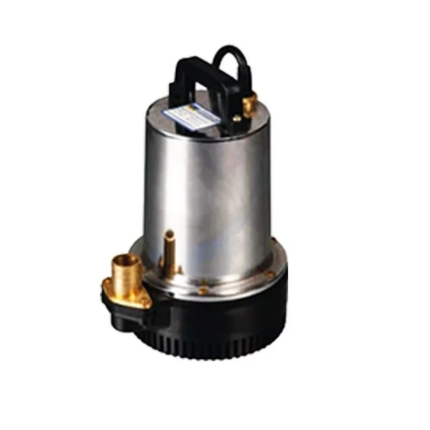
Gol Pumps Stainless Steel Solar Submersible Drainage Pump WWB-02302 – 1350 GPH – 12V / 24V – DC – 1″
Marine Pumps: A Complete Guide to Types, Applications, and Maintenance
Marine pumps are essential components in the maritime industry, playing a crucial role in vessel operation, maintenance, and safety. From ballast pumping to firefighting and fuel transfer, these pumps ensure efficient fluid movement in ships, offshore platforms, and marine industries. Understanding the different types of marine pumps, their applications, and maintenance requirements can help improve efficiency and extend the lifespan of these vital systems.
What Are Marine Pumps?
Marine water pumps are specialized equipment designed to handle various liquid transfers aboard ships and marine installations. These pumps cater to different functions, including fuel transfer, bilge water removal, and freshwater circulation.
Constructed from corrosion-resistant materials such as stainless steel and bronze, marine pumps can withstand harsh seawater conditions. Their robust design ensures reliability even in demanding maritime environments.
By selecting the right marine pump, ship operators can enhance performance, safety, and compliance with industry regulations.
Related category: For more information about Chemical Pumps, click the link.
Marine pump is named by its usage or application, it covers a lot of types of pumps, such as: The marine centrifugal pump is used to transport fluids by the conversion of rotational kinetic energy to the hydrodynamic energy of the fluid flow. The rotational energy typically comes from an engine or electric motor. The fluid enters the pump impeller along or near to the rotating axis and is accelerated by the impeller, flowing radially outward into a diffuser or volute chamber (casing), from where it exits.
https://en.wikipedia.org/wiki/Marine_pump
How Do Marine Pumps Work?
Marine pumps operate based on different mechanisms such as centrifugal force, positive displacement, and vacuum suction. The choice of pump depends on the liquid type, pressure requirements, and intended application.
Centrifugal marine pumps use rotating impellers to move fluids efficiently, making them ideal for high-volume applications. Positive displacement pumps, on the other hand, deliver a consistent flow, suitable for fuel and oil transfer.
Understanding these working principles helps in selecting the right pump type for optimal performance in marine operations.
Types of Marine Pumps
Several types of marine pumps are used in different maritime applications:
- Centrifugal Pumps – Used for cooling water, ballast operations, and general fluid transfer.
- Bilge Pumps – Essential for removing unwanted water from the bilge compartments.
- Firefighting Pumps – Provide high-pressure water for onboard fire suppression.
- Fuel Transfer Pumps – Ensure efficient movement of fuel between storage tanks and engines.
- Freshwater Pumps – Supply potable and utility water throughout the vessel.
Selecting the right type of pump is crucial for operational efficiency and safety at sea.
Applications of Marine Pumps
Marine pumps are vital in a range of shipboard and offshore applications. Bilge pumps prevent water accumulation in a vessel’s hull, ensuring buoyancy and stability.
Fuel transfer pumps facilitate the movement of diesel, lubricants, and other fuels, essential for engine performance. Additionally, ballast pumps help adjust a ship’s weight distribution, improving stability in varying sea conditions. Other applications include wastewater treatment, desalination systems, and cargo handling in tanker vessels.
Importance of Choosing the Right Marine Pump
Selecting the appropriate marine pump is crucial for maintaining vessel efficiency and compliance with maritime regulations. The wrong pump can lead to operational failures, increased maintenance costs, and safety hazards.
Factors to consider include pump capacity, material compatibility, and power efficiency. Additionally, pumps must meet international marine standards to ensure reliability in challenging conditions. Investing in high-quality marine pumps reduces downtime, enhances operational safety, and extends equipment lifespan.
Factors to Consider When Buying a Marine Pump
Before purchasing a marine pump, several key factors should be evaluated. Flow rate and pressure requirements determine the pump’s suitability for specific applications.
Material durability is another critical aspect, as pumps must resist corrosion from seawater and aggressive fluids. Additionally, considering power consumption helps improve fuel efficiency and operational cost-effectiveness. By analyzing these factors, ship operators can make informed decisions when selecting a marine pump.
Installation Best Practices for Marine Pumps
Proper installation is essential for maximizing the efficiency and longevity of marine pumps. Positioning the pump correctly ensures smooth fluid flow and prevents cavitation issues.
Using high-quality seals and fittings minimizes leakage risks and enhances safety. Additionally, regular alignment checks help maintain optimal pump performance. Following manufacturer guidelines and industry standards ensures a trouble-free installation process.
Maintenance and Troubleshooting of Marine Pumps
Routine maintenance is vital to prevent pump failures and costly repairs. Regular inspections help detect wear and tear in seals, impellers, and bearings.
Cleaning filters and strainers prevents clogging, while lubrication of moving parts ensures smooth operation. Additionally, monitoring pump vibrations and noise levels can indicate potential issues. Effective troubleshooting and preventive maintenance strategies extend the lifespan of marine pumps and enhance vessel reliability.
Safety Considerations for Operating Marine Pumps
Safety is paramount when using marine pumps, as improper handling can lead to spills, equipment damage, or accidents. Operators must follow proper procedures for startup, shutdown, and emergency operations.
Wearing appropriate personal protective equipment (PPE) minimizes exposure to hazardous fluids. Additionally, implementing automatic shut-off systems enhances safety in case of malfunctions. Adhering to best safety practices ensures smooth and secure marine pump operation.
Energy-Efficient Marine Pumps for Sustainable Shipping
As the maritime industry shifts toward sustainability, energy-efficient marine pumps are gaining popularity. Variable-speed pumps adjust flow rates based on demand, reducing power consumption.
Solar-powered and hybrid marine pumps are emerging as eco-friendly alternatives, helping reduce greenhouse gas emissions. Additionally, optimized pump designs improve overall efficiency while minimizing operational costs. Investing in energy-efficient marine pumps aligns with global sustainability goals while enhancing fuel economy in marine operations.