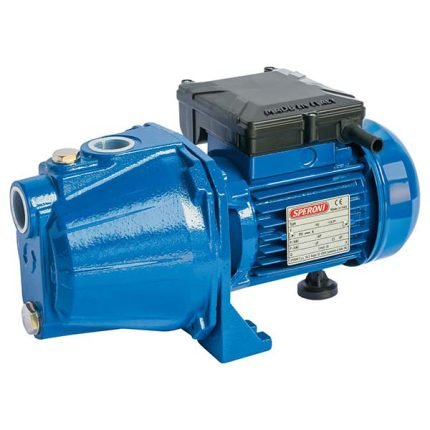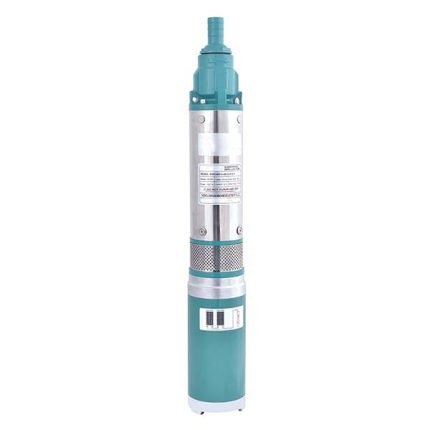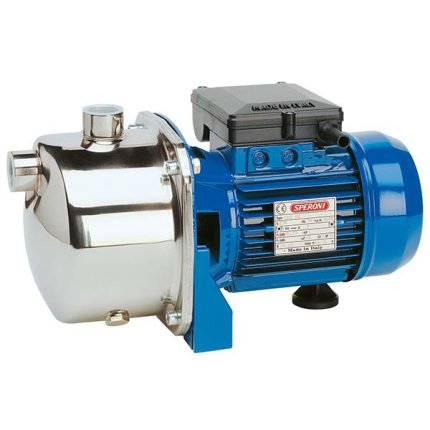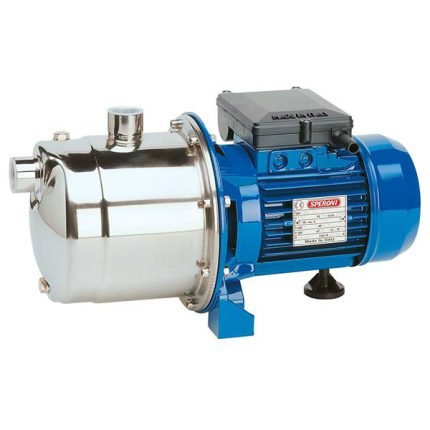

Showing 1–12 of 45 resultsSorted by price: low to high
Sort by
Price filter
FILTER BY BRAND
Irrigation Pumps: A Complete Guide to Choosing the Best One
Irrigation pumps are essential for maintaining healthy crops, gardens, and landscapes by ensuring a consistent water supply. Whether you’re managing a small home garden or a large agricultural field, selecting the right irrigation pump can make a significant difference in efficiency and water conservation. In this guide, we will explore different types of irrigation pumps, their benefits, and maintenance tips to help you make an informed decision.
What Are Irrigation Pumps?
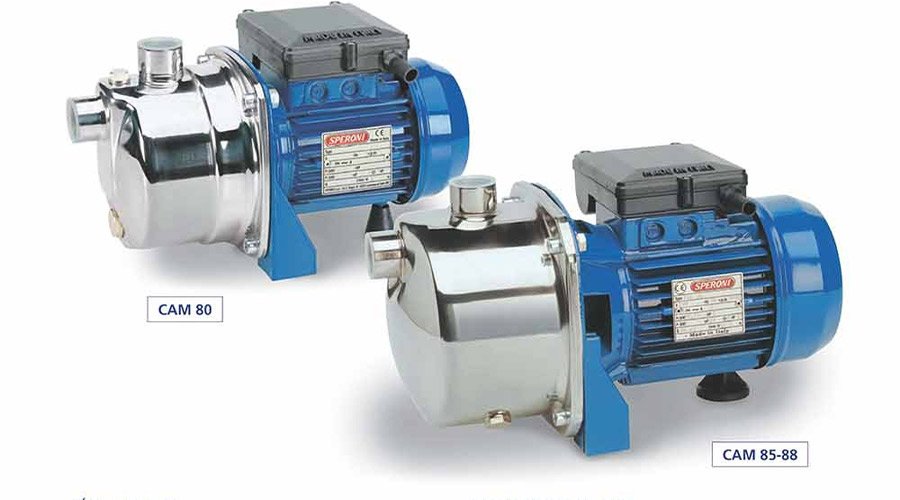
Irrigation pumps are mechanical devices designed to move water from a source, such as a well, reservoir, or river, to a designated irrigation system. These pumps provide the necessary pressure to distribute water evenly across the field or garden.
There are various types of irrigation pumps available, each designed for specific needs and water sources. Choosing the right one ensures optimal water flow and minimizes waste.
By understanding how these pumps work, homeowners and farmers can enhance plant growth, conserve water, and improve irrigation efficiency.
Related category: For more information about Garden Pumps, click the link.
How Irrigation Pumps Work
Irrigation pumps operate by drawing water from a source and directing it to an irrigation system using pressure and flow mechanisms. They typically consist of an intake pipe, motor, impeller, and outlet pipe.
The pump creates suction to pull water in and then pushes it out at the required pressure. Some pumps use centrifugal force, while others rely on positive displacement mechanisms.
Selecting the right pump depends on factors such as water source depth, required pressure, and the size of the area to be irrigated.
Types of Irrigation Pumps
There are several types of irrigation pumps available, each suited for different applications:
- Centrifugal Pumps – Ideal for surface water sources, they use a spinning impeller to generate pressure.
- Submersible Pumps – Designed for deep wells, they operate while fully submerged in water.
- Booster Pumps – Used to increase water pressure in existing systems.
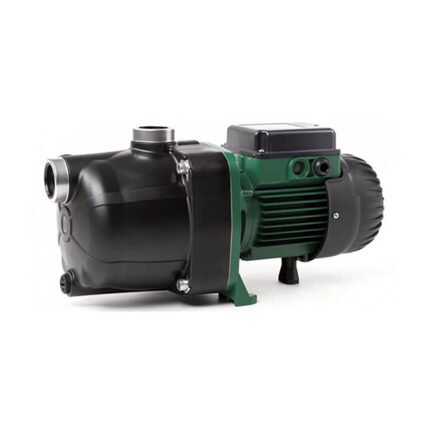
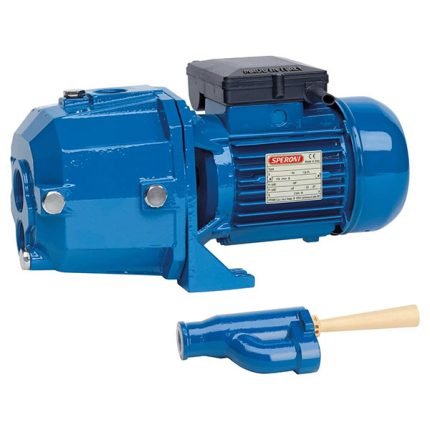
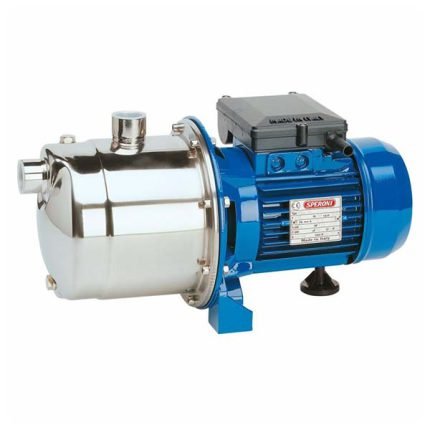
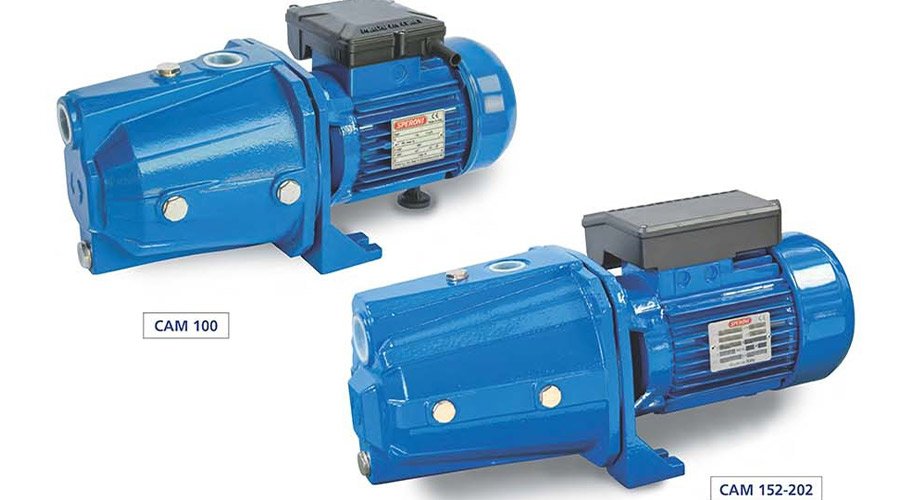
- Jet Pumps – Suitable for shallow wells and operate using suction and pressure.
- Solar-Powered Pumps – Energy-efficient pumps that use solar energy for sustainable irrigation.
Choosing the right type depends on the specific irrigation needs and water availability.
Benefits of Using Irrigation Pumps
Using an irrigation pump offers several advantages, including efficient water distribution and improved crop yields. With automated water delivery, plants receive consistent moisture without manual effort.
Another benefit is water conservation. Modern pumps can be integrated with smart irrigation systems to regulate water flow based on soil moisture levels. Additionally, irrigation pumps help reduce labor costs by automating watering tasks, allowing farmers and homeowners to focus on other essential activities.
Selecting the Right Irrigation Pump
Choosing the best irrigation pump requires considering factors such as water source, flow rate, and pressure needs. Understanding these factors ensures efficient water distribution.
For large agricultural fields, high-capacity pumps with strong pressure output are essential. Home gardeners may opt for smaller, energy-efficient models.
Consulting with an expert or evaluating manufacturer specifications can help determine the most suitable pump for specific irrigation requirements.
Installing an Irrigation Pump
Proper installation is crucial for maximizing pump efficiency. Start by positioning the pump near the water source while ensuring secure electrical connections.
Use appropriate fittings, pipes, and pressure regulators to prevent leaks and maintain steady water flow. Submersible pumps should be installed at the correct depth for optimal performance.
Following manufacturer guidelines and seeking professional assistance for installation can enhance pump longevity and functionality.
Maintaining Your Irrigation Pump
Regular maintenance is necessary to ensure the pump operates smoothly. One key step is cleaning filters and nozzles to prevent blockages that can affect performance.
Checking for leaks, worn-out seals, and motor issues can help detect potential problems early. Lubricating moving parts and monitoring pressure levels also contribute to long-term efficiency.
Seasonal maintenance, such as winterizing pumps in cold climates, prevents freezing and extends the pump’s lifespan.
Common Issues and Troubleshooting Irrigation Pumps
Irrigation pumps may experience occasional issues, such as low water pressure, airlocks, or motor malfunctions. Identifying these problems early can prevent costly repairs.
If the pump fails to start, checking electrical connections and fuses can help resolve the issue. Clogged filters or pipes can reduce water flow, requiring regular cleaning. Routine inspections and timely troubleshooting ensure that the pump remains in peak condition throughout the irrigation season.
Energy-Efficient Irrigation Pumps
Energy efficiency is a key consideration when selecting an irrigation pump. Solar-powered pumps offer a sustainable solution, reducing electricity costs while ensuring reliable irrigation.
Using variable speed pumps helps adjust water flow based on demand, minimizing energy waste. Additionally, investing in smart irrigation controllers can optimize water usage and prevent over-irrigation. Choosing an energy-efficient pump not only lowers operational costs but also contributes to environmental sustainability.
Finding the Best Irrigation Pump for Your Needs
With numerous irrigation pump options available, selecting the best one requires careful assessment of factors such as garden size, water availability, and pressure needs.
For home gardens, compact and cost-effective pumps may suffice, while agricultural fields require high-capacity models with robust pressure capabilities. Solar-powered options are ideal for eco-conscious users.
Investing in a high-quality irrigation pump ensures long-term reliability, efficient water distribution, and improved plant health. By choosing wisely and maintaining the pump properly, homeowners and farmers can achieve optimal irrigation results with minimal effort.