Garden Pumps: A Complete Guide to Choosing the Right One

Garden pumps are essential tools for maintaining a well-irrigated and lush garden. Whether you need to water plants, fill ponds, or manage drainage, the right garden pump can make these tasks easier and more efficient. With various models available, understanding their functions and features is crucial for selecting the best option for your gardening needs. In this guide, we’ll explore the different types of garden pumps, their benefits, and how to maintain them for optimal performance.

What Are Garden Pumps?

Garden pumps are mechanical devices designed to move water for irrigation, pond circulation, or drainage. They help distribute water from sources like wells, rainwater tanks, or municipal supplies to garden areas that need hydration.

These pumps operate using a motor-driven impeller or diaphragm system that creates pressure to transport water through hoses or sprinkler systems. They come in various sizes and capacities to suit different gardening needs.

Garden pumps ensure efficient water usage, reducing manual effort while promoting healthy plant growth. Choosing the right pump depends on factors such as water source, pressure requirements, and intended use.

Related category: For more information about Residential Pumps, click the link.

How Garden Pumps Work

Garden pumps function by drawing water from a source and directing it to a desired location. They create suction to pull water in, then use mechanical force to push it through pipes or hoses.

Most garden pumps are powered by electricity, while some models use fuel or solar energy. Centrifugal pumps rely on a spinning impeller to create movement, while diaphragm pumps use a flexible membrane for controlled water flow.

Understanding the working mechanism of garden pumps helps homeowners select the most suitable model for their specific gardening needs, ensuring efficiency and reliability.

Residential Pumps

Types of Garden Pumps

There are several types of garden pumps, each designed for specific applications. The most common types include centrifugal pumps, submersible pumps, jet pumps, and solar-powered pumps.

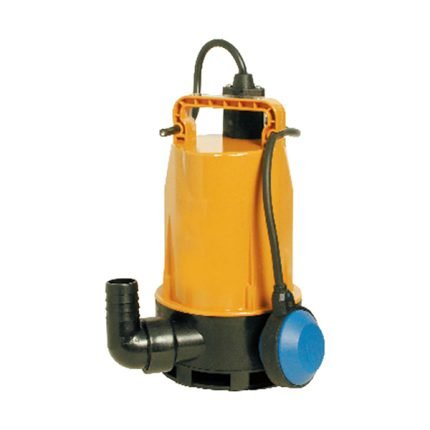
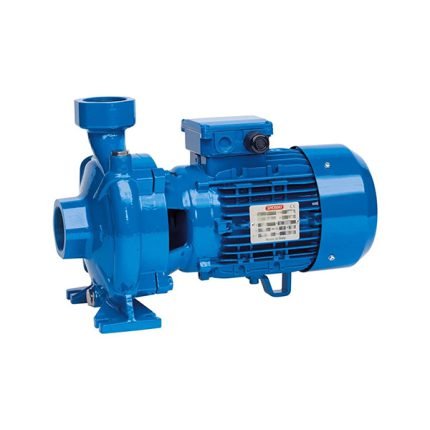
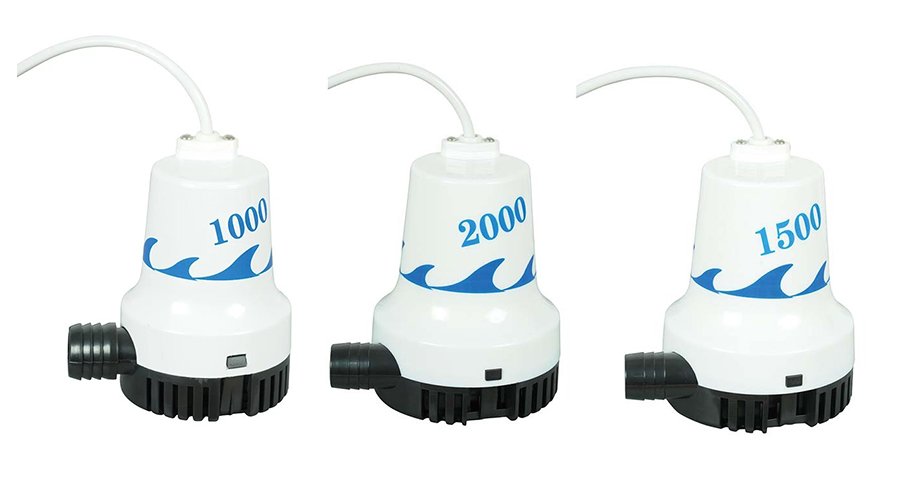
Centrifugal pumps are ideal for general irrigation and water transfer, offering high flow rates. Submersible pumps are placed directly in water sources like ponds or wells and work efficiently in deep water applications.

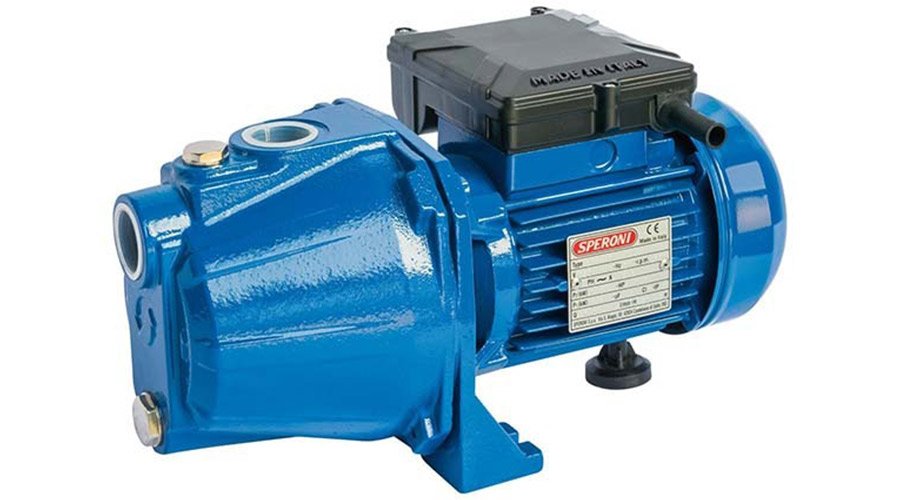
Jet pumps use suction and pressure mechanisms, making them suitable for drawing water from shallow wells. Solar-powered pumps provide an eco-friendly solution by harnessing solar energy, reducing electricity costs while maintaining a sustainable garden irrigation system.

Benefits of Using Garden Pumps

Garden pumps offer numerous advantages, making them a valuable investment for homeowners. One significant benefit is efficient irrigation, ensuring plants receive adequate water without the need for manual watering.

Another advantage is time and energy savings. Automated pump systems eliminate the hassle of carrying water manually, making gardening tasks more convenient.

Additionally, garden pumps contribute to water conservation. By using rainwater collection systems or well water, homeowners can reduce reliance on municipal water supplies, lowering utility bills while promoting sustainability.

Choosing the Right Garden Pump

Selecting the right garden pump involves considering factors such as flow rate, pressure requirements, and water source. A pump with the correct specifications will ensure optimal performance and longevity.

Homeowners should assess the distance and height the pump needs to move water. For large gardens, high-pressure pumps are recommended, while smaller areas may require lower-powered models.

Additionally, energy efficiency and durability should be considered. Investing in a high-quality pump with low energy consumption can result in long-term savings and reduced environmental impact.

Installing a Garden Pump

Proper installation of a garden pump is essential for its effectiveness. The first step is selecting a suitable location near the water source, ensuring easy access for maintenance.

Most pumps require secure mounting and stable electrical connections. A protective cover can shield the pump from harsh weather conditions, prolonging its lifespan.

Additionally, installing filters and pressure regulators can prevent clogging and ensure consistent water flow. Following manufacturer guidelines ensures a smooth setup and optimal pump performance.

Residential Pumps

Maintenance Tips for Garden Pumps

Regular maintenance helps garden pumps operate efficiently and extend their lifespan. One crucial step is cleaning filters and nozzles to prevent blockages that can reduce performance.

Checking for leaks, worn-out seals, and damaged hoses is essential for preventing water wastage and ensuring proper operation. Periodic lubrication of moving parts also helps maintain smooth performance.

Lastly, winterizing the pump during cold months prevents freezing and damage. Draining excess water and storing portable pumps indoors can protect them from extreme temperatures.

Common Issues and Troubleshooting Garden Pumps

Like any mechanical device, garden pumps may encounter occasional issues. One common problem is low water pressure, which can result from clogged filters or airlocks.

If a pump fails to start, checking power connections and motor components can help identify the cause. Sometimes, overheating may occur due to excessive use or lack of ventilation.

Regular inspections and timely troubleshooting can prevent major repairs, ensuring the pump remains in optimal working condition throughout the gardening season.

Energy-Efficient Garden Pumps

Energy efficiency is a key consideration when choosing a garden pump. Solar-powered pumps offer an eco-friendly alternative by reducing reliance on electricity while maintaining a sustainable irrigation system.

Using variable speed pumps can help adjust water flow based on demand, reducing energy consumption and operational costs. Additionally, investing in Energy Star-rated pumps ensures compliance with efficiency standards.

Optimizing irrigation schedules and using rainwater harvesting systems further enhance energy efficiency, making garden maintenance more cost-effective and environmentally friendly.

Finding the Best Garden Pump for Your Needs

With various garden pump options available, choosing the best one depends on individual requirements. Factors such as garden size, water source, and pressure needs should be carefully evaluated.

Homeowners looking for automatic irrigation may prefer programmable pump systems, while those focusing on sustainability might opt for solar-powered models. Consulting a professional can help determine the best choice.

Investing in a high-quality garden pump ensures long-term reliability and efficiency, making gardening more enjoyable and productive. With proper selection and maintenance, homeowners can keep their gardens flourishing with minimal effort.