Submersible Pumps: The Ultimate Guide for Efficient Water Pumping

When it comes to efficient and reliable water pump solutions, submersible pumps stand out as a top choice for a variety of applications. These pumps are designed to operate while fully submerged in water, making them ideal for tasks where surface-level pumps fall short. Whether you’re dealing with residential water supply, agricultural irrigation, industrial processes, or dewatering in construction, submersible pumps offer durability, power, and energy efficiency. In this article, we’ll explore everything you need to know about submersible pumps and why they are a preferred solution in many industries.

What Is a Submersible Pump and How Does It Work?

A submersible pump is a device engineered to function while completely submerged in water or other fluids. Unlike traditional pumps that pull water to the surface, submersible pumps push liquid upward through an impeller, creating consistent and efficient flow. Their hermetically sealed motors prevent water from entering and causing damage, ensuring the device operates effectively even under harsh conditions.

The working mechanism of a submersible pump relies on a combination of motor power and hydraulic force. When activated, the motor spins the impeller, generating pressure that moves water through the pump’s outlet. This design eliminates the risk of cavitation, a common issue in surface pumps, where air bubbles form and disrupt water flow.

Submersible pumps are versatile and can be used in various environments, from shallow wells to deep reservoirs. Their ability to operate underwater minimizes energy loss and enhances performance, making them an indispensable tool for tasks requiring reliable water transfer.

Key Advantages of Using Submersible Pumps

One of the standout advantages of submersible pumps is their exceptional energy efficiency. Since the pump operates underwater, it doesn’t require priming, and the motor directly transfers energy to the liquid, reducing power consumption. This efficiency translates to lower operational costs, especially for large-scale and long-term projects.

Another benefit is the pump’s quiet operation. Being submerged, the sound generated by the motor is significantly muffled, making submersible pumps an excellent choice for residential or noise-sensitive areas. Their design also eliminates the need for additional noise-dampening systems, which adds to their convenience.

Submersible pumps are highly durable and built to withstand tough environments. With robust seals and corrosion-resistant materials, they perform reliably even in extreme conditions, such as in sewage systems or saltwater applications. This durability ensures minimal maintenance and extended service life, providing value for money.

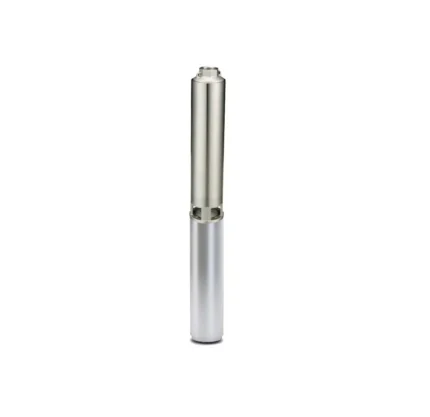
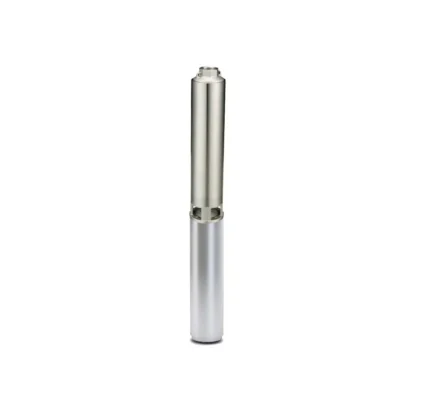
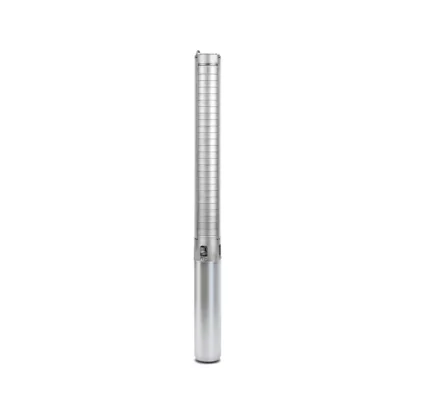
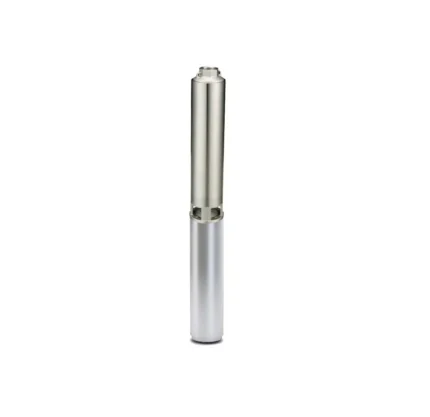
Submersible Pump
submersible well water pump | submersible pump water

Common Applications of Submersible Pumps

Submersible pumps are used across a wide range of industries and applications. In residential settings, they are commonly employed for well water extraction, ensuring a consistent water supply for households. They are also widely used in sump systems to prevent basement flooding during heavy rains.

In agriculture, submersible pumps play a vital role in irrigation systems, delivering water to crops efficiently and sustainably. Their ability to handle large volumes of water makes them ideal for managing farm reservoirs and dewatering flooded fields, which is crucial during the rainy season.

Industrial and municipal sectors also rely on submersible pumps for wastewater management, flood control, and draining construction sites. Their high pumping capacity and resistance to debris make them essential for projects where reliability and efficiency are critical.

Types of Submersible Pumps You Should Know

There are several types of submersible pumps, each designed for specific applications. Deep well submersible pumps are widely used in residential and agricultural settings, capable of drawing water from depths exceeding 300 feet. These pumps are ideal for supplying clean water to homes and farms.

Sewage submersible pumps are designed to handle wastewater containing solids and debris. Their heavy-duty construction and ability to operate in challenging environments make them indispensable in sewage treatment plants and municipal waste systems.

Other types include sump pumps, used for draining shallow water, and booster pumps, which enhance water pressure in pipelines. Each type serves a distinct purpose, so choosing the right one depends on the specific requirements of your project.

How to Choose the Right Submersible Pump for Your Needs

Selecting the right submersible pump involves evaluating key factors such as flow rate, head height, and the nature of the liquid being pumped. Flow rate determines how much water the pump can move per minute, while head height indicates the maximum vertical distance the pump can push water.

Consider the application and environment where the pump will be used. For instance, sewage pumps require heavy-duty construction to handle solids, whereas well pumps should focus on efficiency and depth capability. Understanding these distinctions is critical for making the right choice.

Lastly, energy efficiency and maintenance requirements should also be taken into account. Investing in a high-quality pump might involve a higher upfront cost, but it ensures durability, reliability, and lower operational expenses in the long run.

Submersible Pump vs. Surface Pump: Which One Is Better?

The choice between submersible and surface pumps depends on the application. Submersible pumps are ideal for deep water pumping, as they operate underwater and can handle greater depths with ease. Surface pumps, on the other hand, are more suitable for shallow water sources.

Submersible pumps are generally more efficient because they push water rather than pulling it, which minimizes energy loss. They are also quieter and less prone to issues like cavitation, making them a better choice for demanding applications.

However, surface pumps are easier to access and maintain since they are not submerged. This feature makes them more convenient for situations where frequent maintenance or adjustments are needed.

Installation and Maintenance Tips for Long-Lasting Performance

Proper installation of a submersible pump ensures optimal performance and longevity. Begin by selecting a suitable location that minimizes exposure to debris and contaminants. Use a sturdy base to secure the pump and prevent vibrations that may cause wear over time.

Regular maintenance is crucial for submersible pumps. Clean the pump’s intake and impeller periodically to prevent blockages, and inspect the seals for wear and tear. Lubricating moving parts and checking electrical connections can also enhance efficiency and extend the pump’s life.

Store the pump correctly during long periods of inactivity, particularly in freezing temperatures. Removing it from water and cleaning it thoroughly before storage helps prevent damage from rust or ice formation.

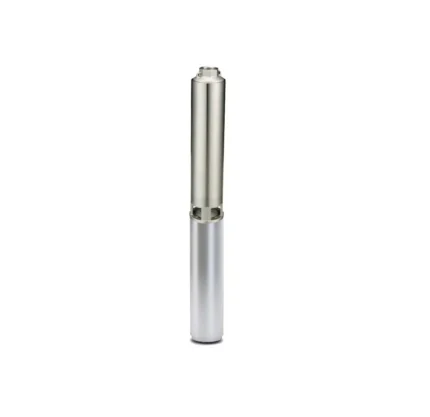
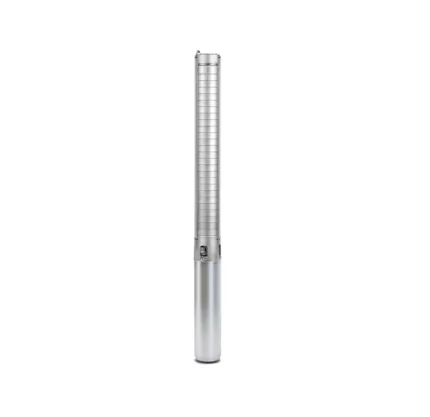
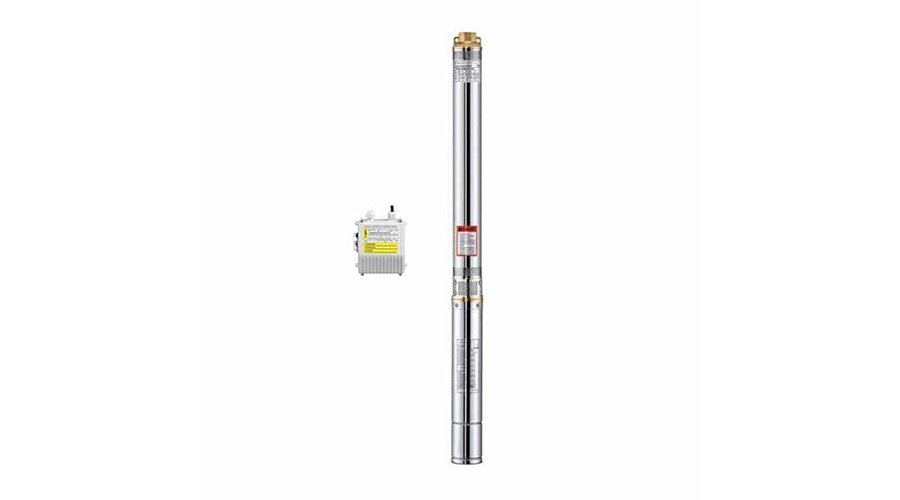
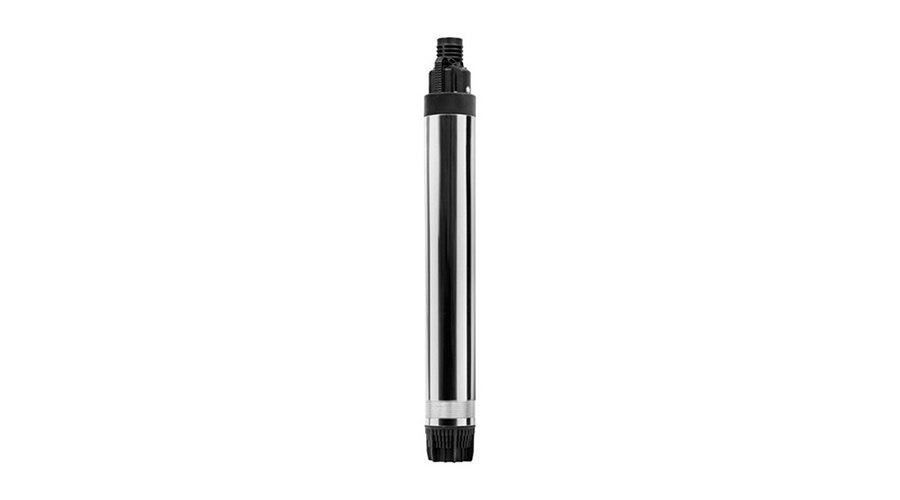
submersible water pumps

Energy Efficiency and Cost-Effectiveness of Submersible Pumps

Submersible pumps are known for their superior energy efficiency, largely because they operate directly in the fluid they are pumping. Since they push water rather than pulling it from the surface, they reduce the amount of energy lost in the process. This makes them an environmentally friendly option, especially for systems that run continuously or for extended periods.

In addition to saving energy, submersible pumps can lower operational and maintenance costs over time. Their enclosed design minimizes the chances of mechanical failure and keeps the internal components protected from external contaminants. This durability means fewer breakdowns, less downtime, and lower repair expenses.

Although the upfront cost of a submersible pump may be higher than that of a surface pump, the long-term savings can be significant. When you factor in reduced energy bills, extended lifespan, and minimal servicing requirements, the total cost of ownership becomes much more favorable. This makes them a smart investment for homeowners, farmers, and industries alike.

Signs Your Submersible Pump Needs Repair or Replacement

Like all mechanical equipment, submersible pumps can wear down over time. One of the first signs that your pump may need attention is a noticeable drop in water pressure or flow rate. This could indicate a clogged impeller, worn-out seals, or motor issues that reduce the pump’s efficiency.

Unusual noises such as grinding, rattling, or humming are also warning signs. While submersible pumps typically operate quietly, internal damage or loose components can create abnormal sounds. If these noises persist, it’s best to shut down the pump and inspect it to prevent further damage.

Frequent cycling, unexpected shut-offs, or failure to turn on altogether could point to electrical problems, faulty float switches, or overheating. Ignoring these symptoms can lead to complete pump failure. Regular inspection and prompt repair can help you avoid costly replacements and system downtime.

Future Trends in Submersible Pump Technology

The submersible pump industry is rapidly evolving with the integration of smart technologies. One major trend is the use of IoT-enabled pumps that can monitor performance, detect faults, and send real-time alerts to users. This not only enhances efficiency but also allows for predictive maintenance, reducing the risk of sudden breakdowns.

Another promising development is the rise of solar-powered submersible pumps. These environmentally friendly alternatives are especially beneficial in remote or off-grid locations, such as farms or rural water supply systems. They provide sustainable pumping solutions with zero fuel costs and minimal maintenance.

Material advancements are also shaping the future of submersible pumps. Manufacturers are now using corrosion-resistant composites and advanced sealing technologies to build pumps that can last longer and handle more aggressive fluids. As these innovations become more accessible, we can expect submersible pumps to become even more reliable, efficient, and adaptable to diverse applications.