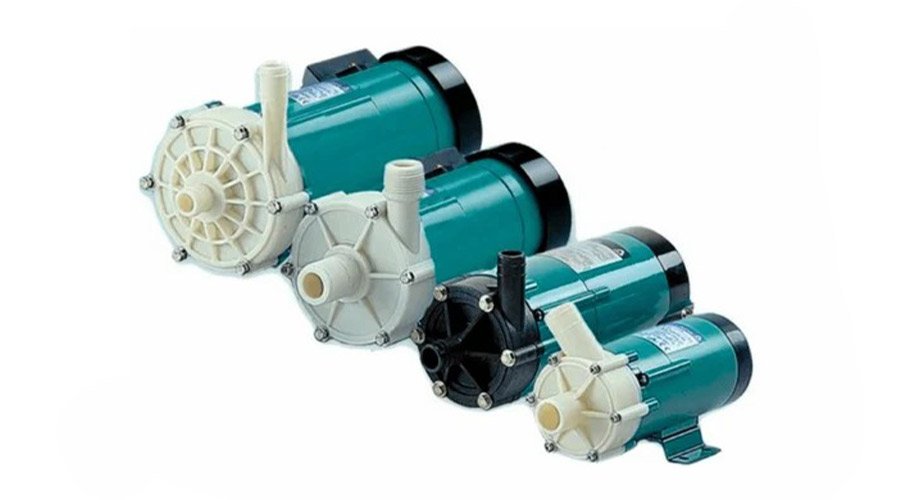
Magnetic Drive Pumps: A Revolution in Fluid Handling Technology

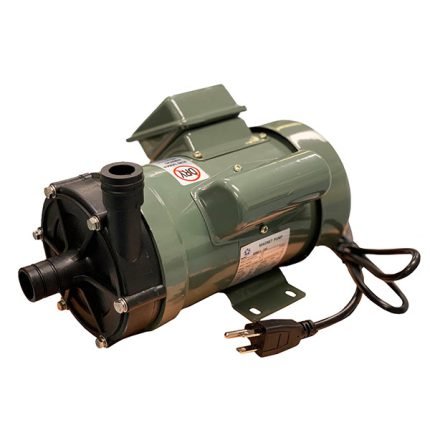
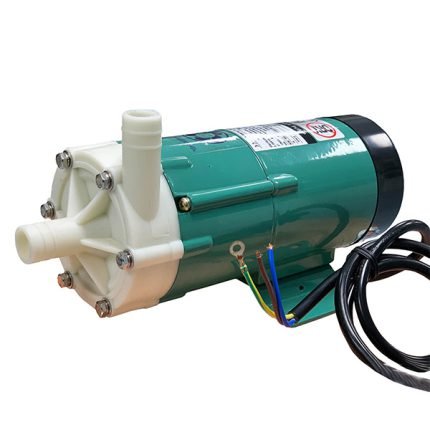
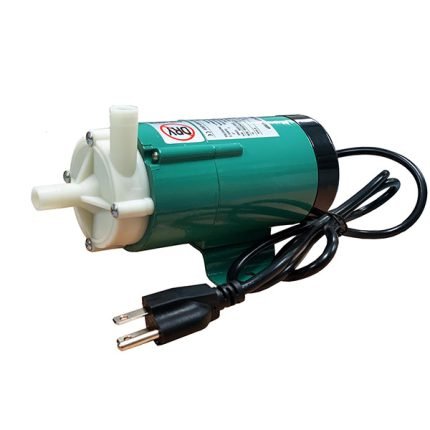
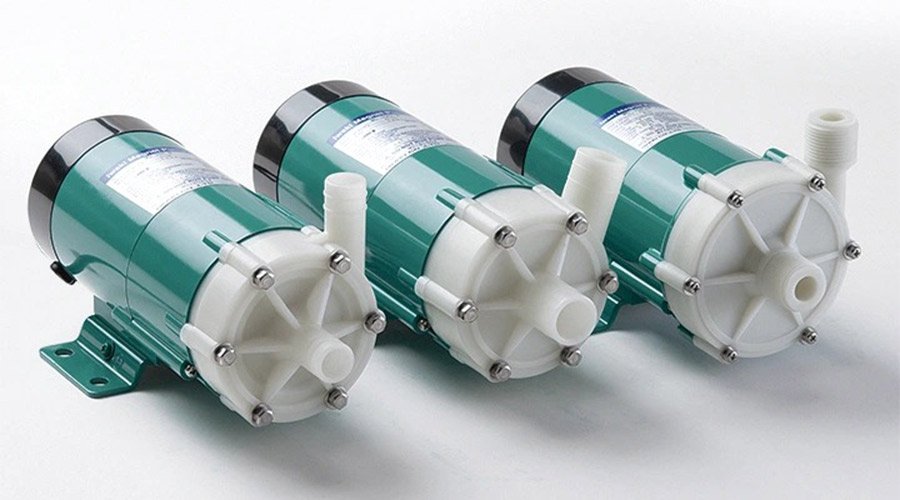
magnetic drive water pump have gained immense popularity in industries that require precise, efficient, and leak-free fluid transfer. These pumps are a unique subcategory of water pumps, distinguished by their ability to operate without direct shaft seals. Instead, magnetic drive pumps use magnetic coupling to transfer power from the motor to the pump impeller, offering a range of benefits over traditional mechanical seal pumps. With applications in chemical processing, pharmaceuticals, and water treatment, magnetic drive pumps provide a reliable and cost-effective solution for handling hazardous or sensitive fluids.

In this article, we will explore the function, types, applications, benefits, and key considerations for choosing the right magnetic drive pump. Whether you are looking to improve your current system or are just beginning to explore these pumps, this guide will give you the essential information to make an informed decision.

What Are Magnetic Drive Pumps and How Do They Work?

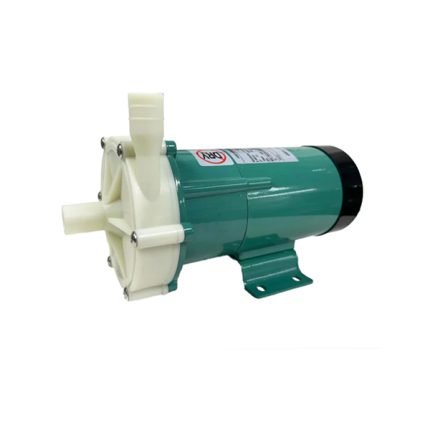
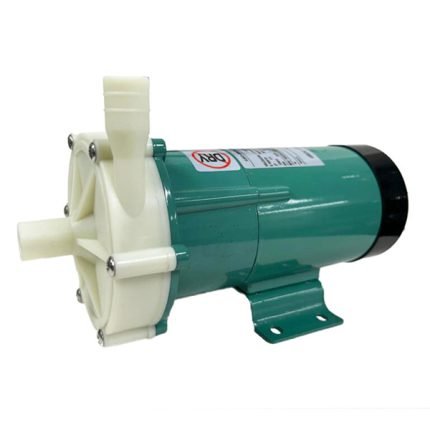
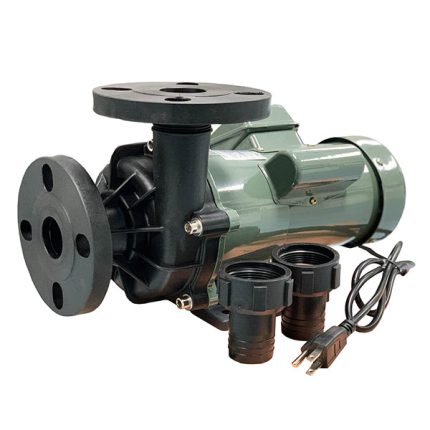
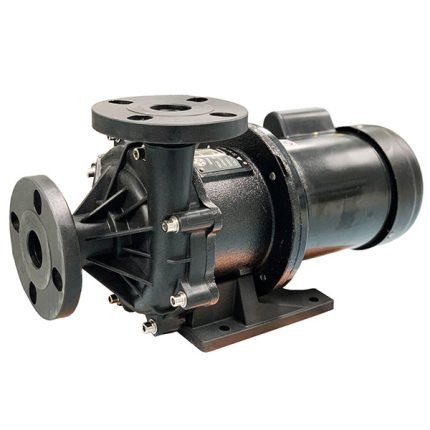
magnetic water pump are a type of centrifugal pump designed to move fluids without the use of traditional mechanical seals. The pump’s motor is connected to a magnetic coupling, which uses a magnetic field to drive the impeller without physical contact. This magnetic coupling consists of two sets of magnets – one on the motor shaft and another on the pump impeller.

The benefit of this design is that it eliminates the need for seals, which are often prone to wear and leakage. As the motor turns, the magnetic field causes the impeller to rotate, transferring fluid through the system. The absence of seals makes these pumps ideal for handling aggressive, corrosive, or hazardous liquids that could damage traditional seals and result in leaks.

Key Advantages of Magnetic Drive Pumps

Magnetic drive pumps come with several distinct advantages that make them stand out from traditional water pumps.

  • Leak-Free Operation: One of the most significant benefits of magnetic drive pumps is their leak-proof design. Since there are no seals, the risk of leakage is minimized, making them suitable for hazardous chemicals or toxic fluids.
  • Maintenance-Free: Because there are no seals to replace or maintain, magnetic drive pumps require less frequent servicing, resulting in lower maintenance costs and less downtime.
  • Efficiency: The design of magnetic drive pumps offers high energy efficiency, as there is less friction compared to traditional pumps with mechanical seals, resulting in reduced power consumption.
  • Durability: Magnetic drive pumps are built to handle aggressive fluids, making them ideal for industries that require long-lasting equipment. Their ability to withstand chemicals and extreme conditions makes them highly durable.
Magnetic Drive Pumps
magnetic chemical pump | magnetic pump | magnetic motor pump | magnetic drive water pumps | magnetic impeller water pump

Types of Magnetic Drive Pumps

Magnetic drive pumps come in a variety of configurations, each designed for specific applications and industries. Some of the most common types include:

  • Centrifugal Magnetic Drive Pumps: These are the most common type and are designed to handle liquids with a low viscosity. They operate by using a spinning impeller to generate centrifugal force that moves the fluid.
  • Peristaltic Magnetic Drive Pumps: These pumps use a flexible tube to move liquids. As the pump rotates, the tube compresses and pushes the liquid forward. These pumps are ideal for handling viscous or shear-sensitive fluids.
  • Gear Magnetic Drive Pumps: This type of pump is used for applications requiring precise flow control. Gear magnetic drive pumps are commonly used in industries like food processing and pharmaceuticals.

Each type of magnetic drive pump offers specific advantages depending on the type of fluid being pumped, flow requirements, and operating conditions.

Applications of Magnetic Drive Pumps

Magnetic drive pumps are used across a variety of industries where precision, efficiency, and safety are critical. Some key applications include:

  • Chemical Processing: These pumps are ideal for transferring corrosive chemicals and solvents, where traditional seals would fail or cause contamination.
  • Pharmaceutical Industry: In pharmaceutical manufacturing, magnetic drive pumps are used for sterile liquid transfer, ensuring that no contamination occurs during the handling of sensitive fluids.
  • Water Treatment: Magnetic drive pumps are used in water treatment plants to pump water, chemicals, and other liquids without risking leaks or contamination.
  • Food and Beverage Industry: For applications that require hygienic conditions, magnetic drive pumps are used to transfer liquids in food and beverage processing, ensuring that the pumps do not introduce contaminants.

How Magnetic Drive Pumps Improve Safety and Environmental Impact

One of the standout features of magnetic drive pumps is their ability to improve safety in environments where handling hazardous or toxic fluids is a concern. Because there are no seals or glands to leak, the likelihood of spills and environmental contamination is dramatically reduced.

In addition to safety, magnetic drive pumps help mitigate environmental risks by providing leak-free operation, which is especially critical when working with volatile or dangerous substances like acids, solvents, or toxic chemicals. By ensuring the integrity of the fluid system, these pumps help industries adhere to environmental regulations and minimize the environmental footprint of their operations.

Energy Efficiency and Cost Savings with Magnetic Drive Pumps

Magnetic drive pumps are known for their energy efficiency. Unlike traditional pumps with mechanical seals that may generate significant friction and heat, magnetic drive pumps operate with reduced mechanical contact, leading to lower energy consumption. This reduction in friction also translates into longer-lasting equipment with fewer maintenance needs.

Although magnetic drive pumps may have a higher initial investment compared to standard pumps, their long-term energy savings and reduced maintenance costs make them a cost-effective choice in the long run. Their ability to operate efficiently over time ensures that businesses can lower operational expenses while improving their bottom line.

Magnetic Drive Pumps vs. Mechanical Seal Pumps: Which is Better?

While both magnetic drive pumps and traditional mechanical seal pumps are designed to move fluids, magnetic drive pumps offer several distinct advantages over mechanical seal pumps. For example:

  • Leak Prevention: Mechanical seal pumps rely on seals that can wear out over time, potentially leading to leaks. Magnetic drive pumps, on the other hand, are inherently leak-free due to the absence of seals.
  • Reduced Maintenance: Mechanical seals require regular maintenance and replacement, while magnetic drive pumps have minimal maintenance requirements due to their seal-less design.
  • Chemical Compatibility: Magnetic drive pumps are better suited for handling aggressive or corrosive chemicals as they eliminate the risk of seal degradation.

Overall, magnetic drive pumps are the preferred choice in situations that require high reliability, chemical compatibility, and low maintenance costs.

Magnetic Drive Pumps
magnetic water pumps | magnetic drive chemical pump | magnetic drive pump price | magnetic drive pumps for chemical applications

Factors to Consider When Choosing a Magnetic Drive Pump

When selecting a magnetic drive pump for your application, several factors need to be considered:

  • Fluid Type: Determine if the fluid is corrosive, abrasive, or hazardous, as magnetic drive pumps are ideal for handling such liquids without leaks.
  • Flow Rate and Pressure Requirements: Understand the flow rate and pressure requirements of your system to ensure you select the right size pump for your needs.
  • Temperature: Some magnetic drive pumps are rated for high temperatures, so check the temperature specifications to ensure compatibility with your fluid’s temperature.

Material Compatibility: Ensure that the pump materials are compatible with the fluid being pumped. Many pumps are made from stainless steel or plastic to handle a variety of fluids.

Common Issues and Troubleshooting with Magnetic Drive Pumps

While magnetic drive pumps are known for their durability and reliability, they are not immune to problems. Some common issues include:

  • Loss of Prime: This can occur if air enters the pump system, which prevents it from operating effectively. Ensure that the system is properly primed and check for leaks.
  • Overheating: If the pump is overloaded or operates in high temperatures, it may overheat. Check the motor and ensure that the pump is not operating beyond its rated capacity.
  • Magnetic Decoupling: In rare cases, the magnets may decouple if there is too much resistance in the system. Ensure that the system is operating within the pump’s specified limits.

By performing regular maintenance and ensuring proper installation, you can mitigate these issues and prolong the lifespan of your magnetic drive pump.

The Future of Magnetic Drive Pumps: Innovations and Trends

The magnetic drive pump industry is continually evolving. New technological advancements are improving their performance, energy efficiency, and chemical compatibility. The integration of smart technologies such as sensors and IoT capabilities is paving the way for automated monitoring and predictive maintenance, making these pumps even more efficient and reliable.

In addition, as industries continue to prioritize sustainability and environmental protection, magnetic drive pumps are becoming more widespread in applications where leak prevention and reduced carbon footprints are critical.

The future of magnetic drive pumps looks promising, with continuous innovations aimed at enhancing their capabilities and making them even more versatile for a wide range of applications.