Bilge Pumps: Essential Water Pumps for Marine Safety

Bilge pumps are crucial components of any watercraft, designed to remove unwanted water from the bilge—the lowest part of a boat’s hull. Whether on a fishing boat, yacht, or commercial vessel, these pumps play a vital role in maintaining buoyancy and preventing flooding.

Water accumulation in the bilge can result from rough seas, rain, hull leaks, or routine onboard activities. Without an efficient bilge pump, this water can compromise the safety and operation of the vessel. That’s why having the right bilge pump system is essential for marine safety.

In this article, we’ll dive into everything you need to know about bilge pumps—from how they work and the different types available, to their maintenance, installation tips, and more.

What Is a Bilge Pump and Why Is It Important?

A bilge pump is a type of water pump specifically designed to remove water from a boat’s bilge area. This area often collects water due to leakage, rain, or splashes from waves. Without a pump to evacuate this water, the boat’s stability and safety can be seriously compromised.

The importance of bilge pumps cannot be overstated. They provide an automatic response to accumulating water, preventing onboard flooding and protecting vital equipment from water damage. In emergency situations, a bilge pump can be the line of defense that keeps a vessel afloat.

Additionally, bilge pumps help maintain dry and odor-free bilge compartments, which is essential not only for safety but also for comfort and sanitation. Whether for recreational or commercial vessels, bilge pumps are a standard piece of marine equipment.

Types of Bilge Pumps: Centrifugal vs. Diaphragm

Bilge pumps are commonly divided into two main types: centrifugal and diaphragm pumps. Each type has unique characteristics and is suited for different marine environments and needs.

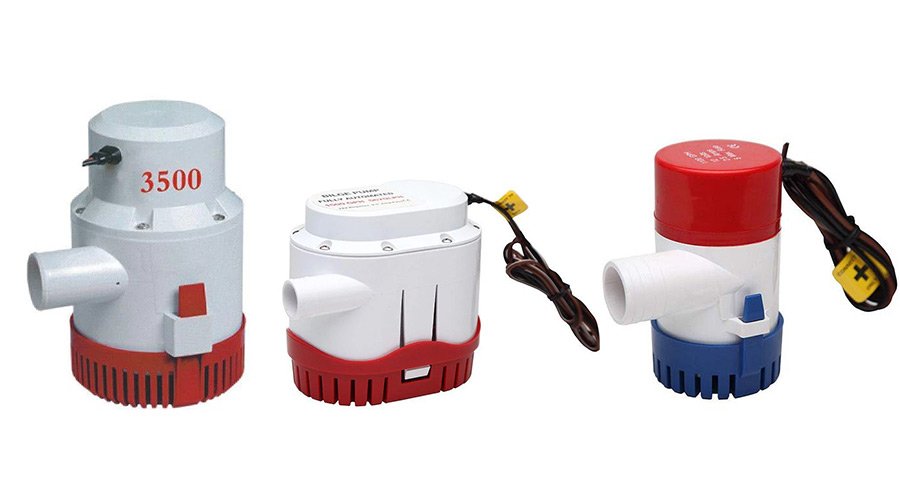
Centrifugal bilge pumps are the most common type. They use an impeller to create a vacuum that draws in water and expels it through an outlet hose. These pumps can move a large volume of water quickly, making them ideal for high-capacity applications. However, they typically cannot self-prime and must be installed below the waterline.

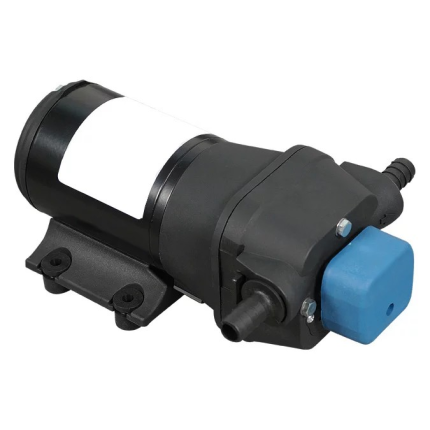
Diaphragm bilge pumps, on the other hand, use a flexible diaphragm and check valves to move water. They are self-priming and can be mounted above the bilge. While they tend to move less water than centrifugal pumps, they are better suited for boats that require long lift distances or experience frequent dry runs. Choosing between the two depends on factors like vessel size, pump location, and the volume of water expected to be handled regularly.

Bilge Pumps
bilge water industrial pump | bilge water multiphase pump

Automatic vs. Manual Bilge Pumps

Bilge pumps are also categorized by how they are activated—either automatic or manual. Each has specific advantages, and many boat owners choose to use both for added reliability.

Automatic bilge pumps are equipped with a float switch or water sensor that activates the pump when water levels rise. This provides peace of mind, especially when the boat is unattended, as the system responds immediately without human intervention.

Manual bilge pumps require someone to operate them, typically by pumping a handle or stepping on a foot pedal. While this might sound outdated, manual pumps are essential as backup systems in case of power failure or pump malfunction.

A well-rounded bilge system often includes both types: an automatic pump for convenience and a manual pump for emergency redundancy. This dual approach ensures continuous protection under any circumstance.

Key Features to Look for in a Bilge Pump

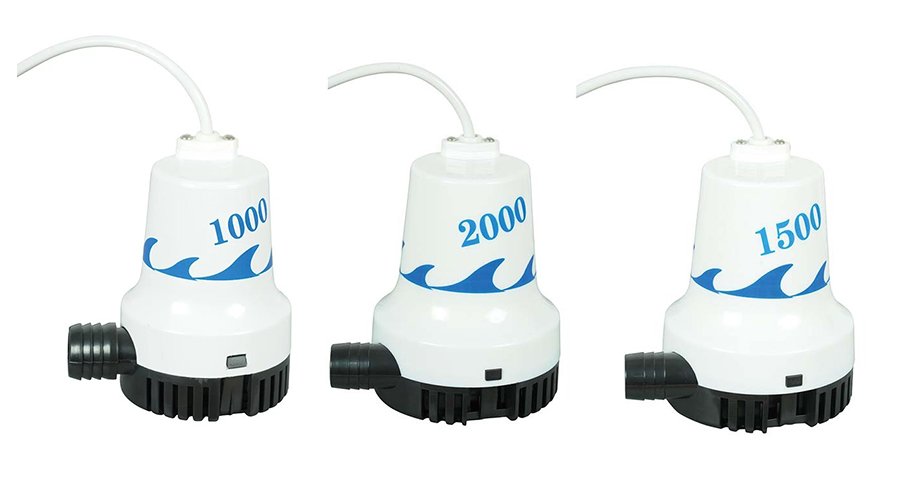
When choosing a bilge pump, several features should be evaluated to ensure it meets your boat’s needs. Pump capacity, power source, build quality, and ease of maintenance are all important considerations. Flow rate, usually measured in gallons per hour (GPH), is one of the most critical specifications. The larger the boat, the higher the flow rate required. For example, small boats may need a 500–1000 GPH pump, while larger vessels could require pumps capable of 2000 GPH or more.

Power source compatibility is another factor—most electric bilge pumps run on 12V DC, but you’ll want to ensure your system matches. Also, prioritize marine-grade materials such as corrosion-resistant plastics or stainless steel, especially if boating in saltwater conditions. Lastly, look for pumps that offer easy access for cleaning and maintenance, as bilge areas can collect debris that may clog or wear down pump components over time.

Installation Best Practices for Bilge Pumps

Proper installation of a bilge pump is essential for optimal performance and safety. Positioning, wiring, and hose routing must be done correctly to ensure the pump operates when needed.

The pump should be installed at the lowest point of the bilge, where water naturally collects. If installing a centrifugal pump, ensure it is below the waterline to prevent airlocks. For diaphragm pumps, installation above the bilge is acceptable due to their self-priming nature.

Use marine-grade wiring and connectors to avoid corrosion and electrical issues. Secure hoses to avoid kinks, and route them in a way that allows smooth water flow. Installing a check valve may also be advisable to prevent backflow into the bilge. Testing the system after installation is crucial. Pour water into the bilge and confirm the pump activates and drains the water effectively.

Maintaining Your Bilge Pump for Long-Term Use

Regular maintenance is key to ensuring your bilge pump functions reliably when it matters most. Neglecting upkeep can lead to clogs, reduced performance, or complete pump failure. Clean the pump strainer and impeller regularly to remove debris like hair, sludge, and small objects that can impede water flow. This is especially important after heavy rain, rough seas, or maintenance work in the bilge.

Test the float switch or automatic sensor monthly by lifting it manually or pouring water into the bilge. Also, inspect the wiring for corrosion, loose connections, or frayed insulation. These issues can cause electrical shorts or failures. If your boat is stored for long periods, flush the bilge and store the pump in a dry, ventilated space. This practice helps prevent mold, rust, and degradation of pump components.

Common Issues and Troubleshooting Tips

Like any mechanical system, bilge pumps can experience issues over time. Identifying and troubleshooting these problems early can prevent larger failures at sea. One common issue is pump not activating, often due to a faulty float switch, dead battery, or corroded wiring. Test the float manually and inspect the power supply to isolate the problem. Another issue is the pump running but not pumping water, which could indicate a clog, airlock, or disconnected hose.

Noise or vibration during operation can point to worn-out bearings or impeller damage. Regularly listening to your pump can help catch such signs before they escalate. Having a backup pump and spare parts onboard ensures you’re prepared to address most issues without delay, enhancing safety and confidence on the water.

Residential Pumps
bilge pump types | marine bilge pumps

Bilge Pump Regulations and Safety Standards

Bilge pump installation and performance are governed by marine safety regulations and standards to protect life and property at sea. Compliance ensures not only your safety but also legal operation of your vessel.

Regulations vary by country and boat size. For example, the U.S. Coast Guard requires certain vessels to have fixed or portable bilge pumps capable of dewatering the bilge efficiently. Commercial vessels often face stricter rules compared to recreational boats.

Many manufacturers also follow standards from organizations like the American Boat and Yacht Council (ABYC) or ISO. These standards define pump capacity, wiring specifications, and installation guidelines for consistent and safe usage. Staying informed about regulations and choosing certified equipment helps ensure that your bilge pump system is reliable and legally compliant.

Comparing Electric and Manual Bilge Pump Systems

Electric and manual bilge pump systems each have distinct strengths, and understanding the differences can help you choose the best configuration for your vessel. Electric bilge pumps offer convenience and automation, operating continuously or when water reaches a certain level. They are ideal for daily use and can handle large volumes of water efficiently. However, they depend on battery power, which can fail in emergency scenarios.

Manual bilge pumps, in contrast, provide a dependable backup solution. They’re simple, durable, and don’t rely on electrical systems. Though they require physical effort, they’re invaluable during electrical failures or when clearing small amounts of water. A hybrid setup that combines both pump types offers maximum reliability. Electric pumps handle routine water removal, while manual pumps provide peace of mind in emergencies.

Why Every Boat Needs a Reliable Bilge Pump System

Whether you own a small dinghy or a large yacht, a reliable bilge pump system is a non-negotiable safety requirement. Water ingress is a constant risk at sea, and without a system to manage it, boats are left vulnerable.

A dependable bilge pump setup can mean the difference between a manageable situation and a disaster. It protects not just your vessel’s mechanical integrity, but also the safety of everyone onboard. Even a small leak can become dangerous without immediate action.

Investing in a well-designed, properly installed, and routinely maintained bilge pump system is one of the smartest moves a boat owner can make. It ensures preparedness, boosts confidence at sea, and contributes to safer maritime adventures.