
Showing 1–12 of 328 resultsSorted by price: high to low
Sort by
Price filter
FILTER BY BRAND
DABDAB 10
GPT COGPT CO 205
JMSJMS 11
SPERONISPERONI 74
Filter by VOLTAGE
- 110/115 volt 30
- 12V - DC 25
- 220/230 volt 30
- 24V - DC 25
- 36V -DC 1
- 48V - DC 2
- 72V - DC 1
The Ultimate Guide to Water Pumps: Everything You Need to Know
Water pumps are essential devices used in residential, commercial, and industrial applications to move water efficiently. Whether you need to boost water pressure, drain excess water, or pump liquids over long distances, choosing the right type of water pump is crucial. With advancements in technology, there are now various types of pumps designed for specific uses, including submersible, centrifugal, solar-powered, and jet pumps.
Understanding how different water pumps work and their best use cases can help you make an informed decision when purchasing one. Some pumps are designed for handling clean water, while others can manage dirty water containing debris or chemicals. Additionally, factors such as power source, pressure capacity, and material construction play a significant role in determining the pump’s efficiency and longevity.
What Are Water Pumps and How Do They Work?
A water pump is a mechanical device that moves water from one location to another using pressure. These pumps can be powered by electricity, gasoline, diesel, or even solar energy, depending on the application. The basic working principle involves creating a vacuum that forces water into an inlet and then pushes it out through an outlet. Depending on the type, pumps can be designed for high-pressure delivery or high-volume transfer.
Water pumps are commonly used in various industries, including agriculture, construction, plumbing, and marine applications. In homes, they help with boosting water pressure and draining flooded areas. In industries, they ensure smooth water circulation for cooling systems and chemical processing. Different designs cater to specific needs, such as submersible pumps for deep wells and centrifugal pumps for large-scale irrigation.
Choosing the right water pump depends on several factors, including water source depth, flow rate requirements, and the type of liquid being pumped. For instance, a booster pump enhances water pressure in buildings, while a trash pump is ideal for moving dirty water with debris. Understanding these differences ensures efficiency and longevity in water management systems.
Booster Pumps: Enhancing Water Pressure
Booster pumps are designed to increase water pressure in residential and commercial water systems. These pumps are commonly used in buildings where the existing water pressure is too low for daily activities such as showering, washing, or irrigation. They work by drawing water from a source and increasing its pressure before distributing it through the plumbing system.
In residential applications, booster pumps are often installed in homes with low municipal water pressure or high-rise apartments where water needs to be transported to upper floors. In industrial and agricultural settings, these pumps ensure efficient water distribution for irrigation systems, manufacturing processes, and cooling systems. They can be combined with storage tanks to maintain consistent pressure.
Modern booster pumps come with advanced features like automatic pressure control, energy-efficient motors, and noise reduction technology. When selecting a booster pump, it’s essential to consider factors like flow rate, pump head height, and power consumption to ensure optimal performance and cost-effectiveness.
The pumping of water is a basic and practical technique, far more practical than scooping it up with one's hands or lifting it in a hand-held bucket. This is true whether the water is drawn from a fresh source, moved to a needed location, purified, or used for irrigation, washing, or sewage treatment, or for evacuating water from an undesirable location. Regardless of the outcome, the energy required to pump water is an extremely demanding component of water consumption. All other processes depend or benefit either from water descending from a higher elevation or some pressurized plumbing system.
https://en.wikipedia.org/wiki/Water_pumping
Trash Pumps: Handling Solid Waste Effortlessly
Trash pumps are heavy-duty pumps designed to move water that contains solids, debris, or sludge. Unlike standard water pumps, trash pumps have a robust impeller and volute casing that allow them to handle materials such as leaves, sand, and small stones without clogging. These pumps are widely used in construction sites, flood management, and agricultural applications where water often carries debris.
One of the key advantages of trash pumps is their ability to operate in harsh conditions without frequent maintenance. They are available in electric, gas, and diesel-powered models, providing flexibility for various applications. Construction workers rely on these pumps to remove water from excavations, while farmers use them to drain flooded fields.
When choosing a trash pump, consider factors such as solid-handling capacity, flow rate, and discharge size. Regular maintenance, such as cleaning the pump housing and checking the impeller for wear, ensures long-term reliability and efficiency. These pumps are indispensable for jobs requiring the removal of dirty or contaminated water.
Drainage Pumps: Preventing Flood Damage
Drainage pumps are specifically designed to remove excess water from areas prone to flooding, such as basements, construction sites, and outdoor spaces. These pumps prevent water accumulation, reducing the risk of structural damage, mold growth, and soil erosion. They can be manually operated or equipped with automatic float switches that activate when water levels rise.
Homeowners often install drainage pumps in basements or crawl spaces to prevent water damage during heavy rains. In construction, these pumps help remove groundwater from excavation sites, ensuring a safe and dry work environment. Municipalities also use drainage pumps to manage stormwater and prevent urban flooding.
Selecting the right drainage pump depends on factors such as pumping capacity, power source, and discharge head. Submersible drainage pumps, which operate underwater, are highly effective for continuous water removal. Regular maintenance, including checking the intake screen and cleaning the pump, ensures consistent performance.
Magnetic Drive Pumps: Efficient and Leak-Free
Magnetic drive pumps (mag-drive pumps) are specially designed to transfer liquids without direct contact between the motor and the pumped fluid. Instead of a traditional shaft seal, these pumps use a magnetic coupling system to move the impeller, eliminating the risk of leakage. This makes them ideal for handling hazardous chemicals, corrosive liquids, and other sensitive fluids.
Industries such as chemical processing, pharmaceuticals, and food production rely on mag-drive pumps for their high safety and efficiency. Since these pumps do not have mechanical seals, they require less maintenance and have a longer lifespan compared to conventional pumps. Additionally, their energy-efficient design reduces operational costs, making them a sustainable choice.
When choosing a magnetic drive pump, it’s important to consider factors such as chemical compatibility, flow rate, and temperature tolerance. These pumps are available in various materials, including plastic and stainless steel, to accommodate different industrial needs. Regular inspection of the magnetic coupling and impeller ensures optimal performance over time.
Submersible Pumps: Versatility Underwater
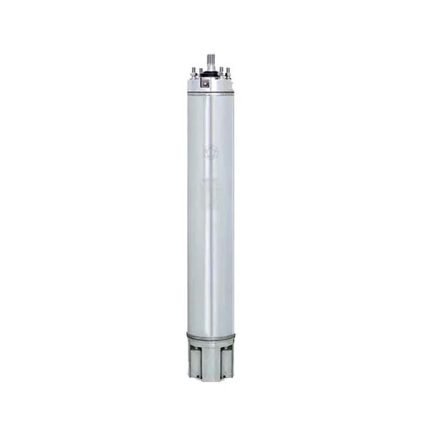
Submersible pumps are fully waterproof and designed to operate while submerged in liquid. These pumps are commonly used for deep wells, drainage applications, and sewage systems. Their design prevents air leakage and allows them to efficiently push water to the surface, making them ideal for situations where traditional pumps would fail.
One of the biggest advantages of submersible pumps is their efficiency in lifting water from deep sources. Unlike surface pumps, which rely on suction, submersible pumps use direct pressure, allowing for higher flow rates. They are commonly used in water wells, irrigation systems, and wastewater treatment plants.
When selecting a submersible pump, consider factors such as depth capacity, flow rate, and motor power. Regular maintenance includes checking the seals for wear and ensuring the motor is functioning properly. These pumps offer a reliable solution for applications requiring deep water extraction.
Thin Submersible Well Pumps: Compact and Powerful
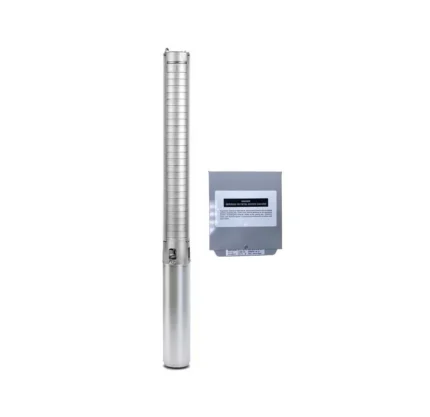
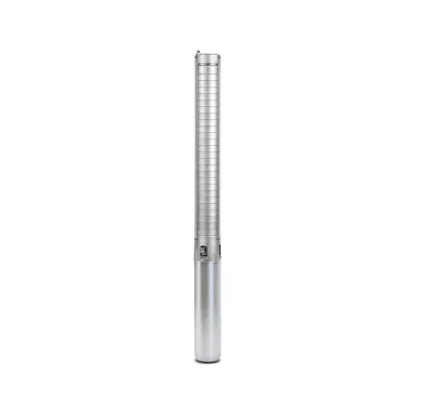
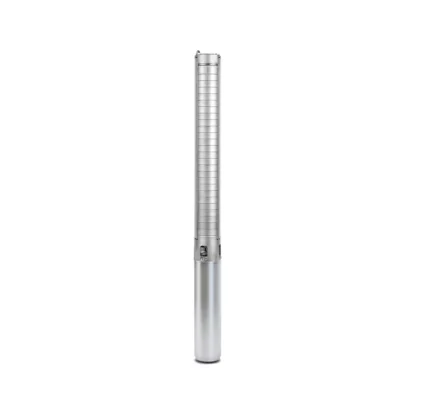
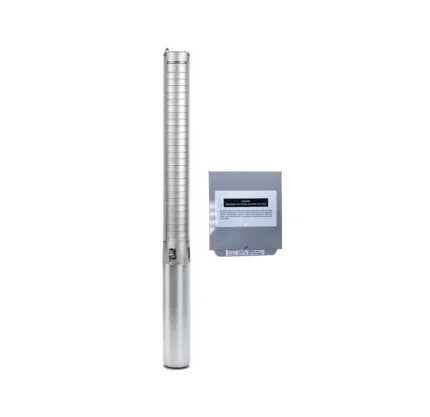
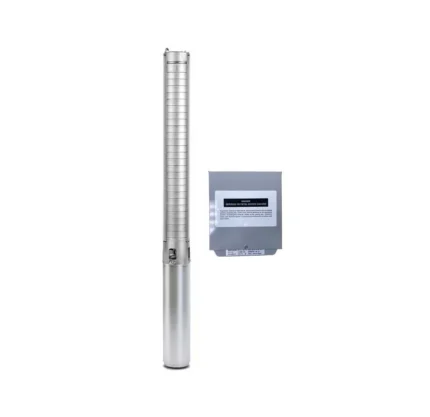
Thin submersible well pumps are specialized pumps designed for narrow wells or boreholes. Their slim design allows them to fit into tight spaces while maintaining high efficiency. These pumps are widely used in residential water supply systems, agricultural irrigation, and industrial applications where space is limited.
Despite their compact size, thin submersible well pumps deliver impressive performance. They can lift water from significant depths and provide consistent pressure for household and irrigation needs. Many of these pumps come with stainless steel construction, ensuring durability and resistance to corrosion.
Choosing the right thin submersible pump requires consideration of well diameter, water demand, and power source. These pumps are usually electric-powered, making them an energy-efficient solution for deep-water applications. Regular cleaning and filter maintenance ensure longevity and reliable performance.
Immiscible Coolant Pumps: Essential for Machinery
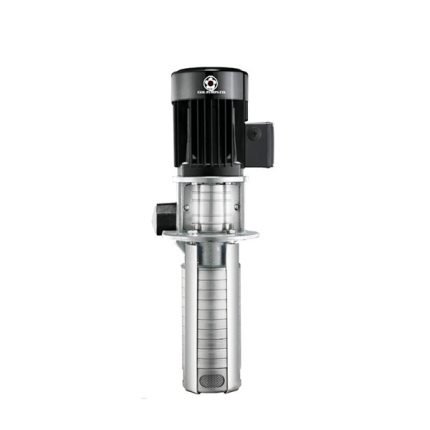
Immersible coolant pumps play a vital role in industrial and machining processes by maintaining optimal temperatures in cooling systems. These pumps circulate coolant through machinery, preventing overheating and ensuring smooth operation. They are commonly used in metalworking, CNC machines, and automotive applications.
One of the main benefits of immersible coolant pumps is their ability to operate continuously without overheating. Their robust design allows them to handle high temperatures and aggressive coolants. This enhances the efficiency and lifespan of industrial equipment, reducing downtime and maintenance costs.
When selecting an immersible coolant pump, factors such as coolant type, flow rate, and pressure requirements must be considered. Regular maintenance, including checking for clogs and inspecting seals, ensures long-lasting performance. These pumps are indispensable for industries that rely on precision cooling systems.
Centrifugal Pumps: The Backbone of Water Pumping
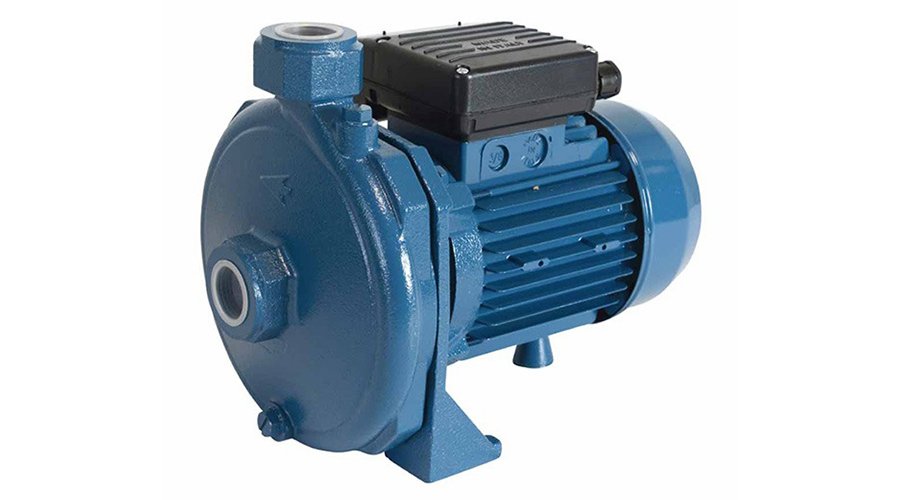
Centrifugal pumps are one of the most commonly used water pumps due to their simple yet effective design. They use rotational energy to move water, making them ideal for applications requiring continuous and high-volume water flow. These pumps are widely used in agriculture, municipal water systems, and industrial facilities.
The working principle of a centrifugal pump involves an impeller that spins rapidly, creating centrifugal force that pushes water outwards. This design allows for a steady and efficient flow of water, making it suitable for irrigation, HVAC systems, and fire protection. Centrifugal pumps are available in single-stage and multistage configurations, depending on the pressure requirements.
Proper maintenance of centrifugal pumps includes inspecting the impeller for wear, ensuring proper lubrication, and checking for leaks. These pumps are known for their durability and reliability, making them a preferred choice in many industries.
Multistage Pumps: Maximizing Efficiency
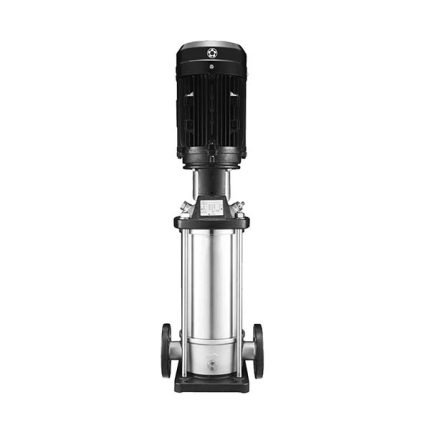
Multistage pumps are designed to generate high pressure by using multiple impellers arranged in series. Each stage increases the water pressure, making these pumps ideal for applications requiring long-distance water transportation, such as high-rise buildings, industrial cooling systems, and boiler feed applications.
Compared to single-stage pumps, multistage pumps offer superior efficiency and energy savings. Their design allows for greater pressure control while minimizing energy consumption. These pumps are commonly used in power plants, mining operations, and municipal water supply networks.
When selecting a multistage pump, factors such as required pressure, flow rate, and energy efficiency should be considered. Proper maintenance includes regular inspection of impellers, bearings, and seals to ensure optimal performance and longevity.
Shallow Well Jet Pumps: Ideal for Small Wells
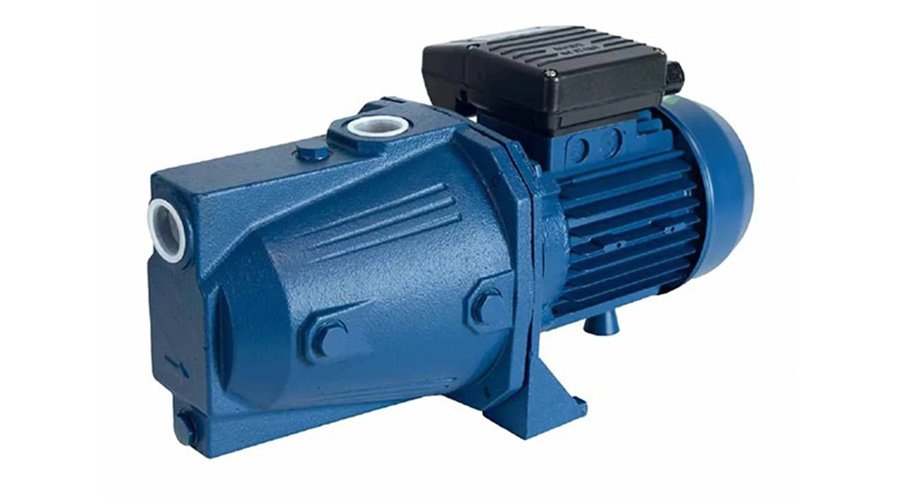
Shallow well jet pumps are specifically designed for wells that are less than 25 feet deep. These pumps create a vacuum that pulls water to the surface, making them ideal for residential water supply systems, garden irrigation, and rural applications.
One of the advantages of shallow well jet pumps is their ease of installation and maintenance. They are typically installed above ground, making them accessible for repairs and servicing. Many models come with built-in pressure switches that automatically turn the pump on and off based on water demand.
When choosing a shallow well jet pump, consider factors such as well depth, water table level, and motor power. Proper priming of the pump before operation ensures efficient performance and prevents air locking.
Circulator Pumps: Enhancing HVAC Systems
Circulator pumps are essential components in heating, ventilation, and air conditioning (HVAC) systems. These pumps maintain a steady flow of hot or cold water throughout a building, improving energy efficiency and comfort. They are widely used in residential and commercial heating systems, including radiant floor heating and boiler circulation.
Unlike standard water pumps, circulator pumps operate with low energy consumption and are designed for continuous operation. Their compact size allows them to be installed directly within piping systems, reducing the need for complex plumbing modifications. Many modern circulator pumps come with smart sensors that adjust flow rates based on temperature demands.
Regular maintenance of circulator pumps includes checking for leaks, ensuring proper lubrication, and cleaning out any blockages. These pumps contribute to lower energy bills and improved heating and cooling efficiency.
Solar Pumps: Sustainable Water Pumping
Solar pumps are an eco-friendly alternative to traditional electric or fuel-powered pumps. They use photovoltaic (PV) panels to convert sunlight into energy, making them ideal for remote areas without access to electricity. These pumps are commonly used for irrigation, livestock watering, and rural water supply.
One of the key benefits of solar pumps is their cost savings over time. While the initial investment may be higher, they eliminate fuel costs and require minimal maintenance. Additionally, they contribute to environmental sustainability by reducing carbon emissions.
When choosing a solar pump, factors such as solar panel capacity, water demand, and storage options should be considered. These pumps provide a reliable and energy-efficient solution for off-grid water pumping needs.
Bilge Pumps: A Lifesaver for Boats
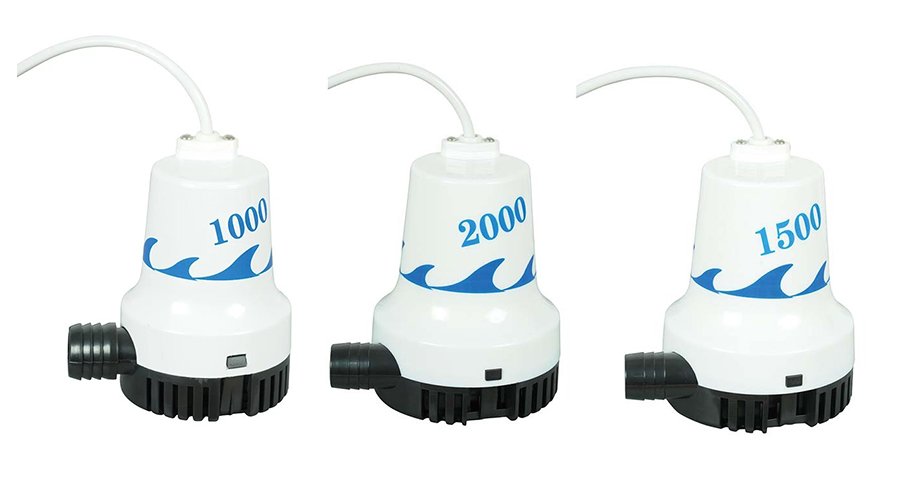
Bilge pumps are essential for marine applications, as they remove excess water from the bilge of boats and ships. These pumps prevent water accumulation that could lead to sinking, making them a crucial safety component for any vessel.
Bilge pumps can be manual or electric, with automatic versions activating when water levels rise. They are commonly found in fishing boats, yachts, and commercial vessels. Many modern bilge pumps come with sensors that detect water levels and operate without manual intervention.
Regular maintenance, including cleaning the pump and checking for clogs, ensures bilge pumps function properly in emergency situations. These pumps are indispensable for ensuring boat safety on the water.
Gas-Powered Pumps: High Performance for Remote Areas
Gas-powered pumps are versatile and powerful, making them ideal for areas where electricity is unavailable or unreliable. These pumps run on gasoline or diesel fuel, providing a portable and high-performance solution for moving large volumes of water. They are commonly used in agriculture, construction, firefighting, and emergency flood control.
One of the biggest advantages of gas-powered pumps is their ability to operate independently of electrical grids. This makes them essential for irrigation in remote farms, draining flooded areas, and supplying water to construction sites. Their rugged construction allows them to handle challenging environments, including muddy or debris-filled water.
When choosing a gas-powered pump, consider factors such as fuel efficiency, engine power, and flow capacity. Regular maintenance, including checking fuel levels, cleaning filters, and inspecting spark plugs, ensures long-lasting performance. These pumps are an excellent choice for heavy-duty applications where mobility and high water volume are required.