
Showing 1–12 of 13 resultsSorted by price: high to low
Sort by
FILTER BY BRAND
Pump Controllers: Essential Devices for Efficient Pump Management
Pump controllers are integral components of pump control units, designed to automate and optimize the operation of pump systems. These intelligent devices regulate pump performance based on specific parameters such as pressure, flow, and liquid levels. Whether in residential, agricultural, or industrial applications, pump controllers ensure efficient usage of water and energy while protecting the pump from damage.
With advancements in technology, modern pump controllers offer more than just start-stop capabilities. They come equipped with sensors, programmable settings, alarms, and even remote monitoring features. Their adaptability makes them a vital solution in systems where precision and reliability are paramount.
In this article, we’ll explore everything you need to know about pump controllers, from types and components to benefits, installation, and future trends.
What Are Pump Controllers?
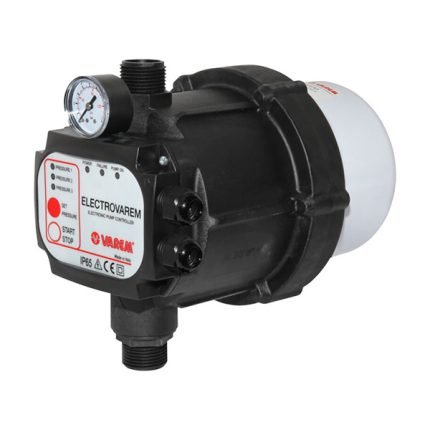
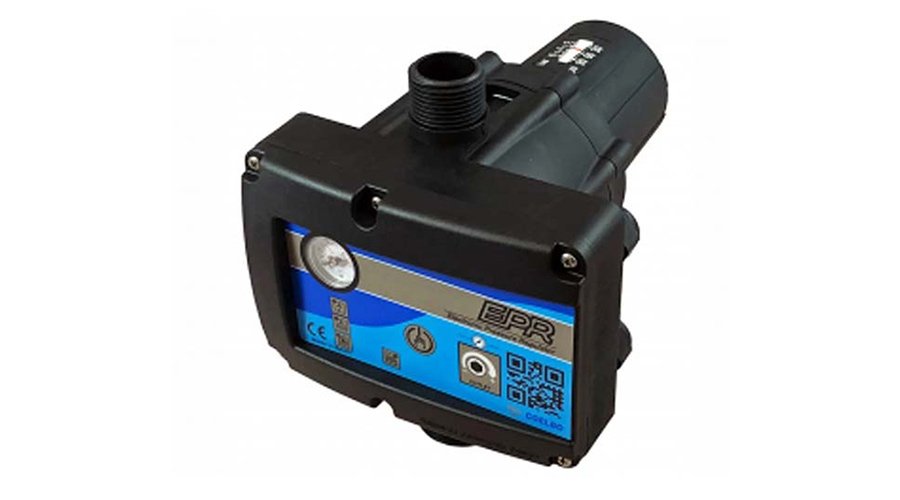
pump control systems are electronic or electromechanical devices used to control the activation and deactivation of pumps. They monitor system variables such as pressure, flow, or tank levels to operate pumps automatically.
These electronic pump controller eliminate the need for manual intervention, making pump systems more autonomous and responsive. They are widely used in applications like water supply, irrigation, sewage, and HVAC systems. The controller’s logic ensures that the pump operates only when necessary, conserving energy and extending the pump’s lifespan.
Key Features and Functions
Modern pump controllers are designed with a variety of features that enhance system performance. Key functions include automatic start/stop, fault detection, dry-run protection, and overload prevention.
Some models come with programmable timers, delay settings, and pressure/level thresholds. Others offer diagnostics and alarm notifications via SMS or integrated control panels. Advanced pump controllers also support communication with SCADA or building management systems, allowing for centralized monitoring and control.
Types of Pump Controllers
There are several types of pump controllers, each suited for different needs. Float-based controllers are ideal for water tank applications, while pressure switch controllers are common in water booster systems.
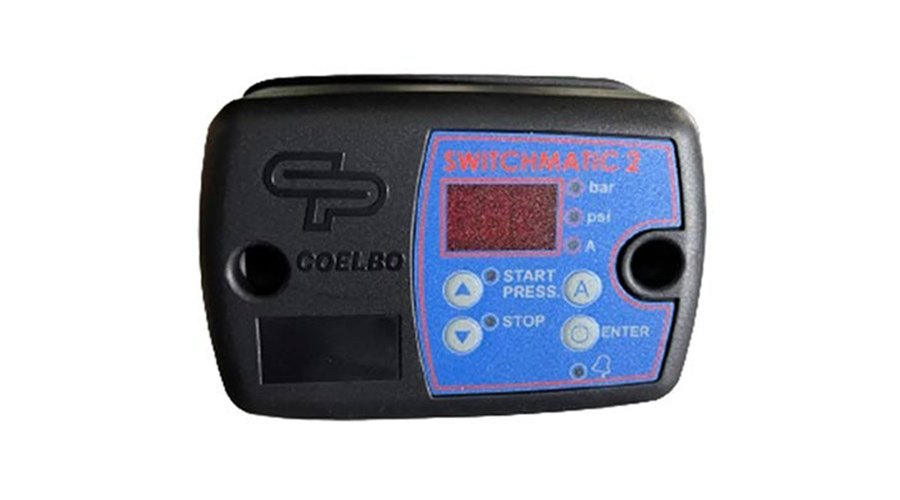
Variable frequency drive (VFD) controllers offer speed control and energy optimization. Digital controllers provide more precise control, real-time monitoring, and programmable logic functions. Choosing the right type depends on the complexity of the system, the type of pump, and the specific operational goals.
Components of a Pump Controller System
A typical pump controller system includes various components such as sensors (level, pressure, flow), relays, contactors, timers, and user interfaces. Some advanced units also include microcontrollers or PLCs for enhanced logic and communication. Displays and keypads are often integrated for programming and real-time monitoring. External components like alarm systems, signal converters, and communication modules may be added to extend functionality.
Applications Across Different Sectors
Pump controllers are used across a broad spectrum of industries. In agriculture, they manage irrigation systems by controlling pump cycles based on soil moisture or tank levels.
In municipal infrastructure, they are vital for water supply networks and sewage treatment plants. Industrial facilities use them for cooling systems, chemical transfer, and boiler feed pumps. In residential and commercial buildings, pump controllers are used for boosting water pressure, fire suppression systems, and HVAC applications.
Benefits of Using Pump Controllers
Pump controllers improve system automation, enhance efficiency, and reduce operational costs. By running pumps only when needed, they help conserve energy and water. They provide vital protection against dry running, overpressure, and voltage fluctuations. This not only prevents equipment damage but also lowers maintenance requirements. Their programmable features allow for tailored operation suited to the unique needs of each system, contributing to long-term performance and sustainability.
Installation Considerations
Proper installation is critical to the effectiveness of a pump controller. Controllers should be mounted in dry, accessible locations and protected from extreme temperatures or corrosive environments.
Electrical connections must follow safety codes, and all sensors should be correctly positioned to ensure accurate readings. Proper grounding and circuit protection are essential for system integrity. Consulting the manufacturer’s guidelines and employing certified electricians for setup ensures safety and reliability.
Maintenance and Troubleshooting
Routine maintenance ensures the longevity of pump controllers. Inspect connections, clean sensor probes, and test control logic regularly to detect issues early. If faults occur, modern controllers typically display error codes or activate alarms. Troubleshooting involves checking sensors, wiring, and settings. Keeping a maintenance log and performing scheduled diagnostics reduces the risk of unexpected failures and system downtime.
Integration with Smart Systems
Today’s pump controllers can be integrated into IoT platforms, SCADA systems, or building management systems (BMS) for enhanced functionality.
Remote access allows users to monitor and control pumps from any location, while data analytics help optimize performance over time. Predictive maintenance becomes possible with real-time diagnostics and usage logs. This level of integration is especially beneficial in large-scale or remote installations where manual supervision is impractical.
Future Trends in Pump Controller Technology
The future of pump controllers lies in increased automation, connectivity, and energy intelligence. We can expect to see AI-powered diagnostics, machine learning for predictive maintenance, and seamless IoT integration.
Battery backup, solar-powered controllers, and cloud-based data storage are also gaining traction in eco-conscious and remote operations. Staying updated with these advancements allows industries to build more efficient, smart, and sustainable pumping systems.