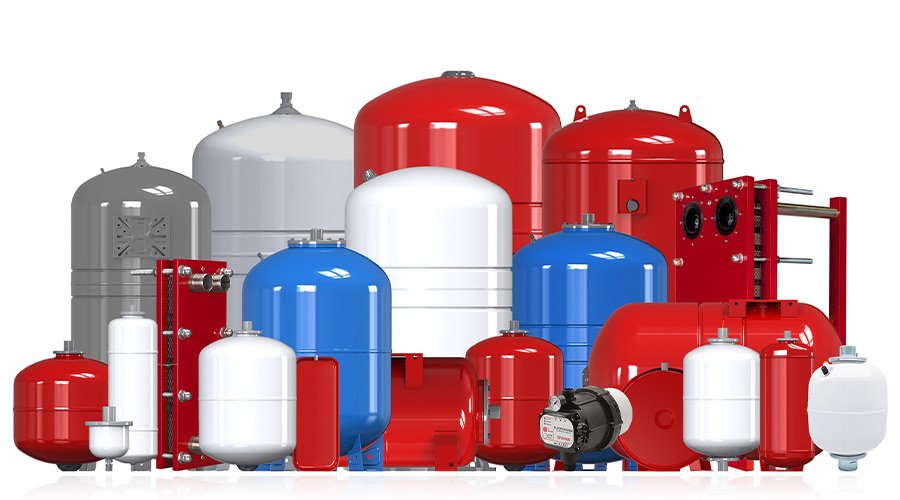
Solar Heater Expansion Tanks: The Unsung Hero of Thermal Energy Systems

Solar heater expansion tanks play a critical role in the efficiency, safety, and longevity of solar water heating systems. As water or heat transfer fluid is heated by solar energy, it expands, causing increased pressure within the closed-loop circuit. Without a designated space to absorb this excess pressure, your solar thermal system can suffer from leaks, stress fractures, or even premature component failure.

That’s where solar expansion tanks come in. These specialized pressure tank are designed to accommodate the expansion of fluid in solar heating systems. They work similarly to traditional expansion tanks but are built to withstand higher temperatures and the unique conditions of solar circuits.

Whether you’re installing a residential solar water heater or managing a commercial solar thermal system, understanding the purpose and function of solar heater expansion tanks is essential. Below, we’ll explore everything from how they work to troubleshooting and maintenance tips.

What Is a Solar Heater Expansion Tank?

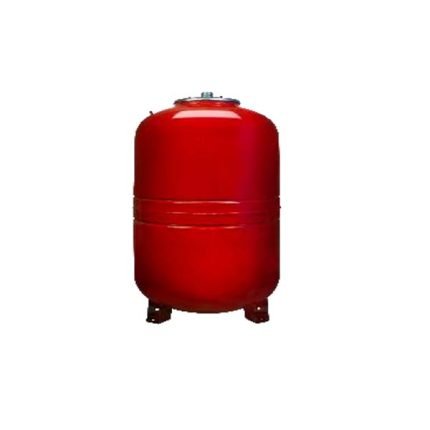
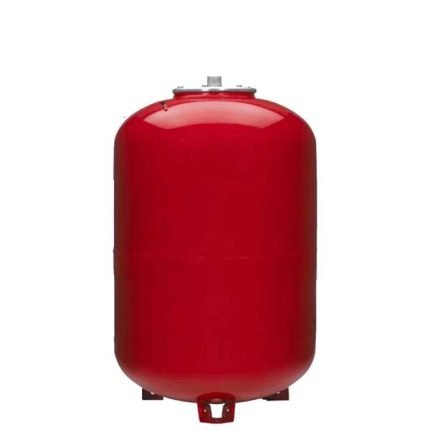
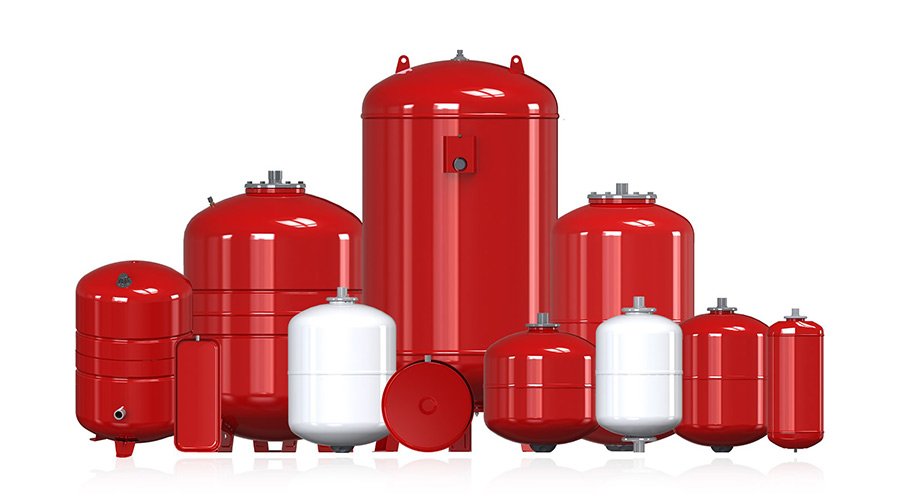
A solar heater expansion tank is a specially designed pressure vessel that manages the increase in fluid volume caused by thermal expansion in solar water heating systems. These tanks are usually found in closed-loop systems, where the heated fluid doesn’t mix with potable water. As solar collectors heat the fluid, it expands, and without a place for this expansion to go, pressure within the system can rise dangerously.

To prevent damage, the expansion tank absorbs this extra pressure. It features an internal flexible diaphragm or bladder that separates the system fluid from compressed air. When the fluid expands, it pushes against the diaphragm, compressing the air and maintaining system pressure within safe limits.

Unlike standard water heater expansion tanks, solar-specific models are built to withstand higher temperatures (often up to 220°F or more) and can handle glycol mixtures used in solar systems. Their materials are also corrosion-resistant, making them ideal for the demands of long-term solar applications.

Why Solar Heating Systems Need Expansion Tanks

In a solar water heating system, pressure buildup is inevitable. As the fluid inside the collector pipes heats up from direct sunlight, it expands rapidly. If this pressure isn’t controlled, it can damage pumps, valves, storage tanks, and even the collector panels themselves. An expansion tank provides a critical safety buffer for this pressure, allowing the system to operate smoothly and efficiently.

This need becomes even more apparent in closed-loop systems that use glycol or antifreeze. These fluids are more sensitive to heat changes, and their expansion rates are significant. Since these systems are sealed, there’s no room for pressure to escape, making an expansion tank not just helpful, but absolutely essential for safety and performance.

Expansion tanks also help reduce system maintenance and downtime. By stabilizing internal pressure, they prevent wear and tear on system components, minimize the risk of leaks, and ensure the system stays operational even during extreme temperature fluctuations.

expansion vessels for solar heating systems | expansion vessel for solar | solar expansion vessels |

How Solar Expansion Tanks Work in a Closed-Loop System

In a closed-loop solar thermal system, the same heat transfer fluid circulates continuously between the solar collector and the storage tank. When this fluid heats up during the day, it expands and increases system pressure. The solar expansion tank works by accepting this expanded fluid and equalizing the pressure through an air cushion separated by a diaphragm.

As the temperature rises, the expanded fluid pushes into the tank, compressing the air on the other side of the diaphragm. When the system cools down—usually at night—the fluid contracts, and the air pressure pushes the fluid back into the system, maintaining a steady operating pressure throughout the cycle.

This back-and-forth action is not only crucial for safety but also for maintaining the optimal performance of the system. Without an expansion tank, the pressure variations could lead to airlocks, stress on connections, and frequent need for manual pressure adjustments, significantly reducing the efficiency of the entire solar heating setup.

Key Differences Between Solar and Conventional Expansion Tanks

While both solar and conventional water heater expansion tanks serve similar purposes, they differ significantly in construction, temperature tolerance, and fluid compatibility. Solar expansion tanks are built to withstand higher temperatures, often exceeding 200°F, while standard domestic tanks typically cap out around 150°F. This makes solar tanks suitable for the extreme heat produced by solar collectors.

Another key difference lies in the type of fluid they handle. Conventional expansion tanks are designed for potable water, whereas solar expansion tanks are compatible with glycol mixtures or heat transfer fluids commonly used in solar thermal systems. These fluids require materials resistant to corrosion and chemical degradation, such as stainless steel or special rubber linings.

In addition, solar expansion tanks may include extra insulation or specific mounting designs to cope with outdoor or high-temperature environments. Choosing the correct type of tank for your system ensures safe operation and prevents premature failure due to mismatched components.

Choosing the Right Expansion Tank for Your Solar System

Selecting the right expansion tank for your solar thermal system depends on several important factors. These include the system volume, maximum fluid temperature, operating pressure, and the type of fluid used (e.g., water or glycol). A tank that’s too small won’t absorb enough expansion, leading to pressure spikes, while an oversized tank may result in inefficient performance.

To determine the appropriate size, you’ll need to calculate the expansion volume of the heat transfer fluid at maximum temperature. Most tank manufacturers offer sizing charts or calculators to simplify this process. It’s important to consider future expansions or upgrades as well—installing a slightly larger tank can help accommodate system growth and reduce the need for replacement.

Additionally, verify the temperature and pressure ratings of the tank. For glycol systems, ensure the tank is certified to handle the chemical composition and higher viscosity. Consulting with a solar energy specialist or licensed plumber can help ensure you choose the most efficient and durable expansion tank for your specific setup.

How to Install a Solar Expansion Tank Safely

Installing a solar water heater expansion tank requires knowledge of both plumbing and solar thermal systems. The tank should be installed on the return side of the closed-loop circuit, ideally near the solar pump station or the storage tank. This location ensures that the tank receives cooler fluid, which helps reduce wear on the internal bladder and prolongs its lifespan.

Before installation, the pre-charge pressure of the expansion tank must be adjusted to match the static pressure of the solar system. This is typically done using a pressure gauge and an air pump. Proper pressure balance ensures that the tank can expand and contract as needed without over-compressing the diaphragm or releasing fluid through the relief valve.

Safety is key when working with pressurized and high-temperature systems. Always isolate the system, depressurize it, and allow it to cool before installing the tank. Use proper fittings and thermal insulation to prevent heat loss and protect the tank from UV exposure if it’s installed outdoors. If you’re unfamiliar with the process, hiring a professional is highly recommended to avoid costly mistakes.

Water Heater Expansion Tanks
solar water storage tank |

Common Issues and How to Troubleshoot Solar Expansion Tanks

Solar expansion tanks, while reliable, can experience issues over time. One of the most frequent problems is loss of air charge, which can occur due to valve leaks or a punctured diaphragm. When this happens, the tank can no longer absorb pressure changes, leading to pressure surges and fluid discharge through the relief valve. A simple air gauge check can reveal if the pressure has dropped below the recommended pre-charge level.

Another common issue is bladder or diaphragm failure, especially in high-temperature applications. When the bladder ruptures, the expansion tank becomes waterlogged and loses its ability to regulate pressure. You may notice a constant drip from the pressure relief valve or unusual noises in the system. In such cases, the tank needs to be replaced promptly to prevent system damage.

Corrosion, particularly in tanks exposed to outdoor elements or incompatible fluid types, is another concern. Look for rust or fluid leaks around the fittings and tank body. Regular maintenance checks can help detect these issues early. Flushing the system annually and checking the expansion tank’s air charge will go a long way in preventing breakdowns and preserving the system’s efficiency.

Maintenance Tips to Maximize Expansion Tank Lifespan

To get the most out of your solar heater expansion tank, routine maintenance is essential. Start by checking the air pressure annually using a tire gauge. The reading should match your system’s static pressure when the system is cool. If the pressure is too low, top it up using a bicycle pump or small air compressor.

Inspect the tank’s exterior and fittings regularly for signs of wear, rust, or leaks. If your system uses glycol, test the fluid for acidity or contamination, as degraded glycol can harm the tank’s internal bladder. Replacing the fluid every few years can help preserve the expansion tank and other system components.

It’s also a good idea to monitor your system’s pressure relief valve. If it’s discharging frequently, that’s a red flag indicating the expansion tank may not be functioning properly. Keeping a maintenance log can help you track performance over time and catch problems before they escalate.

Cost Breakdown: Are Solar Expansion Tanks Worth the Investment?

A solar expansion tank may seem like a small component, but its value is significant. The cost of a standard solar-compatible expansion tank ranges between $60 and $200, depending on the size and brand. Professional installation can add another $150 to $300, especially if modifications to the piping are needed.

However, when compared to the potential damage caused by pressure buildup—such as burst collector pipes, cracked storage tanks, and failed valves—the cost of an expansion tank is minimal. It’s a proactive investment that helps protect thousands of dollars’ worth of solar heating equipment and reduces the risk of system failure.

Additionally, by regulating pressure, a properly functioning expansion tank improves energy efficiency and reduces maintenance costs. This translates into better system performance, lower utility bills, and longer equipment lifespan. In short, the return on investment makes a solar expansion tank a smart, cost-effective addition to any thermal setup.

Compliance and Code Requirements for Solar Expansion Tanks

Many local plumbing and building codes require the use of expansion tanks in closed-loop solar heating systems. These regulations are designed to ensure public safety and prevent pressure-related system failures. In jurisdictions that follow the International Plumbing Code (IPC) or Uniform Plumbing Code (UPC), an expansion tank is mandatory when a backflow preventer or check valve is installed in the system.

It’s crucial to choose a tank that meets both ASME standards and local code requirements. Some areas may require tanks to have NSF or SRCC certification, especially when dealing with glycol fluids. Working with a licensed plumber ensures your system is compliant with state and municipal codes, which is particularly important for building inspections or qualifying for solar incentives and rebates.

Failing to follow code not only puts your system at risk but may also void warranties or disqualify you from financial incentives. Always consult with local authorities or a certified installer before beginning work on your solar heating system to ensure full compliance and optimal safety.