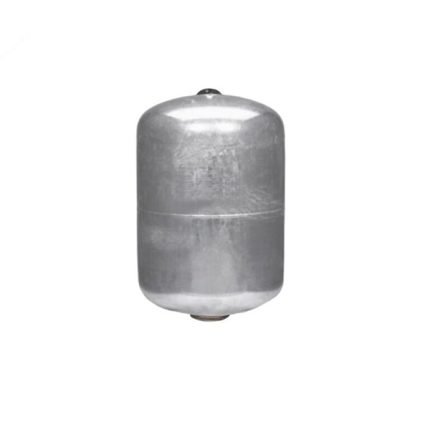
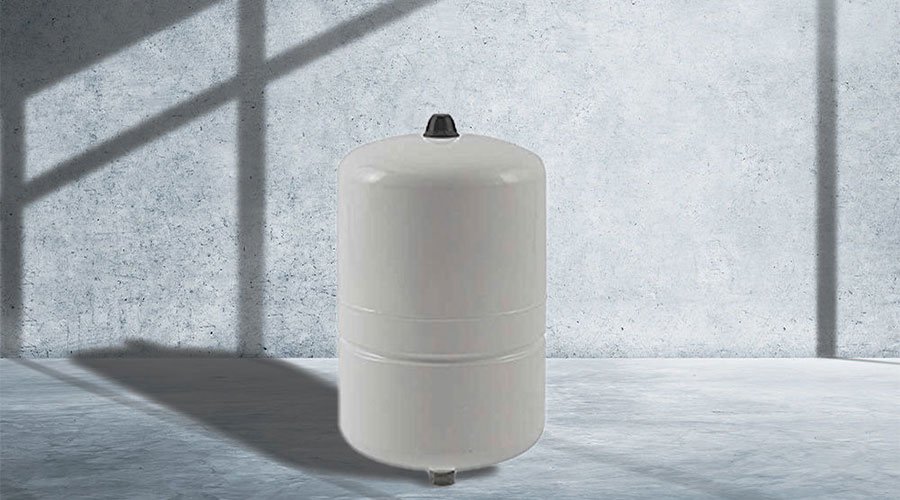
Potable Pressure Tanks: The Heart of Clean and Consistent Water Supply

Potable pressure tanks are essential components in any domestic or commercial water system where clean, drinkable water needs to be delivered efficiently and safely. These tanks are specifically designed to store potable (drinkable) water under pressure, making it readily available whenever a tap is turned on or a valve is opened. Whether you’re drawing from a well, a municipal supply, or a filtration system, potable pressure tanks ensure consistent water flow and help protect your plumbing infrastructure.

Unlike general pressure tank, potable pressure tanks are built using NSF-certified materials and meet strict standards for water safety and hygiene. They often feature an internal bladder or diaphragm that separates air from water, maintaining system pressure and preventing contamination.

What Is a Potable Pressure Tank and How Does It Work?

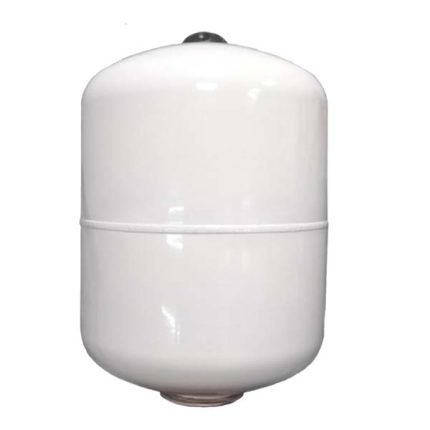
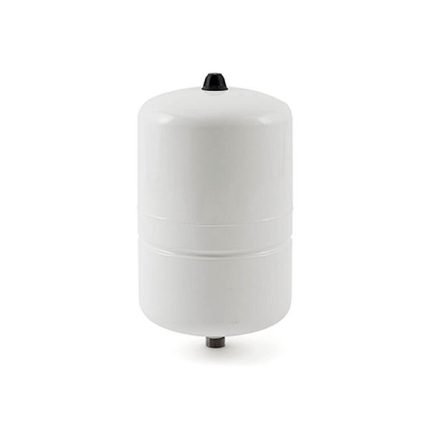
A potable pressure tank is a type of sealed vessel used in water systems to store and regulate the flow of clean, drinkable water under pressure. Most commonly used in well water systems or homes with inconsistent water pressure, these tanks ensure that water is readily available on demand without overworking the pump. The tank maintains pressure using a cushion of air, which is compressed as water fills the tank.

Inside the tank, a bladder or diaphragm separates the air from the water. When a faucet or appliance demands water, the compressed air forces water out of the tank and into your plumbing system. As the water level drops, the pressure decreases, and the pump automatically refills the tank until the desired pressure level is restored. This pressure cycle ensures a steady and uninterrupted water supply.

Unlike standard storage tanks, potable pressure tanks are built with food-grade, NSF-approved linings and materials to prevent contamination of the drinking water. They are an essential component in any system where water purity and safety are a concern, offering both convenience and peace of mind.

Key Benefits of Using a Potable Pressure Tank

Using a potable pressure tank in your water system comes with multiple benefits, the most significant being consistent water pressure. Without a pressure tank, every time you open a tap or flush a toilet, the pump would have to activate. The tank reduces the need for constant pump cycling, minimizing wear and extending the pump’s lifespan.

Another major advantage is energy efficiency. By limiting how frequently the pump turns on and off, potable pressure tanks help lower your energy consumption and reduce electricity bills. In addition, the pressurized tank ensures a smoother, more reliable flow, eliminating the pressure drops and fluctuations that can damage appliances or irrigation systems.

Finally, these tanks contribute to better water hygiene. Since they’re designed for potable water, the materials used are non-toxic and corrosion-resistant. They also prevent air and environmental contaminants from entering the water system, keeping your supply clean and safe for consumption at all times.

Potable Pressure Tank
potable water pressure tank

Potable vs. Non-Potable Pressure Tanks: What’s the Difference?

While both potable and non-potable pressure tanks serve to regulate water pressure, they are designed for very different applications. Potable tanks are built specifically for drinking water systems and must meet stringent safety standards. They are constructed from NSF-certified components that won’t leach harmful substances into the water, making them safe for household use.

Non-potable tanks, on the other hand, are often used in irrigation systems, industrial applications, or HVAC systems where the water isn’t meant for human consumption. These tanks might be made of materials that are not approved for drinking water and therefore pose contamination risks if misused in potable systems.

The distinction is crucial not only for safety but also for regulatory compliance. Using a non-potable tank in a drinking water setup can result in code violations, health hazards, and potential legal issues. Always ensure the tank you’re using is clearly labeled as “potable” and comes with relevant certifications.

Where Are Potable Pressure Tanks Commonly Used?

Potable pressure tanks are commonly found in residential well water systems, especially in rural areas without direct access to municipal water. These systems rely on the tank to manage pressure and reduce the workload of the well pump. The tank stores water for immediate use and helps maintain stable flow throughout the home.

In commercial and institutional settings, such as schools, hospitals, and office buildings, potable pressure tanks play a vital role in ensuring consistent, high-volume water delivery. They help meet the high demands of multiple fixtures running simultaneously, from bathrooms and kitchens to safety equipment like eyewash stations.

These tanks are also used in rainwater harvesting systems, where filtered and treated rainwater is stored for drinking and domestic use. In all these environments, potable pressure tanks help maintain water pressure, reduce pump cycling, and ensure safe and clean water access.

Choosing the Right Size and Type for Your System

Selecting the correct size and type of potable pressure tank is crucial for optimal system performance. The size you need depends on several factors, including the flow rate, pump capacity, household water demand, and well recovery rate. A properly sized tank ensures the pump runs efficiently, with fewer cycles per day.

Tanks are typically measured in gallons, but it’s important to note that the “drawdown capacity” — the amount of usable water before the pump kicks in — is more relevant than total volume. For example, a 40-gallon tank may have a usable drawdown of only 10–12 gallons depending on system pressure settings. Choosing a tank that’s too small can lead to frequent pump cycling, while an oversized tank can take up unnecessary space and cost more.

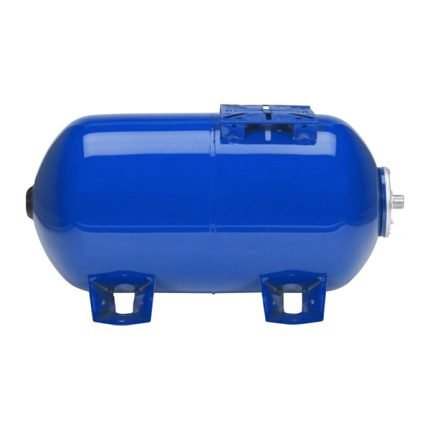
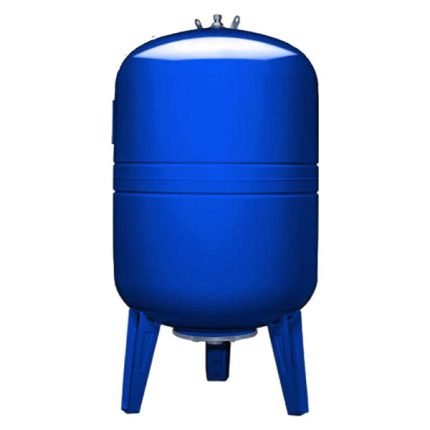
The type of tank—bladder-type, diaphragm-type, or galvanized steel—should also match your system’s requirements. Most modern homes use bladder or diaphragm tanks due to their low maintenance needs and better hygiene. Always consult your pump specifications and, if needed, a plumbing expert to find the perfect match.

Installation Guide: How to Set Up a Potable Pressure Tank

Installing a potable pressure tank requires careful attention to both plumbing and electrical systems. The first step is to locate the tank close to your water supply line, typically near the pump or well pressure switch. For most setups, the tank should be installed after the pump, ensuring that the pressurized water can flow into the tank without obstruction.

Before installation, ensure that your pre-charge pressure is correctly set. This is the pressure at which the air bladder inside the tank is pre-filled. It should be equal to the cut-in pressure of your pump, which is the pressure at which the pump activates. For instance, if your system operates with a 30/50 pressure switch, the pre-charge pressure of the tank should be set to 28 PSI when the system is off and cool.

Next, connect the tank to your plumbing system using threaded fittings. Ensure that all connections are sealed properly to prevent leaks. After installation, it’s important to test the system by turning on the water supply and checking for any signs of leakage or irregular pressure. If everything is working smoothly, your potable pressure tank should be ready to provide reliable, consistent water pressure.

pressure tanks for water systems

Common Issues and How to Troubleshoot Them

While potable pressure tanks are relatively low-maintenance, some common issues can arise over time. One of the most frequent problems is pressure loss, which may occur if the air bladder loses its charge or develops a leak. To troubleshoot, check the air pressure inside the tank using a tire gauge. If it’s too low, you may need to add air using a bicycle pump or air compressor to restore balance.

Another potential issue is waterlogging, where the bladder or diaphragm inside the tank ruptures, causing the tank to fill with water instead of air. This reduces the tank’s ability to regulate pressure and can lead to overworking the pump. In this case, the tank will need to be replaced. You can test this by tapping the tank to see if the pressure sounds uniform or if it seems overly full of water.

Finally, leaking pressure relief valves can indicate excessive pressure or an improperly charged tank. This can be resolved by adjusting the pre-charge or replacing faulty valves. Regular maintenance and pressure checks can help prevent most issues, ensuring that your tank operates efficiently for years.

Maintenance Tips for Long-Lasting Performance

Routine maintenance is crucial for extending the lifespan of your potable pressure tank. Checking the air charge inside the tank should be part of your annual maintenance. Over time, the air charge can decrease, which reduces the effectiveness of the tank. Use a tire gauge to measure the air pressure, and top it off if necessary. This can prevent unnecessary wear on the pump and improve overall system efficiency.

Additionally, it’s important to inspect your tank’s plumbing connections and fittings regularly. Look for signs of leaks or corrosion around the tank, and tighten any loose connections. If you notice any strange noises, such as banging or vibrating pipes, it may indicate that the tank is under stress or that the pressure is fluctuating. Adjusting the pre-charge pressure or replacing worn-out components can resolve these issues.

Lastly, be sure to flush the system periodically to remove sediment or debris that can accumulate in the tank. This is especially important for well water systems where sediment can build up over time. A clean and properly maintained tank will operate more efficiently, prolonging its life and maintaining optimal water pressure.

Cost Factors: Are Potable Pressure Tanks Worth It?

The cost of a potable pressure tank typically ranges from $100 to $500, depending on its size, brand, and features. Bladder tanks are generally more affordable than diaphragm tanks, though both offer reliable performance. The installation cost can add an additional $150 to $300, especially if the tank needs to be integrated into an existing water system or if additional plumbing work is required.

While the upfront cost might seem high, investing in a potable pressure tank can actually save you money in the long run. By reducing the frequency of pump cycles, a well-maintained pressure tank helps extend the lifespan of your pump, which can otherwise wear out prematurely from constant on-and-off operation. This can save you from costly repairs or replacements.

Furthermore, potable pressure tanks contribute to energy savings by ensuring more efficient water distribution, which reduces the overall energy consumption of your water system. If you rely on a well pump, the reduced frequency of pump activation will translate into lower electricity bills. Given these savings, the cost of a potable pressure tank is well worth the investment.

Safety Standards and Certifications to Know

When selecting a potable pressure tank, it’s crucial to ensure that it meets the relevant safety standards and certifications to guarantee its suitability for drinking water. The most important certification is the NSF/ANSI Standard 61, which ensures that materials in contact with potable water do not leach harmful chemicals. This standard is essential for ensuring that the tank’s bladder, diaphragm, and other components are safe for human consumption.

In addition, check for local building code compliance. Many municipalities require that all water systems, including those with potable pressure tanks, meet specific regulations to protect public health and safety. Failing to comply with these codes can result in fines, legal issues, or invalidation of warranties.

Lastly, ASME (American Society of Mechanical Engineers) certification is another important consideration for pressure vessels, particularly those with higher pressure ratings. ASME-certified tanks are designed and tested to withstand extreme conditions, ensuring reliable performance and minimizing the risk of failure under pressure.