What Is a Water Heater Expansion Tank?

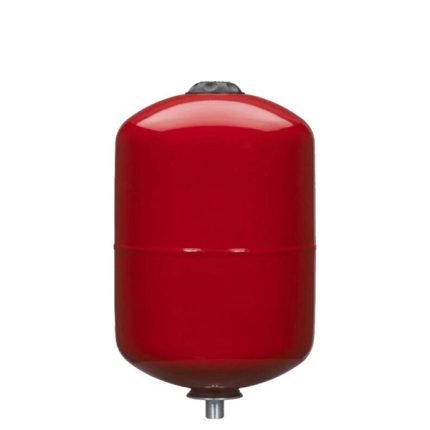
A water heater expansion tank is a small, auxiliary pressure tank installed on the water supply line of your water heater. It is specifically designed to handle the extra volume of water created when cold water is heated and expands. This tank includes a flexible bladder or diaphragm that separates the water from compressed air inside the tank. By accommodating this thermal expansion, the tank prevents unnecessary strain on your water heater and plumbing system.

Without an expansion tank, the increased pressure caused by the expanding water can lead to significant wear and tear on your pipes, fixtures, and water heater components. Over time, this pressure can result in leaks, cracks, or even catastrophic failure of your plumbing system. An expansion tank acts as a safety valve, absorbing the extra pressure and keeping your system running smoothly.

These tanks are especially critical in systems where backflow prevention devices or check valves are installed. Such setups create a closed-loop system where water pressure has no escape route, making the role of an expansion tank even more essential.

Why Expansion Tanks Are Critical for Closed Plumbing Systems

Closed plumbing systems, often equipped with backflow preventers or pressure-reducing valves, are designed to ensure water flows in one direction, protecting the water supply from contamination. However, this setup can trap excess pressure created by heated water. Without an outlet for this pressure, your plumbing system is at risk of damage. An expansion tank mitigates this risk by absorbing the pressure fluctuations.

When water is heated, it expands, and the increased volume needs space to go. In an open plumbing system, this expansion might backflow into the water supply line. In a closed system, this isn’t possible, leading to higher internal pressure. Over time, the pressure can cause pipes to burst, valves to leak, and water heaters to overheat. Installing an expansion tank provides a designated place for the expanding water, maintaining the system’s integrity.

Many municipalities now require expansion tanks in homes with closed systems, as they are an effective solution to meet building codes and ensure plumbing safety. By installing one, homeowners can avoid potential fines and costly repairs caused by unchecked water pressure.

How Do Water Heater Expansion Tanks Work?

Water heater expansion tanks operate on a simple yet effective principle: they balance the pressure in your plumbing system. The tank consists of two compartments separated by a flexible diaphragm. One side is filled with water from the system, while the other is pressurized with air. As water heats and expands, it flows into the expansion tank, compressing the air and reducing the overall system pressure.

This process ensures that the water heater, pipes, and fixtures are not exposed to excessive pressure that can cause damage. The tank essentially acts as a shock absorber, preventing pressure spikes from affecting your plumbing system. This is particularly important in systems where pressure can rise quickly, such as when using multiple water outlets simultaneously.

By controlling pressure, the expansion tank extends the lifespan of your water heater and reduces wear on plumbing components. Regularly maintaining the air pressure in the tank ensures it continues to function effectively, safeguarding your home from potential water damage.

hot water expansion tank | pressure tank for water heater | hot water heater expansion tank

Signs You Need a Water Heater Expansion Tank

Many homeowners are unaware they need an expansion tank until a plumbing issue arises. A common sign is frequent discharge from the temperature and pressure relief valve (T&P valve) on the water heater. If you notice water leaking from this valve, it often means the internal pressure is too high—something an expansion tank could help manage.

Another warning sign is high water pressure throughout your plumbing system, especially if you’ve recently installed a pressure-reducing valve or your municipality mandates backflow preventers. These components create a closed system, trapping the expanding hot water and leading to surges in pressure. This can show up as banging pipes (water hammer), leaking faucets, or even bursts in vulnerable areas.

If your plumbing system is experiencing sudden leaks, appliance failures (like premature washing machine or dishwasher breakdowns), or unexpected increases in utility bills, it’s worth checking if your home requires an expansion tank. A licensed plumber can inspect your system and determine whether the absence of an expansion tank is contributing to the problem.

Choosing the Right Size Expansion Tank

Choosing the correct size for your water heater expansion tank is crucial for optimal performance. If the tank is too small, it won’t properly absorb the expanding water, leading to continued pressure issues. If it’s too large, you may be overspending unnecessarily. The right size depends on several factors: the capacity of your water heater (in gallons), your home’s water pressure (measured in PSI), and the water temperature range your system operates within.

Typically, residential expansion tanks range from 2 to 5 gallons in size. For a 40 to 50-gallon water heater and a home with normal water pressure (around 50-60 PSI), a 2-gallon expansion tank is often sufficient. However, for larger water heaters or homes with higher water pressure, a 4.5-gallon tank may be more appropriate. Manufacturers usually provide sizing charts to guide buyers in making the right choice.

It’s best to consult with a plumbing professional to determine the correct tank size. They can test your water pressure and assess your current system for compatibility. An accurately sized expansion tank not only improves safety but also enhances the overall efficiency of your plumbing setup.

Installation Guide: How to Install a Water Heater Expansion Tank

Installing a water heater expansion tank is a task that many homeowners can handle with basic plumbing knowledge and tools. The first step is to shut off the water supply and relieve the pressure in your plumbing system by opening a nearby faucet. Next, locate the cold water supply line leading into your water heater—this is where the expansion tank will be installed.

You’ll need a T-fitting to branch off from the cold water line, allowing you to screw in the expansion tank. The tank can be mounted either vertically or horizontally, depending on space and manufacturer guidelines, but it should always be well supported to prevent sagging or stress on the pipes. Use Teflon tape or thread sealant to ensure leak-free connections, and once installed, re-pressurize your system and check for any leaks.

While DIY installation can save money, it’s important to follow all local plumbing codes. Improper installation may void warranties or create unsafe pressure conditions. If you’re unsure, hiring a licensed plumber guarantees proper setup, ensuring both safety and efficiency.

Maintenance Tips to Extend the Life of Your Expansion Tank

Like any component of your plumbing system, an expansion tank requires routine maintenance to remain effective. One of the most important tasks is to check the air pressure inside the tank, typically once a year. You can do this using a standard tire pressure gauge on the air valve located at the bottom or top of the tank. The pressure should match your home’s static water pressure—usually around 50–60 PSI.

If the air pressure is too low or completely absent, the tank won’t be able to absorb expanding water, leading to system overpressure. You can restore the correct air pressure using a bicycle pump or air compressor. In some cases, the internal bladder may rupture, and the tank may fill with water—rendering it ineffective. If this happens, the entire tank will need to be replaced.

In addition to pressure checks, inspect the tank for visible signs of corrosion, leaks, or rust, especially at the connection points. A well-maintained expansion tank can last anywhere from 5 to 10 years. Keeping a regular maintenance schedule ensures your tank performs optimally and prevents costly plumbing repairs.

Water Heater Expansion Tanks
water heater pressure tank | hot water pressure tank | pressure tank for hot water heater | cost of water heater expansion tank

Do All Homes Need a Water Heater Expansion Tank?

Not every home needs a water heater expansion tank, but many do—especially those with closed-loop plumbing systems. If your home uses a backflow preventer or pressure-reducing valve, the water has nowhere to expand when heated, which significantly raises the risk of pressure damage. In such systems, an expansion tank is not just helpful—it’s essential.

In open systems where water can flow backward into the municipal supply line, pressure buildup is less of a concern. However, building codes in many areas now require expansion tanks in all newly installed or replaced water heater systems, regardless of plumbing type. These requirements are in place to protect both homeowners and the public water supply from contamination and pressure damage.

If you’re unsure whether your home needs an expansion tank, consult your local building department or a professional plumber. They can determine your system type and recommend whether installing an expansion tank is necessary to protect your property and meet code compliance.

Common Problems and Troubleshooting Tips

Even though water heater expansion tanks are relatively simple devices, they can develop issues over time. One of the most common problems is a loss of air pressure, which prevents the tank from effectively absorbing thermal expansion. This typically occurs when the internal air valve leaks or wasn’t charged properly during installation. As a result, you might notice signs of high pressure in your system, like water dripping from the pressure relief valve or strange noises from your plumbing.

Another issue is bladder failure. Inside the expansion tank, there’s usually a rubber diaphragm that separates the air from the water. Over time, this bladder can rupture or degrade due to age, constant pressure fluctuations, or mineral buildup from hard water. When the bladder fails, water fills the entire tank, leaving no space for expansion. You can detect this by tapping the tank—a healthy tank will sound hollow on the top half and solid on the bottom. If the whole tank sounds solid, it’s likely waterlogged and needs replacement.

Leaking connections or corrosion at the joints are also common problems, especially in older systems. These can typically be fixed with new fittings or thread sealant, but persistent leaks may require a full replacement. Regular inspection and maintenance can catch these issues early, preventing costly water damage and extending the life of both the expansion tank and your entire water heating system.

Cost and Value: Are Expansion Tanks Worth It?

Water heater expansion tanks are an affordable and valuable investment for most homeowners. The tanks themselves typically cost between $40 and $150, depending on size and brand. Professional installation may add another $100–$300, depending on the complexity of your plumbing and local labor rates. In total, the cost is relatively low compared to the protection they offer.

Considering the potential damage caused by high-pressure systems—such as burst pipes, damaged water heaters, and leaky fixtures—the value of an expansion tank becomes clear. A small, one-time investment in an expansion tank can save thousands of dollars in emergency repairs and water damage. Not only does it improve the safety and lifespan of your plumbing, but it also helps ensure compliance with local building codes and standards.

In short, expansion tanks offer peace of mind. Whether you’re installing a new water heater or upgrading your existing system, adding an expansion tank is a smart and proactive step. It’s a small device with a big role in protecting your home’s plumbing infrastructure.