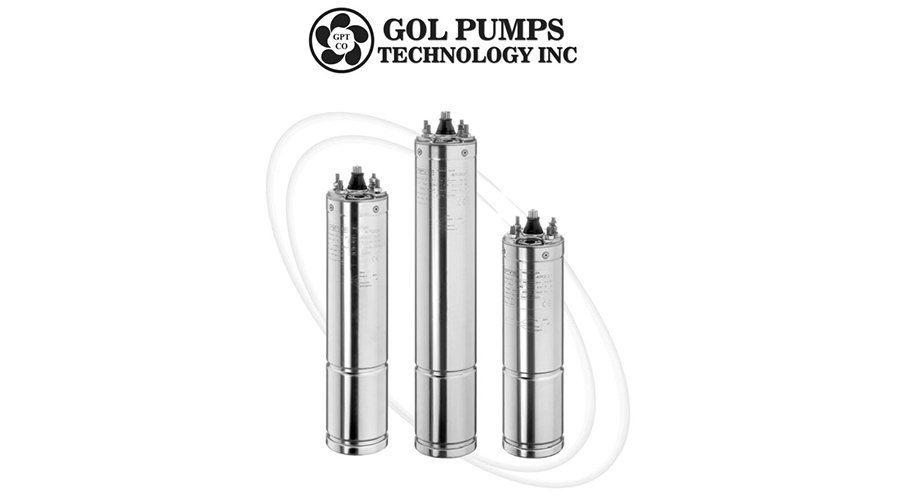
Submersible Motors: Powering Reliable Performance Below the Surface

Submersible motors are a specialized type of electric motor designed to operate while fully submerged in liquid, most commonly water. These motors are a critical component in systems that require dependable underwater performance, such as deep well pumping, wastewater management, oil extraction, and marine applications. Known for their durability, sealed design, and ability to function in extreme conditions, submersible motors are engineered to keep working where other motors can’t.

Unlike traditional electric motors, submersible electric motor are hermetically sealed to prevent liquid infiltration. This allows them to be deployed in environments where exposure to moisture, chemicals, or high pressure would typically cause damage or system failure. Their efficiency and quiet operation also make them a preferred choice in residential, agricultural, and industrial settings where minimal disruption and long life are essential.

In this article, we’ll explore everything you need to know about submersible motors—from how they work and their unique advantages to their common uses, modern advancements, and tips for maintenance. Whether you’re a field engineer, equipment supplier, or SEO specialist optimizing content for an industrial brand, this guide covers all the essential bases.

What Is a Submersible Motor?

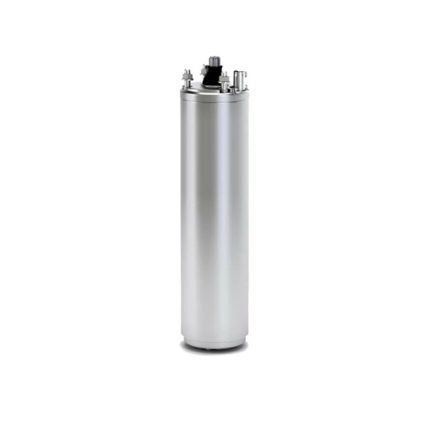
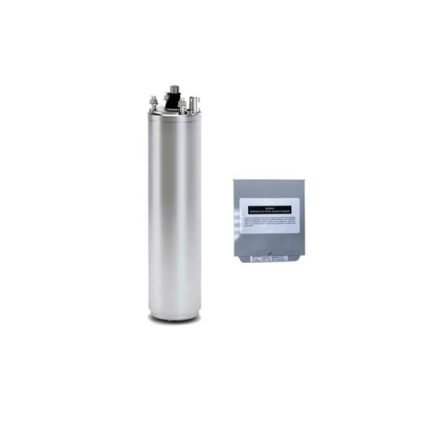
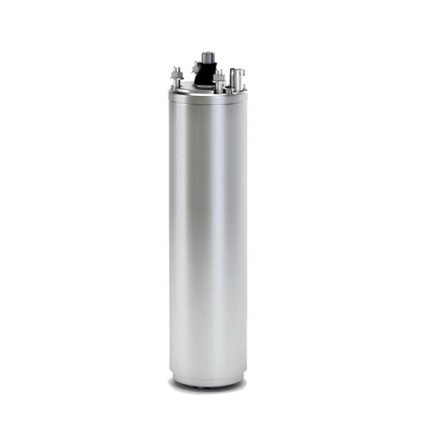
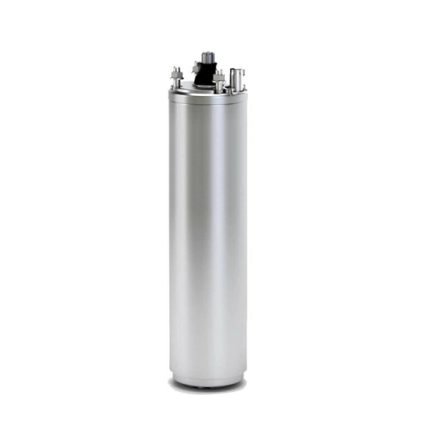
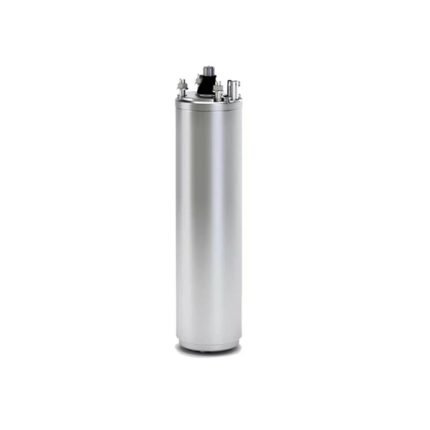
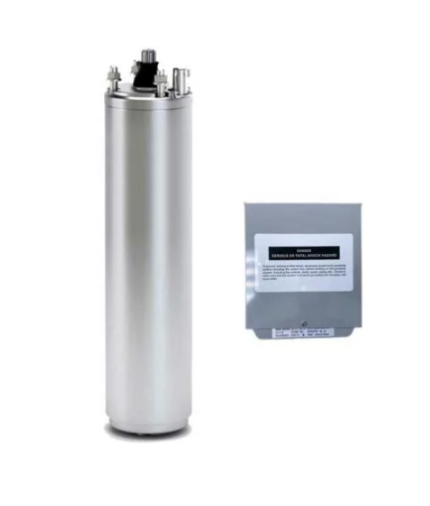
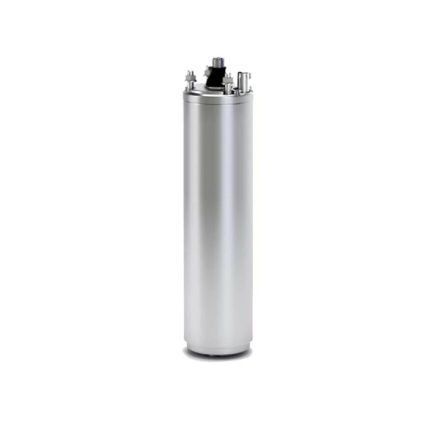
Submersible motors are electric motors that function while completely submerged in fluid. They are often used in conjunction with submersible pumps and are specifically designed to resist the damaging effects of liquid exposure. Their unique construction includes a sealed casing that keeps water or other liquids from reaching the internal electrical components.

The primary purpose of submersible pump motors is to drive equipment like pumps, agitators, and propellers that operate beneath the surface of water or other fluids. These motors are usually placed at the bottom of boreholes or reservoirs, allowing them to push or lift fluids to the surface efficiently. Their ability to work underwater without the risk of short-circuiting makes them an essential solution in fluid transfer systems.

Submersible motors are available in various voltage and horsepower ratings, making them suitable for different industrial and domestic applications. Depending on the requirements, they can be customized with features like corrosion resistance, high-temperature tolerance, and compatibility with specific pump types.

How Do Submersible Motors Work?

submersible pump motors operate using electromagnetic principles, similar to other electric motors. However, they differ in their enclosed design, which prevents fluid from entering the motor housing. This is achieved using mechanical seals and epoxy potting that safeguard internal components against moisture, dust, and chemicals.

When the motor is powered, an electric current flows through the stator windings, creating a rotating magnetic field. This field induces rotation in the rotor, which is connected to a pump impeller or other mechanical system. The result is mechanical energy used to move or lift fluids to the desired location.

Because submersible motors work underwater, they also rely on the surrounding fluid for cooling. This makes them more efficient in heat dissipation, preventing overheating even in prolonged operational conditions. Advanced models may also feature sensors to monitor pressure, temperature, and load to ensure optimal performance and safety.

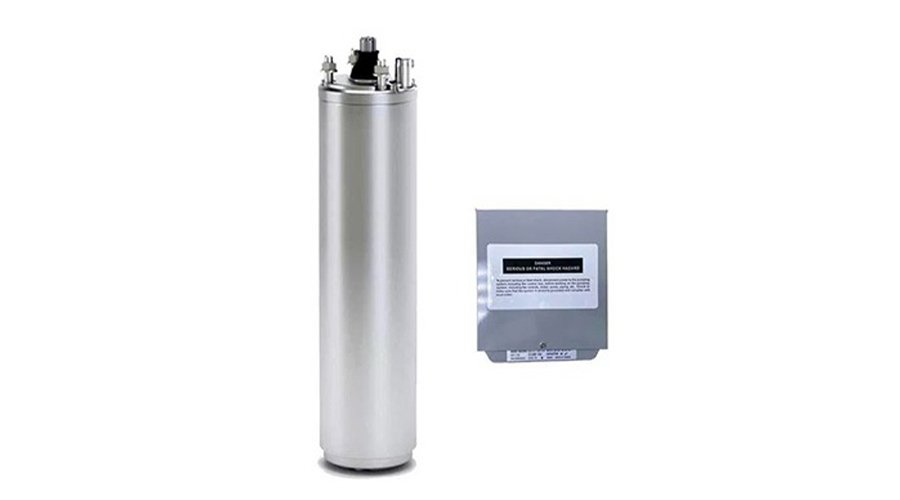
Submersible Motor

Key Advantages of Submersible Motors

One of the most significant advantages of submersible motors is their ability to operate in challenging environments. Unlike surface motors, they are not affected by environmental factors like rain, flooding, or dust, which means fewer failures and lower maintenance costs.

Their design eliminates the need for priming in pumping applications, which is especially beneficial in deep wells and underwater systems. This self-contained operation reduces energy consumption and improves pumping efficiency. Additionally, their location beneath the water surface reduces noise and vibration, making them ideal for residential and sensitive industrial applications.

Submersible motors are also more space-efficient since they are installed inside the fluid source, requiring less external infrastructure. This makes them perfect for locations with limited space or accessibility. Their reliability and long service life make them a cost-effective solution for long-term operations.

Common Applications of Submersible Motors

Submersible motors are widely used across various sectors, including agriculture, water treatment, oil and gas, mining, and marine industries. In agriculture, they power deep well pumps that provide irrigation to large fields, especially in regions with limited surface water.

In municipal and industrial wastewater treatment plants, submersible motors are used to drive pumps that handle sewage and sludge. These applications require motors that can operate continuously under corrosive and high-load conditions, which submersible motors are specifically designed for.

The oil and gas industry relies on submersible motors for artificial lift systems in wells, especially those with low pressure or deep reserves. These motors can withstand high temperatures and pressures, making them essential for offshore drilling and production. Marine applications include underwater propulsion systems and bilge pumps.

Submersible Motors vs. Dry Motors

The key distinction between submersible motors and dry motors lies in their operating environment. Dry motors must remain outside of the fluid they assist in moving, requiring external cooling systems and often more complex installation setups. In contrast, submersible motors are placed directly in the liquid, simplifying the process and improving thermal efficiency.

Dry motors typically need priming and are more prone to overheating due to less effective cooling methods. Submersible motors benefit from direct fluid contact, which naturally dissipates heat, increasing operational efficiency and lifespan. Additionally, submersible motors are quieter, making them more suitable for noise-sensitive environments.

While dry motors can be easier to access for maintenance, they often require larger infrastructure and are more exposed to environmental factors. Submersible motors, though submerged, are built for longevity and often require less frequent servicing, especially in properly monitored systems.

Construction and Materials Used

Submersible motors are constructed with high-grade materials to withstand harsh underwater conditions. The outer casing is typically made from stainless steel, cast iron, or bronze, depending on the intended application and the type of fluid they will encounter. These materials offer resistance to corrosion, abrasion, and chemical damage.

Inside the motor, insulation materials like epoxy resins and thermoplastic compounds are used to protect the windings and other electrical components. The shaft and bearings are designed to endure continuous operation, often using ceramic or carbon-graphite components for maximum durability and minimal friction.

Sealing is another critical aspect. Double mechanical seals, O-rings, and gaskets ensure that the motor remains completely watertight. In applications involving aggressive fluids, special coatings or alloys may be used to further enhance corrosion resistance.

Efficiency and Performance in Harsh Conditions

Submersible motors are known for maintaining high performance even under extreme conditions. Their sealed design and efficient cooling from the surrounding fluid allow them to operate continuously without overheating or failing due to environmental stressors.

These motors are often rated for long-duty cycles, meaning they can run for extended periods without interruption. Their robust construction helps them withstand not only water pressure but also abrasive particles, sludge, and temperature variations common in many industrial environments.

Efficiency is also boosted by the motor’s location at the source of fluid movement, reducing the amount of energy needed to draw fluid to the surface. This makes them particularly useful in energy-conscious industries or operations located in remote areas with limited power availability.

Innovations in Submersible Motor Technology

Modern submersible motors are evolving with smart technologies that enhance monitoring, control, and efficiency. Features like integrated sensors, IoT connectivity, and remote diagnostics help operators optimize motor performance, detect issues early, and reduce downtime.

Variable frequency drives (VFDs) are now commonly paired with submersible motors, allowing for adjustable speed control based on demand. This reduces energy consumption and mechanical wear, prolonging motor life while improving system responsiveness.

Advanced materials and 3D-printed components are also making their way into motor manufacturing, allowing for lighter, more precise, and corrosion-resistant designs. As industries seek greener and more sustainable solutions, submersible motors continue to innovate toward energy-efficient and eco-friendly operation.

Maintenance and Troubleshooting Tips

While submersible motors are designed for durability, routine maintenance is essential to ensure optimal performance and extend their lifespan. Regular inspection of electrical connections, insulation resistance, and motor winding temperatures can prevent potential failures.

Common troubleshooting tasks include checking for water ingress, verifying seal integrity, and monitoring vibration or noise levels. If a drop in performance is observed, it could indicate wear in bearings, shaft misalignment, or sediment buildup around the impeller.

Using monitoring devices and keeping accurate maintenance records helps in predictive maintenance, allowing issues to be addressed before they lead to costly downtime. It’s also advisable to follow manufacturer-recommended service intervals and use compatible replacement parts.

The Future of Submersible Motors in Green Energy and Infrastructure

Submersible motors are set to play a growing role in the push for sustainable infrastructure and green energy systems. Their ability to operate efficiently with minimal environmental disruption makes them ideal for solar-powered water pumps and geothermal energy extraction.

Governments and industries worldwide are investing in water management and renewable energy solutions, creating more demand for reliable, long-lasting submersible motors. Their integration into smart grids and sustainable agriculture systems highlights their versatility and future relevance.

As environmental standards tighten and the need for efficient water and energy use rises, submersible motors will continue to evolve with improved designs, better materials, and enhanced digital controls. This ensures they remain at the forefront of modern engineering solutions.