Electric Motors: The Driving Force Behind Modern Machinery

Electric motors are the backbone of countless industries, powering everything from household appliances to heavy industrial machinery. These devices convert electrical energy into mechanical motion, making them essential for automation, manufacturing, transportation, and more. With advancements in technology, electric motors have become more efficient, durable, and adaptable to various applications.

There are different types of electric motors, each designed to meet specific needs. Among them, surface motors and submersible motors stand out as two major categories with unique functionalities.

What is an Electric Motor?

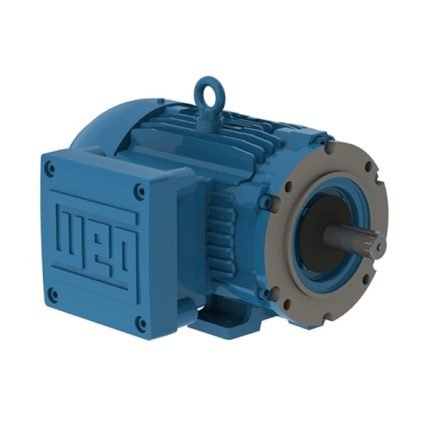
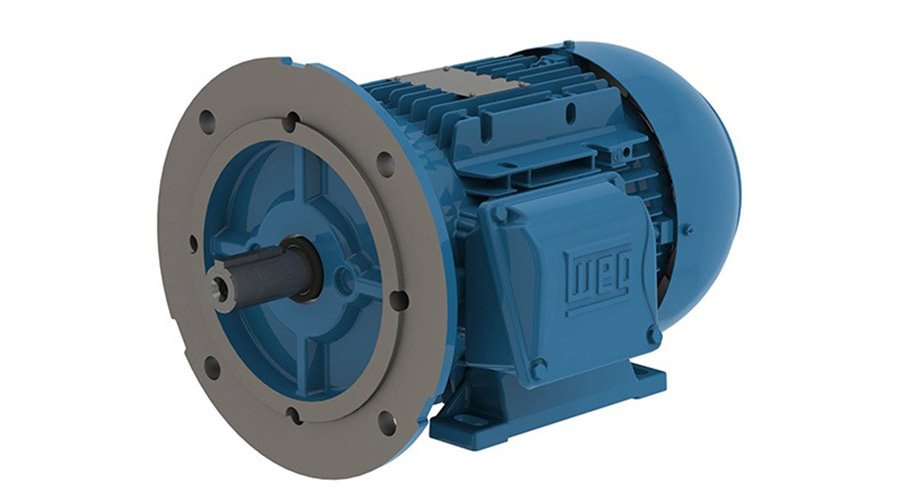
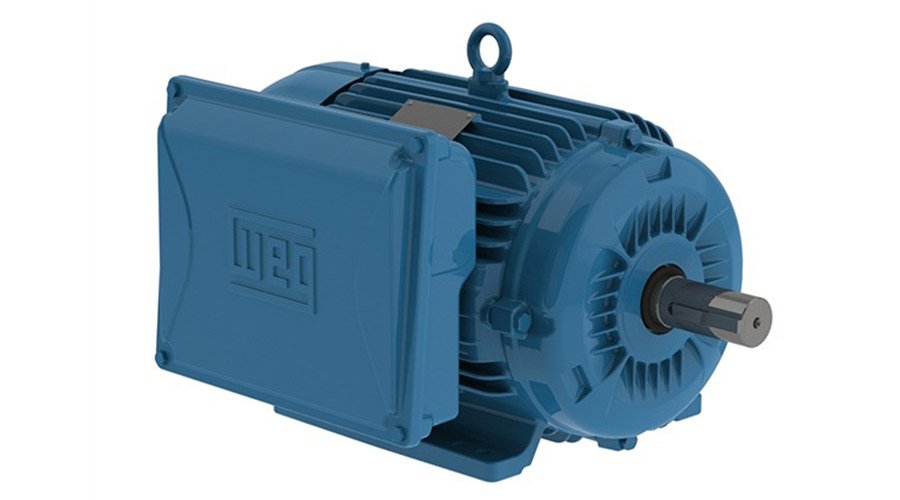
An electric motor is a device that converts electrical energy into mechanical motion using electromagnetic principles. It operates by generating a magnetic field that interacts with a rotor, causing it to spin and produce mechanical force.

Electric motors are used in almost every industry, from home appliances like fans and refrigerators to industrial equipment such as pumps, conveyors, and robots. Their efficiency and reliability make them the preferred choice for many applications.

With advancements in motor technology, modern electric motors are more energy-efficient, environmentally friendly, and capable of delivering high performance with minimal maintenance.

An electric motor is a machine that converts electrical energy into mechanical energy. Most electric motors operate through the interaction between the motor's magnetic field and electric current in a wire winding to generate Laplace force in the form of torque applied on the motor's shaft. An electric generator is mechanically identical to an electric motor, but operates in reverse, converting mechanical energy into electrical energy.

How Do Electric Motors Work?

Electric motors operate on the principle of electromagnetism. When an electric current flows through the motor’s coils, it creates a magnetic field that interacts with the rotor, causing it to rotate. This rotational motion is then used to drive machinery, vehicles, or appliances.

There are two main types of electric motors based on their power source:

  • AC (Alternating Current) Motors – Used in industrial machinery, HVAC systems, and home appliances.
  • DC (Direct Current) Motors – Found in electric vehicles, robotics, and battery-operated devices.

The efficiency of an electric motor depends on factors like design, power rating, and intended use. Choosing the right type of motor ensures optimal performance and longevity.

Types of Electric Motors

Electric motors come in various types, each suited for specific applications. The most common categories include:

  • Surface Motors – Used in applications where the motor remains above the surface, such as in factories, automotive engines, and conveyor systems.
  • Submersible Motors – Designed to operate underwater, making them ideal for pumps, wells, and underwater drilling.

Each type has its advantages and is selected based on environmental conditions, power requirements, and operational efficiency.

Surface Motors: Versatile and Reliable

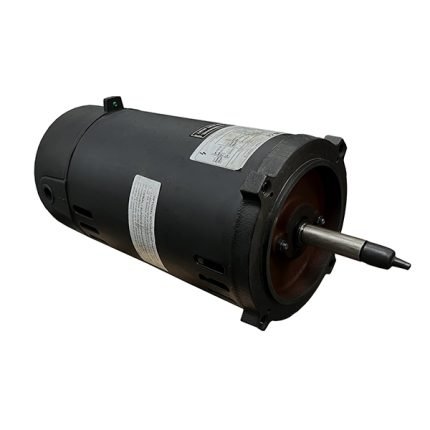
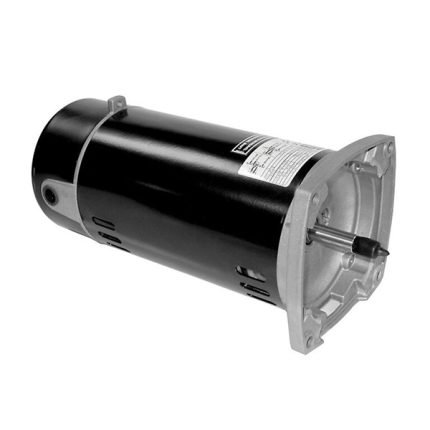
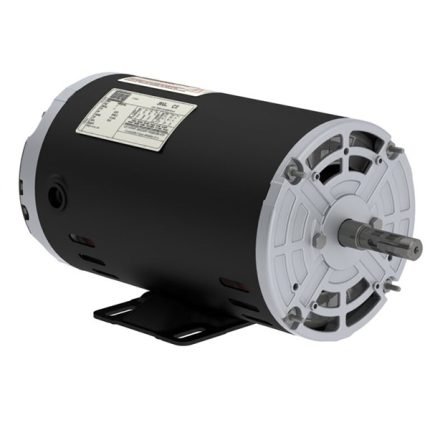
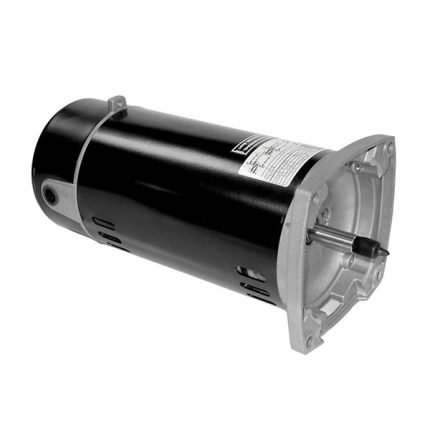
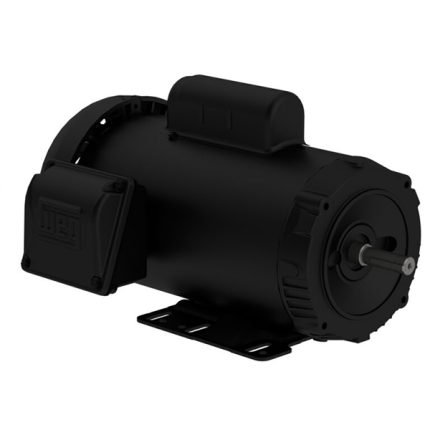
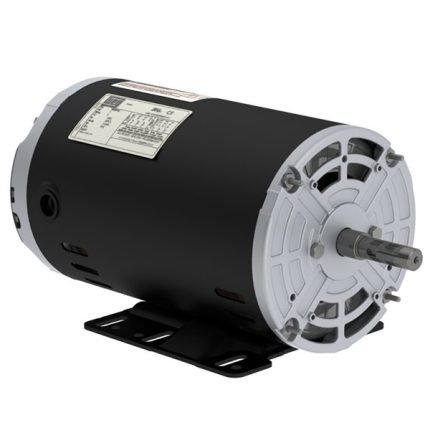
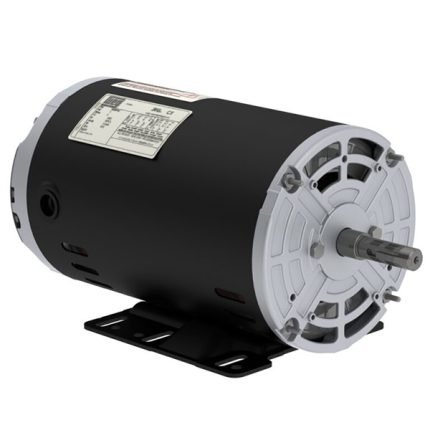
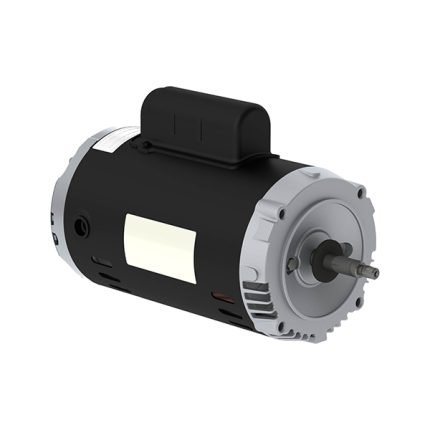
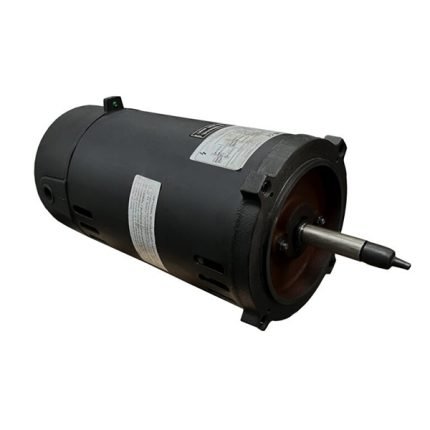
Surface motors are among the most widely used electric motors, designed to function in open-air environments. They power machinery in industrial plants, transportation systems, and household appliances.

One of the key advantages of surface motors is their versatility. They come in various power ratings and sizes, allowing them to be used in different applications. From electric vehicles to factory automation systems, these motors are essential for modern industry.

Additionally, surface motors offer easy maintenance and accessibility. Unlike submersible motors, they do not require complex waterproofing, making them easier to service and repair when needed.

Applications of Surface Motors

Surface motors are used in a wide range of industries due to their adaptability and efficiency. Some common applications include:

  • Manufacturing and Automation – Used in conveyor belts, robotic arms, and CNC machines.
  • Electric Vehicles – Found in cars, motorcycles, and scooters for efficient propulsion.
  • Home Appliances – Powering fans, washing machines, and refrigerators.
  • HVAC Systems – Driving air conditioners, compressors, and ventilation systems.

With their durability and high efficiency, surface motors continue to play a vital role in modern technology and industrial processes.

Submersible Motors: Power Beneath the Surface

Submersible motors are designed to function underwater or in environments where they are completely submerged. These motors are sealed to prevent water damage and are commonly used in deep wells, irrigation systems, and underwater construction.

One of the key benefits of submersible motors is their ability to operate in extreme conditions. Unlike surface motors, they do not require external cooling since they are naturally cooled by the surrounding liquid.

Additionally, submersible motors provide higher efficiency in fluid-based applications, as they are directly integrated with the system, reducing energy losses.

Applications of Submersible Motors

Submersible motors are essential in industries that require fluid handling and underwater operations. Common applications include:

  • Water Wells and Pumps – Used in municipal water supply and deep-well pumping.
  • Oil and Gas Industry – Powering pumps for offshore drilling and underwater exploration.
  • Irrigation Systems – Providing reliable water supply for agricultural irrigation.
  • Wastewater Treatment – Operating sewage pumps and drainage systems.

These motors ensure seamless operation in environments where conventional motors would fail due to water exposure.

Key Differences Between Surface and Submersible Motors

Choosing between a surface motor and a submersible motor depends on the application and environmental conditions. Here are the main differences:

Feature

Surface Motors

Submersible Motors

Location

Above ground

Underwater

Cooling Mechanism

Air-cooled

Water-cooled

Maintenance

Easy access

Requires removal for service

Efficiency

High in open-air environments

Higher in liquid-based applications

Applications

Manufacturing, transportation, home appliances

Pumps, wells, oil and gas industry

Each motor type has unique advantages, and selecting the right one depends on operational needs and environmental factors.

How to Choose the Right Electric Motor

Selecting the right electric motor involves considering several factors, including:

  • Power Requirements – Ensure the motor provides sufficient torque and speed for your application.
  • Operating Environment – Choose a surface motor for dry conditions and a submersible motor for underwater applications.
  • Efficiency and Energy Consumption – Opt for energy-efficient models to reduce operational costs.
  • Maintenance Needs – Consider the ease of access and servicing requirements.

Evaluating these factors will help you select the most suitable motor for your needs, ensuring long-term performance and cost-effectiveness.

Future Trends in Electric Motor Technology

As technology advances, electric motors are becoming more efficient, compact, and environmentally friendly. Some key trends shaping the future of electric motors include:

  • Increased Use of AI and IoT – Smart motors with real-time monitoring and predictive maintenance.
  • High-Efficiency Motors – Development of ultra-efficient motors to reduce energy consumption.
  • Sustainable Materials – Use of eco-friendly components to minimize environmental impact.
  • Wireless Power Transfer – Emerging technologies to enable contactless motor operation.

These innovations are set to revolutionize the electric motor industry, making them more adaptable and efficient for future applications.