Why Your Industrial Pump Keeps Losing Pressure (And How to Fix It)

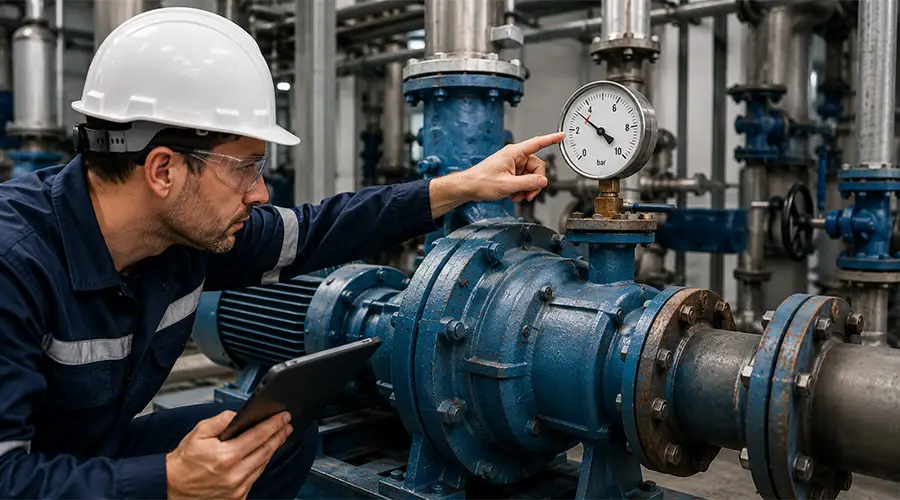
Industrial pumps are built to move fluids reliably through demanding systems. They are used in manufacturing plants, water treatment facilities, chemical processing, irrigation, construction, mining, HVAC systems, and many other industrial applications. When a pump works properly, it delivers steady flow and stable pressure. But when an industrial pump keeps losing pressure, the entire operation can be affected.
Low pump pressure can lead to reduced production, poor system performance, equipment strain, higher energy costs, and unexpected downtime. In some cases, continued operation under poor pressure conditions can damage the pump itself. The challenge is that pressure loss does not always come from the pump. It can be caused by the suction line, discharge piping, valves, filters, fluid conditions, motor speed, or system design.
Before replacing the pump, it is important to diagnose the real cause. This guide explains the most common reasons industrial pumps lose pressure and how to fix them.
Table of Contents
What Does Pump Pressure Loss Mean?
Pump pressure loss means the pump cannot maintain the required discharge pressure for the system. The pressure may drop suddenly, fluctuate during operation, or slowly decrease over time. Sometimes the pump starts normally and loses pressure after a few minutes. Other times, it never reaches the expected pressure at all.
It is important to remember that a pump does not create pressure by itself in isolation. A pump creates flow, and pressure is created by resistance in the system. That means changes in piping, valves, filters, fluid type, suction conditions, or demand can all affect pressure.
Common signs of pressure loss include weak outlet flow, unstable gauge readings, noisy operation, vibration, overheating, frequent pump cycling, and poor performance at the point of use.
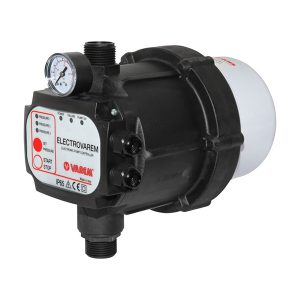
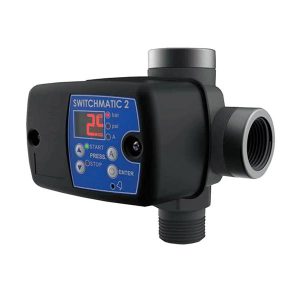
If your pump pressure drops because of unstable demand, frequent cycling, or incorrect pressure control, the issue may be related to the control system rather than the pump itself. Using a reliable booster pump controller helps maintain consistent pressure, protect the pump from dry running, and improve overall system efficiency. This is especially useful in industrial water systems where pressure stability is critical for continuous operation.
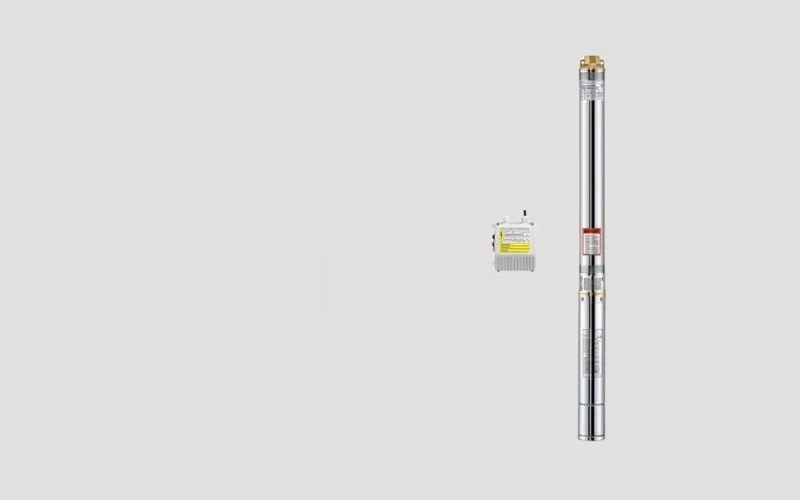
VAREM Automatic Pump Controller – 110V – 0.8 Gallon – 62 psi
COELBO Electronic pressure switch with 3ways fitting and non-return valve, complete pump protection, 110/230, 1PHASE, 108 PSI, IP65, Model T-KIT SWITCHMATIC 1
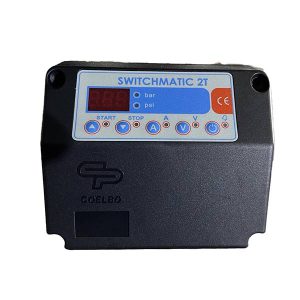
COELBO Three phase electronic pressure switch, 230/460V, 3PHASE, 166 PSI, IP65, Model SWITCHMATIC 2T
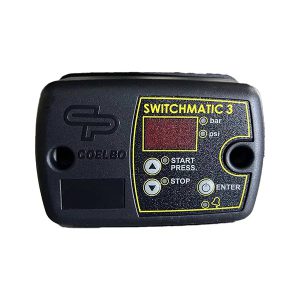
COELBO Electronic pressure switch with integrated digital pressure gauge, 48-230V, 1P, 108 PSI, IP65, Model SWITCHMATIC 3 – In/Out
1. Air Is Entering the Suction Line
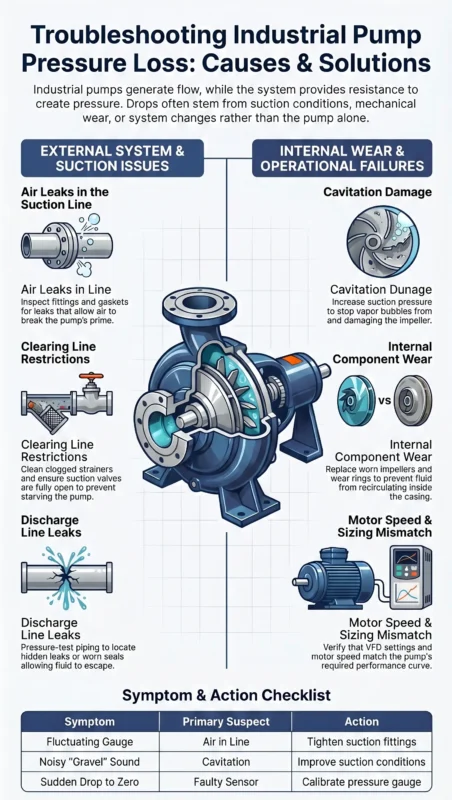
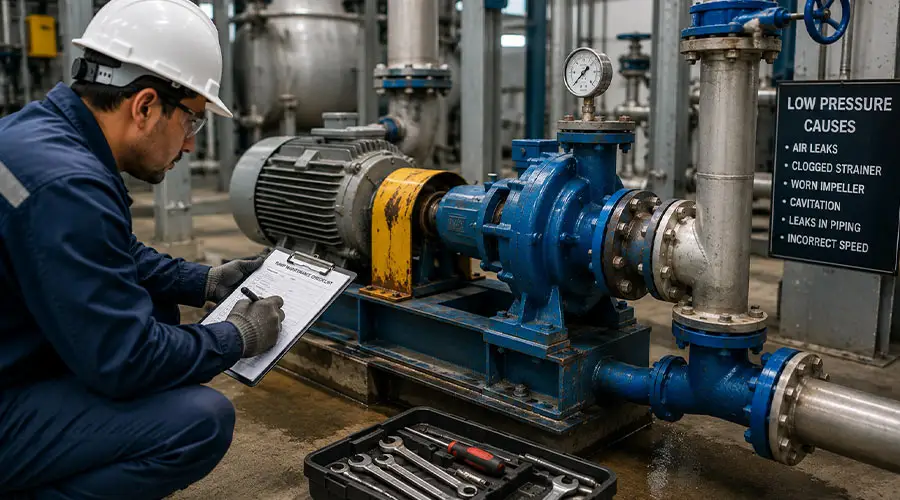
Air entering the suction side is one of the most common causes of industrial pump pressure loss. Pumps are designed to move liquid, not air. When air gets into the pump casing or suction line, the pump may lose prime, produce unstable flow, and fail to maintain pressure.
Air can enter through loose fittings, cracked suction hoses, damaged gaskets, poor pipe connections, low liquid level in the source tank, or vortex formation near the suction inlet. A suction-side air leak can be difficult to detect because air may enter the pipe without liquid leaking out.
How to Fix It
Inspect all suction-side connections. Tighten fittings, replace damaged gaskets, and check hoses or pipes for cracks. Make sure the suction inlet is fully submerged and that the liquid level is high enough. If a vortex is forming in the tank, reposition the suction pipe or install an anti-vortex plate.
Also confirm that the pump is properly primed before startup. If air remains trapped inside the casing, the pump may not build pressure correctly.

2. The Pump Is Not Properly Primed
Many centrifugal pumps must be filled with liquid before they can operate correctly. If the pump casing or suction line contains air, the impeller cannot move liquid efficiently. This leads to low pressure, poor flow, and sometimes dry running.
Poor priming often happens after maintenance, after long shutdowns, or when foot valves and check valves fail to hold liquid in the suction line.
How to Fix It
Follow the correct priming procedure for the pump. Fill the pump casing completely with liquid and remove trapped air. If the pump repeatedly loses prime, inspect the foot valve, check valve, and suction line for leaks.
For systems where priming is a repeated problem, a self-priming pump or automatic priming system may be a better long-term solution.
Related article: For more information about low flow high pressure pump, click the link.
3. The Suction Line Is Clogged or Restricted
A pump cannot maintain pressure if it cannot receive enough liquid. Suction restrictions starve the pump and reduce discharge pressure. Common causes include clogged strainers, blocked inlet screens, collapsed suction hoses, undersized suction piping, closed valves, or buildup inside the pipe. This problem is common in wastewater, chemical transfer, agricultural, and industrial water applications where solids, scale, or debris may be present.
How to Fix It
Check suction strainers, filters, and inlet screens. Clean or replace them if they are clogged. Make sure suction valves are fully open. If a flexible hose is used, confirm that it has not collapsed under suction. Also review the suction pipe design. Long suction runs, small pipe diameter, and too many elbows can increase friction loss and reduce pump performance.
4. There Is a Leak in the Discharge Line
A leak on the discharge side can cause pressure to drop because part of the fluid escapes before reaching the point of use. These leaks may occur at pipe joints, flanges, fittings, hoses, valves, or damaged sections of pipe.
Some discharge leaks are easy to see, but others may be hidden behind equipment, underground, or inside process machinery.
How to Fix It
Inspect the discharge line from the pump outlet to the final delivery point. Look for wet areas, corrosion, loose bolts, cracked fittings, damaged hoses, or leaking seals. If the leak is not visible, pressure-test the line.
Replace worn gaskets, tighten connections, and repair damaged piping. If leaks happen often, check whether the pipe, gasket, and seal materials are suitable for the fluid, pressure, and temperature.
5. The Impeller Is Worn, Damaged, or Blocked
The impeller transfers energy from the motor to the fluid. If it is worn, corroded, cracked, or clogged, the pump loses efficiency and may no longer produce the required pressure.
Impeller wear is common when pumps handle dirty water, abrasive liquids, slurry, chemicals, or fluids containing suspended solids. Debris can also block the impeller passages and reduce flow.
How to Fix It
Shut down and isolate the pump safely before inspection. Open the pump casing according to the manufacturer’s instructions and inspect the impeller. Remove debris or buildup. If the impeller is damaged or worn, replace it with the correct part and material.
If impeller wear happens frequently, the pump may not be suitable for the fluid. A more wear-resistant pump or better filtration may be required.

6. Cavitation Is Reducing Pump Performance
Cavitation happens when vapor bubbles form inside the pump and collapse violently. This usually occurs when suction pressure is too low or the liquid is too hot. Cavitation reduces pressure, causes vibration, creates noise, and can damage the impeller and pump casing.
A cavitating pump often sounds like it is pumping gravel or stones. If ignored, cavitation can lead to severe internal damage.
How to Fix It
Improve suction conditions. Reduce suction lift, increase the liquid level above the pump, shorten the suction pipe, increase suction pipe diameter, clean strainers, and reduce unnecessary elbows or restrictions.
Also check the fluid temperature. Hot liquids vaporize more easily and increase the risk of cavitation. If the system does not provide enough suction pressure, the pump may need to be repositioned or replaced with a more suitable model.
Related article: For more information about cavitation pump vibration, click the link.
7. Internal Pump Wear Is Causing Pressure Loss
Over time, internal pump parts can wear down. Wear rings, bushings, seals, and internal clearances all affect pump performance. When clearances become too large, fluid can recirculate inside the pump instead of moving efficiently through the discharge line. This causes pressure and flow to drop. Internal wear usually develops gradually. The pump may continue running, but performance slowly declines.
How to Fix It
During maintenance, measure internal clearances and compare them with the manufacturer’s recommended limits. Replace worn wear rings, bushings, seals, or other internal components. If wear is happening faster than expected, check for abrasive solids, cavitation, poor alignment, or operation outside the pump’s recommended range.
8. The Pump Is Running at the Wrong Speed
Pump speed has a direct effect on flow and pressure. If the pump runs too slowly, it may not generate enough pressure. This can happen because of incorrect motor speed, variable frequency drive settings, belt slippage, electrical issues, or control system problems.
In variable speed systems, incorrect settings can make the pump operate below the required performance point.
How to Fix It
Check motor speed and compare it with the pump’s required operating speed. If the pump uses belts, inspect belt tension and look for slippage. If the system uses a variable frequency drive, review the speed settings, pressure setpoints, and control signals.
Also check voltage supply and motor condition. Electrical problems can reduce motor output and cause low pressure.
9. Valves Are Closed, Damaged, or Incorrectly Set
Valves can cause major pressure problems. A partially closed suction valve can restrict flow into the pump. A stuck check valve can reduce flow. A bypass valve or pressure relief valve that is stuck open can send fluid back to the tank instead of maintaining discharge pressure. Sometimes the problem is simple operator error: a valve is not in the correct position.
How to Fix It
Inspect all suction and discharge valves. Make sure isolation valves are fully open during operation. Check control valves, bypass valves, pressure relief valves, and check valves for correct position and proper function. If valve position mistakes happen often, use labels, lockout procedures, or valve position indicators.
10. Filters and Strainers Are Clogged
Filters and strainers protect the pump and downstream equipment, but when they become clogged, they create excessive pressure drop. A clogged suction strainer can starve the pump and cause cavitation. A clogged discharge filter can reduce flow and affect system pressure.
How to Fix It
Check the pressure before and after filters to measure pressure drop. Clean or replace filter elements on schedule. If filters clog too quickly, the system may need a larger filter, better pre-screening, or a different filter rating. Do not permanently remove filters to solve a pressure issue. This may expose the pump and system to damage.
11. The Fluid Conditions Have Changed
Industrial pumps are selected based on specific fluid properties. If the fluid changes, the pump may no longer perform as expected. Higher viscosity, higher temperature, increased solids content, chemical concentration changes, or higher specific gravity can all reduce pressure and flow. For example, a pump selected for clean water may struggle with thicker liquid or liquid containing abrasive particles.
How to Fix It
Compare the current fluid conditions with the original pump selection data. Check viscosity, temperature, solids content, chemical compatibility, and density. If the fluid has changed significantly, the pump may need a different material, impeller, motor size, or pump type. For viscous fluids, a positive displacement pump may be more suitable than a centrifugal pump.
Related article: For more information about vacuum pump overheating, click the link.

12. The Pump Is Not Sized Correctly
Sometimes the pump is not damaged at all. It may simply be too small for the system requirements. This can happen when the system has been modified after installation. Added equipment, longer pipe runs, new filters, higher flow demand, or elevation changes can all increase the required pressure. A pump that worked well before may lose pressure after the system changes.
How to Fix It
Review the pump curve and compare it with actual system conditions. Measure flow rate, suction pressure, discharge pressure, pipe length, elevation, and pressure losses through filters, valves, and fittings.
If the pump is operating far from its best efficiency point, it may need to be resized. In some cases, adjusting impeller diameter or pump speed may solve the problem. In other cases, a different pump is required.
13. The Pressure Gauge or Sensor Is Faulty
Before assuming the pump is failing, confirm that the pressure reading is correct. A faulty gauge, clogged gauge port, damaged pressure transmitter, bad wiring, or calibration error can make it appear that the pump is losing pressure when the actual pressure is normal. This is especially important in automated systems where sensors control pump speed and system alarms.
How to Fix It
Verify the reading with a calibrated pressure gauge. Inspect gauge lines and pressure ports for clogging. If electronic sensors are used, check calibration, wiring, signal output, and controller settings. If the pressure reading changes suddenly but the system performance seems normal, instrumentation should be checked first.
Simple Troubleshooting Checklist
When your industrial pump keeps losing pressure, start with the basics. Confirm that the gauge or sensor is accurate. Check that the pump is properly primed. Inspect the suction line for air leaks, clogged strainers, collapsed hoses, and closed valves. Look for leaks in the discharge line. Listen for cavitation noise and check vibration. Review motor speed, drive settings, and power supply.
If these external checks do not solve the issue, inspect the impeller, seals, wear rings, and internal clearances. Finally, review the pump curve and system design to make sure the pump is still suitable for the application.
How to Prevent Future Pump Pressure Problems
The best way to avoid pump pressure loss is preventive maintenance. Inspect filters, strainers, seals, valves, gauges, suction lines, and discharge piping regularly. Record normal pressure and flow readings so changes can be detected early.
It is also important to select the right pump from the beginning. The pump should match the required flow rate, pressure, suction conditions, fluid type, temperature, chemical compatibility, and operating environment.
Good system design matters too. Proper pipe sizing, fewer unnecessary elbows, correct valve placement, and clean suction conditions all help maintain stable pump pressure.
Conclusion
An industrial pump that keeps losing pressure can cause downtime, poor performance, and costly equipment damage. However, the pump itself is not always the main problem. Pressure loss can be caused by air in the suction line, poor priming, clogged strainers, discharge leaks, worn impellers, cavitation, internal wear, incorrect speed, faulty valves, clogged filters, fluid changes, bad sensors, or incorrect pump sizing.
The best solution is to troubleshoot step by step. Start with simple external checks, then move to internal pump inspection and system design review. By finding the real cause, you can restore pressure, improve reliability, reduce maintenance costs, and extend the life of your industrial pumping system.
FAQs
Why does my industrial pump keep losing pressure?
An industrial pump may lose pressure because of air entering the suction line, poor priming, clogged strainers, discharge leaks, worn impellers, cavitation, faulty valves, incorrect pump speed, or improper pump sizing. In many cases, the issue is not only the pump itself but the entire pumping system.
Can a clogged filter cause pump pressure loss?
Yes. A clogged filter or strainer can restrict fluid flow and reduce pump pressure. If the blockage is on the suction side, it may starve the pump and even cause cavitation. If it is on the discharge side, it can reduce flow and affect system performance.
How do I know if air is entering my pump system?
Common signs of air entering the pump system include unstable pressure, noisy operation, reduced flow, vibration, and difficulty maintaining prime. You may also notice bubbles in the discharge line or irregular pressure gauge readings.
Can cavitation make an industrial pump lose pressure?
Yes. Cavitation can reduce pump pressure and damage internal components. It usually happens when the pump does not receive enough suction pressure or when the liquid is too hot. A cavitating pump often makes a sound similar to gravel moving inside the casing.
Why does my pump lose pressure after running for a few minutes?
If a pump starts with normal pressure but loses pressure after a few minutes, the cause may be air leaks, poor priming, a clogged suction line, overheating liquid, cavitation, or a valve problem. It may also indicate that the pump is gradually losing prime during operation.
Can a worn impeller cause low pump pressure?
Yes. A worn, damaged, corroded, or blocked impeller can reduce the pump’s ability to move fluid efficiently. This often leads to lower pressure, reduced flow, vibration, and poor overall performance.