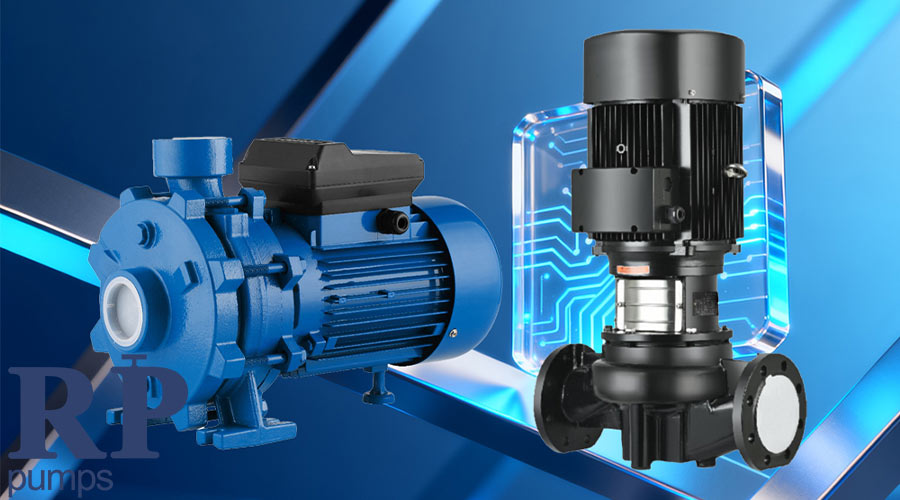
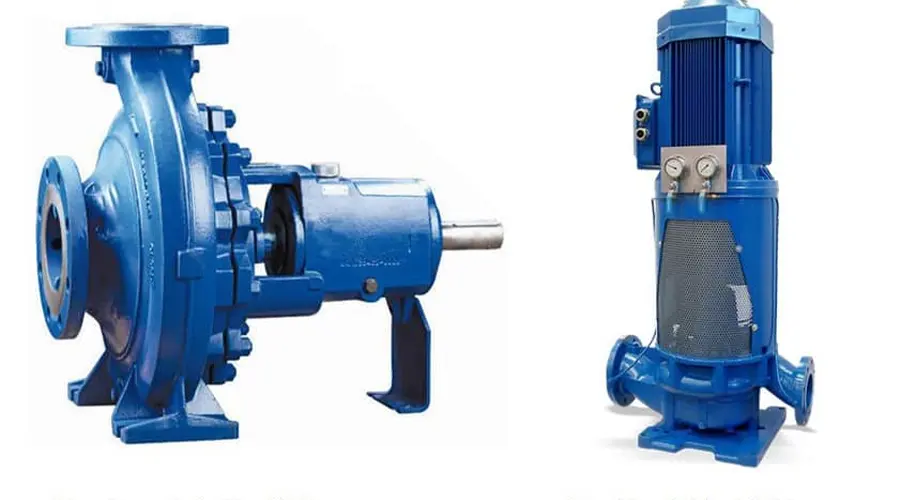
Industrial pumping systems are not one-size-fits-all. The performance, efficiency, and lifespan of a pump often depend not only on its capacity but also on its configuration. One of the most important design decisions in pump selection is choosing between a vertical pump and a horizontal pump.
Both types are widely used across industries such as water treatment, oil and gas, manufacturing, agriculture, HVAC, and chemical processing. However, they differ significantly in installation style, space requirements, maintenance access, and application suitability.
Choosing the wrong configuration can lead to higher energy consumption, frequent breakdowns, installation difficulties, and unnecessary operational costs. In this guide, we’ll break down the differences between vertical and horizontal industrial pumps and help you determine which one is best for your system.
Table of Contents
What Are Vertical Industrial Pumps?
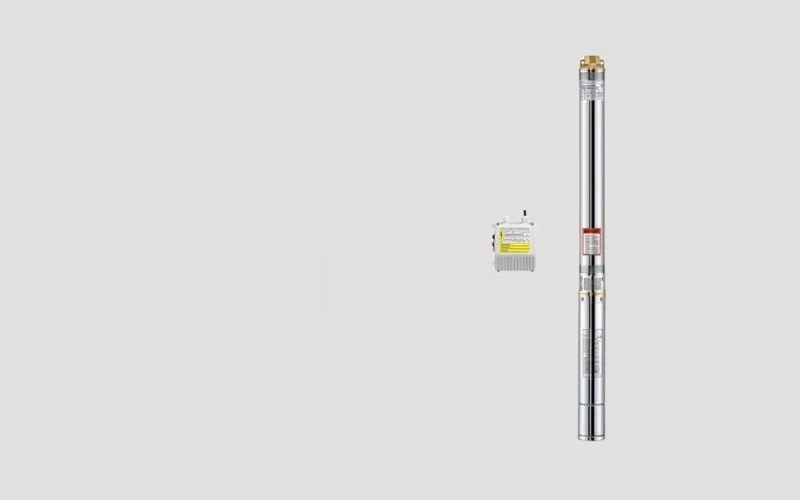
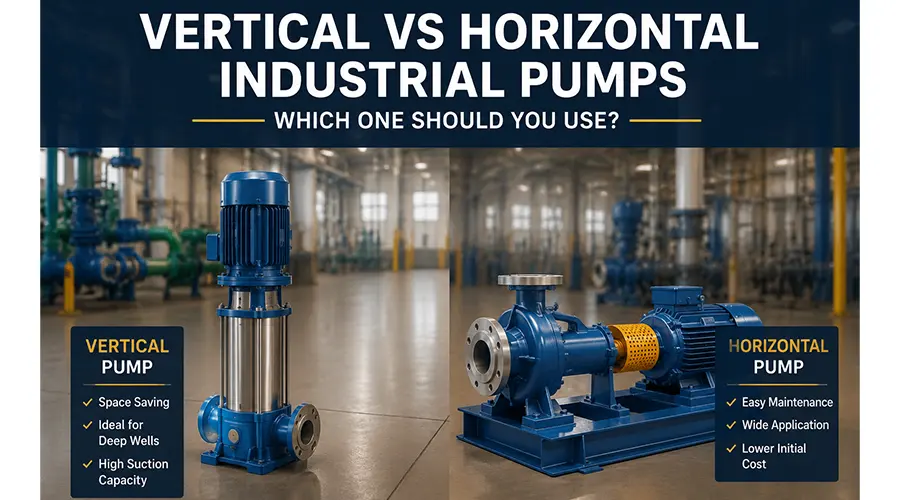
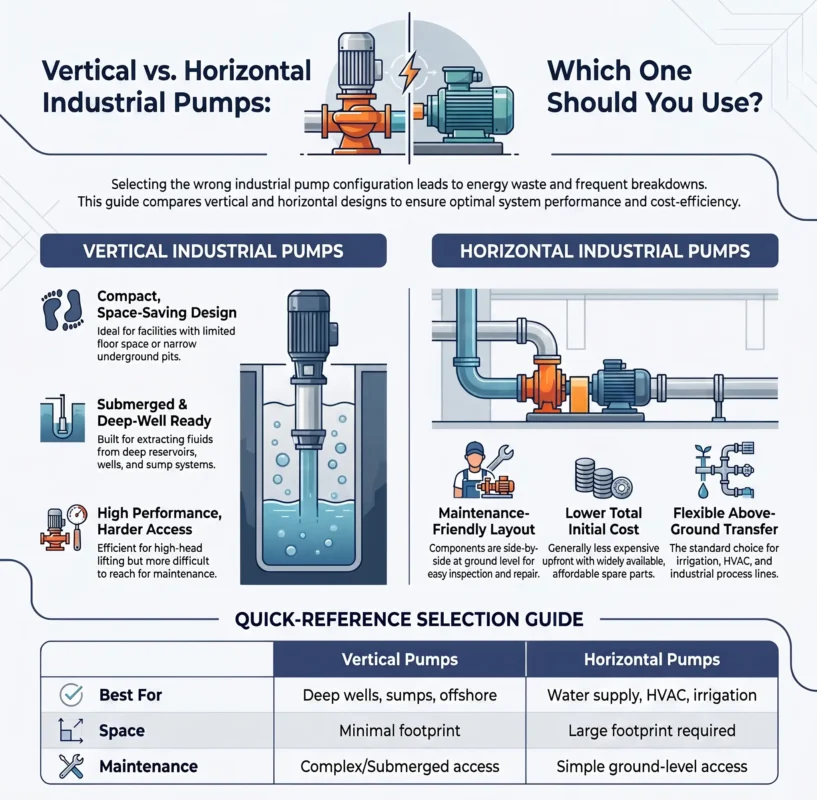
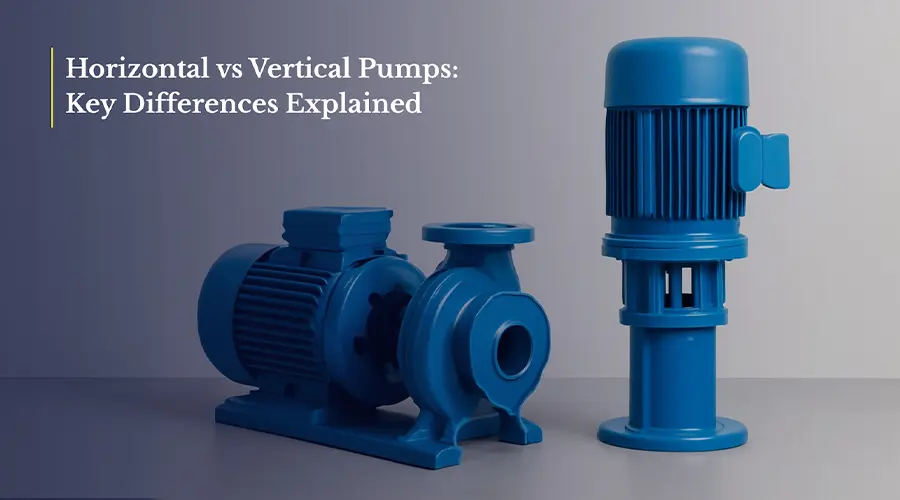
Vertical pumps are designed with a vertical shaft orientation, meaning the motor is positioned above the pump or aligned vertically with it. The impellers are typically submerged in the fluid source, especially in sump or deep-well applications.
These pumps are commonly used when space is limited or when fluids must be pumped from deep reservoirs, pits, or tanks.
Key Characteristics of Vertical Pumps:
Compact footprint (occupies less floor space)
Suitable for deep suction or submerged applications
Motor is positioned above the liquid level
Often used in sump, well, and tank systems
Vertical pumps are especially valuable in facilities where floor space is expensive or restricted, such as offshore platforms or underground pumping stations.
Boost your industrial efficiency with our centrifugal water pump for reliable high-performance flow systems at RP Pumps Online. Find durable, energy-efficient solutions designed for demanding industrial and commercial applications.
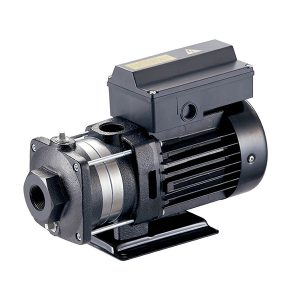
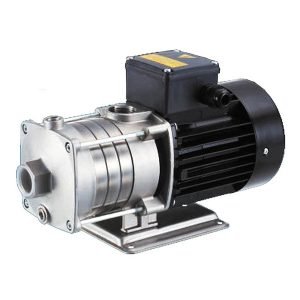
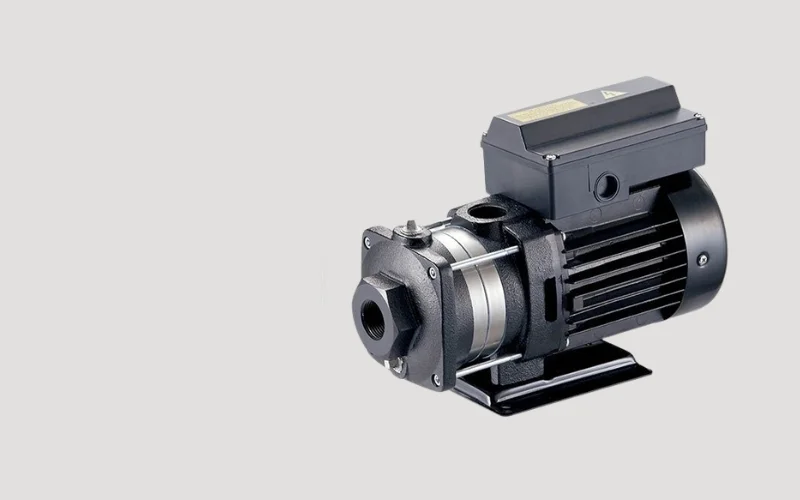
CBI 4-20 Multi-Stage Horizontal Water Pump - 2400 GPH, 1 HP, 220/460 Volts, 1 1/4 in. Suction, 3P
$606.99
What Are Horizontal Industrial Pumps?
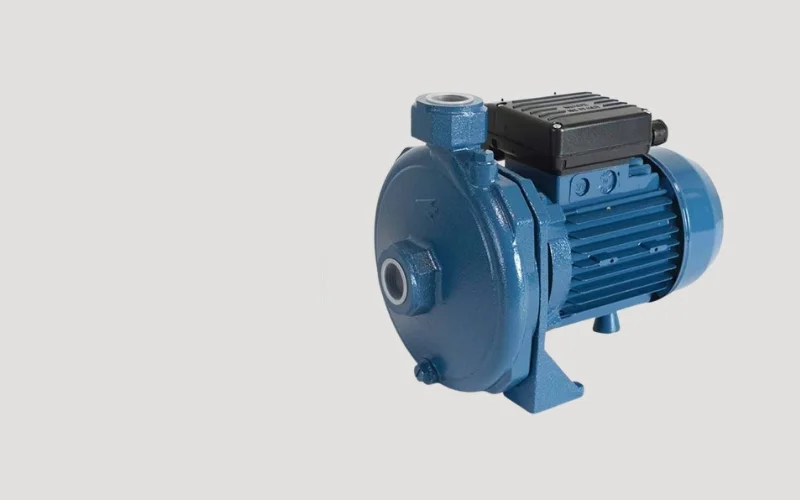
Horizontal pumps have a shaft positioned horizontally, with the motor and pump mounted side-by-side on a base frame. This is the most common pump configuration used in industrial applications.
They are typically installed above ground with easy access for inspection, repair, and maintenance.
Key Characteristics of Horizontal Pumps:
Larger footprint (requires more floor space)
Easy access to components
Widely used in general industrial applications
Ideal for clean water, process fluids, and transfer systems
Horizontal pumps are often preferred for their simplicity, ease of maintenance, and flexibility in system design.
Related article: For more information about pump specification, click the link.
Understanding the core differences between these two pump types is essential for making the right selection.
Installation Space Requirements
Vertical pumps are ideal when space is limited. Their upright design allows them to fit into narrow or confined areas without requiring a large footprint.
Horizontal pumps, on the other hand, require more floor space due to their side-by-side motor and pump configuration. This can be a limitation in compact industrial environments.
Summary:
Vertical pumps = space-saving design
Horizontal pumps = space-demanding but easier layout
Maintenance and Accessibility
Maintenance plays a major role in total cost of ownership. Horizontal pumps are easier to maintain because all components are accessible at ground level. Technicians can inspect, repair, or replace parts without dismantling the system.
Vertical pumps may require more effort during maintenance, especially if the pump assembly is submerged or installed in deep pits. However, they often require less frequent maintenance in certain applications.
Summary:
Vertical pumps = harder access, less frequent servicing
Both pump types can be highly efficient, but performance depends on application design. Vertical pumps are efficient in deep suction or high-head applications where fluid must be lifted from lower levels. They reduce suction lift limitations and can improve hydraulic performance in deep systems.
Horizontal pumps are efficient for general transfer, circulation, and low-to-medium head applications. They are commonly used where suction conditions are stable and predictable.
Summary:
Vertical pumps = better for deep or submerged pumping
Horizontal pumps = better for standard transfer systems
Initial and Operating Cost
Cost is always a key factor in industrial equipment selection. Horizontal pumps are generally less expensive upfront due to simpler installation and widespread availability. Spare parts are also more common, which reduces long-term costs.
Vertical pumps may have a higher initial cost, especially for deep-well or specialized configurations. However, they can reduce installation footprint costs in facilities where space is expensive.
Vertical pumps are highly space-efficient and can be installed in narrow pits, tanks, or vertical shafts. This makes them ideal for industrial plants with compact layouts.
Horizontal pumps offer greater flexibility in piping layout and system design. They are easier to integrate into modular systems and can be reconfigured more easily.
Summary:
Vertical pumps = compact but less flexible
Horizontal pumps = flexible but space-consuming
Applications of Vertical Pumps
Vertical pumps are commonly used in:
Deep well water extraction
Sump pumping systems
Wastewater lifting stations
Cooling towers
Marine and offshore platforms
Industrial pits and underground tanks
They are particularly effective where fluids need to be lifted from below ground or confined spaces.
Applications of Horizontal Pumps
Horizontal pumps are widely used in:
Water supply systems
HVAC circulation systems
Industrial process lines
Irrigation systems
Chemical transfer systems
Firefighting systems
They are the standard choice for most above-ground pumping operations.
Advantages of Vertical Pumps
Saves installation space
Suitable for deep suction applications
Reduces risk of cavitation in submerged systems
Works well in underground or pit installations
Ideal for high-head pumping needs
Vertical pumps are often chosen when system design constraints are more important than maintenance convenience.
Advantages of Horizontal Pumps
Easier maintenance and inspection
Lower installation cost
Wide availability of spare parts
Flexible system integration
Suitable for a broad range of applications
Horizontal pumps are often the default choice for general industrial use.
Disadvantages of Vertical Pumps
More complex installation
Maintenance can be difficult in deep setups
Higher initial engineering requirements
Limited flexibility in some system designs
Disadvantages of Horizontal Pumps
Requires more floor space
Not suitable for deep suction applications
May require additional priming systems in some cases
Can be affected by cavitation if poorly designed
Which One Should You Use?
The choice between vertical and horizontal pumps depends on your operational environment, system design, and long-term goals.
Choose a Vertical Pump If:
You have limited floor space
You are pumping from deep pits or wells
You need a submerged pumping solution
Your system requires high-head lifting
Space optimization is a priority
Choose a Horizontal Pump If:
You want easier maintenance access
You are working with standard water or process transfer
You have enough installation space
You want lower initial investment
Your system requires flexibility and scalability
Common Mistakes When Choosing Pump Orientation
Many industrial buyers make mistakes that lead to inefficiency or high maintenance costs. Avoid the following:
Choosing based only on price instead of application
Ignoring space constraints in system design
Overlooking maintenance accessibility
Not considering suction conditions properly
Failing to evaluate long-term operational cost
A pump should always be selected based on system requirements, not just specifications on paper.
Conclusion
Vertical and horizontal industrial pumps both play essential roles in modern pumping systems, but they serve different purposes. Vertical pumps are best suited for space-limited environments, deep suction applications, and specialized installations where compact design is critical. Horizontal pumps, on the other hand, are ideal for general industrial use, offering easier maintenance, lower costs, and flexible system integration.
The right choice depends on balancing installation space, maintenance requirements, application type, and total cost of ownership. When selected correctly, both configurations can deliver reliable, efficient, and long-lasting performance in industrial environments.
FAQs
What is the main difference between vertical and horizontal pumps?
Vertical pumps are designed with a vertical shaft and are typically used in deep or space-limited installations, while horizontal pumps have a side-by-side motor and pump layout and are more common in standard industrial systems with easier access for maintenance.
Which pump type is more efficient?
Both can be highly efficient, but their performance depends on the application. Vertical pumps perform better in deep suction or high-head systems, while horizontal pumps are more efficient in general fluid transfer and circulation applications.
Are vertical pumps harder to maintain than horizontal pumps?
Yes, in most cases. Vertical pumps often require more effort to access components, especially when installed in pits or submerged systems. Horizontal pumps are easier to maintain because all parts are accessible at ground level.
Which pump is better for limited space?
Vertical pumps are the better choice when installation space is limited. Their compact, upright design allows them to fit into narrow or confined industrial areas.
Can horizontal pumps handle deep well applications?
Generally no. Horizontal pumps are not designed for deep suction or submerged applications. Vertical pumps are specifically built for such conditions.
Which pump type has a lower cost?
Horizontal pumps usually have a lower initial cost and simpler installation. Vertical pumps may cost more upfront but can be more cost-effective in space-restricted or deep pumping systems.