
How to Size a Submersible Pump for Your Well
Choosing the right submersible pump for your well isn’t just about performance—it’s about efficiency, reliability, and long-term cost savings. An incorrectly sized pump can lead to poor water pressure, excessive energy use, or even early pump failure. That’s why understanding how to size a submersible pump is one of the most critical steps in designing or upgrading your water system.
A well-optimized pump ensures consistent water delivery while maintaining a balance between pressure and flow rate. Whether you’re drawing water for residential use, irrigation, or industrial applications, the pump must match your well depth, yield, and demand.
This article examines the following topics:
1. Determine Your Water Requirements
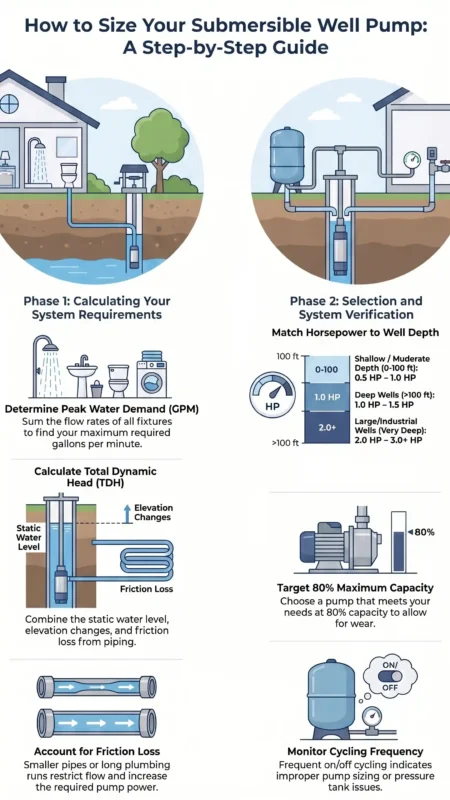
Before you even look at pump specifications, calculate how much water your household or system needs. The total water demand depends on how many fixtures, appliances, or irrigation lines are in use at once. Homes typically require 5–10 gallons per minute (GPM), while farms or commercial setups may need significantly more.
To determine your total flow rate, list every water outlet and estimate its usage. For example, a shower may require 3 GPM, a washing machine 2 GPM, and outdoor taps another 5 GPM combined. Add these together to determine your peak demand—the maximum flow your pump must deliver simultaneously.
Knowing your water demand ensures your submersible pump won’t be undersized (causing pressure drops) or oversized (wasting energy and money). A correctly sized pump provides smooth, steady water supply for years to come.
Looking for a reliable submersible pump water solution?
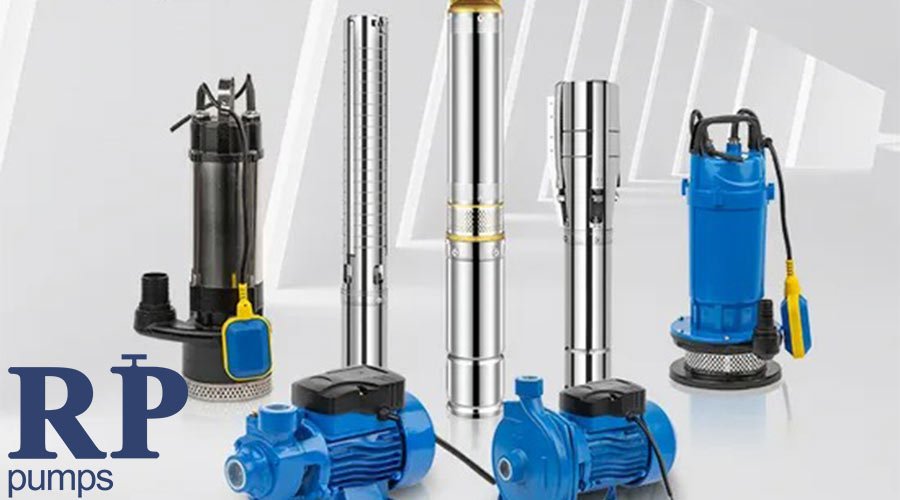
RP Pumps Online offers high-performance, energy-efficient submersible pumps for wells, homes, and industries. Get dependable water flow and long-lasting quality with RP Pumps — your trusted source for submersible pump water systems.
2. Measure the Depth and Static Water Level of the Well
Next, you must know your well’s total depth and static water level—the distance from the surface to the standing water when the pump isn’t running. This information determines the “head” or pressure your pump must overcome to bring water to the surface.
The total dynamic head (TDH) includes static head, friction loss through the piping, and any elevation differences between the pump and the delivery point. The deeper the well, the more powerful your pump must be. A pump that’s too weak won’t deliver water efficiently, while one that’s too strong may cause turbulence and short-cycling. To ensure accuracy, consult your well driller’s report or measure the water level directly using a weighted tape. RP Pumps experts can help interpret these readings and recommend the most suitable submersible pump capacity for your setup.
Related article: For more information about choosing the right pool pump, click the link.
3. Select the Right Pump Size and Horsepower
Once you know your water demand and total dynamic head, you can choose a pump with the right flow rate and horsepower. Residential wells commonly use ½ HP to 1½ HP pumps, while larger or deeper wells may need up to 3 HP or more. The goal is to select a model that provides the required GPM at the calculated head pressure.
Check manufacturer performance charts—they show how much water each pump model can deliver at varying depths. Always choose a pump that meets your system’s needs at about 80% of its maximum capacity, leaving some margin for efficiency and wear over time.
At RP Pumps Online, we carry a range of submersible well water pumps designed for optimal energy use and durability. Whether you’re outfitting a small home system or a high-capacity irrigation line, we can help match you with a reliable, long-lasting solution.
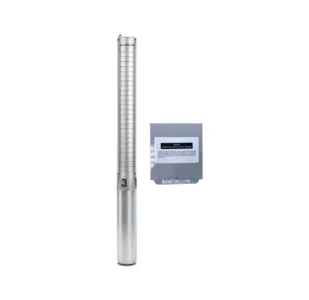
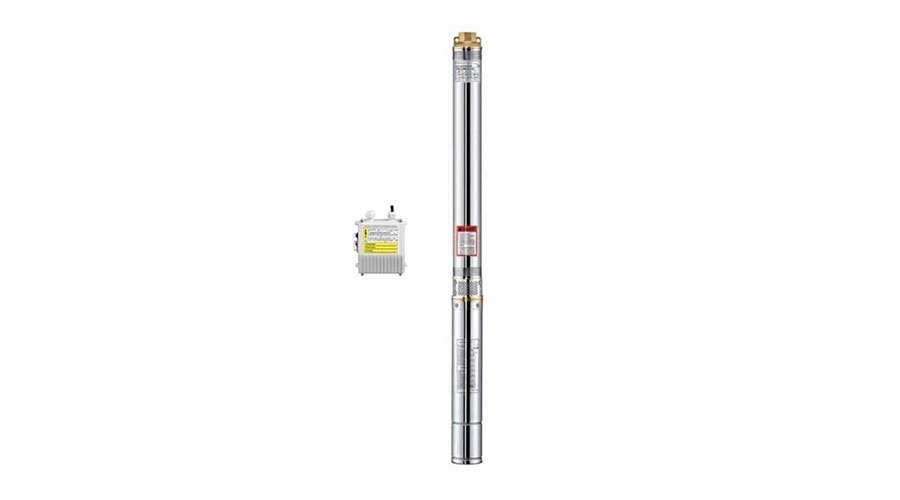
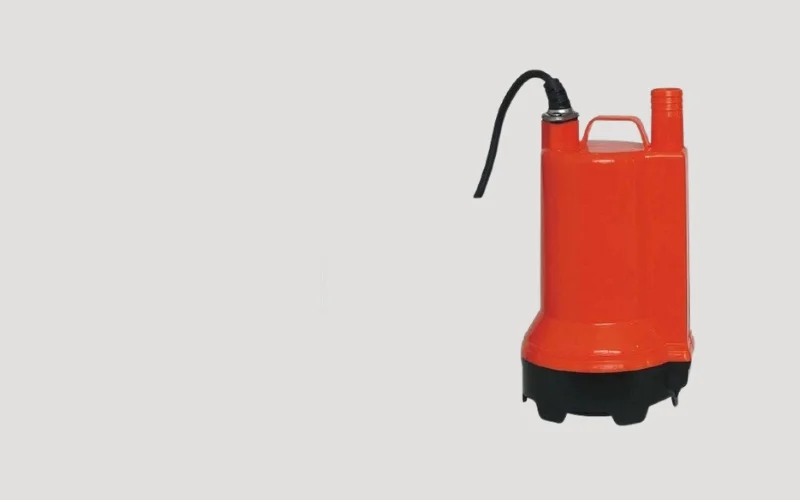
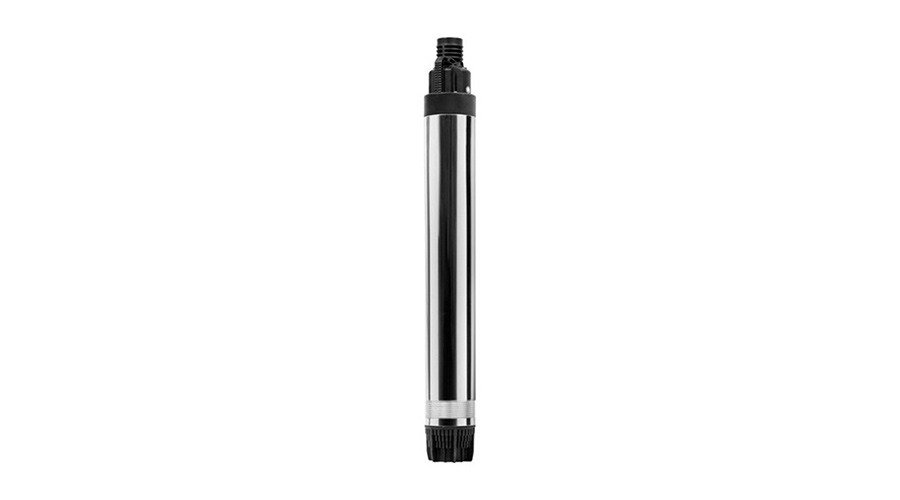
A submersible pump (or electric submersible pump (ESP) is a device which has a hermetically sealed motor close-coupled to the pump body. The whole assembly is submerged in the fluid to be pumped. The main advantage of this type of pump is that it prevents pump cavitation, a problem associated with a high elevation difference between the pump and the fluid surface. Submersible pumps push fluid to the surface, rather than jet pumps, which create a vacuum and rely upon atmospheric pressure. Submersibles use pressurized fluid from the surface to drive a hydraulic motor downhole, rather than an electric motor, and are used in heavy oil applications with heated water as the motive fluid.
https://en.wikipedia.org/wiki/Submersible_pump
4. Understand Pipe Size, Friction Loss, and Elevation
Even with the right pump size, water flow can be reduced by friction loss in your piping system. Smaller pipes or long runs of plumbing can restrict flow and lower pressure at the tap. That’s why pipe diameter and layout are just as important as pump power.
As water travels through pipes, fittings, and valves, it loses energy due to friction. This must be factored into your total dynamic head calculation. Using larger-diameter pipes or minimizing sharp bends can improve water delivery efficiency.
If your well is located on lower ground and must push water uphill, elevation differences add to the head pressure requirement. Always include these details when calculating pump size—RP Pumps can help you adjust your setup for maximum performance.
5. Consult Experts and Test System Performance
After installing your submersible pump, monitor the system’s performance. Check the pressure, flow rate, and cycling frequency during typical usage. If your pump turns on and off too often, or if pressure fluctuates, it might indicate improper sizing or a tank issue.
Consulting with professionals during both the selection and installation phases prevents costly mistakes. RP Pumps’ experts can help you verify that your system runs efficiently and that your chosen pump matches your well’s unique characteristics. By testing and fine-tuning your setup, you can ensure reliable operation and steady water delivery for many years without unnecessary energy waste or maintenance costs.
Conclusion
Sizing a submersible pump correctly is an investment in both performance and peace of mind. When the pump fits your well’s depth, your household demand, and your pressure requirements, it runs efficiently, uses less electricity, and lasts longer. An oversized or undersized pump can cause recurring maintenance issues, increased energy bills, or uneven water pressure. Avoid these pitfalls by assessing your well accurately and consulting with professionals like RP Pumps.
At RP Pumps Online, our mission is to provide customers with high-quality, efficient, and perfectly sized submersible well water pumps. Visit our website or contact our technical team today to ensure your well system delivers dependable water flow for years to come.
FAQs
What happens if my submersible pump is too powerful for my well?
An oversized pump can cause excessive pressure, draw water too quickly, or short-cycle frequently—leading to motor wear, energy waste, and premature failure. It can also deplete the well faster than it refills. Always match the pump’s capacity to your well’s yield and your system’s actual water needs for optimal efficiency and longevity.
Can I measure the well depth and water level myself?
Yes, you can measure the static water level using a weighted tape or an electronic sounder. However, for accurate results—especially for deep or older wells—it’s best to consult a professional or use the well driller’s report. This ensures precise measurements that help in selecting the most suitable submersible well water pump for your setup.
How long should a submersible well pump last?
A high-quality submersible pump, properly sized and installed, can last between 8 to 15 years or more. Regular maintenance, correct sizing, and operating within the manufacturer’s recommended limits greatly extend pump life. RP Pumps offers durable, efficient models designed for long-term performance and reliability.