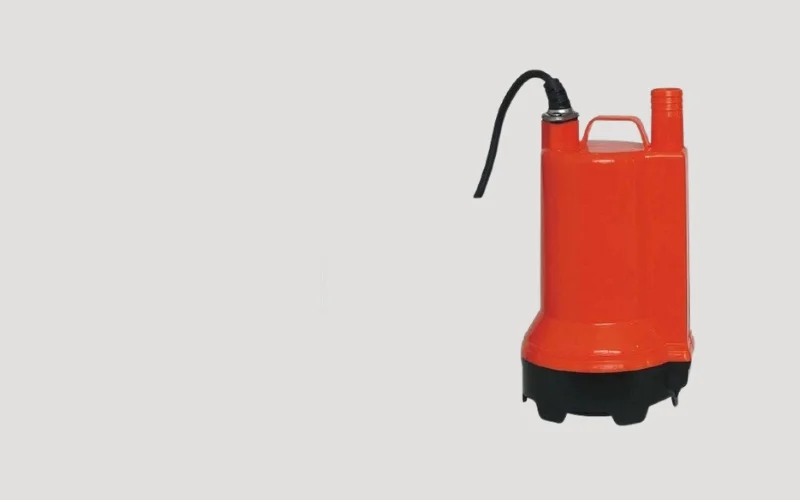
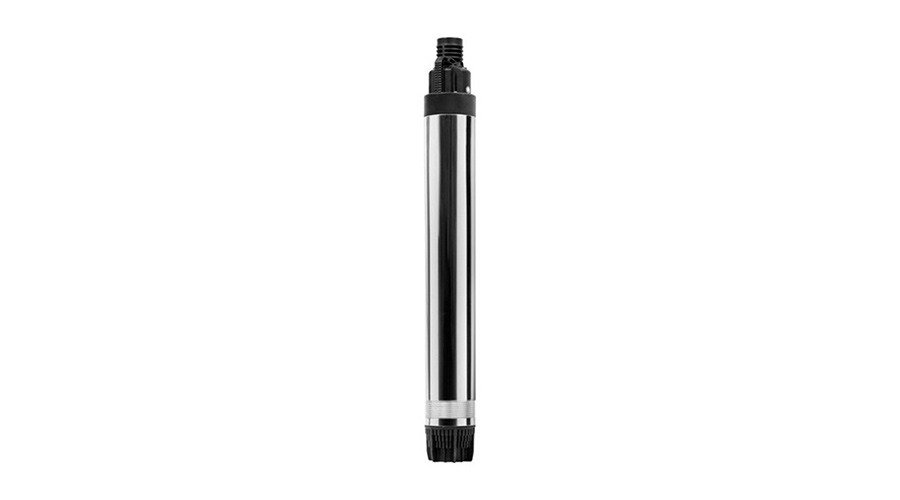
Electric and submersible pumps are the heart of many residential, agricultural, and industrial water systems. However, one of the most common issues users face is a burned or damaged motor—a costly and often preventable problem. Understanding the main causes of pump burnout can help you extend the life of your equipment, avoid downtime, and ensure efficient performance.
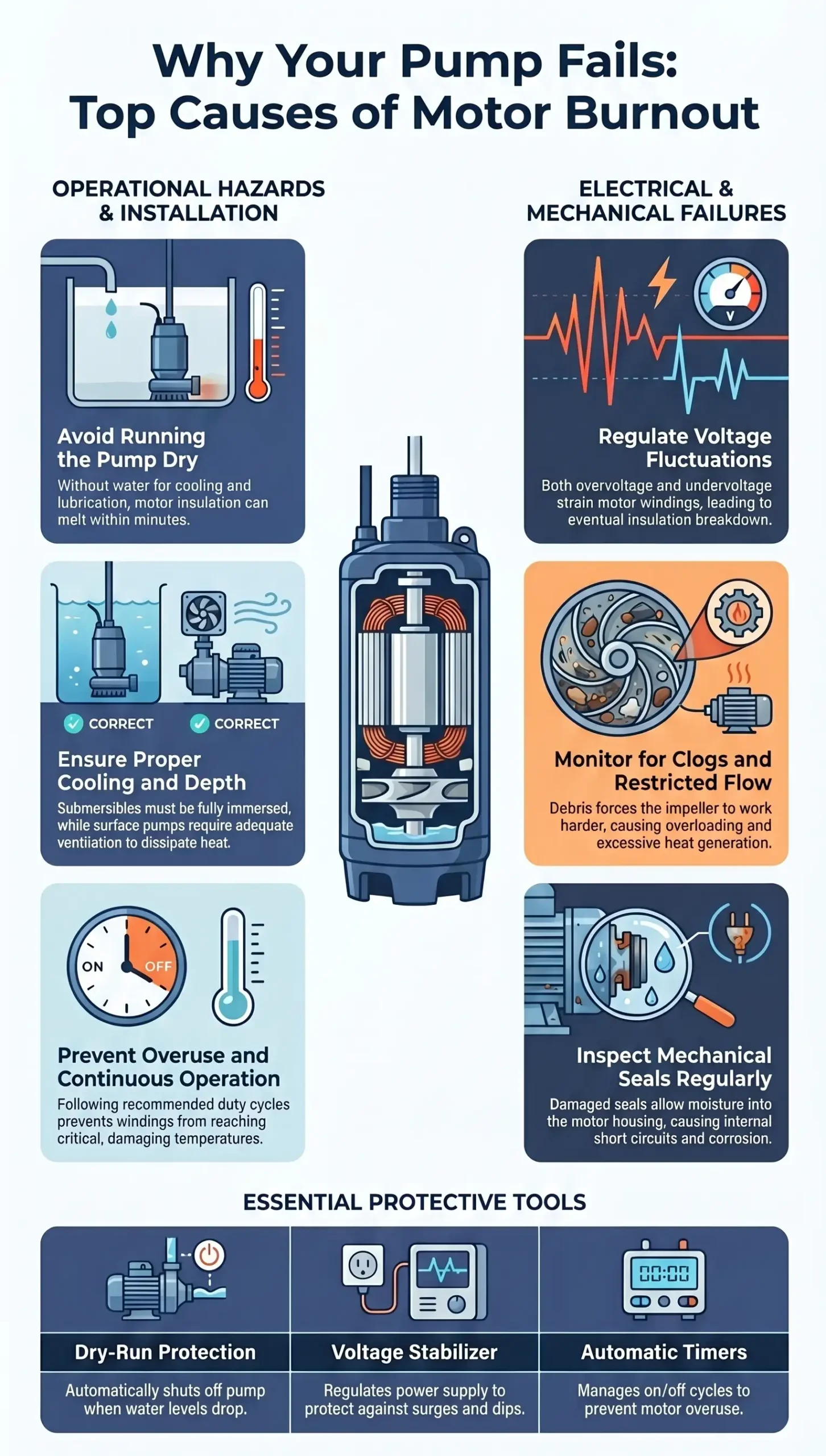
Running a pump without water is one of the most frequent causes of motor burnout. When an electric or submersible pump runs dry, there’s no water to cool the motor or lubricate the moving parts. This causes a rapid rise in temperature inside the winding and bearings, which can burn the insulation and permanently damage the motor coil.
Submersible pumps are especially vulnerable because they depend on the surrounding water for cooling. If the water level in a well drops below the pump intake, it will continue running in air, leading to severe overheating. Within minutes, the winding insulation can melt, and the motor may seize completely.
To prevent this, always check water availability before starting the pump. Installing a dry-run protection device or automatic water level controller can detect low water levels and shut off the pump automatically, saving it from irreversible damage.
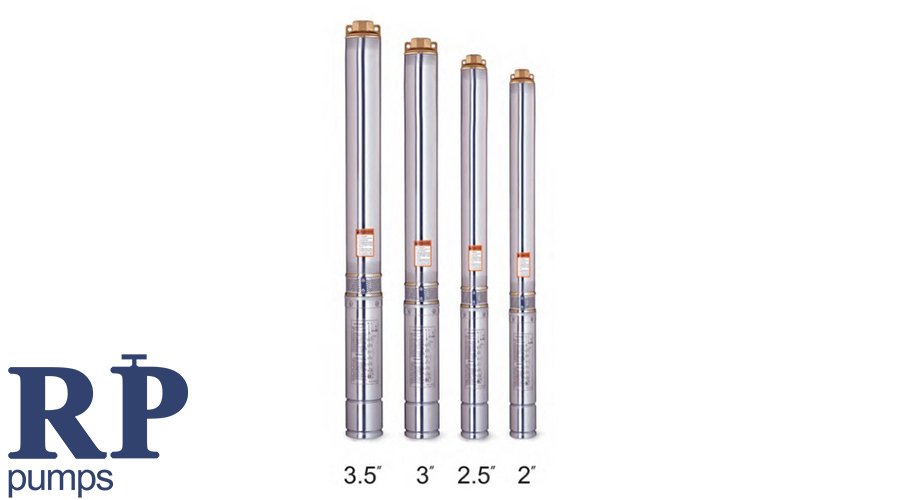
Looking for a submersible well water pump that delivers long-lasting performance and dependable water flow? RP Pumps offers high-quality, energy-efficient submersible pumps designed for deep wells, homes, farms, and industrial applications. Built with durable materials and advanced cooling technology, our pumps ensure maximum efficiency and protection against overheating or dry running.
Select options
This product has multiple variants. The options may be chosen on the product page
Select options
This product has multiple variants. The options may be chosen on the product page
Gol Pumps 3″ Thin Submersible Well Pump – 526Ft – 942 GPH – 3 Wire – 1.5HP
$521.99
Select options
This product has multiple variants. The options may be chosen on the product page
Gol Pumps 3″ Thin Submersible Well Pump – 450Ft – 1080 GPH – 2HP – 3 Wire
$563.99
Select options
This product has multiple variants. The options may be chosen on the product page
Gol Pumps 3.5″ Thin Submersible Well Pump – 110Ft – 1890 GPH – 3 Wire – 3/4HP
$373.99
2. Voltage Fluctuations and Electrical Issues
Fluctuating voltage is another major cause of electric pump failure. Both overvoltage and undervoltage can strain the motor windings, resulting in overheating and eventual burnout. Overvoltage pushes excessive current through the motor, while undervoltage makes the pump work harder to maintain speed and torque. The result is excessive heat generation and insulation breakdown.
Loose connections, damaged cables, and power surges also contribute to this issue. If the electrical supply is inconsistent or the pump’s wiring is not properly grounded, short circuits can occur, further accelerating damage. In some cases, frequent on/off cycling from power interruptions can worsen the situation.
Using a voltage stabilizer, surge protector, or electronic control panel helps regulate power supply and protect against voltage variations. Routine inspection of wiring, fuses, and terminals ensures stable performance and extends the life of your electric or submersible pump.
A pump’s performance depends on smooth water flow through its system. When there’s clogging due to dirt, debris, or sediment, the impeller must work harder to push water, leading to overloading. This extra strain raises the temperature of the motor and causes overheating over time.
For submersible pumps, sediment buildup in borewells or blocked intake screens can significantly reduce flow. The motor continues to run at full speed while delivering minimal output, which increases friction and heat generation. Eventually, the pump’s winding insulation may fail, causing it to burn.
Regular maintenance is the key to preventing clogging issues. Periodically cleaning filters, checking for blockages, and flushing the system ensure proper flow and reduce mechanical stress. Choosing pumps with built-in impeller protection systems or abrasion-resistant materials also helps minimize the risk of clog-related failures.
A submersible pump (or electric submersible pump (ESP) is a device which has a hermetically sealed motor close-coupled to the pump body. The whole assembly is submerged in the fluid to be pumped. The main advantage of this type of pump is that it prevents pump cavitation, a problem associated with a high elevation difference between the pump and the fluid surface. Submersible pumps push fluid to the surface, rather than jet pumps, which create a vacuum and rely upon atmospheric pressure. Submersibles use pressurized fluid from the surface to drive a hydraulic motor downhole, rather than an electric motor, and are used in heavy oil applications with heated water as the motive fluid.
4. Poor Cooling and Improper Installation
Proper cooling is critical for the motor’s longevity. Submersible pumps rely on being fully immersed in water to dissipate heat. If installed too shallow or in an area with low water circulation, they cannot cool efficiently. This inadequate cooling leads to gradual overheating and eventual burnout.
Electric surface pumps face similar issues when placed in poorly ventilated or confined spaces. Without sufficient airflow, the motor casing retains heat, accelerating insulation damage. Improper alignment or unbalanced installation can also cause mechanical vibration, which increases wear on bearings and seals.
To avoid these issues, always follow manufacturer installation guidelines. Ensure correct submersion depth for submersible pumps and proper ventilation for surface models. A professional installer can help you position your pump for optimal cooling and performance, especially in demanding environments.
Mechanical seals prevent water from entering the motor. When these seals wear out or become damaged, moisture seeps inside, causing short circuits, corrosion, and internal insulation failure. Even a small leak can have devastating effects if ignored for too long.
Seal failure is often caused by abrasive particles in water, improper alignment, or dry-running conditions. Once water enters the motor housing, it leads to rusting of metallic parts and electrical shorting, which quickly burns out the windings. Submersible pumps are particularly susceptible because they operate under water pressure continuously.
Routine maintenance is the best defense. Inspect the mechanical seal regularly for signs of wear or leakage. Replacing seals periodically, especially in pumps used with sandy or dirty water, ensures long-term reliability. Using high-quality seals made from durable materials such as silicon carbide can also significantly reduce leakage risks.
6. Overuse and Continuous Operation
Continuous operation without rest can cause any motor to overheat, regardless of quality. Pumps designed for intermittent use may not withstand prolonged running hours. Overuse accelerates wear on bearings, windings, and insulation, ultimately resulting in a burned motor.
In agricultural or industrial applications, it’s common for pumps to run nonstop for irrigation or water transfer. Without proper rest cycles or cooling intervals, the motor’s temperature steadily rises, pushing it beyond its designed limits. This is a silent killer that many users overlook until the pump stops working altogether.
To prevent overuse, follow the manufacturer’s recommended duty cycle and install automatic control panels or timers. These tools can manage on/off cycles and prevent unnecessary strain. If long operation is required, consider a heavy-duty or industrial-grade pump built for continuous service.
Conclusion
Burned electric and submersible pumps are often the result of avoidable conditions like dry running, poor maintenance, voltage fluctuations, or improper installation. The key to prevention lies in awareness, routine inspection, and timely action. By investing in protective devices, keeping your system clean, and following manufacturer guidelines, you can greatly extend your pump’s lifespan. Regular servicing not only prevents costly repairs but also ensures reliable performance and energy efficiency.
At RP Pumps, we provide expert solutions, durable components, and professional advice to help you prevent pump burnout. Whether you need high-quality replacement parts or a reliable new system, RP Pumps is your trusted partner in pump performance and protection.
FAQs
Can running a submersible pump without water cause it to burn?
Yes. Running a submersible pump without water is one of the fastest ways to burn the motor. These pumps depend on surrounding water for both cooling and lubrication. Without water, friction and heat increase rapidly, damaging bearings, seals, and winding insulation. It’s recommended to install a dry-run protection switch or automatic level controller to prevent this issue.
How can I protect my pump from voltage fluctuations?
To protect your pump from voltage instability, use a voltage stabilizer or motor protection relay. These devices regulate the incoming voltage and cut off the power supply if voltage goes beyond safe limits. Regularly check for loose wires, faulty connections, or damaged cables, as these can also cause electrical stress that leads to motor burnout.
What happens if the water flow in my pump is blocked or restricted?
When the pump’s water flow is blocked—due to clogged impellers, filters, or discharge lines—the motor is forced to work harder to push water. This overloads the system, causes heat buildup, and eventually burns out the motor. Routine cleaning and removing debris from the intake or outlet pipes help maintain smooth flow and reduce mechanical stress.
what happens if submersible pump runs dry?
The motor temperature rises uncontrollably because there’s no water to cool it.
Bearings and seals overheat and can melt or crack.
Winding insulation burns out, causing a permanent short circuit.
The pump stops working completely, often requiring full replacement instead of repair.