Choosing the right pump is crucial for efficiency, cost savings, and the long-term performance of your pool or water system. The most common options are single-speed, dual-speed, and variable-speed pumps — each with its own benefits and limitations. Understanding the differences can help you make a smart investment that matches your needs, budget, and energy-saving goals.
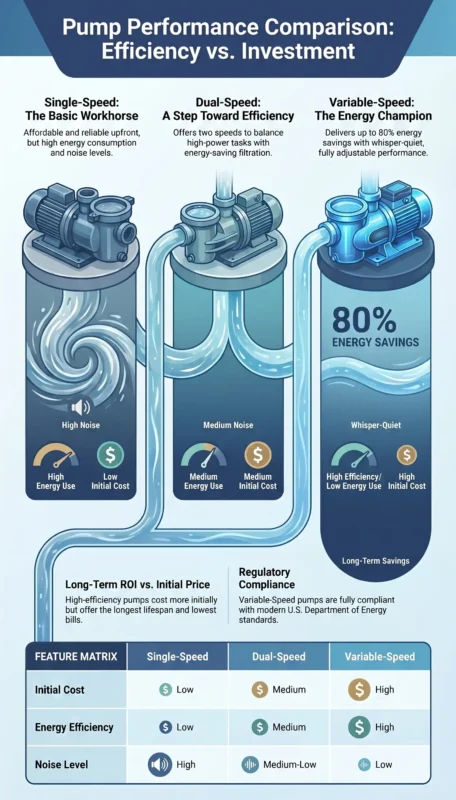
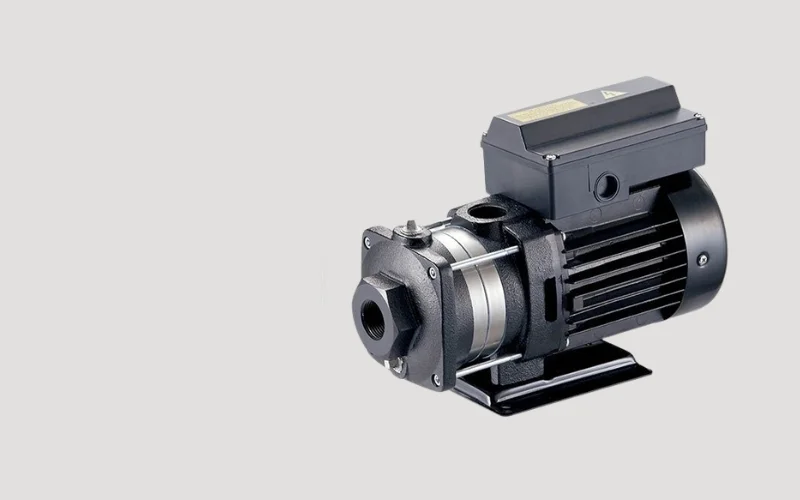
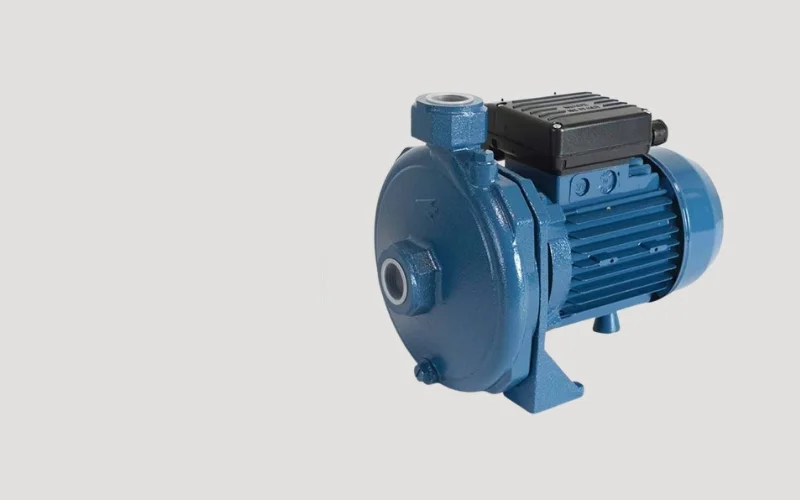
Single-speed pumps are the most traditional and affordable type. They run at one constant high speed, meaning the motor always operates at full power whenever it’s on.
Advantages:
Lower upfront investment: These pumps are typically the most budget-friendly option on the market.
Simple to install and operate: Minimal controls and straightforward setup make them beginner-friendly.
Reliable operation: With fewer mechanical complexities, they are less prone to technical failures.
Drawbacks:
High energy consumption: Running at maximum power all the time increases electricity costs.
No speed flexibility: Cannot be adjusted for lighter tasks, leading to unnecessary wear and tear.
Potential regulatory issues: Some areas have phased out single-speed pumps due to low energy efficiency.
Best for:
Smaller pools or spas with minimal operating hours
Owners on a tight budget who prioritize initial savings over long-term energy costs
Systems without strict energy compliance requirements
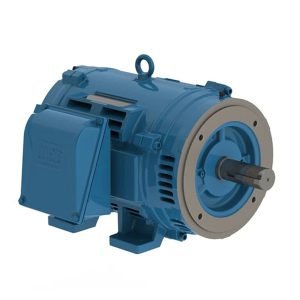
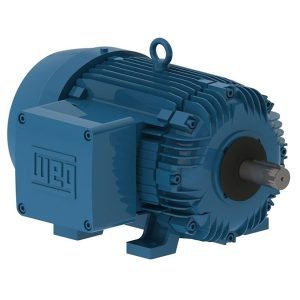
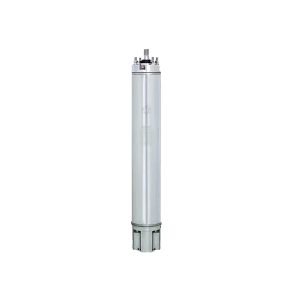
RP Pumps Online is your trusted source for high-quality pumping solutions and accessories. We also supply a wide range of electric pump motor designed for performance, durability, and energy efficiency. Whether for residential, commercial, or industrial use, our products deliver reliability you can count on.
variable speed pool pump vs single speed | pool pump variable speed vs single speed
3. Variable-Speed Pumps – The Energy-Saving Champion
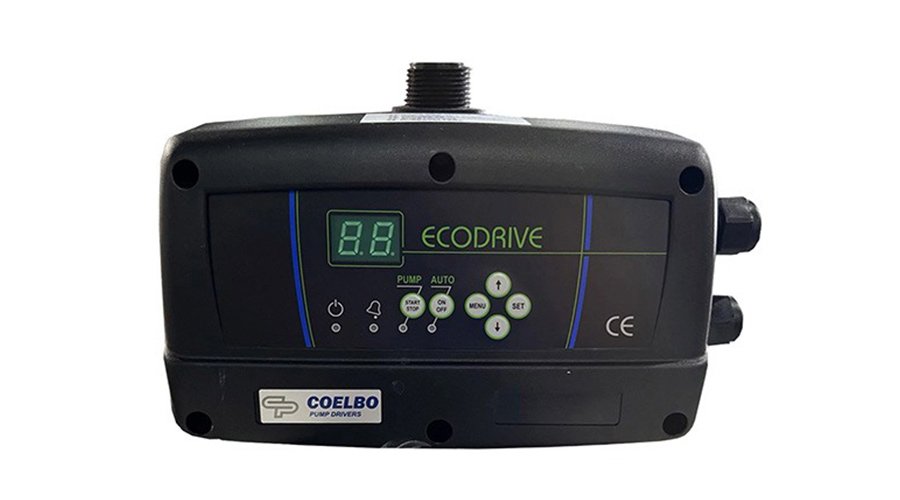
Variable-speed pumps use permanent magnet motors (similar to those in electric cars), allowing you to fine-tune the pump speed to match the exact flow rate needed. This advanced technology makes them the most efficient and versatile option available today.
Advantages:
Up to 80% energy savings: Runs at the lowest necessary speed for most tasks, drastically cutting electricity bills.
Your pump choice should be guided by budget, energy goals, and performance needs:
Single-speed pumps: Best for small budgets and basic needs, but higher running costs make them less ideal long-term.
Dual-speed pumps: Offer a good middle ground for efficiency and cost, with noticeable energy savings over single-speed models.
Variable-speed pumps: The top choice for energy efficiency, quiet operation, and long-term savings, making them ideal for modern, eco-friendly homes.
At RP Pumps, we stock a wide range of pumps to suit every application — whether you’re after an affordable single-speed model for a small setup or an advanced variable-speed system for maximum efficiency. Our team can help you choose the right pump, ensuring years of reliable performance and savings.
FAQs
Which is better: single-speed, dual-speed, or variable-speed pumps?
Variable-speed pumps are generally the best choice for energy efficiency, quiet operation, and long-term savings. Dual-speed pumps offer a balance between cost and performance, while single-speed pumps are the most affordable upfront but cost more to run over time.
Are single-speed pumps being phased out?
Yes, in many regions, single-speed pumps are being restricted or phased out due to low energy efficiency. Regulations such as the U.S. Department of Energy’s pool pump standards require higher efficiency levels, making variable-speed pumps the preferred choice.
How much can I save with a variable-speed pump?
Homeowners can save up to 80% on energy costs compared to a single-speed pump. The actual savings depend on pool size, pump runtime, and local electricity rates.