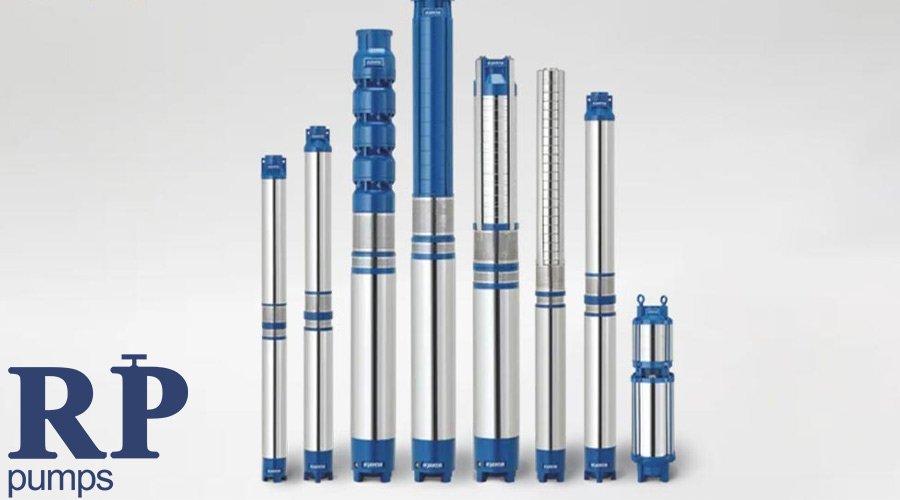
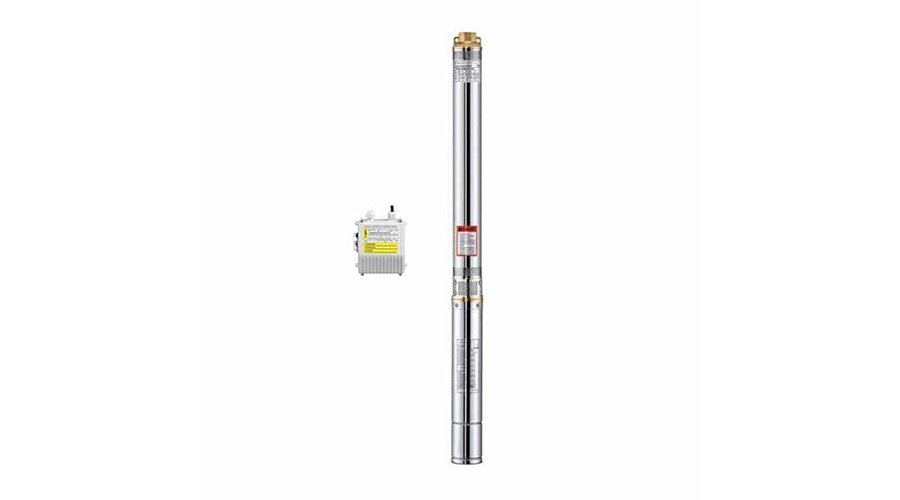
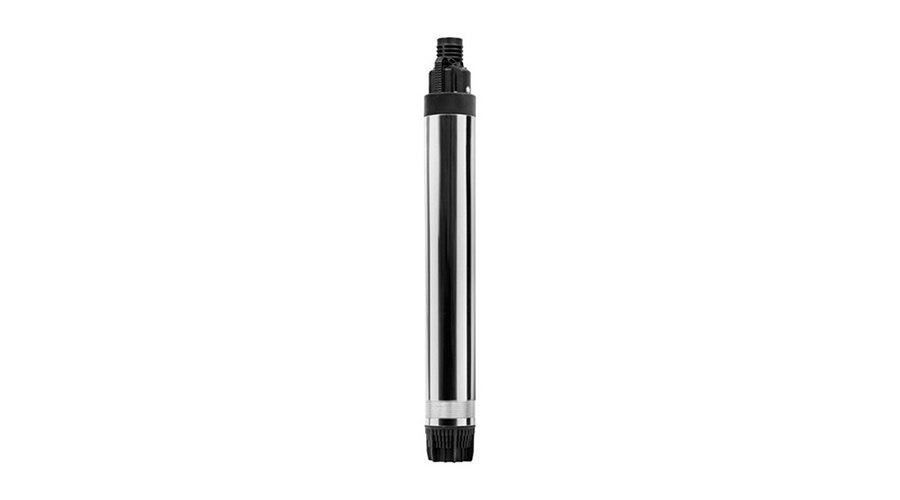
Submersible pumps are one of the most reliable and efficient pumping solutions used across residential, commercial, industrial, and agricultural sectors. Designed to operate while fully submerged in water or other fluids, these pumps offer unique advantages that make them ideal for a wide range of applications. Whether you’re dealing with water extraction, wastewater management, or boosting water pressure, submersible pumps provide dependable performance with minimal maintenance. In this article, we’ll explore the key benefits and versatile applications of submersible pumps to help you understand when, where, and why to use them.
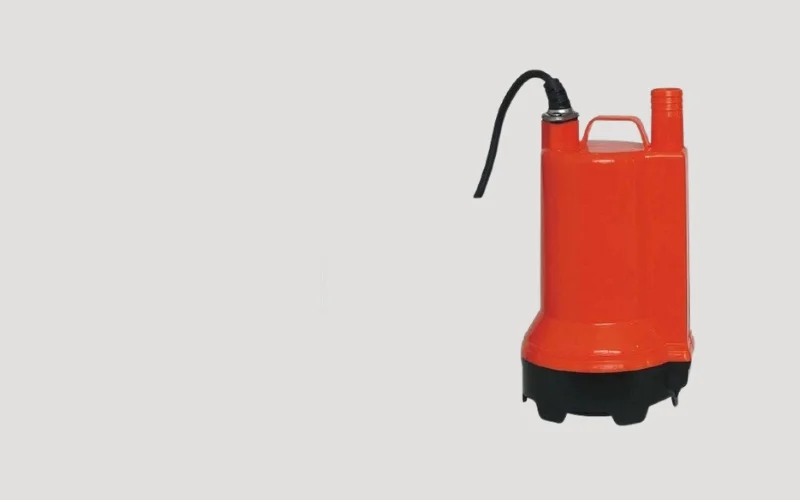
A submersible pump is a type of pump that is designed to be completely submerged in the fluid it is meant to pump. These pumps are commonly used to push water or other liquids from deep wells, tanks, or pits to the surface. Their enclosed and waterproof design allows them to function reliably under harsh conditions where conventional pumps might fail.
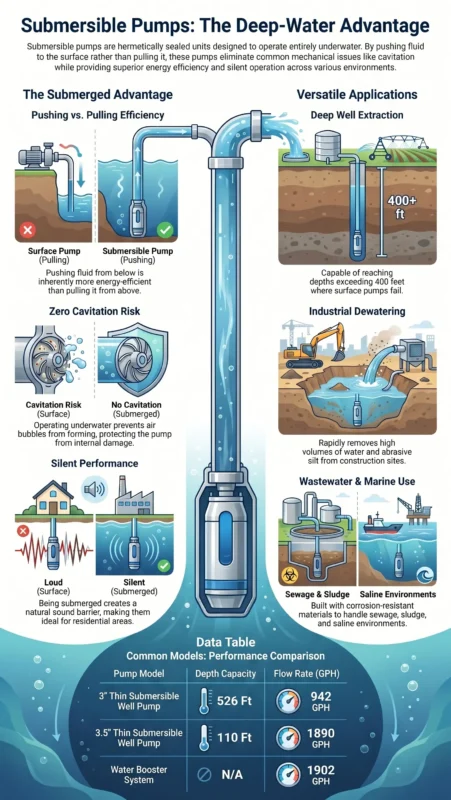
Unlike surface pumps, submersible pumps are installed below the liquid surface, which helps eliminate common problems like cavitation. Cavitation occurs when air bubbles form in the pump and interrupt fluid flow, often damaging the equipment. Submersible pumps avoid this issue by operating directly in the liquid, allowing for smooth and efficient pumping.
These pumps are used in a wide range of applications—from residential water wells and irrigation systems to industrial dewatering and sewage treatment. Their ability to remain submerged makes them incredibly versatile and dependable in both clean and contaminated environments.
At RP Pumps Online, we specialize in providing high-quality pumping solutions for residential, commercial, and industrial needs. Our product range includes top-tier submersible pump known for their efficiency, durability, and performance in demanding environments. With expert support and fast shipping across the region, we’re your trusted source for all pump-related solutions. Explore our catalog today and find the perfect pump for your application.
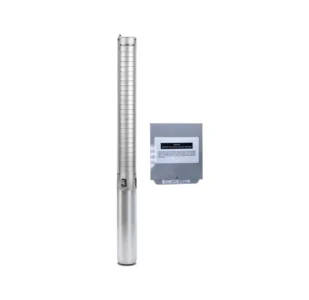
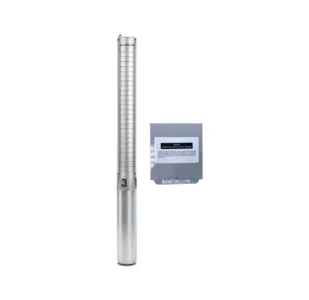
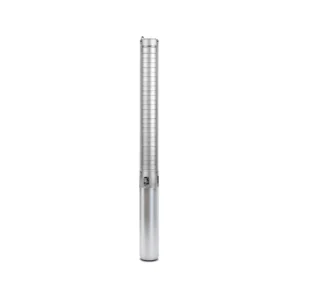
5 HP Submersible 56 GPM Deep Well Water Pump - 460V - 3P - SS316 - 4" - 410ft Motor with Splice kit
$3,870.74
How Do Submersible Pumps Work?
Submersible pumps work on a simple yet effective principle: they push water to the surface instead of pulling it. The pump’s motor is sealed in a watertight compartment and closely integrated with the pump body. Once submerged and activated, the motor powers an impeller or series of impellers that generate upward pressure to move the fluid through a discharge pipe.
One key aspect of a submersible pump’s functionality is its seal. The mechanical seal prevents water from entering the motor housing, ensuring long-term durability and safety. Modern submersible pumps may also include built-in sensors and thermal protection to shut down the pump if it overheats or runs dry, protecting it from damage.
Thanks to this design, submersible pumps can operate in deep water and manage a variety of fluids, including those with high solids content. This makes them ideal for use in environments such as deep wells, wastewater systems, and flooded areas where traditional pumps cannot be used effectively.
A submersible pump (or electric submersible pump (ESP) is a device which has a hermetically sealed motor close-coupled to the pump body. The whole assembly is submerged in the fluid to be pumped. The main advantage of this type of pump is that it prevents pump cavitation, a problem associated with a high elevation difference between the pump and the fluid surface. Submersible pumps push fluid to the surface, rather than jet pumps, which create a vacuum and rely upon atmospheric pressure. Submersibles use pressurized fluid from the surface to drive a hydraulic motor downhole, rather than an electric motor, and are used in heavy oil applications with heated water as the motive fluid.
One of the primary benefits of submersible pumps is their energy efficiency. Because they operate within the fluid, they don’t need to expend energy pulling liquid into the pump. This reduces energy consumption and lowers operating costs, especially over long-term use.
Another advantage is their compact and unobtrusive design. Since the pump is submerged, it does not require significant surface space or complex installation procedures. This makes them particularly useful in settings with limited space or where aesthetics and noise levels matter—such as residential areas or commercial buildings.
Lastly, submersible pumps are known for their quiet operation. Being underwater acts as a natural sound barrier, significantly reducing operational noise. This quiet performance, combined with durability and ease of use, makes them a top choice for many fluid-moving applications.
Submersible pumps are widely recognized for their energy efficiency, a feature that stems from their design. Traditional pumps expend considerable energy pulling water upward, often encountering friction and energy loss. Submersible pumps, by contrast, push water from below, which is inherently more energy-efficient and cost-effective.
In large-scale operations such as agriculture or industry, the energy savings from using submersible pumps can be substantial. These savings are often reflected in reduced electricity bills and lower maintenance costs. For businesses and homeowners alike, this means a better return on investment over time.
Moreover, the long lifespan of submersible pumps reduces the need for frequent replacements. With fewer moving parts exposed to air and external contaminants, the risk of breakdowns and mechanical wear is minimized. This reliability translates to even greater long-term savings.
Ideal for Deep Water Applications
Submersible pumps are essential tools for extracting water from deep sources such as boreholes, wells, and underground reservoirs. Surface pumps often struggle with these depths due to limits in suction capability, whereas submersible pumps thrive in such conditions.
Their design allows them to maintain pressure and flow consistency even at great depths. This makes them particularly useful for rural water supply systems, commercial buildings with deep well requirements, and remote agricultural installations.
Because they operate underwater, submersible pumps are less affected by altitude and environmental changes. This gives them an edge in high-altitude or remote locations where traditional pumping methods might fail to meet demand.
Submersible Pumps in Wastewater Management
Wastewater treatment facilities often rely on submersible pumps to handle high volumes of fluid that may contain solids, sludge, and other contaminants. These pumps are specifically built to resist corrosion and damage from abrasive substances.
Thanks to their robust construction and powerful motors, submersible pumps can move large amounts of liquid without clogging or frequent maintenance. This makes them indispensable in sewage systems, industrial waste processing, and flood control measures.
Additionally, submersible pumps help maintain hygiene and safety in urban environments by preventing backflow and overflows. Their efficiency in moving contaminated water quickly and safely is a key factor in maintaining public health standards.
Agricultural operations frequently require reliable, high-volume water delivery systems. Submersible pumps are well-suited for drawing water from rivers, lakes, or wells to irrigate large tracts of farmland. Their ability to run continuously for long periods makes them invaluable during peak growing seasons.
Farmers appreciate their simplicity and durability, especially in rural areas where maintenance resources may be limited. With proper installation and care, submersible pumps can run for years with minimal issues, ensuring consistent irrigation and optimal crop yields.
Beyond irrigation, these pumps are also used for draining excess water from fields during heavy rains. Their versatility helps farmers adapt to both drought and flood conditions, making them a reliable component of modern agricultural systems.
Residential Water Supply Solutions
In homes that rely on well water, submersible pumps are often the preferred choice due to their reliability and efficiency. These pumps are capable of delivering consistent water pressure, even from deep wells, ensuring a steady supply of water for daily needs such as drinking, bathing, and irrigation.
Another key benefit is their quiet operation. Unlike traditional pumps that may generate significant noise above ground, submersible pumps work silently below the surface. This makes them ideal for residential settings where noise pollution is a concern, particularly in suburban and rural neighborhoods.
Homeowners also benefit from the minimal maintenance requirements of submersible systems. With proper installation and periodic checks, these pumps can operate effectively for many years without the need for frequent repairs or servicing, offering both convenience and peace of mind.
Mining and Construction Applications
Submersible pumps are essential tools in mining and construction industries, where rapid and efficient dewatering is critical. Whether it’s a flooded tunnel, an open-pit mine, or a building foundation, submersible pumps can quickly remove large volumes of water, ensuring safe and productive work conditions.
These pumps are designed to handle tough environments, including water mixed with sand, silt, and other abrasive materials. Heavy-duty models feature hardened components and reinforced seals to withstand constant wear and tear, making them well-suited for demanding job sites.
In addition to dewatering, submersible pumps are also used for slurry transport and sediment removal. Their versatility allows construction and mining operations to maintain progress even in adverse weather or groundwater conditions, ultimately reducing downtime and boosting efficiency.
Marine and Offshore Applications
Marine and offshore environments pose unique challenges that submersible pumps are well-equipped to handle. From ship bilge systems to offshore oil rigs, these pumps are used to manage ballast, transfer liquids, and control flooding. Their waterproof construction and corrosion-resistant materials are critical in saline and high-pressure environments.
Submersible pumps provide a dependable solution in situations where failure could be catastrophic. For instance, in offshore drilling, maintaining precise fluid levels is essential to operational safety. Submersible pumps offer both reliability and adaptability to meet such stringent requirements.
Moreover, the compact design of submersible pumps allows them to be installed in confined spaces, such as the lower compartments of ships or marine platforms. Their ability to operate efficiently in these conditions makes them an invaluable component of modern maritime and offshore engineering.
Conclusion
Submersible pumps offer a dynamic and effective solution across a wide spectrum of industries and environments. Whether you’re dealing with deep well water extraction, wastewater management, or large-scale agricultural irrigation, the right submersible pump can boost efficiency, reduce costs, and extend the life of your pumping system. At RP Pumps, our expertise lies in delivering customized submersible pump solutions built to perform under pressure. Explore our range today to find the perfect fit for your next project.
FAQs
What is the main advantage of using a submersible pump?
The main advantage of a submersible pump is its ability to operate while fully submerged in the fluid it is pumping. This eliminates issues like cavitation, improves energy efficiency, and ensures quiet operation—all while delivering consistent and reliable performance.
How deep can a submersible pump work?
Submersible pumps can operate at various depths, depending on their design and horsepower. Some models are capable of pumping water from depths exceeding 400 feet. It’s important to select a pump that matches your specific well or borehole depth.
Are submersible pumps energy-efficient?
Yes, submersible pumps are known for their energy efficiency. Since they push water rather than pull it, there is less friction and energy loss. This translates to lower power consumption and reduced operating costs over time.