
Pressure Tank

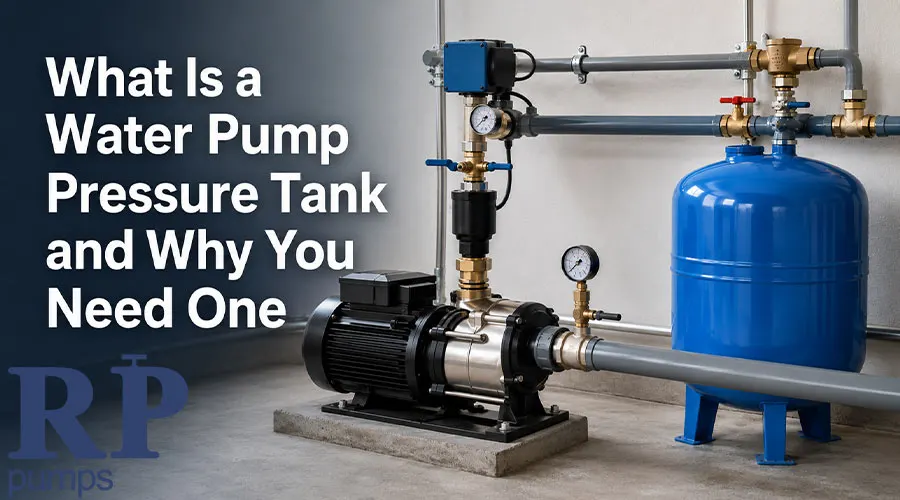
What Is a Water Pump Pressure Tank and Why You Need One

Water Pump Pressure Tanks

A reliable water supply system depends on more than just a powerful pump. While a water pump is responsible for moving water through your plumbing system, a pressure tank plays an important role in maintaining steady water pressure, reducing pump wear, and improving overall system efficiency.

Many residential, agricultural, and commercial water systems use pressure tanks to store pressurized water and control how frequently the pump turns on and off. Without a properly sized pressure tank, pumps may experience unnecessary cycling, leading to higher energy consumption, faster component failure, and inconsistent water pressure.

In this article, we will explain what a water pump pressure tank is, how it works, its benefits, and why installing one can improve the performance and lifespan of your pumping system.

Table of Contents

What Is a Water Pump Pressure Tank?

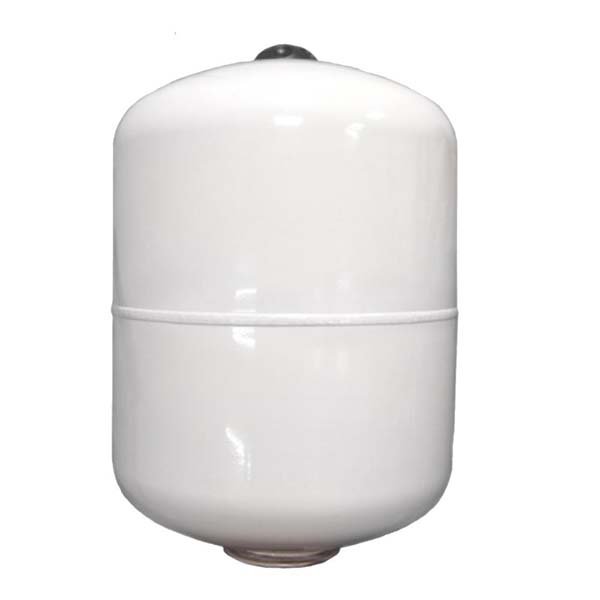
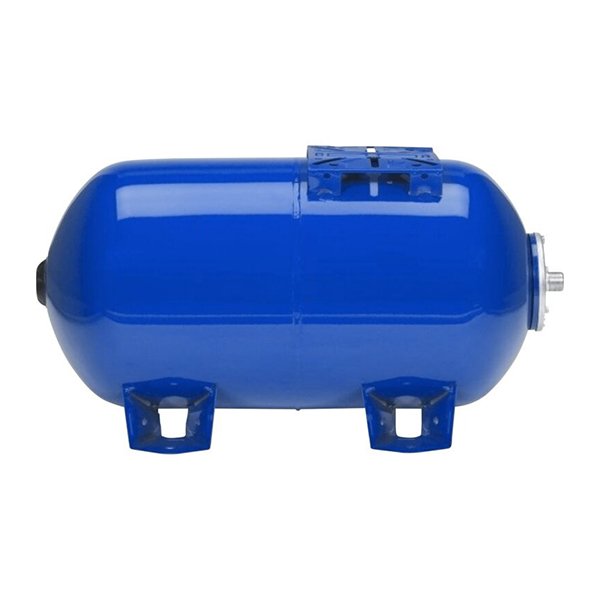
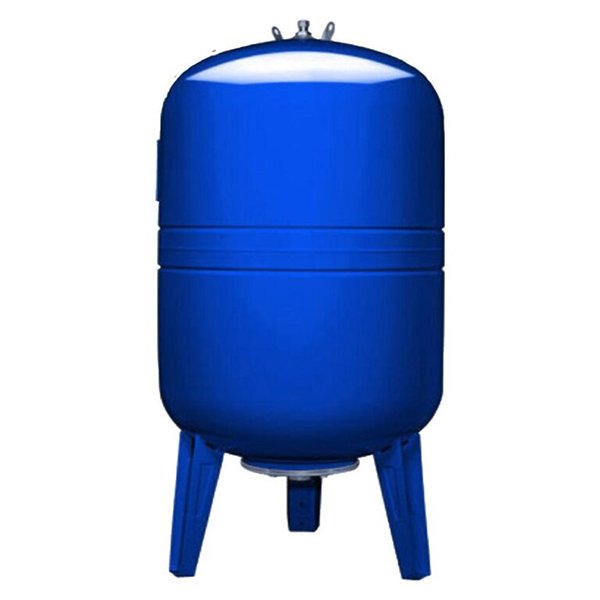
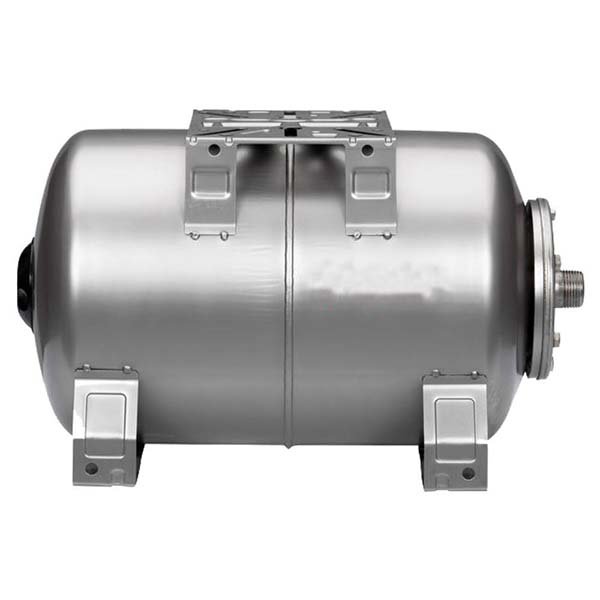
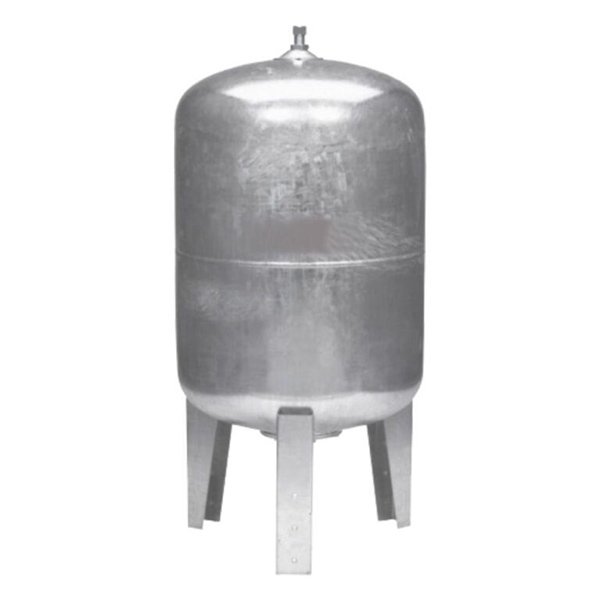
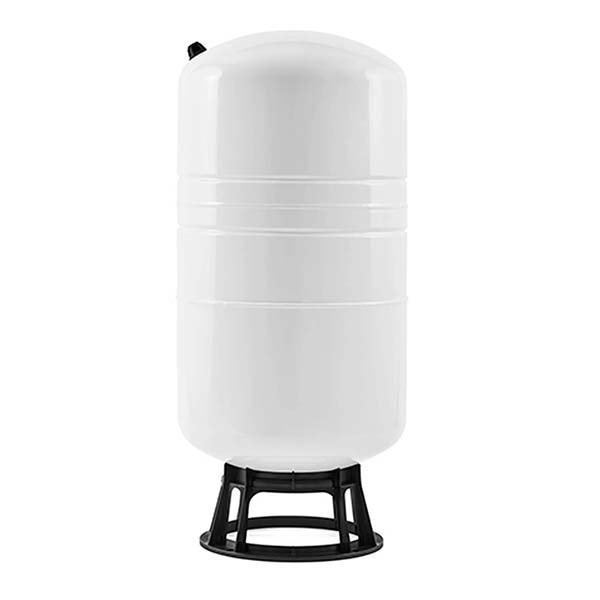
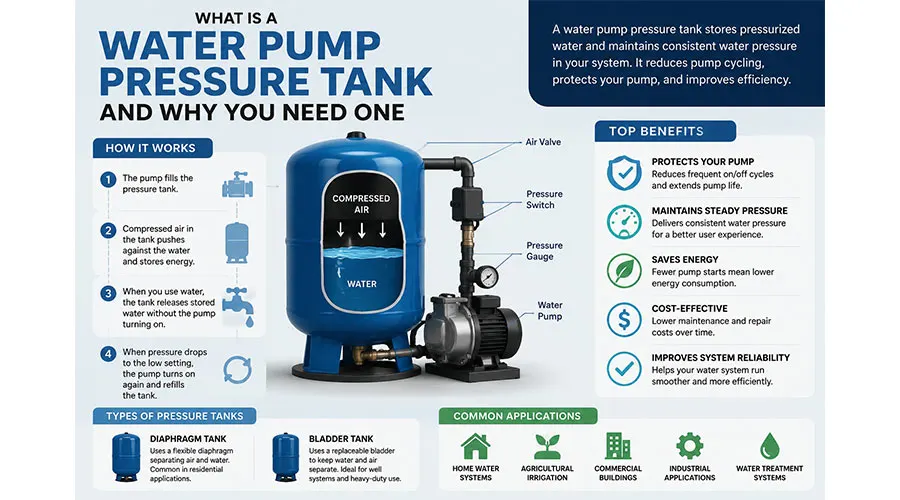
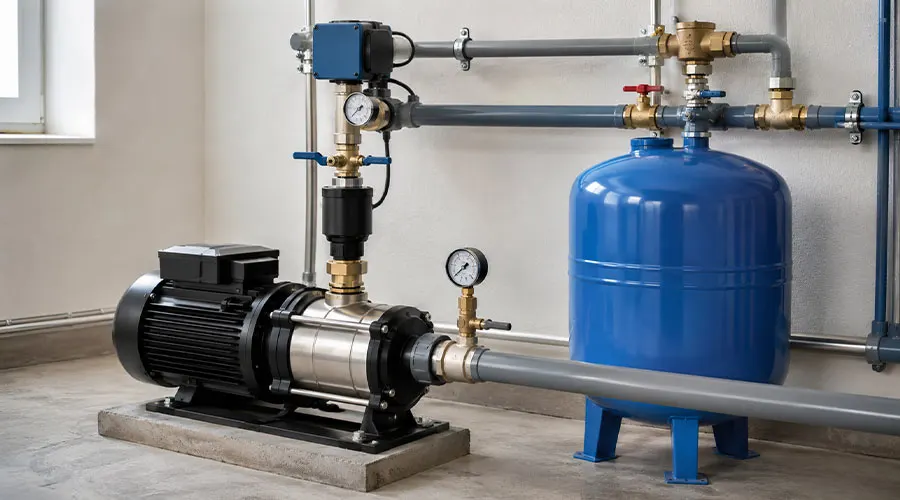
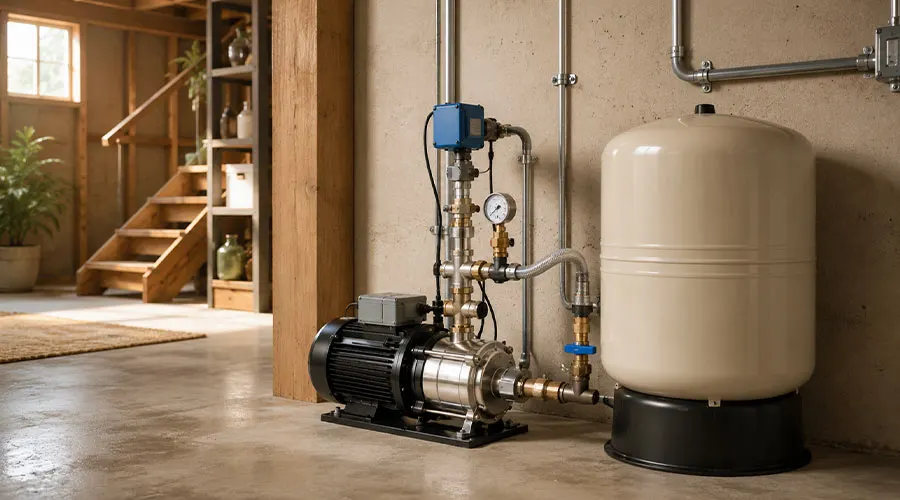
A water pump pressure tank is a storage device connected to a water pump system that helps maintain consistent water pressure. It stores a certain amount of pressurized water and supplies it to your plumbing system when demand is low, reducing the need for the pump to run continuously.

Inside most modern pressure tanks, there is a flexible diaphragm or bladder that separates water from compressed air. The air pressure creates a force that pushes water into the system when a faucet, shower, or other outlet is opened.

Unlike a traditional water storage tank, a pressure tank does not simply store water. Its main purpose is to maintain pressure and reduce the workload placed on the pump.

Reliable pressure tanks help maintain stable water pressure, reduce pump cycling, and extend pump lifespan. Explore high-quality pressure tank solutions at RP Pumps Online for efficient and dependable water systems.

How Does a Water Pressure Tank Work?

A pressure tank works by using compressed air and stored water to regulate the operation of the pump.

The process usually follows these steps:

  1. Pump Fills the Pressure Tank

When the water pump starts, it sends water into the pressure tank. As water enters the tank, the air inside becomes compressed, creating pressure.

  1. Tank Stores Pressurized Water

The compressed air pushes against the stored water, keeping it ready for use when demand occurs.

  1. Water Is Released When Needed

When someone opens a faucet or activates a water appliance, the pressure tank supplies water immediately without requiring the pump to start.

  1. Pump Starts Again When Pressure Drops

Once the tank pressure reaches a preset low level, the pump activates and refills the tank.

This cycle allows the pump to operate less frequently while maintaining a stable water supply.

Related article: For more information about water pump overheating solution, click the link.

Why Do You Need a Pressure Tank for Your Water Pump?

A pressure tank provides several important benefits that improve the performance of your entire water system.

  1. Reduces Pump Cycling

One of the biggest advantages of a pressure tank is reducing frequent pump starts and stops. Without a pressure tank, even small water demands can cause the pump to activate repeatedly. This process, known as short cycling, puts stress on the motor, electrical components, and mechanical parts. By storing pressurized water, the tank allows users to access water without immediately turning on the pump.

Fewer pump cycles mean:

  • Longer pump lifespan
  • Lower maintenance costs
  • Reduced energy consumption
  • Improved system reliability
  1. Maintains Consistent Water Pressure

Fluctuating water pressure is a common problem in systems without a properly sized pressure tank. A pressure tank helps maintain a more stable flow by supplying water during periods of low demand. This prevents sudden pressure drops when multiple outlets are used. For homes, this means better performance from:

  • Showers
  • Washing machines
  • Dishwashers
  • Irrigation systems
  • Water heaters

For commercial applications, stable pressure ensures equipment operates more efficiently.

  1. Protects the Water Pump

Water pumps are designed to operate efficiently when running for reasonable periods. Frequent starting and stopping can damage pump components over time. A pressure tank reduces unnecessary operation by allowing the pump to rest between cycles.

This helps protect:

  • Pump motors
  • Bearings
  • Electrical switches
  • Impellers
  • Mechanical seals

A well-maintained pressure tank can significantly extend the service life of a pumping system.

  1. Saves Energy and Reduces Operating Costs

Every time a pump starts, it requires additional electrical power. Systems with excessive cycling consume more energy and experience greater mechanical stress. By reducing pump operation frequency, a pressure tank helps lower energy usage. For large commercial and agricultural systems, this improvement can result in noticeable savings over time.

Related article: For more information about water pump burned out, click the link.

pressure tank

Types of Water Pump Pressure Tanks

Different applications require different types of pressure tanks. The most common options include:

Diaphragm Pressure Tanks

Diaphragm tanks use a flexible membrane that separates air and water. They are widely used in residential and light commercial applications because they provide reliable performance and require minimal maintenance.

Advantages include:

  • Efficient operation
  • Compact design
  • Reduced corrosion risk
  • Long service life

Bladder Pressure Tanks

Bladder tanks use a replaceable rubber bladder that holds water separately from the air chamber.

Benefits include:

  • Better water separation
  • Easier maintenance
  • Consistent pressure performance

They are commonly used in well water systems and booster pump applications.

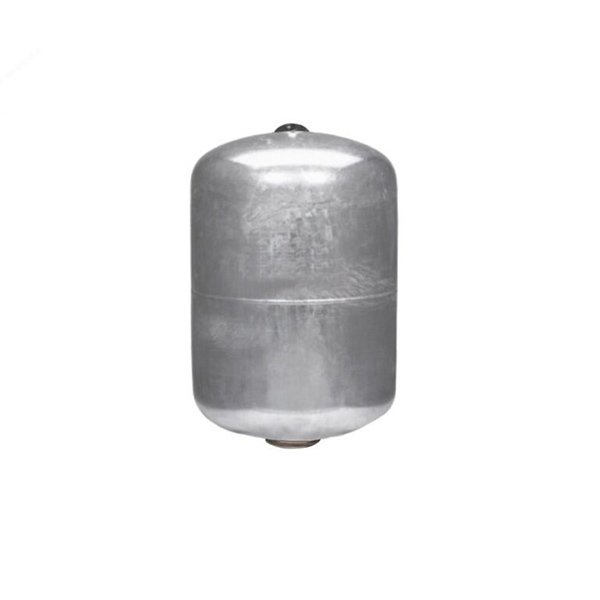
Steel Pressure Tanks

Steel pressure tanks are durable and suitable for heavy-duty applications. Depending on the coating and design, they can provide reliable performance in industrial environments.

Related article: For more information about how to remove water pump, click the link.

1

How to Choose the Right Pressure Tank Size

Selecting the correct pressure tank size is essential for system efficiency. A tank that is too small may not reduce pump cycling effectively, while an oversized tank may increase installation costs unnecessarily.

Important factors include:

Pump Flow Rate

The pump’s gallons per minute (GPM) capacity affects the required tank size. Higher-flow pumps usually require larger pressure tanks.

Water Demand

Consider how much water your system uses daily. Homes with multiple bathrooms or large irrigation systems may need larger tanks.

Pressure Settings

The pump’s cut-in and cut-out pressure settings also influence tank selection.

Common pressure settings include:

  • 20/40 PSI
  • 30/50 PSI
  • 40/60 PSI

The correct setting depends on system requirements and equipment specifications.

Common Signs Your Pressure Tank Needs Attention

A failing pressure tank can affect the entire water system. Some common warning signs include:

Frequent Pump Cycling

If your pump turns on and off repeatedly, the pressure tank may not be functioning correctly.

Low Water Pressure

Reduced pressure can indicate problems with the tank’s air charge, bladder, or diaphragm.

Pump Running Continuously

A damaged pressure tank may cause the pump to run longer than normal.

Waterlogged Tank

When the air chamber loses pressure, the tank may become filled completely with water, reducing its ability to control pressure.

Regular inspection and maintenance can help prevent these issues.

Pressure Tank vs. Water Storage Tank: What Is the Difference?

Although they may seem similar, pressure tanks and storage tanks serve different purposes.

Pressure Tank

Water Storage Tank

Maintains water pressure

Stores large amounts of water

Reduces pump cycling

Provides water availability

Uses compressed air

Usually stores water only

Used with pumps and plumbing systems

Used for water reserves

A pressure tank is designed to improve pump performance, while a storage tank is mainly used for water storage capacity.

2

Applications of Water Pump Pressure Tanks

Pressure tanks are used in many systems, including:

Residential Water Systems

Homes with private wells commonly use pressure tanks to provide reliable water pressure.

Agricultural Irrigation

Farm irrigation systems benefit from reduced pump cycling and consistent water delivery.

Commercial Buildings

Pressure tanks help maintain stable water pressure in offices, hotels, and commercial facilities.

Booster Pump Systems

They support booster pumps by reducing unnecessary operation and improving efficiency.

Industrial Applications

Factories and processing facilities use pressure tanks to maintain reliable water supply systems.

How Long Does a Pressure Tank Last?

The lifespan of a pressure tank depends on several factors, including:

  • Tank quality
  • Water chemistry
  • Operating pressure
  • Maintenance
  • Installation conditions

High-quality pressure tanks can often provide many years of reliable service when properly installed and maintained.

Choosing a durable tank from a trusted manufacturer can reduce replacement costs and improve system performance.

Conclusion

A water pump pressure tank is an essential component for maintaining stable water pressure, protecting your pump, and improving system efficiency. By storing pressurized water and reducing unnecessary pump operation, it helps extend equipment lifespan and lower operating costs.

Whether you are managing a residential well system, agricultural irrigation setup, commercial building, or industrial application, the right pressure tank can make your water pumping system more reliable and efficient.

Before choosing a pressure tank, consider your pump capacity, water demand, pressure requirements, and application conditions. A properly selected and installed pressure tank is a smart investment that improves performance and protects your entire pumping system.

FAQs

What does a water pump pressure tank do?

A water pump pressure tank stores pressurized water and helps maintain consistent water pressure throughout the system. It reduces the number of times the pump starts and stops, protecting the pump from excessive wear and improving overall efficiency.

Yes, a pressure tank is highly recommended for most water pump systems. It helps prevent short cycling, maintains stable water pressure, reduces energy consumption, and extends the lifespan of the pump.

A pressure tank stores water under pressure so the system can supply small amounts of water without turning on the pump every time. This reduces frequent pump starts and stops, which can damage the motor and other components.

The correct pressure tank size depends on factors such as pump flow rate, water demand, system pressure settings, and application type. A larger pump or higher water demand typically requires a larger pressure tank.

A pressure tank is designed to maintain water pressure and reduce pump cycling, while a water storage tank is mainly used to store larger quantities of water. Pressure tanks use compressed air to push water through the system.

The lifespan of a pressure tank depends on its quality, installation, water conditions, and maintenance. A high-quality pressure tank can last for many years when properly installed and operated.

Leave a Reply

Your email address will not be published. Required fields are marked *