

The Role of Water Pumps in HVAC Systems – How they support heating/cooling


When it comes to heating, ventilation, and air conditioning (HVAC) systems, most people think of thermostats, air ducts, or furnaces. However, there’s a critical component working tirelessly behind the scenes — the water pump. Whether in residential buildings, commercial complexes, or industrial facilities, water pumps play a central role in ensuring efficient heat transfer and consistent indoor comfort. In this article, we’ll explore how water pumps support both heating and cooling functions in HVAC systems and why choosing the right pump can significantly impact performance and energy efficiency.
This article examines the following topics:
- What Is an HVAC Water Pump and Why Is It Essential?
- How Water Pumps Circulate Heat and Maintain Temperature Balance
- The Role of Pumps in Hydronic Heating Systems
- Chilled Water Systems and Cooling
- How Modern Pumps Reduce HVAC Power Consumption
- Common Types of HVAC Water Pumps and Their Applications
- Choosing the Right Pump
- Troubleshooting HVAC Pump Issues Before They Escalate
- Pump Maintenance Tips to Maximize HVAC Lifespan
- Why Investing in Quality HVAC Pumps Pays Off
- Conclusion
What Is an HVAC Water Pump and Why Is It Essential?
An HVAC water pump is a mechanical device designed to circulate water within heating and cooling systems. It works by creating pressure that forces water through a closed-loop system, either carrying heat to be released or absorbing heat to be removed. This circulation is what makes thermal exchange possible in HVAC systems.
Pumps are essential because they maintain the necessary flow rate and pressure levels for water to move effectively through boilers, chillers, air handlers, and radiators. Without them, water would remain stagnant, making it impossible to control temperatures or distribute thermal energy evenly.
In both commercial and residential settings, water pumps are the cornerstone of HVAC efficiency. By ensuring continuous movement of water, they help reduce thermal lag, maintain comfort, and minimize system strain. This makes them indispensable for any heating or cooling operation.
RP Pumps Online makes it easy to buy water pumps online with a wide selection of high-quality and reliable pump solutions. Trusted by professionals and homeowners, we ensure fast delivery and excellent customer support.


How Water Pumps Circulate Heat and Maintain Temperature Balance
One of the primary functions of HVAC water pumps is to enable the transfer of thermal energy. In heating mode, pumps move hot water from a boiler to heat exchangers or radiators. Conversely, in cooling mode, they circulate chilled water from a chiller to fan coil units or air handlers, extracting heat from indoor air.
This circulation allows for a balanced temperature throughout different zones of a building. As water travels, it either delivers heat or absorbs it, depending on the system’s configuration. This zoned distribution ensures rooms stay within desired temperature ranges, boosting occupant comfort and energy efficiency.
Maintaining consistent flow and pressure is key to this process. A properly sized and calibrated pump ensures that no part of the system is over- or under-supplied, avoiding temperature imbalances and unnecessary energy use. This makes pumps critical to the overall health of an HVAC network.
The Role of Pumps in Hydronic Heating Systems
Hydronic heating systems rely on hot water rather than air to heat spaces, offering quiet operation and uniform warmth. In these setups, the pump circulates hot water from a boiler through a network of pipes to radiators or underfloor heating systems, where heat is emitted into rooms.
The pump must maintain continuous circulation to ensure rapid heat delivery and stable room temperatures. In zoned systems, multiple pumps or a variable speed pump may be used to deliver the right amount of water to different areas of a building based on demand.
Without a reliable pump, a hydronic heating system would lose its efficiency and effectiveness. The pump not only drives circulation but also prevents temperature drops and cold spots, which are common issues in poorly functioning systems. It’s the heartbeat of any hydronic network.
Related article: For more information about how to size a pump, click the link.
Chilled Water Systems and Cooling
Chilled water HVAC systems are commonly used in large commercial buildings for air conditioning. Here, pumps move cold water from a central chiller to air handling units. The water absorbs heat from indoor air via a heat exchanger and returns to the chiller for re-cooling.
The pump’s role is to maintain a steady flow of chilled water through this loop. Any variation in flow rate can reduce cooling efficiency and lead to occupant discomfort. Precision and reliability are especially critical during peak cooling demands, such as in summer.
Chilled water systems often include both primary and secondary pump loops to optimize efficiency. By choosing energy-efficient pumps with intelligent controls, building operators can reduce operational costs and improve the sustainability of their cooling infrastructure.
How Modern Pumps Reduce HVAC Power Consumption
Modern HVAC water pumps are designed with energy efficiency in mind. Traditional constant-speed pumps consume large amounts of electricity, especially when demand is low. In contrast, variable speed pumps adjust flow rates based on real-time needs, significantly reducing energy use.
By aligning pump performance with actual load conditions, variable speed technology can cut energy consumption by up to 50%. These pumps are often integrated with building automation systems, which further optimize their operation and ensure consistent comfort with minimal energy waste.
In addition to lower electricity bills, energy-efficient pumps contribute to meeting green building standards such as LEED or BREEAM. For businesses aiming to reduce their carbon footprint, upgrading to smart, high-efficiency HVAC pumps is a strategic and sustainable investment.
A pump is a device that moves fluids (liquids or gases), or sometimes slurries,[1] by mechanical action, typically converted from electrical energy into hydraulic or pneumatic energy.
https://en.wikipedia.org/wiki/Pump
Common Types of HVAC Water Pumps and Their Applications
There are several types of water pumps used in HVAC systems, each suited to specific applications. Centrifugal pumps, for example, are the most common and work well for general-purpose circulation. Inline pumps are compact and often used in small to medium systems where space is limited.
End-suction pumps offer higher flow capacity and are frequently used in large commercial or industrial buildings. For high-pressure applications or tall buildings, vertical multistage pumps are ideal due to their ability to move water across long vertical distances without performance loss.
Selecting the right pump involves evaluating factors such as flow rate, head pressure, energy consumption, and space constraints. Understanding each type’s strengths ensures that your HVAC system runs efficiently and reliably across all conditions.
Choosing the Right Pump
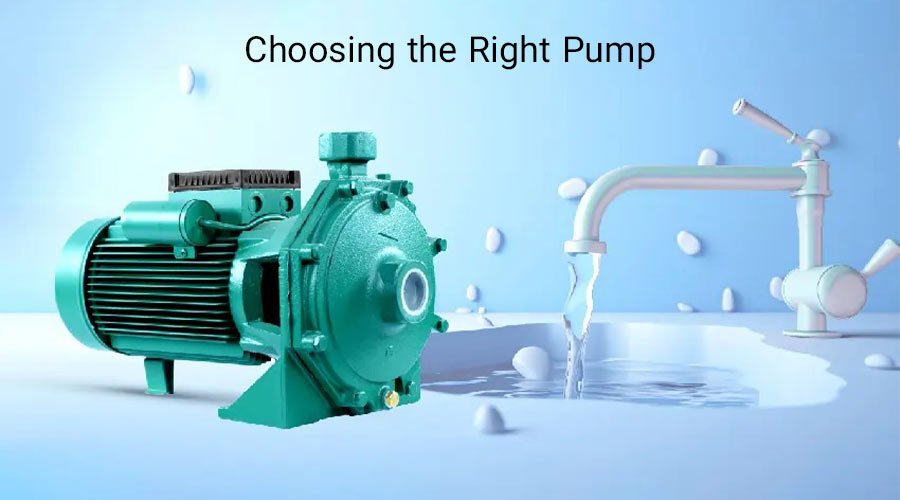
Choosing the right water pump for an HVAC system requires careful consideration. First, you need to determine the required flow rate (GPM) and head pressure, which depend on the building size, system design, and heating/cooling load. An undersized pump will struggle, while an oversized one wastes energy.
Next, compatibility with your existing equipment matters. Pumps should match the system’s piping size, layout, and pressure requirements. Modern pumps also come with digital controls and sensors, offering features like remote monitoring and automated speed adjustments.
Lastly, always consider long-term maintenance and serviceability. Reliable brands like RP Pumps offer durable products with accessible support and replacement parts. Choosing the right model today means fewer headaches — and costs — down the road.
Troubleshooting HVAC Pump Issues Before They Escalate
Even the best pumps can experience issues over time. Common problems include cavitation, where vapor bubbles form and cause damage, or airlocks, which block water flow entirely. Leaks, noise, and vibration are also signs that something isn’t right.
Early detection is key. Regular inspection and maintenance can help identify potential issues before they turn into major failures. For example, monitoring changes in pressure or flow rate can signal a clog or an impeller issue that needs addressing.
HVAC technicians should be trained to recognize pump-related problems and know when to repair or replace a unit. Investing in a well-built pump with robust support from the manufacturer — like those offered by RP Pumps — minimizes downtime and keeps HVAC systems running smoothly.
Pump Maintenance Tips to Maximize HVAC Lifespan
Maintaining HVAC water pumps is essential for ensuring long-term system performance. Regular maintenance checks should include inspecting seals, checking for leaks, and verifying motor function. Lubricating bearings and cleaning filters can prevent wear and improve efficiency.
It’s also important to monitor pump alignment and balance. Misalignment can lead to vibrations and damage internal components over time. For systems using variable speed drives, technicians should ensure programming is optimized for the current building load and conditions.
Preventive maintenance not only extends pump life but also reduces the risk of unexpected breakdowns. Partnering with a trusted brand like RP Pumps, which offers maintenance-friendly designs, ensures you can service your pumps quickly and get back to optimal operation with minimal interruption.
Why Investing in Quality HVAC Pumps Pays Off
Investing in high-quality HVAC pumps may have a higher upfront cost, but the long-term benefits are substantial. Premium pumps are engineered for efficiency, durability, and performance, which translates to lower operating costs, fewer repairs, and better energy use.
Over time, cheap or poorly built pumps often require frequent maintenance and may even damage other system components when they fail. In contrast, quality pumps come with warranties, certified ratings, and support services that ensure peace of mind for years to come.
With RP Pumps, customers get a blend of innovation, reliability, and after-sales support. Choosing a trusted brand not only protects your HVAC investment but also ensures your heating and cooling systems operate at peak performance, every season.
Conclusion
At RP Pumps, we’re committed to providing premium-quality water pumps tailored for HVAC applications. With our innovative technology and reliable engineering, you can trust us to keep your systems flowing — efficiently, quietly, and reliably.
FAQs
What does a water pump do in an HVAC system?
A water pump in an HVAC system circulates hot or chilled water throughout the heating or cooling loop. This movement enables heat transfer between the central unit (like a boiler or chiller) and different zones or air handling units, ensuring consistent indoor temperatures and system efficiency.
What type of pump is most commonly used in HVAC systems?
Centrifugal pumps are the most commonly used type in HVAC systems due to their efficiency and reliability in circulating large volumes of water. Other types like inline, end-suction, and vertical multistage pumps are used depending on the system’s size, pressure needs, and layout.
How do water pumps help with cooling in HVAC systems?
In cooling mode, HVAC pumps circulate chilled water from the chiller to various parts of the building. This cold water absorbs heat from indoor air through air handlers or fan coil units, then returns to the chiller to be re-cooled, enabling continuous air conditioning.