

Trends in sustainable and energy-efficient chemical pump designs

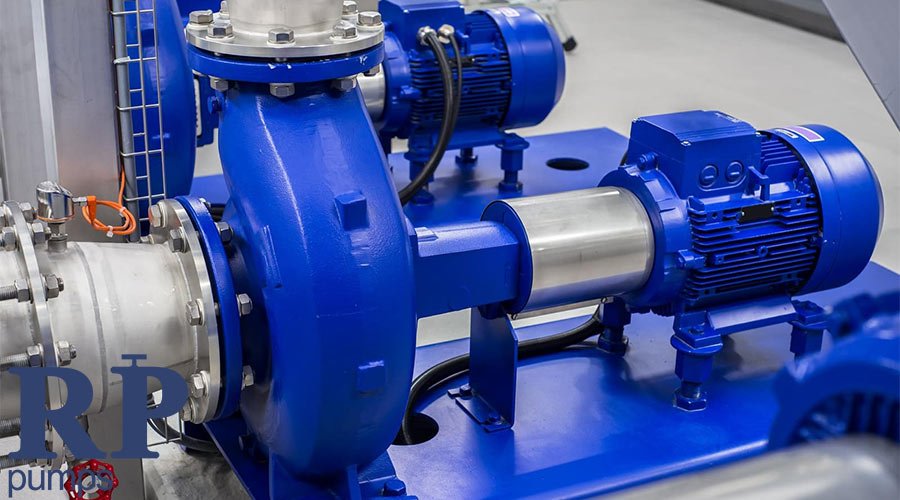
The chemical industry is constantly seeking new ways to balance performance, safety, and sustainability. Pumps, which are at the heart of nearly every chemical process, play a crucial role in this shift. With rising energy costs, strict environmental regulations, and growing demand for eco-friendly technologies, manufacturers are focusing on sustainable and energy-efficient chemical pump designs. From innovative materials to smart control systems, these developments are helping industries reduce their carbon footprint while maximizing operational efficiency.
In this article, we’ll explore the latest trends in sustainable and energy-efficient chemical pump designs, highlighting how these innovations are shaping the future of fluid handling.
This article examines the following topics:
1. The Rise of Energy-Efficient Pumping Systems
Energy consumption is a major concern in the chemical processing sector, where pumps can account for a significant portion of electricity use. Traditional pump designs often suffer from inefficiencies such as poor impeller design, frictional losses, and oversized motors. Modern systems are now equipped with high-efficiency motors, advanced hydraulics, and optimized impeller geometries that dramatically reduce wasted energy. These innovations are helping plants lower operational costs while extending equipment lifespan.
Another advancement is the adoption of variable frequency drives (VFDs), which allow pumps to adjust their speed according to demand. This flexibility prevents energy waste caused by constant high-speed operation and ensures smoother system performance. As energy prices continue to rise, investing in energy-efficient pumping systems has become a strategic move for industries committed to both profitability and sustainability.
Shop the best chemical pump solutions today at RP Pumps Online and keep your operations running smoothly.
2. Eco-Friendly Materials and Coatings
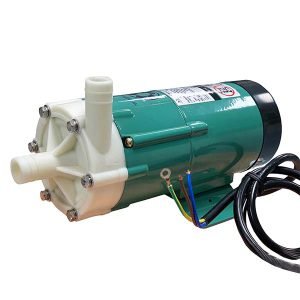
Chemical pumps are exposed to some of the harshest operating conditions, including corrosive chemicals and abrasive fluids. Historically, this meant frequent replacements and high material waste. Today, manufacturers are developing pumps using eco-friendly materials like reinforced thermoplastics, composite resins, and high-grade stainless steels. These materials not only enhance durability but also reduce the environmental impact by lasting longer and being more recyclable.
Protective coatings are another crucial advancement. Coatings such as ceramic linings or specialized polymers significantly improve resistance to corrosion and erosion. By extending pump life and reducing the need for replacements, these coatings minimize industrial waste and promote sustainability. For industries, this means fewer disruptions, reduced maintenance costs, and a more environmentally responsible pumping solution.
3. Digitalization and Smart Pump Technologies
The integration of digital technologies is redefining how chemical pumps operate. Smart pumps are now equipped with IoT sensors, AI-driven diagnostics, and real-time monitoring systems that allow operators to track performance continuously. These features can detect inefficiencies, identify early signs of wear, and even predict potential failures before they occur. By leveraging data, industries can achieve higher energy efficiency and lower downtime.
Furthermore, smart pump systems enable predictive maintenance, which reduces unnecessary servicing and ensures pumps run only when needed. This not only conserves energy but also extends the life of components. The adoption of digital pump technologies represents a major step toward sustainable operations, aligning chemical industries with the global trend of Industry 4.0.
A pump is a device that moves fluids (liquids or gases), or sometimes slurries,[1] by mechanical action, typically converted from electrical energy into hydraulic or pneumatic energy.
https://en.wikipedia.org/wiki/Pump
4. Focus on Seal-less Pump Designs
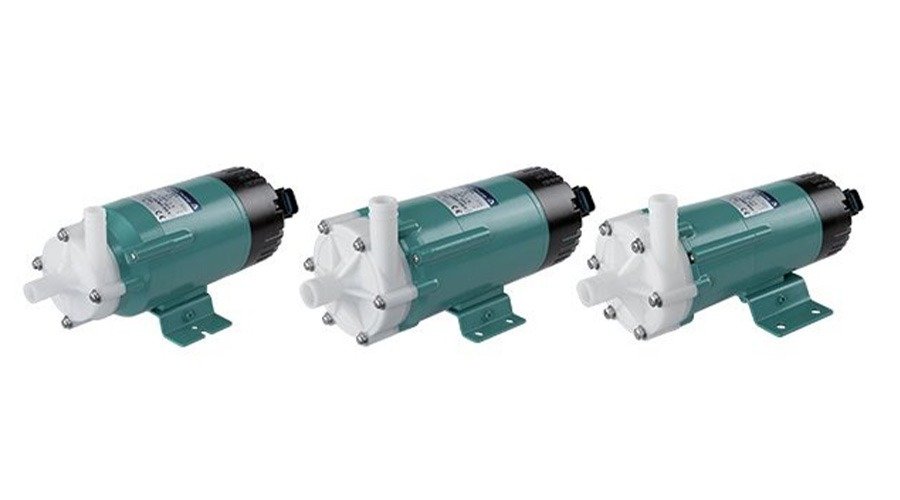
Seal failures are a common issue in chemical pumps, often leading to leaks that pose environmental and safety risks. The growing popularity of seal-less pump designs, such as magnetic drive pumps, addresses this challenge effectively. By eliminating the need for mechanical seals, these pumps reduce the risk of hazardous leaks, protect operators, and minimize chemical emissions.
Seal-less pumps are not just safer but also more efficient. They reduce friction losses associated with traditional seals and require less maintenance, contributing to energy savings. For industries focused on environmental compliance and sustainability, seal-less designs represent a reliable and eco-friendly solution that ensures both performance and protection.
5. Renewable Energy Integration
As industries worldwide embrace renewable energy, pump designs are evolving to match. Modern energy-efficient pumps can now be integrated with solar, wind, or hybrid energy systems, reducing reliance on fossil fuels. For chemical plants, this integration means lower operational emissions and a direct contribution to corporate sustainability goals.
In addition, renewable-compatible pump systems are designed to handle fluctuating power inputs without compromising efficiency. By aligning with renewable sources, companies not only reduce their carbon footprint but also future-proof their operations against tightening environmental regulations and rising energy prices. This synergy of renewable energy and pumping technology is driving a new era of eco-friendly industrial practices.
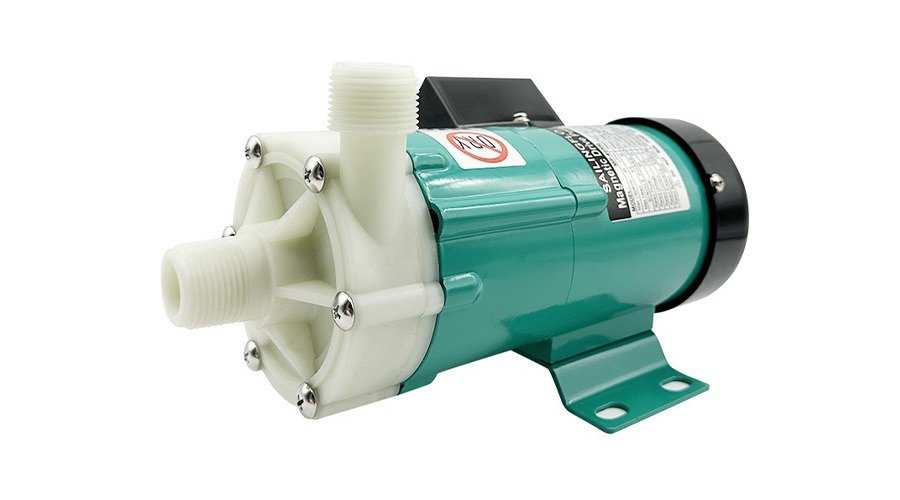
6. Modular and Flexible Pump Designs
Industrial needs are constantly evolving, and pump systems must adapt accordingly. Modular pump designs allow industries to upgrade or replace specific components instead of overhauling entire systems. This reduces waste, lowers costs, and extends the usable life of pumping infrastructure. Flexibility in design ensures pumps remain relevant as processes and production requirements change.
Additionally, modular pumps simplify customization for different applications, making them versatile across industries. By reducing material waste and offering longer-term value, flexible pump systems are a sustainable solution for companies seeking both efficiency and adaptability. This trend reflects a growing recognition that sustainability is not only about energy savings but also about long-term resource efficiency.
7. Regulatory Compliance and Green Certifications
Environmental regulations are becoming stricter worldwide, pushing industries to adopt more sustainable technologies. Chemical pump manufacturers are responding by designing pumps that comply with ISO standards, EU Eco-Design directives, and other green certifications. These certifications ensure that pumps meet rigorous energy-efficiency and environmental criteria, offering buyers confidence in their sustainability.
For businesses, compliance is not just about meeting legal requirements—it’s also a competitive advantage. Green-certified pumps appeal to eco-conscious buyers and enhance a company’s reputation for environmental responsibility. By investing in certified pump technologies, industries can align with global sustainability goals while ensuring long-term regulatory compliance.
Conclusion
The shift toward sustainable and energy-efficient chemical pump designs is transforming the industry. From high-efficiency motors and eco-friendly materials to smart digitalization and renewable integration, these innovations are redefining how chemical plants operate. Companies that embrace these trends will benefit from reduced energy costs, extended equipment lifespan, and stronger compliance with environmental standards.
At RP Pumps Online, we understand the importance of innovation in fluid handling. That’s why we provide a wide selection of high-performance, reliable, and energy-efficient chemical pumps tailored to modern industrial needs. By choosing sustainable pump solutions, businesses can achieve both operational excellence and a commitment to protecting the environment.
FAQs
Why are energy-efficient chemical pumps important?
Energy-efficient chemical pumps help industries reduce electricity consumption, lower operational costs, and minimize their carbon footprint. Since pumps account for a significant share of energy use in chemical plants, upgrading to efficient designs can result in substantial long-term savings.
What makes a chemical pump “sustainable”?
A sustainable chemical pump is designed to reduce environmental impact throughout its lifecycle. This can include the use of eco-friendly materials, longer lifespans, reduced maintenance needs, energy-efficient operation, and compliance with environmental regulations.
How do smart pumps improve efficiency?
Smart chemical pumps use IoT sensors and real-time monitoring to track performance and optimize operation. They can automatically adjust energy consumption based on demand and provide predictive maintenance alerts, reducing downtime and avoiding unnecessary energy waste.