Centrifugal Pumps

Tips for matching the pump to your filtration system

Tips for matching the pump to your filtration system

Choosing the right pump for your filtration system is more than just picking a model that “looks about right.” An ill-matched pump can lead to poor filtration performance, wasted energy, and costly repairs over time. Whether you’re dealing with a pool, industrial water system, or commercial application, understanding how to match the pump to your filtration system will ensure smooth operation, longer equipment lifespan, and better overall efficiency.

This article examines the following topics:

Understand Your Filtration System’s Flow Requirements

Flow rate is the heartbeat of your filtration system. Every filter is designed to handle a specific volume of water over a given period, typically measured in gallons per minute (GPM) or liters per minute (LPM). If your pump delivers too much flow, it can put excessive pressure on the filter, leading to wear, leaks, or even media breakdown. On the other hand, a pump that delivers too little flow won’t circulate enough water to remove contaminants effectively.

To determine your system’s ideal flow rate, check the manufacturer’s specifications for your filter. These will often provide a recommended operational range, along with a maximum safe limit. Once you know the numbers, you can compare them against pump performance curves, which show how a pump’s output changes under different conditions.

It’s also important to consider seasonal changes or varying usage patterns. For example, a pool may require a higher flow rate during heavy summer use compared to winter. In such cases, a variable speed pump may be the best solution, as it allows you to adjust the flow to meet changing demands while maintaining filtration efficiency.

Consider the Total Dynamic Head (TDH)

Total Dynamic Head (TDH) measures the total resistance that the pump must overcome to move water through the entire system. It’s a combination of vertical lift (the height the pump must push the water), friction losses from pipes and fittings, and resistance from the filter itself. An accurate TDH calculation ensures you select a pump powerful enough to keep water moving efficiently without straining.

Calculating TDH may seem technical, but it’s worth the effort. Start by measuring the vertical distance from the water source to the pump’s highest point. Then add friction losses from pipe length, bends, and fittings, using reference tables provided by manufacturers or industry resources. Finally, include the resistance created by the filtration media and housing.

If you underestimate TDH, your pump may operate inefficiently, leading to slow filtration and overheating. If you overestimate it, you risk oversizing the pump, which can waste energy and accelerate wear. By getting this calculation right, you’ll strike the perfect balance between performance and efficiency.

Related article: For more information about how to size a pump, click the link.

Match Pump Type to Filtration Application

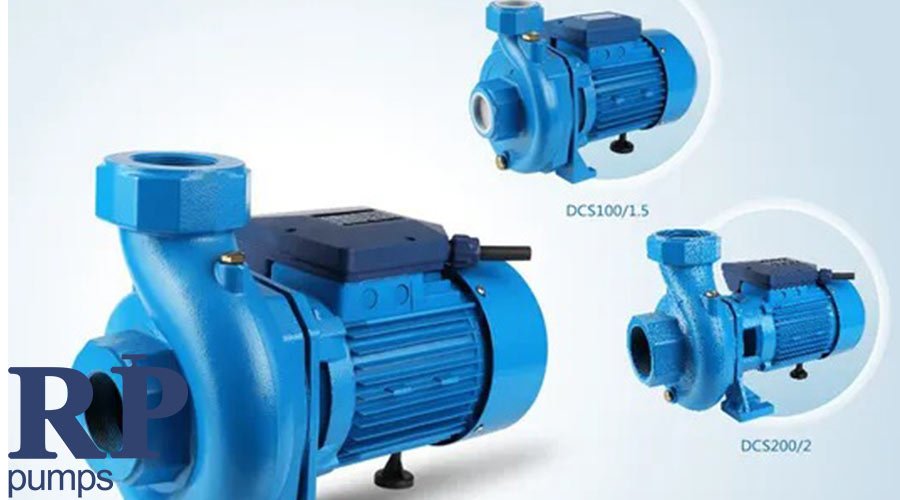
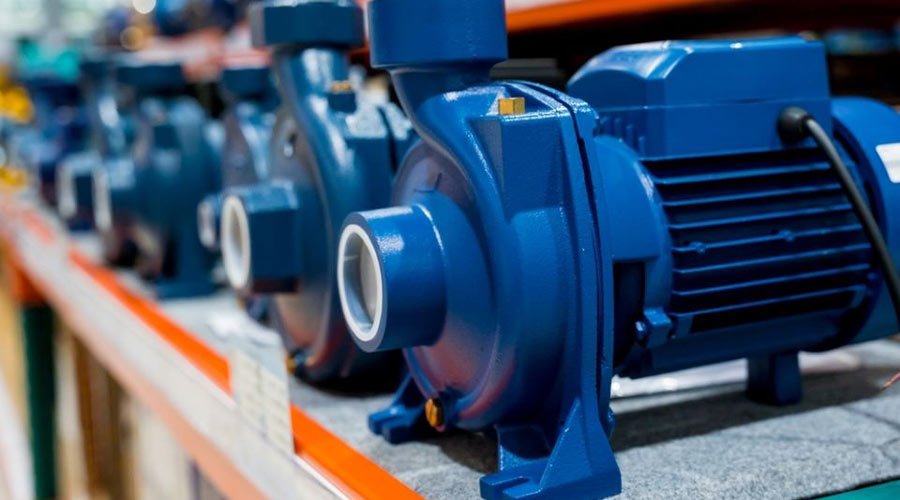
Different applications call for different pump designs. Centrifugal pumps are a common choice for general water circulation and basic filtration needs, offering reliable performance for a wide range of setups. Self-priming pumps are ideal when the pump is located above the water source, as they can draw water into the system without manual priming.

Variable speed pumps have become increasingly popular for both residential and industrial applications. They allow operators to fine-tune the flow rate to match system demands, improving energy efficiency and extending the life of the filtration equipment. In systems with fluctuating water demand, such as those in manufacturing processes or public pools, variable speed technology can significantly reduce operational costs.

Before selecting a pump type, consider the nature of your filtration system. Does it run continuously or intermittently? Is the water source below or above the pump? Are you dealing with clean water, saltwater, or liquids containing solids? Each of these factors will guide you toward the most suitable pump design for optimal compatibility and performance.

Prioritize Energy Efficiency

Energy efficiency is not only good for your operating budget, but also for the environment. An oversized pump may handle heavy loads easily, but it will consume far more electricity than necessary. Over time, this translates into higher utility bills and an unnecessary carbon footprint.

To maximize efficiency, consider pumps equipped with high-efficiency motors or variable speed controls. These features allow you to run the pump at lower speeds during periods of low demand, cutting down on energy usage without compromising filtration quality. Many modern pumps also meet energy certification standards, giving you the assurance of tested performance.

An energy-efficient pump also places less strain on your filtration system. By reducing wear on mechanical components and minimizing heat generation, you can extend the lifespan of both the pump and the filter. This means fewer breakdowns, less maintenance, and a lower total cost of ownership.

Check Material Compatibility

Pumps come in a variety of materials, each with its strengths and limitations. For fresh water applications, durable plastics or coated metals may be sufficient. However, if your filtration system handles saltwater, chlorinated water, or corrosive chemicals, you’ll need materials like stainless steel, bronze, or specially engineered polymers to ensure longevity.

Using the wrong materials can lead to premature wear, corrosion, and even system contamination. For example, standard cast iron components may quickly rust in a saltwater environment, leading to leaks and pump failure. Similarly, certain plastics may degrade when exposed to high temperatures or aggressive cleaning chemicals.

Always match the pump’s materials to the liquid being filtered. Manufacturers often provide compatibility charts to help with this decision. A small investment in the right material choice can save you from expensive repairs and downtime in the future.

Factor in Maintenance and Serviceability

Even the best pump will need routine maintenance to keep it performing at its best. When choosing a pump, look for designs that allow easy access to key components such as impellers, seals, and strainers. Pumps with tool-free access points or clear maintenance instructions can save you time and frustration during servicing.

Availability of replacement parts is another critical factor. Pumps from reputable brands often come with strong after-sales support, ensuring that parts are readily available if repairs are needed. A pump with rare or discontinued components can turn a minor repair into a major operational setback.

Regular maintenance not only extends the life of the pump but also protects your filtration system. By keeping the pump in top shape, you ensure consistent water flow and filtration quality, preventing system failures and costly downtime.

Conclusion

Matching the right pump to your filtration system is a balance of flow rate, head pressure, application type, and efficiency. By taking the time to understand your system’s needs—and selecting a pump that meets those specifications—you’ll enjoy reliable filtration, lower running costs, and longer equipment life. For expert advice and a wide range of high-quality pumps, RP Pumps is here to help you make the perfect match.

FAQs

How do I know what pump size I need for my filtration system?

You’ll need to check your filter’s recommended flow rate, usually listed in gallons per minute (GPM) or liters per minute (LPM), and calculate your system’s Total Dynamic Head (TDH). Matching these two factors to a pump’s performance curve will ensure the pump delivers the right amount of water without overworking your filter.

If your pump produces too much flow, it can cause excessive pressure inside the filter, potentially damaging the filter media, seals, and housing. This can lead to leaks, reduced filtration quality, and shortened equipment life.

Total Dynamic Head is the total resistance the pump must overcome to move water through your system. It includes vertical lift, pipe friction, and filter resistance. Accurate TDH calculations help ensure you choose a pump that can handle the load efficiently without wasting energy.

Leave a Reply

Your email address will not be published. Required fields are marked *