

Signs Your Pump Needs Servicing — Before It Fails

Your pump is the heart of your water system — whether it’s for irrigation, industry, or your home, it keeps everything flowing smoothly. Yet, like any hardworking machine, pumps can wear down over time. Catching the warning signs early can save you from costly repairs, downtime, or even complete pump failure. In this guide, we’ll highlight the key indicators that your pump needs servicing before it lets you down.
This article examines the following topics:
A healthy pump should operate quietly and steadily. If you start hearing rattling, grinding, or screeching sounds, it’s a clear sign that something is wrong. These noises often result from loose components, cavitation (air bubbles in the system), or worn bearings. Left unchecked, these issues can lead to permanent internal damage.
Vibrations are another critical warning sign. Excessive shaking could indicate that your pump is misaligned or that the impeller is out of balance. This not only wears down components faster but also affects performance efficiency, causing the pump to work harder than it should.
It’s best not to ignore strange sounds or movement. Scheduling a professional inspection early can prevent a simple maintenance fix from turning into a costly overhaul or full replacement.
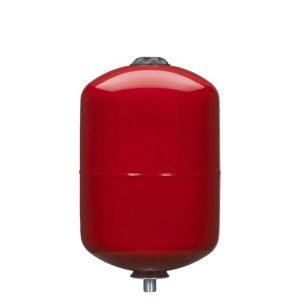
Keep Your System Safe with a Water Heater Expansion Tank!
Prevent pressure buildup, leaks, and costly damage — ensure consistent hot water flow all year long. Shop high-quality water heater expansion tanks today at RP Pumps Online and protect your home’s plumbing system.
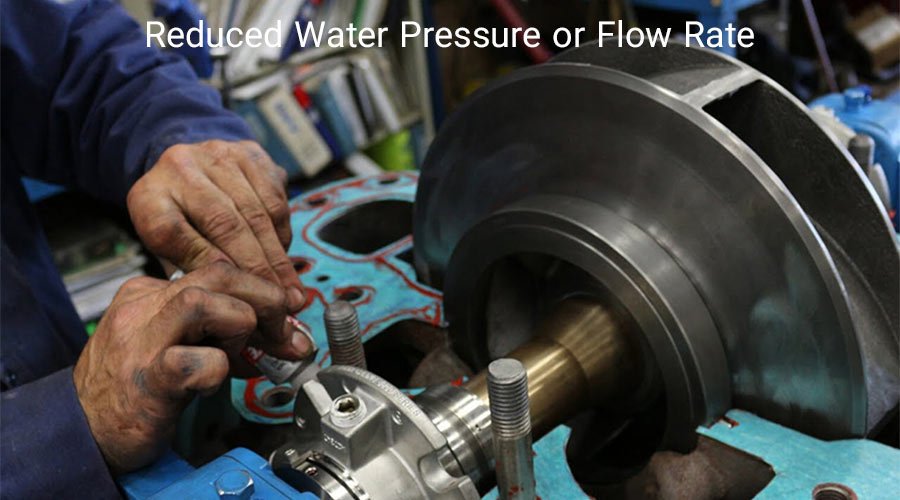
When your pump isn’t delivering the same pressure or flow rate as before, there’s a good chance something’s restricting performance. Common causes include clogged filters, worn impellers, or suction line obstructions. In some cases, air trapped in the pump casing can also cause reduced efficiency.
A slow or inconsistent water flow not only affects productivity but can also signal internal damage. For irrigation or industrial systems, reduced flow can have serious operational consequences, disrupting your workflow or output.
Checking and cleaning filters regularly, along with scheduling professional maintenance, ensures your pump maintains consistent flow and pressure. If you notice gradual performance drops, it’s time to get your pump serviced before total failure occurs.
Related article: For more information about The Reasons of Burned Electric Pumps and Submersible Pumps, click the link.
If your pump feels unusually hot during operation or your energy bills are higher than normal, the system could be overworking. Overheating often results from internal friction, lack of lubrication, or worn bearings that force the motor to compensate.
Excessive energy use is another red flag. A pump running inefficiently may have clogged parts, electrical faults, or mechanical resistance inside the motor. This not only wastes energy but also increases operational costs significantly over time.
Regular servicing allows technicians to clean, lubricate, and test electrical components, ensuring optimal performance. At RP Pumps Online, we recommend routine energy audits and temperature monitoring to identify inefficiencies early and maintain long-term reliability.
Water leaks around the pump or surrounding area can clearly indicate a problem. Leaks occur due to cracked or damaged pump housing, loose fittings, or worn-out seals. If water pools around the pump, it is crucial to address it promptly to prevent further damage.
https://www.pump-repair-services.com/blog/top-signs-a-water-pump-needs-repair
If your pump switches on and off more often than usual, it could indicate pressure imbalance or system leaks. This “short cycling” can stress both the motor and pressure switch, reducing the lifespan of your equipment.
Irregular operation might also result from an improperly sized pump or issues with the control settings. A system that runs too frequently can’t rest between cycles, leading to overheating and premature motor wear.
Having a professional assess your pressure settings and check for leaks can quickly identify the cause. With proper calibration and timely servicing, you can restore consistent operation and extend the life of your pump.
Water or oil leaks are among the most visible warning signs that your pump needs attention. Even small drips from seals, joints, or fittings can indicate worn components or pressure imbalances inside the system.
If moisture is allowed to accumulate, it can cause corrosion and weaken electrical parts. In severe cases, it may even pose a safety risk due to short-circuiting or slippage around the pump area.
Inspect your pump regularly for visible signs of leaks or rust. Promptly replacing seals or gaskets and performing routine servicing helps ensure your system stays safe, efficient, and leak-free.
Unusual odors, like a burning or metallic smell, usually mean electrical or overheating problems. This could stem from a failing motor, faulty wiring, or overheated insulation — all of which require immediate professional attention.
Discolored water output is another major indicator of trouble. Rusty or cloudy water often points to corrosion inside the pump or its piping. Ignoring it can result in contamination or damage to downstream systems.
If you notice either of these symptoms, turn off the pump and call a technician. Addressing the issue quickly prevents further damage and ensures your pump continues operating safely and efficiently.
If your pump refuses to start, frequently trips the breaker, or loses power suddenly, it’s likely an electrical or motor issue. Common culprits include capacitor failure, worn-out windings, or power supply inconsistencies.
These electrical faults can sometimes be intermittent — the pump may start occasionally, only to fail again later. This can cause confusion for operators and further strain on the system components.
Rather than guessing the cause, have a qualified service technician inspect the pump. They’ll test voltage, insulation, and continuity to pinpoint the issue, preventing deeper electrical damage or complete motor burnout.
Servicing your pump before it fails offers more than just peace of mind. It minimizes downtime, improves performance, and extends the overall life of your equipment. By addressing small issues early, you avoid expensive repairs and unplanned system interruptions.
Preventive maintenance also ensures optimal energy use, reducing operational costs in the long term. Well-maintained pumps simply run smoother, quieter, and more efficiently — saving both time and money. At RP Pumps Online, we provide top-quality parts, maintenance guidance, and professional service solutions to keep your pumps running reliably year-round.
Your pump rarely fails without warning — the signs are almost always there. From unusual sounds and leaks to decreased pressure or erratic performance, these early indicators are your system’s way of asking for help. Ignoring them can lead to sudden breakdowns, production delays, or costly replacements. But with proactive care and expert servicing, your pump can deliver consistent performance for years to come.
At RP Pumps Online, we’re dedicated to helping you prevent pump failures before they happen. Contact our team today for expert advice, servicing, or spare parts to keep your system flowing smoothly — efficiently, safely, and reliably.
For most residential and light commercial systems, it’s recommended to service your pump at least once a year. However, if your pump operates continuously or in harsh conditions (such as dusty, humid, or high-demand environments), servicing every six months is ideal. Regular maintenance helps detect wear, leaks, and performance issues early — preventing sudden breakdowns and expensive repairs.
Common signs include unusual noises, reduced water pressure, leaks, overheating, and frequent on-off cycling. You might also notice higher energy bills or a burning smell coming from the pump. These are early indicators of internal wear or mechanical faults. Addressing them promptly can save your pump from complete failure.
Basic tasks like checking for leaks, cleaning filters, or inspecting visible components can be done yourself. However, electrical testing, motor diagnostics, or internal repairs should always be handled by a qualified pump technician. Professional servicing ensures accurate diagnosis, proper part replacement, and safe operation — protecting both your system and your warranty.