Why Your Pump Is Overheating (And How to Fix It)
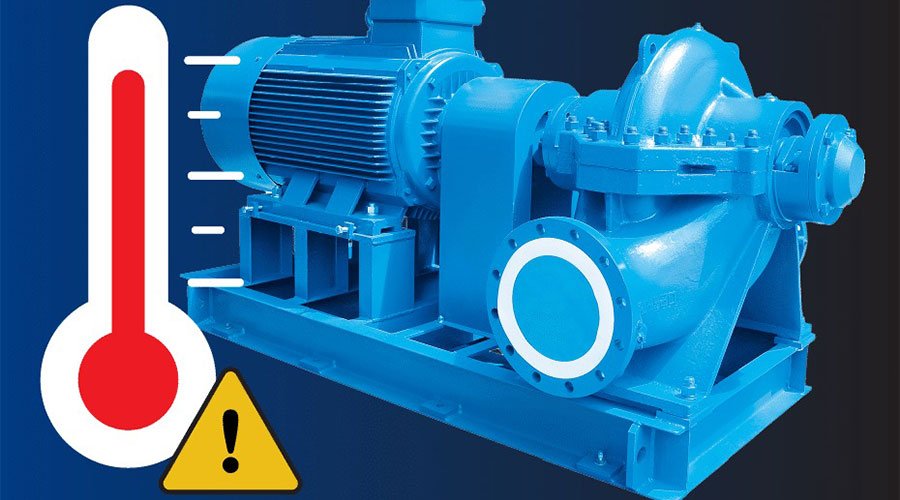
Pump overheating is never something to ignore. While pumps are designed to handle demanding workloads, excessive heat is a clear signal that something isn’t working as it should. If left unresolved, overheating can lead to reduced efficiency, costly downtime, and even permanent equipment failure. Understanding **why your pump is overheating—and how to fix it—**can save your operation time, money, and stress.
This article examines the following topics:
1. Insufficient Flow or Blocked Suction
Common causes:
Restricted flow is one of the leading causes of pump overheating. This typically happens when suction strainers are clogged, valves are partially closed, or debris accumulates inside the piping. Air leaks in the suction line can also prevent proper fluid movement, causing the pump to run dry or under-loaded.
When flow is insufficient, the pumped liquid cannot absorb and carry away the heat generated during operation. As a result, internal components such as seals and bearings experience elevated temperatures, accelerating wear and increasing the risk of failure.
How to fix it:
Regularly inspect and clean suction strainers and filters, ensure all valves are fully open, and check suction lines for leaks or blockages. Maintaining consistent, adequate flow is essential for keeping pump temperatures within safe limits.
Buy water pumps online from RP Pumps and get reliable performance you can trust. Explore high-quality water pumps online designed for efficiency, durability, and long service life.
2. Operating the Pump Outside Its Design Range
Common causes:
Pumps are designed to operate within a specific flow and pressure range. Running a pump at very low flow rates or against excessive system resistance can cause internal recirculation. This internal turbulence converts energy into heat instead of useful output.
Operating far from the pump’s Best Efficiency Point (BEP) increases vibration, hydraulic instability, and thermal stress. Over time, this reduces efficiency and shortens the lifespan of critical components.
How to fix it:
Evaluate system requirements and ensure the pump is operating near its BEP. If operating conditions have changed, consider adjusting system controls, resizing the pump, or installing a bypass line to maintain proper flow and temperature balance.
3. Mechanical Friction and Worn Components
Common causes:
Mechanical friction inside the pump often results from worn bearings, misaligned shafts, or damaged seals. As components degrade, friction increases, generating excess heat during operation.
This additional heat not only affects the worn parts but also spreads throughout the pump casing, leading to reduced efficiency and increased stress on surrounding components.
How to fix it:
Implement routine inspection and preventive maintenance schedules. Replace worn bearings, realign shafts, and service mechanical seals as soon as signs of wear appear. Reducing friction is critical to controlling internal temperatures.
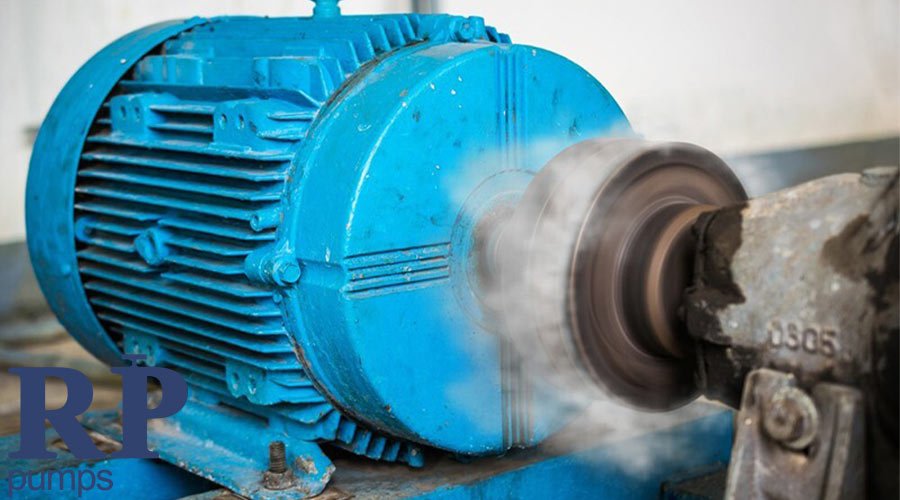
Pump overheating is one of the most common problems with a pump. It can be caused by several factors, including lubrication, damaged bearings, clogged filters and others. Overheating can cause a pump to seize up and fail, leading to costly repairs or replacement. If you suspect that your pump is overheating, it is essential to take action immediately to avoid further damage.
https://www.jeepumps.com/pump-overheating-causes-symptoms-and-mitigation
4. Inadequate Lubrication
Common causes:
Bearings rely on proper lubrication to minimize friction and dissipate heat. Insufficient lubrication increases metal-to-metal contact, while excessive lubrication can cause churning, both of which lead to overheating.
Using the wrong type of lubricant or failing to follow recommended lubrication intervals can also compromise bearing performance and thermal stability.
How to fix it:
Always use the lubricant specified by the manufacturer and apply it at recommended intervals. Monitor lubrication levels closely and avoid over-greasing. Proper lubrication practices significantly reduce heat buildup and extend bearing life.
5. Electrical Issues and Motor Problems
Common causes:
Electrical issues such as voltage imbalance, incorrect wiring, or motor overload can cause the motor to draw excessive current. This generates heat within the motor, which is then transferred to the pump.
If left unresolved, electrical overheating can damage insulation, reduce motor efficiency, and eventually lead to motor failure—bringing the entire pumping system to a halt.
How to fix it:
Have qualified technicians inspect electrical connections, power supply stability, and motor load conditions. Ensuring proper electrical performance protects both the motor and the pump from overheating-related damage.
Conclusion
Pump overheating is rarely a sudden failure—it’s usually a gradual warning that something isn’t right. Whether the cause is restricted flow, mechanical wear, lubrication issues, or electrical problems, early intervention makes all the difference.
By following proper operating guidelines and committing to routine maintenance, you can keep pump temperatures under control and avoid costly downtime. Reliable pump performance starts with awareness, prevention, and timely corrective action.
At RP Pumps, we emphasize efficient operation and long-term reliability. Address overheating early, apply the right solutions, and keep your pumping systems running at their best.
FAQs
What causes a pump to overheat?
Pump overheating is usually caused by insufficient flow, blocked suction lines, worn mechanical components, poor lubrication, or electrical motor issues. When a pump cannot operate under proper hydraulic or mechanical conditions, excess energy is converted into heat instead of useful work.
Is it dangerous to run an overheating pump?
Yes. Operating an overheating pump can cause serious damage to bearings, seals, and impellers. Prolonged overheating may lead to complete pump failure, unplanned downtime, and higher repair or replacement costs.
How can I tell if my pump is overheating?
Common signs include unusually hot pump casing, frequent seal failures, excessive vibration, abnormal noise, or repeated motor trips. In some cases, thermal sensors or alarms may indicate rising temperatures before visible damage occurs.
Can low flow cause pump overheating?
Absolutely. Low flow conditions prevent the pumped liquid from removing heat efficiently. This can result in internal recirculation, increased friction, and rapid temperature rise inside the pump.