Showing all 3 resultsSorted by price: low to high
Sort by
Chemical Pumps: A Comprehensive Guide to Selection and Usage
Chemical pumps play a vital role in industries that require the safe and efficient transfer of chemicals. From water treatment plants to pharmaceutical and manufacturing industries, these pumps ensure the controlled movement of corrosive, hazardous, and viscous liquids. Choosing the right chemical pump is crucial to maintaining safety, efficiency, and longevity. This guide explores different types of chemical pumps, their applications, and maintenance tips to help you make an informed decision.
What Are Chemical Pumps?
Chemical pumps are specially designed devices that facilitate the movement of chemicals, acids, and other hazardous liquids. They are built using corrosion-resistant materials such as stainless steel, Teflon, and specialized plastics to withstand harsh substances.
These pumps operate using various mechanisms, including centrifugal force, diaphragm action, and peristaltic motion. Each type serves a specific purpose depending on the chemical composition and viscosity of the fluid being pumped.
By choosing the right chemical pump, industries can enhance efficiency, ensure safety, and prevent equipment degradation caused by chemical exposure.
Related category: For more information about Marine Pumps, click the link.
How Do Chemical Pumps Work?
Chemical pumps function by drawing fluid from a source and pushing it through a system using mechanical force. The operating principle varies based on the pump type, with some using impellers, diaphragms, or rollers to facilitate movement.
Centrifugal chemical pumps utilize rotating impellers to generate pressure, making them suitable for low-viscosity liquids. In contrast, diaphragm pumps use a reciprocating motion to move fluids, ideal for handling corrosive or abrasive chemicals.
Understanding the working mechanisms of chemical pumps helps industries select the best option for their specific needs while ensuring operational efficiency.
Types of Chemical Pumps
There are various types of chemical pumps, each designed for specific applications and chemical properties:
- Centrifugal Chemical Pumps – Suitable for non-viscous chemicals, they use impellers to generate fluid movement.
- Diaphragm Pumps – Ideal for transferring hazardous and abrasive liquids without leakage.
- Peristaltic Pumps – Use a rolling mechanism to move fluids, reducing contamination risks.
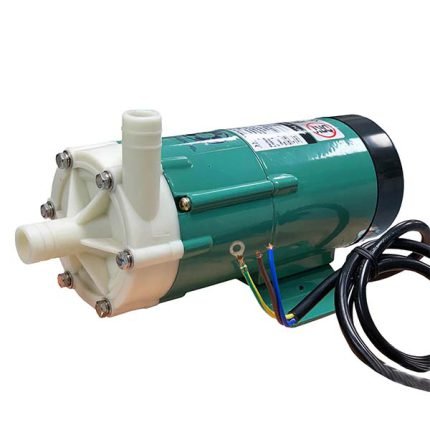
- Magnetic Drive Pumps – Feature seal-less designs to prevent chemical leaks and enhance safety.
- Metering Pumps – Ensure precise chemical dosing for applications like water treatment and pharmaceuticals.
Selecting the appropriate type of pump ensures safe and effective chemical handling in industrial and commercial settings.
Applications of Chemical Pumps
Chemical pumps are widely used in industries that require precise fluid management. They play a crucial role in chemical processing plants, where accurate transfer of acids and solvents is essential for production.
In the water treatment industry, metering pumps help in dosing chemicals for purification, ensuring safe and clean water supply. Pharmaceutical industries also rely on chemical pumps for precise formulation and drug production.
These pumps are also critical in manufacturing sectors, including food processing and cosmetics, where controlled chemical transfer is necessary for quality and safety compliance.
Benefits of Using Chemical Pumps
Chemical pumps offer several advantages, including increased safety, as they are designed to handle hazardous and corrosive fluids without leaks. This reduces workplace hazards and protects employees from exposure to dangerous chemicals.
Another benefit is operational efficiency. These pumps are engineered to withstand harsh chemicals, ensuring long-lasting performance with minimal maintenance requirements.
Additionally, chemical pumps contribute to cost savings by reducing chemical waste and optimizing fluid transfer processes, making them an essential investment for industries requiring precise chemical handling.
Factors to Consider When Choosing a Chemical Pump
Selecting the right chemical pump involves considering factors such as the type of chemicals being transferred, viscosity, and required flow rate. Understanding the chemical properties ensures compatibility with the pump’s materials.
Temperature resistance is another critical factor. Some chemicals require pumps that can withstand extreme temperatures without compromising efficiency or durability.
Additionally, considering energy efficiency and maintenance requirements helps industries choose a cost-effective pump that balances performance and operational costs.
Installation Tips for Chemical Pumps
Proper installation of chemical pumps is crucial for ensuring their efficiency and longevity. Positioning the pump correctly near the fluid source reduces strain on the system and enhances performance.
Using compatible fittings, seals, and hoses prevents leaks and ensures seamless operation. For hazardous chemicals, proper ventilation and containment measures should be implemented to enhance safety.
Following manufacturer guidelines and seeking professional installation services can prevent potential issues and ensure optimal functionality from the start.
Maintenance and Troubleshooting of Chemical Pumps
Regular maintenance is essential to keep chemical pumps running efficiently. Routine inspections for leaks, worn-out seals, and motor issues can help identify problems early and prevent costly breakdowns.
Cleaning and flushing the pump system periodically remove chemical residues that could cause blockages or corrosion. Additionally, monitoring pressure levels and ensuring proper lubrication of moving parts enhances longevity.
For troubleshooting, addressing issues such as low pressure, cavitation, or overheating promptly can prevent major operational disruptions and maintain consistent performance.
Safety Considerations for Handling Chemical Pumps
Handling chemical pumps requires strict adherence to safety protocols to prevent accidents and chemical exposure. Proper personal protective equipment (PPE), such as gloves and goggles, should always be used.
Ensuring proper ventilation in chemical handling areas reduces the risk of inhaling harmful fumes. Emergency shutdown procedures should also be in place in case of leaks or pump malfunctions.
By implementing robust safety measures, industries can minimize risks and create a safer working environment for employees handling chemical pumps.
Choosing an Energy-Efficient Chemical Pump
Energy efficiency is a key consideration for industries looking to optimize operational costs. Using variable speed chemical pumps helps adjust flow rates based on demand, reducing unnecessary energy consumption.
Solar-powered chemical pumps are an eco-friendly alternative, ideal for remote locations where electricity supply may be limited. Additionally, selecting pumps with high-efficiency motors enhances performance while lowering energy expenses.
Investing in energy-efficient chemical pumps not only reduces environmental impact but also ensures long-term cost savings for businesses requiring continuous chemical processing.