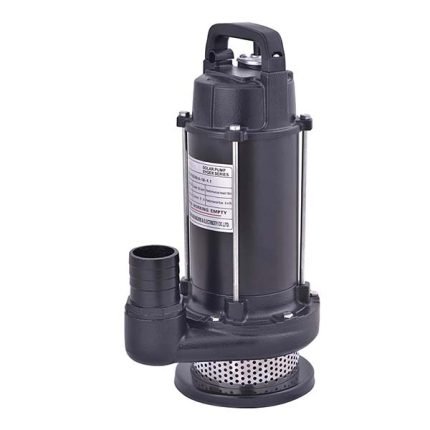
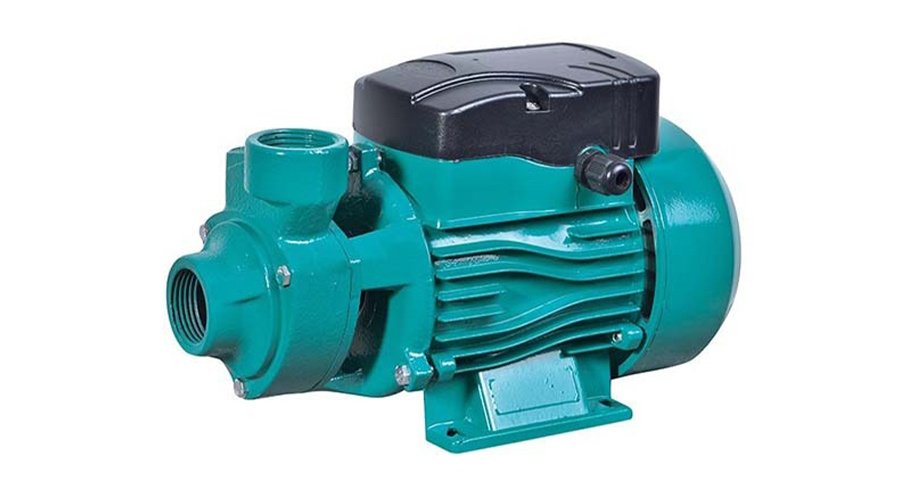
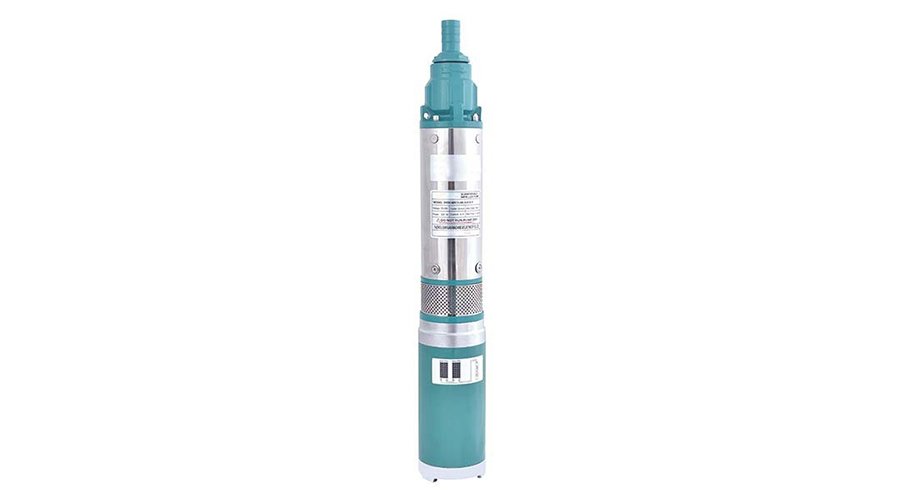
Showing all 8 resultsSorted by price: low to high
Sort by
FILTER BY BRAND
Solar Pumps: A Sustainable Solution for Water Management
Solar pumps are an innovative solution for water management, using renewable solar energy to power water pump systems. They are particularly useful in remote or off-grid areas where access to electricity is limited. By leveraging sunlight, these pumps provide an eco-friendly and cost-effective way to address water supply needs for agriculture, households, and industries.
As concerns about energy conservation and sustainability grow, solar pumps are becoming increasingly popular. They not only reduce dependence on fossil fuels but also minimize carbon footprints, aligning with global efforts to combat climate change. Furthermore, advances in solar technology have made these systems more efficient and affordable than ever before.
This article delves into the working principles, applications, and benefits of solar pumps, helping you understand why they are a game-changer in water pumping technology.
What Are Solar Pumps and How Do They Work?
Solar pumps are water pumping systems powered by photovoltaic (PV) panels that convert sunlight into electrical energy. This energy drives a motor that powers the pump, allowing it to lift water from a source such as a well, river, or reservoir.
These pumps typically operate in two main types: surface pumps and submersible pumps. Surface pumps are used for shallow water sources, while submersible pumps are installed underwater for deep wells. Both types rely on direct sunlight, although battery storage systems can be added to ensure uninterrupted operation during cloudy conditions.
The integration of solar technology makes these pumps highly reliable, especially in sunny regions. They are ideal for remote locations where grid electricity is unavailable, offering a sustainable and cost-efficient alternative.
Types of Solar Pumps: Submersible vs. Surface
Solar pumps are categorized into two main types: submersible pumps and surface pumps, each designed for specific applications. Understanding their differences is key to selecting the right system for your needs.
Submersible solar pumps are installed deep underground, submerged in water. They are suitable for applications where the water source is located at significant depths, such as deep wells or boreholes. These pumps are powerful and can lift water over long distances, making them ideal for agricultural irrigation and rural water supply.
Surface solar pumps, on the other hand, are installed above ground and are used for shallow water sources. They are commonly employed for pumping water from ponds, rivers, or tanks. These pumps are more affordable and easier to maintain, making them a popular choice for small-scale applications.
Both types of pumps are powered by solar panels and can be equipped with additional components like controllers or batteries to enhance their efficiency and reliability.
Applications of Solar Pumps in Agriculture
Solar pumps have revolutionized agriculture by providing a reliable and sustainable solution for irrigation. Farmers in remote areas can now access water without relying on expensive diesel-powered pumps or inconsistent electricity supplies.
These pumps are used to draw water from wells, rivers, or storage tanks for irrigating fields, feeding livestock, and maintaining aquaculture systems. They support drip irrigation, sprinklers, and flood irrigation methods, ensuring water delivery is efficient and tailored to crop needs.
Moreover, solar pumps contribute to significant cost savings for farmers by eliminating fuel costs. With minimal maintenance requirements and long service life, they are a valuable investment for enhancing agricultural productivity while reducing environmental impact.
Benefits of Solar Pumps for Rural Communities
Solar pumps offer numerous benefits for rural communities, transforming water accessibility and management. One of the most significant advantages is their ability to operate independently of grid electricity, making them ideal for remote areas with limited infrastructure.
These pumps provide a consistent and reliable water supply for drinking, sanitation, and agricultural purposes. By reducing dependence on diesel or electricity, they help lower operational costs and improve financial stability for rural households and farmers.
Additionally, solar pumps promote environmental sustainability by harnessing clean energy. They reduce greenhouse gas emissions and decrease reliance on fossil fuels, aligning with global goals for renewable energy adoption.
How Solar Pumps Support Sustainable Development
Solar pumps play a vital role in advancing sustainable development by addressing key challenges in water management, energy conservation, and climate change mitigation. Their use contributes to several United Nations Sustainable Development Goals (SDGs), including clean water and sanitation, affordable and clean energy, and climate action.
By using solar energy, these pumps reduce carbon emissions and lower the environmental impact of water extraction. They also enhance water accessibility, improving quality of life for communities and supporting economic development in agriculture and industry.
As governments and organizations prioritize sustainability, solar pumps are becoming a cornerstone in projects aimed at reducing poverty, improving food security, and combating climate change.
Factors to Consider When Choosing a Solar Pump
Selecting the right solar pump depends on several factors, including the water source, system requirements, and location. Proper evaluation ensures the pump delivers optimal performance and efficiency.
Start by assessing the depth and volume of the water source. Submersible pumps are ideal for deep wells, while surface pumps are suitable for shallow sources. Next, consider the flow rate and head height needed for your application to ensure the pump can meet the demand.
Environmental factors such as sunlight availability and weather conditions also play a crucial role. Systems in areas with frequent cloud cover may require battery storage or hybrid solutions to maintain reliability.
The Role of Solar Pumps in Reducing Energy Costs
One of the key advantages of solar pumps is their potential to significantly reduce energy costs. Unlike conventional pumps that rely on grid electricity or diesel fuel, solar pumps harness free and renewable sunlight to power operations.
This shift to solar energy eliminates recurring fuel expenses, offering long-term cost savings for households, farmers, and businesses. Additionally, governments in many countries provide subsidies and incentives for solar pump installations, further reducing upfront costs. By investing in solar pumps, users not only lower their utility bills but also shield themselves from fluctuating energy prices, ensuring financial stability.
Maintenance and Longevity of Solar Pumps
Solar pumps are known for their durability and low maintenance requirements, making them a reliable choice for long-term use. With proper care, these systems can operate efficiently for over a decade.
Routine maintenance involves cleaning the solar panels to ensure maximum sunlight absorption, checking electrical connections, and inspecting the pump for wear and tear. Advanced systems often come with self-diagnostic features that alert users to potential issues. The use of high-quality materials like stainless steel for pump components and corrosion-resistant coatings enhances the lifespan of solar pumps, ensuring years of dependable service.
Innovations in Solar Pump Technology
Advances in solar pump technology are driving greater efficiency and usability. Modern systems feature smart controllers that optimize performance by adjusting the pump speed based on water demand and sunlight availability.
Hybrid models that integrate solar power with grid electricity or battery storage are becoming increasingly popular, ensuring uninterrupted operation during low-sunlight conditions. Additionally, compact and portable solar pump designs are opening new possibilities for temporary water management needs. These innovations make solar pumps more accessible and adaptable, supporting their adoption across a wide range of applications.
The Future of Solar Pumps
The future of solar pumps looks promising as the demand for renewable energy solutions continues to grow. Governments and organizations are investing heavily in solar infrastructure, paving the way for widespread adoption of solar pumping systems.
Emerging trends such as IoT-enabled pumps and AI-driven optimization are set to enhance efficiency and user experience. As solar technology becomes more affordable and efficient, solar pumps will play a crucial role in achieving global water and energy sustainability goals. From agriculture to urban water management, solar pumps are poised to transform the way we manage our most precious resource—water.