

Showing all 3 resultsSorted by price: low to high
FILTER BY BRAND


Showing all 3 resultsSorted by price: low to high
Gas powered pumps are versatile and robust water pump that run on gasoline engines, offering a reliable solution for high-volume water transfer in remote or off-grid areas. These pumps are commonly used in agriculture, construction, flood control, and emergency applications where electricity is unavailable or unreliable.
Unlike electric water pumps, gas powered models are self-contained units that provide powerful flow rates and excellent portability. Their ability to pump large volumes of water quickly makes them indispensable for demanding tasks, such as dewatering flooded basements or irrigating large fields.
In this article, we’ll explore everything you need to know about gas powered pumps—including how they work, key benefits, common use cases, and essential maintenance tips to keep them running smoothly in even the toughest environments.
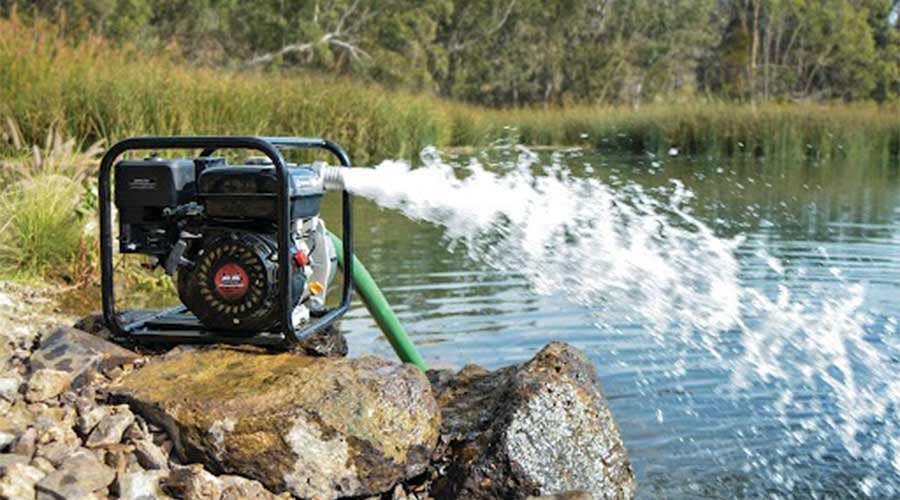
Gas powered pumps are mechanical devices that use a gasoline engine to drive an impeller or diaphragm that moves water from one location to another. The engine powers a pump head that creates suction and pressure, enabling the system to draw in and expel water efficiently.
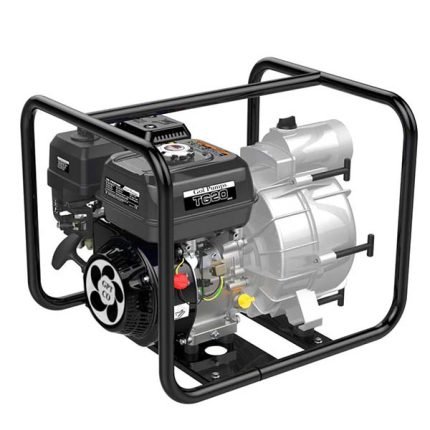
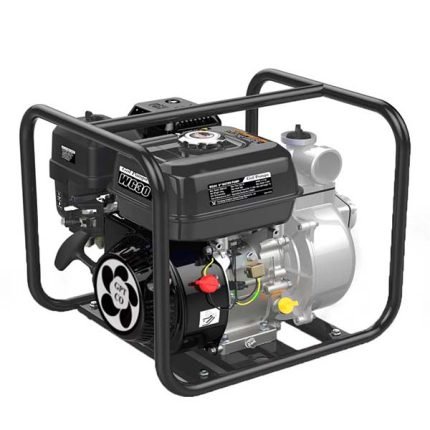
These pumps are typically used in settings where electricity is not accessible or where high flow rates are needed. A basic gas pump system includes the engine, fuel tank, inlet/outlet hoses, and sometimes a priming mechanism. They are often portable, mounted on frames with handles or wheels for easy transport.
The working mechanism is fairly simple but powerful. Once the engine is started and the pump is primed (filled with water), the impeller creates a vacuum that draws water into the pump and pushes it out at high velocity. The strength of a gas powered pump lies in its ability to run continuously for long periods and move thousands of gallons per hour.
One of the biggest advantages of gas water pumps is their independence from electrical power sources. This makes them ideal for use in rural locations, disaster zones, and construction sites where electric lines are unavailable or unsafe.
These pumps also offer high flow rates, often exceeding 150 gallons per minute (GPM), which is far beyond the capacity of most electric models. This makes them perfect for high-demand applications like draining flooded areas, firefighting, and large-scale irrigation.
Another notable benefit is portability. Many gas powered pumps come with sturdy frames, carrying handles, or wheels, allowing them to be easily transported and deployed wherever needed. Their rugged construction and reliability under tough conditions make them a go-to choice for professionals in agriculture, emergency services, and heavy-duty industrial work.
Gas powered pumps are widely used in agriculture for moving water between reservoirs, irrigating fields, or draining flooded farmland. Their high power allows farmers to manage large-scale operations efficiently, even in remote areas with no electrical infrastructure.
In construction, these pumps are essential for dewatering excavations, trenches, and foundation pits. When heavy rain fills up work areas, gas pumps can quickly remove water, allowing projects to continue without delay. Their ability to operate in rugged and muddy environments makes them highly reliable on job sites.
During emergency situations, such as floods or hurricanes, gas powered pumps serve as critical tools for disaster response teams. They help clear basements, streets, and buildings of floodwaters, reducing structural damage and preventing the growth of mold or bacteria. Firefighters also rely on them in areas where hydrants are unavailable or pressure is low.
When selecting a gas powered pump, the first consideration should be the flow rate or gallons per minute (GPM) needed for your application. A higher GPM means faster water transfer, which is important for large-scale or time-sensitive operations.
Another key factor is head height, or the vertical distance the pump must move water. If you’re pumping water uphill or over long distances, choose a pump with a higher maximum head rating. Be sure to also check the suction lift, which indicates how far below the pump water can be drawn.
Additional considerations include fuel tank size, engine brand, and build materials. Look for corrosion-resistant frames and durable seals, especially if pumping abrasive or chemical-laden fluids. Reputable brands like Honda, Generac, and Champion offer reliable gas powered models suited for various industries.
Understanding the technical specifications of a gas powered pump helps ensure it meets the performance requirements of your job. Three primary ratings include GPM (gallons per minute), PSI (pounds per square inch), and head lift.
GPM measures how much water the pump can move per minute. For example, a 200 GPM pump can transfer 12,000 gallons per hour, making it ideal for emergency dewatering or irrigation. Higher GPM is necessary for tasks involving large volumes of water.
PSI is a pressure rating more relevant for pumps used in spraying or firefighting. It indicates how forcefully water is expelled. While not critical for all uses, PSI matters when the water must be directed at long distances or high altitudes.
Head lift combines vertical and horizontal pumping distances to determine how far and how high a pump can move water. It’s especially important in construction and agricultural settings where water sources are lower than the discharge point.
Routine maintenance ensures the longevity and reliability of your gas powered pump. The most basic yet important practice is regular oil changes. Check engine oil levels before each use and follow manufacturer guidelines on replacement intervals.
Clean the air filter and spark plug regularly to ensure the engine operates efficiently. Clogged filters reduce air intake and can lead to stalling or overheating, while worn spark plugs affect ignition and fuel combustion.
Don’t forget to flush the pump housing with clean water after every use, especially if you’ve pumped debris-laden or corrosive fluids. This prevents clogs and corrosion buildup. Always inspect hoses, fittings, and seals for wear, and replace any parts showing signs of damage to avoid leaks or loss of pressure.
Gas powered pumps are powerful tools, but they must be used safely to prevent accidents. First and foremost, always operate them in well-ventilated areas. Since they produce carbon monoxide, running them indoors or in enclosed spaces can be fatal.
Avoid refueling the pump while it’s still hot. Wait for the engine to cool before adding gasoline to prevent ignition or burns. Use only recommended fuel and keep flammable materials away from the pump while it’s running.
Ensure that all hoses and connections are secured tightly. Loose fittings can cause leaks or bursts under pressure. Also, keep hands and clothing away from moving parts like the impeller and belts. Wearing protective gear such as gloves and hearing protection is also recommended for longer tasks.
Gas and electric water pumps serve similar functions but cater to different needs and environments. Electric pumps are great for residential use, requiring less maintenance and operating quietly. They’re ideal for applications like sump pumping or garden irrigation where a steady power source is available.
Gas powered pumps, in contrast, are built for portability and high performance. Their rugged design and powerful engines make them perfect for fieldwork, emergency services, and industrial operations. They can run without grid power, which is essential during power outages or in remote locations.
The choice between the two depends on the task at hand. If you need high mobility and volume, gas is the way to go. If your job is more consistent and doesn’t require moving the pump, electric models might be more practical and eco-friendly.
If your gas powered pump isn’t performing as expected, several common issues could be the cause. Pump won’t start? Check the fuel supply, spark plug, and ignition switch. Make sure the engine kill switch isn’t accidentally engaged.
If the pump starts but doesn’t prime, it might have an airlock. Ensure the pump casing is filled with water before starting. A worn or damaged impeller can also prevent proper suction and needs replacing.
Another issue is low flow or pressure, which can result from clogged intake screens, leaky hoses, or partially closed valves. Perform a visual inspection and clean all components. Keeping a basic maintenance and troubleshooting checklist onboard helps minimize downtime.
Despite advancements in battery and electric pump technologies, gas powered pumps remain a top-tier solution for professionals and emergency responders. Their unmatched power, mobility, and ruggedness make them indispensable in scenarios where speed and strength matter.
In 2025, we’re seeing even more fuel-efficient engines, lower emissions, and compact designs, making gas pumps more user-friendly and environmentally conscious. Manufacturers continue to innovate with lightweight materials, digital diagnostics, and hybrid models.
Whether you’re fighting floodwaters, irrigating remote farmland, or draining a job site, gas powered water pumps provide the ultimate combination of performance and flexibility. For high-demand tasks with no room for failure, these pumps deliver results when you need them most.