Circulator Pumps: Essential Solutions for Efficient Fluid Circulation

Circulator pumps are a specialized type of water pump designed to move hot or cold fluids within a closed loop system. Commonly found in heating, ventilation, and air conditioning (HVAC) systems, they are crucial for maintaining consistent temperatures and ensuring energy efficiency in residential, commercial, and industrial settings. Whether you’re managing a hydronic heating system or boosting hot water delivery in your home, circulator pumps provide a quiet, reliable, and effective solution.

These pumps work by continuously moving fluid—often water or a water/glycol mixture—through a circuit of pipes, radiators, or heat exchangers. Unlike traditional water pumps that draw water from a source, circulator pumps recirculate fluid already within a system, making them ideal for applications where constant temperature regulation is required.

In this article, we’ll explore how circulator pumps work, where they’re used, their key benefits, and how to select the right pump for your needs.

What Is a Circulator Pump and How Does It Work?

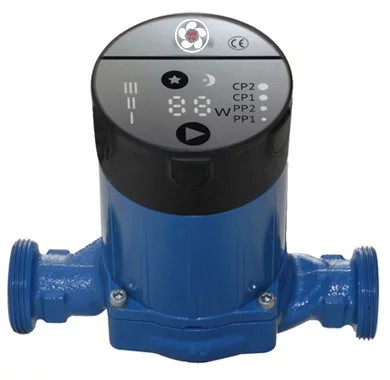
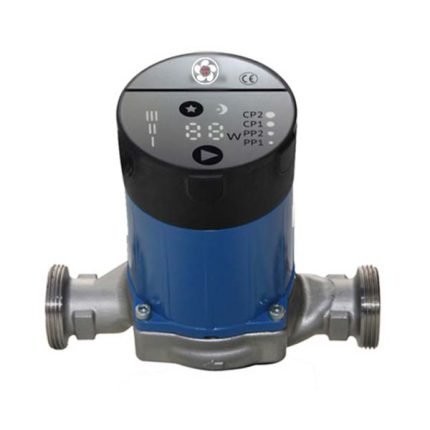
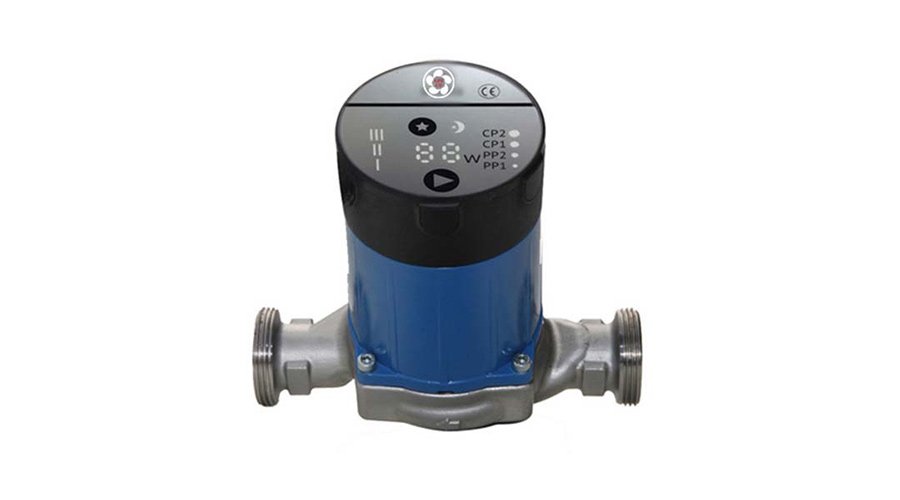
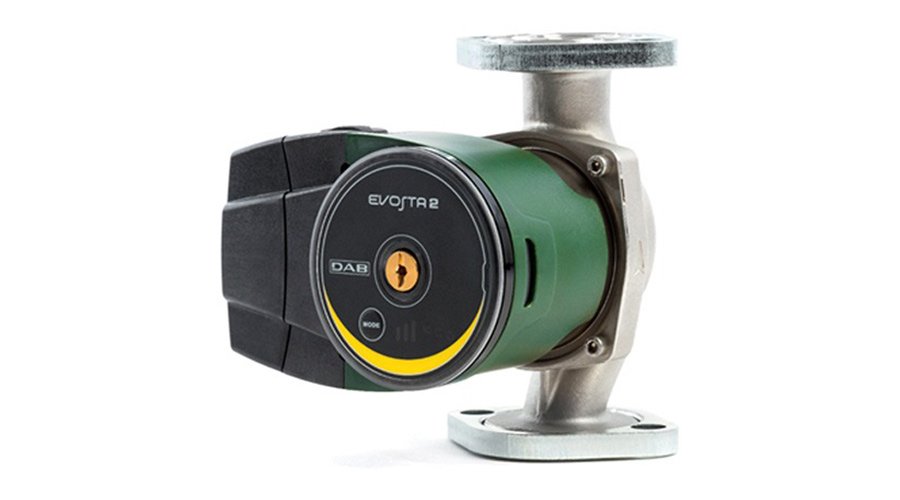
A circulator pump is a type of centrifugal pump that moves fluid within a closed loop. These pumps use an impeller to create velocity and pressure, pushing the fluid throughout the system without drawing in new water from an external source. They are typically powered by electric motors and are installed inline with the piping.

Because the system is closed, circulator pumps are highly efficient—they don’t need to overcome gravity or large distances, just keep the fluid moving. This makes them ideal for hydronic heating systems, radiant floor heating, domestic hot water recirculation, and solar thermal systems.

The compact design and ease of integration make circulator pumps a staple in modern building systems, contributing to both comfort and energy savings.

Common Applications of Circulator Pumps

Circulator pumps are used in a wide range of systems that require fluid movement for thermal regulation. The most common application is in hydronic heating systems, where the pump circulates hot water from a boiler to radiators or underfloor heating systems and back.

They are also found in domestic hot water systems, where they ensure hot water is readily available at taps and showers, reducing water waste. Chilled water systems for air conditioning and solar water heaters also rely on circulator pumps to move thermal fluids efficiently.

In industrial settings, circulator pumps are used for process cooling, heat exchangers, and equipment where temperature stability is vital. Their versatility makes them suitable for both residential and commercial installations.

Circulator Pumps
water circulator motors | circulator pumps for heating system

Types of Circulator Pumps: Standard vs. Variable Speed

There are two main types of circulator pumps: standard (fixed-speed) and variable-speed models. Standard circulator pumps operate at a constant speed and are suitable for simple systems with consistent flow requirements.

Variable-speed circulator pumps adjust their speed based on system demand. This not only improves efficiency but also reduces energy consumption and wear on the system. These pumps are ideal for modern HVAC systems that experience varying loads throughout the day.

Some advanced models even include sensors and smart controls for automated adjustments, making them a perfect choice for energy-conscious homeowners and facility managers.

Key Components of a Circulator Pump

A circulator pump is composed of several integral parts: the motor, impeller, housing, and bearing assembly. The motor drives the impeller, which in turn moves fluid through the system. High-quality motors are typically electrically powered and sealed for long-term durability.

The impeller is the heart of the pump, creating the flow necessary for fluid circulation. It’s usually enclosed in a corrosion-resistant housing, made of materials like cast iron, bronze, or stainless steel, depending on the application.

Some pumps also include check valves, flanges, and control interfaces to simplify installation and monitoring. These features enhance the pump’s performance and longevity in complex systems.

Benefits of Installing a Circulator Pump

Installing a circulator pump offers numerous advantages. First and foremost, it provides consistent temperature control, ensuring even heating or cooling across all parts of a building. This improves comfort and efficiency, especially in multi-zone systems.

Secondly, circulator pumps help reduce water and energy waste. In domestic hot water recirculation, for example, they minimize the time it takes for hot water to reach taps, cutting down on cold water runoff.

Lastly, these pumps are low-maintenance and long-lasting, often equipped with self-lubricating bearings and corrosion-resistant components. With proper installation, they offer years of trouble-free service.

Choosing the Right Circulator Pump for Your System

When selecting a circulator pump, consider factors such as flow rate, head height, system size, and fluid type. Choosing a pump that matches the exact requirements of your system ensures optimal performance and energy efficiency.

If you’re unsure of the system’s load variations, opting for a variable-speed pump can provide adaptability and cost savings over time. Also, take into account the materials—bronze or stainless steel models are preferred for potable water systems, while cast iron is common in closed-loop heating systems. Always consult manufacturer guidelines and, if necessary, work with an HVAC professional to ensure proper sizing and compatibility.

Energy Efficiency and Circulator Pumps

Modern circulator pumps are designed with energy efficiency in mind. Variable-speed models, in particular, adjust their motor speed based on demand, consuming less electricity compared to fixed-speed models. This dynamic operation can lead to significant cost savings over time.

Additionally, many new pumps meet Energy Star or EU ErP standards, which set benchmarks for eco-friendly performance. Some models include auto-adapt technology, which learns system usage patterns and optimizes performance accordingly. By reducing energy consumption, these pumps also help lower your carbon footprint—making them an environmentally responsible choice for any heating or cooling system.

Installation and Maintenance Tips

Proper installation is key to ensuring the long life and optimal performance of a circulator pump. Always install the pump with the motor shaft in the horizontal position to ensure proper bearing lubrication. The pump should also be placed at the lowest point of the system loop to help with air removal.

Routine maintenance is minimal but important. Periodically check for airlocks, leaks, and vibrations. Some pumps have air bleeder valves, while others are self-venting. Also, inspect the electrical connections and control systems to prevent failures.

Replacing the pump seal or impeller after several years can prevent breakdowns and maintain efficiency. Always follow the manufacturer’s maintenance schedule for best results.

Troubleshooting Common Circulator Pump Issues

If your circulator pump stops working, there could be several causes. Noisy operation is often due to air in the system or worn bearings. Bleeding the system and lubricating the pump can often resolve the issue.

If the pump is not circulating water, check for power supply issues, blocked impellers, or closed valves. Some systems may require manual priming or resetting after a power outage.

For overheating issues, ensure that the pump is properly sized for your system and that water flow is not restricted. If troubleshooting doesn’t resolve the problem, contacting a professional may be the safest option.

Future Trends in Circulator Pump Technology

The future of circulator pumps is focused on smart technology and connectivity. IoT-enabled models can now integrate with home automation systems, allowing users to monitor and control their pumps via mobile apps or voice assistants.

Predictive maintenance features, based on AI and machine learning, are also emerging, helping identify potential issues before they become costly repairs. Additionally, manufacturers are developing pumps with ultra-high efficiency motors that further reduce energy usage and environmental impact. As building codes and efficiency standards continue to evolve, circulator pumps will remain a vital part of sustainable and smart building design.