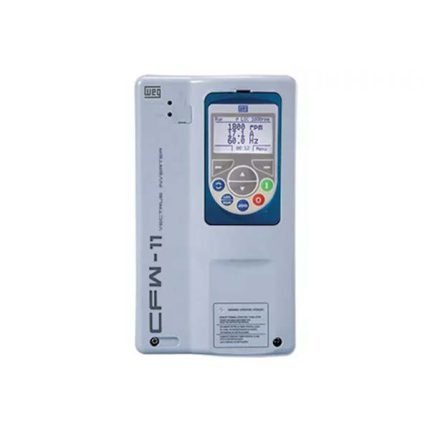
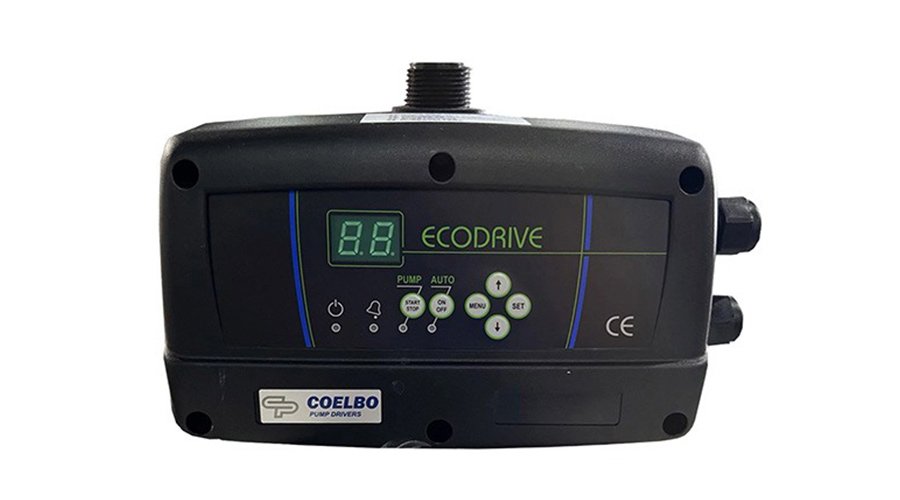
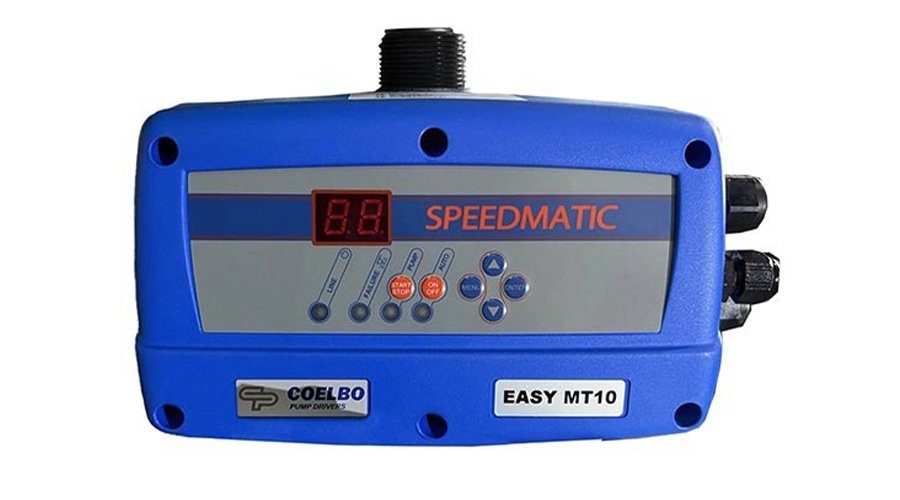
Showing all 2 resultsSorted by price: low to high
Variable Speed Drivers: Enhancing Pump Control with Precision
Variable Speed Drivers (VSDs), also known as Variable Frequency Drives (VFDs), are essential components of pump control units. These intelligent devices control the speed and torque of electric motors, enabling precise regulation of fluid flow. As a subcategory of pump control units, VSDs are widely used across industries to improve energy efficiency, extend equipment life, and ensure optimal system performance.
Unlike conventional pump starters that operate at fixed speeds, VSDs adjust motor speed according to real-time system demands. This adaptability reduces power consumption, minimizes wear and tear, and leads to more stable operations. From water treatment plants to HVAC systems, VSDs are becoming a standard solution for smart pump control.
In this article, we’ll explore how variable speed drivers work, their applications, and the advantages they bring to pump systems.
What Are Variable Speed Drivers?
Variable speed drivers are electronic devices that regulate the rotational speed of electric motors by adjusting the frequency and voltage of the power supplied. They are typically used to control AC motors, including those in centrifugal and positive displacement pumps. VSDs make it possible to match motor output with system requirements in real time. By offering smoother startups and shutdowns, VSDs reduce mechanical stress on pumps and connected pipelines.
Core Components of a VSD System
A VSD system consists of several key components: the rectifier (which converts AC to DC), the DC link (which filters and stores energy), and the inverter (which converts DC back to variable-frequency AC). Other important parts include control circuits, cooling systems, and user interfaces for programming and monitoring. Modern VSDs also feature protective mechanisms such as overload, short-circuit, and thermal protection.
How VSDs Work in Pump Control Units
In pump systems, VSDs monitor variables like pressure, flow rate, and tank levels using feedback from sensors. Based on the data, the VSD adjusts motor speed to match the required flow, ensuring optimal performance with minimal energy consumption. This dynamic control not only maintains system stability but also adapts quickly to changing operational needs.
Energy Efficiency and Cost Savings
One of the most significant benefits of VSDs is their ability to reduce energy usage. By operating pumps at lower speeds during periods of low demand, VSDs minimize unnecessary power consumption. This results in substantial cost savings, especially in systems that run continuously or have variable loads. Additionally, incentives and rebates for using energy-efficient equipment make VSDs a financially smart investment.
Applications in Various Industries
VSDs are used in a wide range of industries, including water and wastewater treatment, agriculture, oil and gas, and HVAC systems. In municipal water systems, VSDs help regulate water pressure and reduce leakage. In agriculture, they optimize irrigation schedules based on soil conditions. In industrial processes, VSDs ensure that pumps run at the right speed to meet production needs without overburdening the system.
Advantages Over Traditional Starters
Traditional pump starters like DOL (Direct-On-Line) and soft starters operate pumps at full voltage or fixed speeds, often leading to inefficiencies. VSDs, on the other hand, offer variable control, smoother acceleration, and improved energy efficiency. They also provide better protection against hydraulic shock, water hammer, and system wear.
Installation and Configuration Tips
When installing VSDs, it’s crucial to follow best practices, including proper grounding, ventilation, and compatibility checks with existing pump motors. Parameter settings should be adjusted based on pump curves and application-specific requirements. Professional commissioning ensures optimal performance and helps avoid common issues like harmonic distortion or sensor misalignment.
Maintenance and Troubleshooting
VSDs are relatively low-maintenance but require periodic inspections to ensure continued reliability. This includes checking filters, cooling fans, and connection terminals. Built-in diagnostics and error codes help identify and troubleshoot faults quickly. Maintaining logs and adhering to a preventive maintenance schedule can significantly extend the life of both the VSD and the pump.
Integration with Automation Systems
Modern VSDs can be integrated into SCADA systems, building management systems (BMS), or IoT platforms for remote monitoring and control. This connectivity allows operators to track performance data, receive alerts, and make real-time adjustments. Integration enhances overall system efficiency and supports predictive maintenance strategies.
Future Trends in VSD Technology
As smart technologies evolve, VSDs are becoming more compact, intelligent, and user-friendly. Future VSDs will offer AI-driven optimization, enhanced cybersecurity features, and wireless communication capabilities. Integration with cloud platforms will allow for deeper analytics and performance benchmarking. With increasing demand for sustainability and automation, VSDs will remain at the forefront of modern pump control solutions.