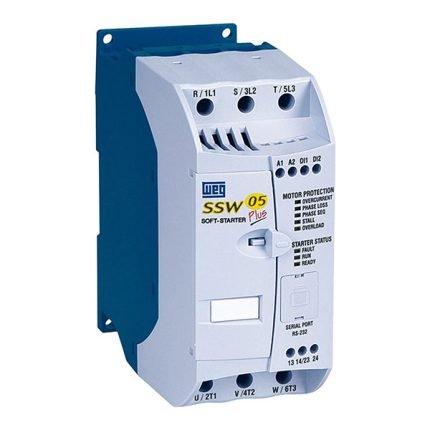
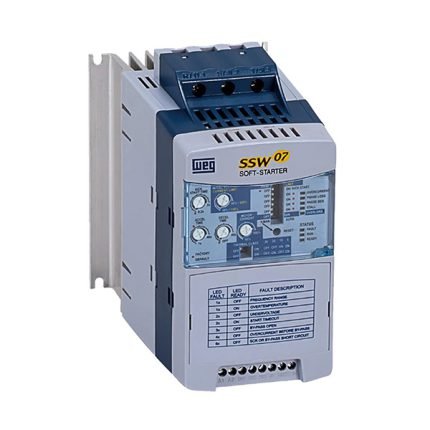
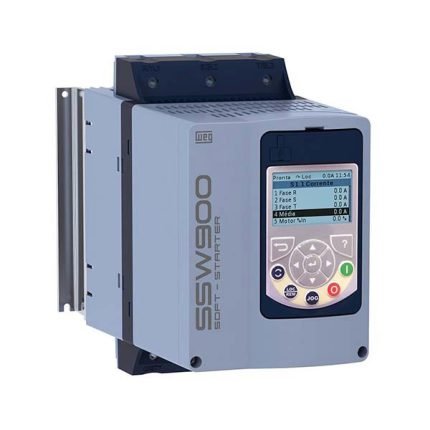
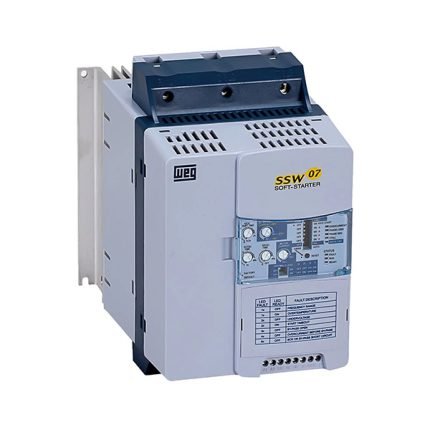
Showing 1–12 of 23 resultsSorted by price: low to high
Sort by
FILTER BY BRAND
WEGWEG 23
Soft Starters: Enhancing Pump Control with Smooth Power Management
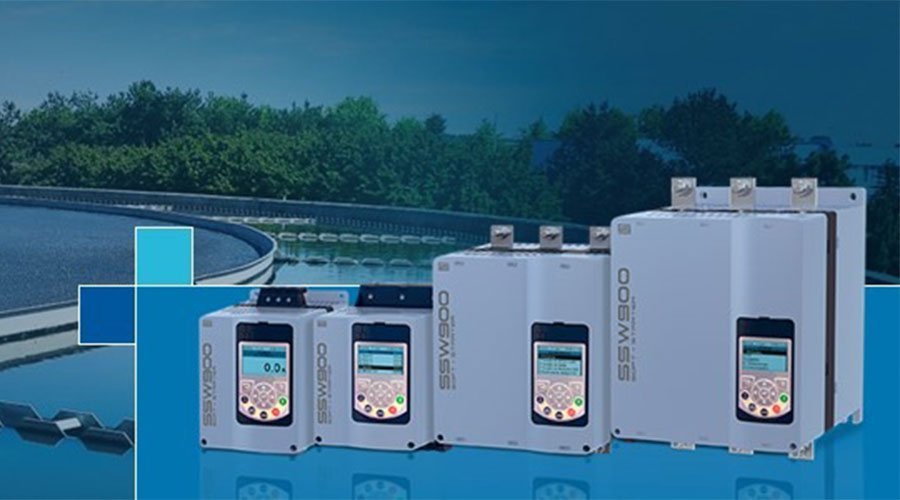
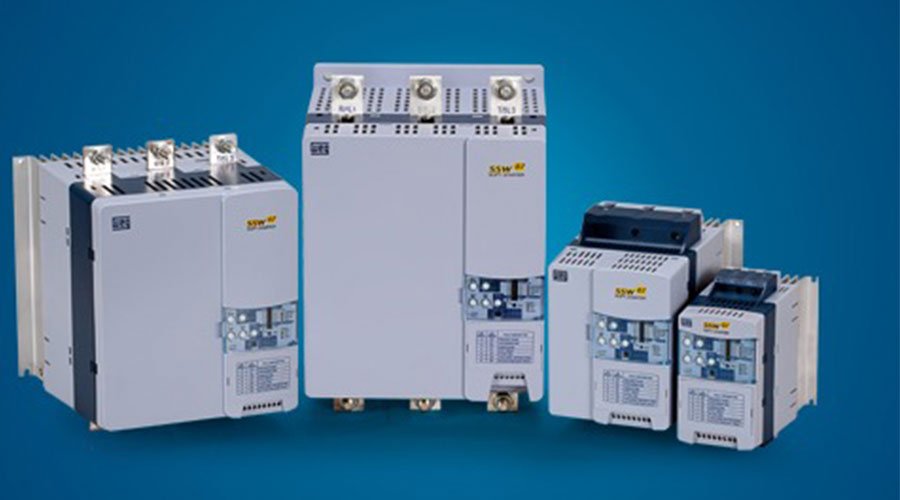
Soft starters are essential components in modern pump control systems, offering a reliable and efficient way to manage the startup and shutdown of electric motors. As a subcategory of pump control units, soft starters are designed to minimize mechanical stress and electrical surges that occur when motors start abruptly. By gradually increasing voltage to the motor, soft starters enable smoother operation, increased equipment lifespan, and reduced energy costs.
These devices are particularly valuable in applications involving pumps, compressors, fans, and conveyors—where sudden power surges can damage both electrical and mechanical systems. Soft starters provide intelligent control, making them ideal for use in industrial, commercial, and municipal water systems where system stability and energy efficiency are paramount.
In this comprehensive guide, we’ll explore how soft starters work, their key benefits, and how they compare to other motor control methods. We’ll also look at their various applications, installation tips, maintenance insights, and the latest innovations shaping the future of pump control.
What Is a Soft Starter and How Does It Work?
A soft starter is an electrical device used to gradually ramp up the power supply to a motor. This smooth acceleration prevents the inrush current that typically occurs when a motor starts abruptly, protecting both the motor and connected mechanical systems from damage.
Soft starters operate using solid-state electronics, such as thyristors, to control voltage levels during startup. By slowly increasing voltage over a set time period, they limit torque and reduce electrical stress. Once the motor reaches its full speed, the soft starter either bypasses the internal circuitry or maintains monitoring, depending on the configuration.
This controlled startup is especially important in systems with pumps, where water hammer and pressure spikes can be minimized. In addition, soft starters can be programmed to manage deceleration, providing a complete solution for smoother motor control.
Benefits of Using Soft Starters in Pump Systems
Soft starters offer a range of benefits that make them an essential component in pump control units. One of the most significant advantages is the reduction of mechanical stress on the motor and driven equipment, which can greatly extend the lifespan of the entire system.
By limiting electrical surges, soft starters reduce wear and tear on motor windings, power cables, and other sensitive components. This not only enhances reliability but also contributes to energy savings, especially in large-scale or continuous operations.
Additional benefits include smoother water flow, fewer system shocks, and improved protection against overloads and phase imbalances. For operators, this translates to lower maintenance costs and more consistent performance across the system lifecycle.
Soft Starters vs. Variable Frequency Drives (VFDs)
Soft starters and VFDs are both used for motor control, but they differ significantly in functionality and cost. While a soft starter manages only the startup and shutdown process, a VFD provides full-speed control by varying the frequency and voltage throughout operation.
Soft starters are typically more cost-effective and simpler to install than VFDs, making them ideal for applications where variable speed isn’t required. For pump systems that run at constant speeds, soft starters provide sufficient control without the added complexity of a VFD.
However, if your application requires frequent speed adjustments, energy optimization, or integration with automation systems, a VFD may be more appropriate. Understanding the differences helps engineers and facility managers choose the right solution for their specific needs.
Applications of Soft Starters in Industry
Soft starters are widely used in a variety of industries where pumps and other heavy-duty motors are common. In municipal water treatment plants, soft starters help ensure consistent water flow while preventing pipe bursts caused by sudden pressure surges.
In agriculture, soft starters support irrigation systems by reducing mechanical stress during startup, thus increasing pump reliability in remote or solar-powered setups. Industrial facilities use them in cooling systems, chemical processing, and material handling applications where motor efficiency and longevity are critical.
Additionally, HVAC systems, mining operations, and marine pumping solutions benefit from the stability and simplicity soft starters offer. Their adaptability and ease of use make them suitable for both new installations and retrofits in existing systems.
Choosing the Right Soft Starter for Your Pump
Selecting the right soft starter requires understanding the motor’s specifications and the demands of the application. Key factors include motor voltage and current ratings, the type of pump system in use, and the environmental conditions of the installation site.
You should also consider features such as overload protection, programmable ramp-up and ramp-down times, and communication capabilities for integration with control panels or SCADA systems. Some soft starters come with built-in diagnostics and thermal monitoring for added safety.
Manufacturers often provide sizing charts or software tools to help users choose the correct unit. Consulting with an electrical engineer or distributor can also ensure compatibility and optimal performance.
Installation Guidelines for Soft Starters
Proper installation is crucial for the safe and efficient operation of soft starters. Begin by reviewing the manufacturer’s installation manual, ensuring that the unit is rated for the motor and operating conditions.
Install the soft starter in a clean, dry, and well-ventilated environment to prevent overheating. Proper wiring and grounding are essential to avoid electrical faults. It’s also important to verify line and load connections, as incorrect wiring can cause serious damage.
Commissioning the system typically involves configuring parameters such as initial voltage, ramp time, and stop mode. Test runs should be performed under supervision to confirm correct settings and functionality before full deployment.
Maintenance and Troubleshooting Tips
Although soft starters are relatively low-maintenance, regular inspections can prevent issues and extend their lifespan. Periodically check connections for tightness and look for signs of overheating, corrosion, or dust buildup.
Use diagnostic features, if available, to monitor performance metrics and identify abnormal behavior. Overload faults, phase loss, or communication errors should be addressed immediately to avoid equipment damage.
If the motor fails to start or shows inconsistent behavior, review parameter settings and ensure the power supply is stable. Keeping a maintenance log helps track system health and simplifies future troubleshooting.
Advanced Features in Modern Soft Starters
Today’s soft starters come equipped with advanced features that enhance functionality and reliability. Digital displays, built-in communication ports (Modbus, Profibus, etc.), and remote monitoring capabilities allow for smarter control and easier system integration.
Some models include adaptive control algorithms that automatically adjust ramp-up profiles based on load conditions. Thermal protection, fault logging, and real-time performance data help operators optimize settings and reduce downtime.
Additionally, compact designs and modular construction make modern soft starters easier to install and scale. These innovations cater to growing demands for smart infrastructure and energy-efficient systems.
Energy Efficiency and Cost Savings
Soft starters contribute to overall energy efficiency by minimizing peak demand and reducing stress on electrical components. While they don’t offer the same continuous energy optimization as VFDs, their reduced startup currents can significantly lower energy bills over time.
Lower maintenance and downtime costs also lead to long-term financial savings. By protecting motors from mechanical and electrical stress, soft starters reduce the need for repairs and part replacements.
In many regions, using energy-efficient motor control devices can qualify for government incentives or rebates. These financial benefits, combined with improved system reliability, make soft starters a smart investment.
The Future of Soft Starters in Pump Control
As industries push toward automation, sustainability, and digital transformation, the role of soft starters is evolving. Integration with IoT platforms and smart control systems allows for predictive maintenance and real-time performance optimization.
Future soft starters will likely feature enhanced diagnostics, AI-based load profiling, and cloud connectivity. These advancements will enable better energy management, remote troubleshooting, and smarter grid integration.
With their proven benefits and growing adaptability, soft starters remain a vital component in modern pump control systems. Their ability to blend simplicity, efficiency, and reliability ensures they’ll continue to play a key role in the future of industrial automation.