Showing all 3 resultsSorted by price: low to high
Control Panels: The Heart of Pump Control Units
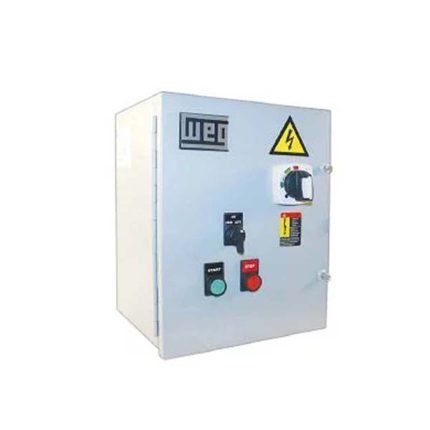
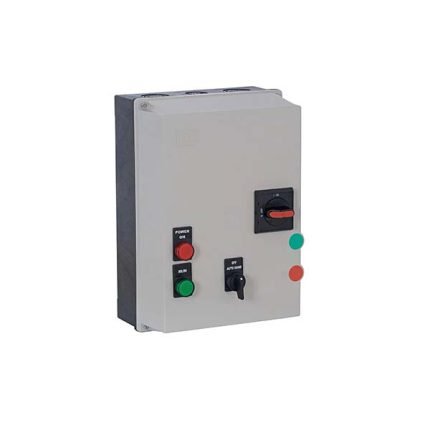
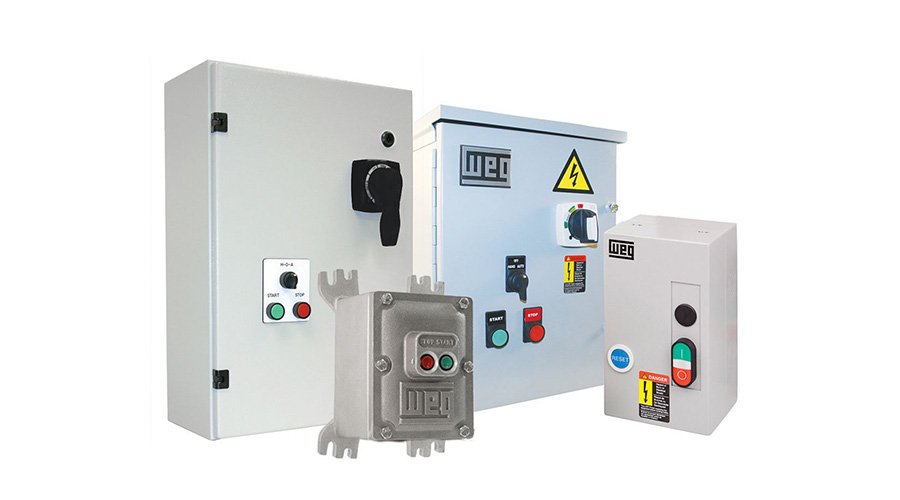
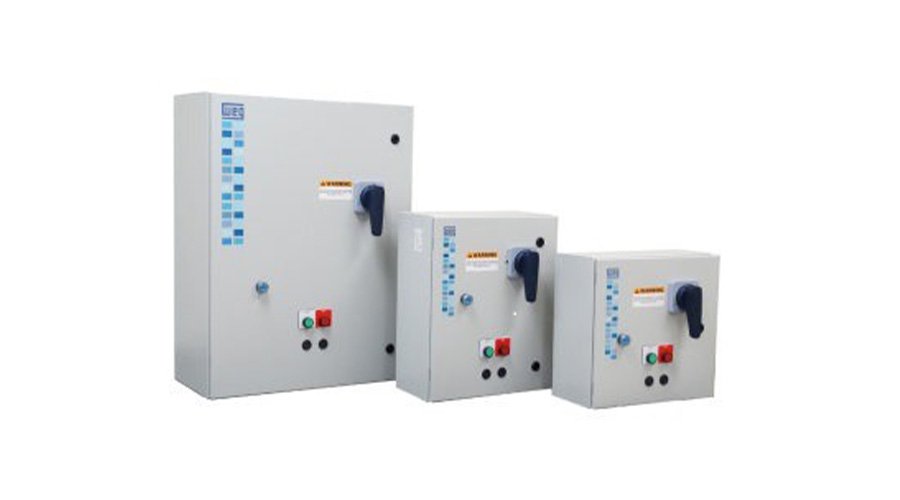
Control panels are a vital component in pump control systems, serving as the brain behind the operation of electric motors and pumps. As a subcategory of pump control units, control panels offer centralized management of motor functions such as starting, stopping, speed control, and protection. Whether it’s a single pump or a complex multi-pump arrangement, the control panel ensures optimal performance and safety across the system.
Modern control panels integrate various electrical components, including circuit breakers, relays, timers, soft starters, and programmable logic controllers (PLCs). These devices work in harmony to manage the pump’s activity in response to real-time conditions, sensor inputs, and system demands.
This article explores the design, functionality, and advantages of pump control panels. With insights into components, applications, installation practices, and safety, it provides a complete guide for engineers, facility managers, and technical decision-makers looking to streamline pump operations.
What Are Pump Control Panels?
pump controls systems are electrical enclosures that house the components necessary to operate and protect pump systems. These panels automate the functioning of pumps and ensure reliable and consistent operation.
They include control elements like starters, overload relays, and protection devices that monitor electrical parameters and react to overloads or faults. Depending on the complexity, panels may also feature PLCs, timers, and user interfaces for customization and diagnostics.
By centralizing pump control, these panels enhance system efficiency, minimize downtime, and simplify maintenance. They’re indispensable in both residential and industrial pump setups.
Key Components Inside a Pump Control Panel
A well-designed control panel comprises various components tailored to the specific requirements of the pump system. Core elements include circuit breakers, contactors, overload relays, and start-stop buttons.
Advanced panels often feature variable frequency drives (VFDs), soft starters, PLCs, and HMI (Human-Machine Interface) displays. Sensors and monitoring devices also feed real-time data into the system, enabling dynamic control.
The selection and configuration of these components depend on the pump type, load requirements, operating environment, and desired level of automation.
Types of Pump Control Panels
Control panels come in various types, each serving specific operational needs. Basic DOL (Direct-On-Line) panels are used for simple, low-horsepower pumps.
Soft starter panels offer reduced voltage starting to minimize mechanical and electrical stress. VFD panels allow for variable speed control, energy savings, and process optimization.
Other types include duplex, triplex, and multi-pump panels designed for managing multiple pumps with alternating or simultaneous operation. Specialized panels are also available for submersible pumps, irrigation systems, and fire protection setups.
Applications Across Industries
Control panels are found in a wide range of industries where fluid handling is critical. In agriculture, they manage irrigation pumps and ensure consistent water supply.
Municipalities rely on them in wastewater treatment plants and potable water pumping stations. In industrial settings, panels support process cooling, chemical transfer, and dewatering operations. They are also integral to building services for fire suppression systems, HVAC applications, and pressure boosting in high-rise structures.
Advantages of Using Pump Control Panels
Control panels bring multiple benefits to pump operations. They automate start/stop cycles, reducing manual intervention and improving operational consistency.
They provide critical motor protection features that prevent damage from overcurrent, phase failure, or overheating. Additionally, panels with VFDs enable energy-efficient operation by adjusting motor speed based on system demand. Modern panels also allow remote monitoring and diagnostics, enabling predictive maintenance and minimizing system downtime.
How Control Panels Improve System Efficiency
By regulating pump operations based on demand, control panels significantly improve energy efficiency. VFD-equipped panels adjust the motor’s speed according to flow or pressure requirements, eliminating unnecessary energy consumption.
Timed operations and sensor-based controls also help optimize pump performance and prolong equipment life. This not only reduces operational costs but also supports sustainable energy practices. With integrated monitoring features, panels detect inefficiencies early, allowing for corrective action before major issues arise.
Installation Best Practices for Control Panels
Proper installation of a pump control panel is crucial for safety and reliability. Panels should be mounted in a dry, well-ventilated location, away from direct exposure to water or excessive heat.
All connections must be made according to the manufacturer’s wiring diagram and local electrical codes. Grounding is essential for both equipment protection and personnel safety. Labeling internal components, ensuring accessible layout, and providing detailed documentation simplifies future maintenance and troubleshooting.
Maintenance and Troubleshooting Tips
Routine inspection of control panels is key to preventing unexpected failures. Check for signs of overheating, corrosion, loose wires, or worn-out components. Test the functionality of start/stop buttons, relays, and overload devices. Use thermal cameras and insulation testers to assess the health of internal wiring and connections. Keeping a maintenance log, scheduling periodic testing, and updating firmware (for panels with PLCs) ensure the system runs smoothly over time.
Enhancing Safety with Smart Control Panels
Safety is paramount in pump systems, and control panels play a critical role. Emergency stop buttons, fault indicators, and motor protection relays guard against system damage and user harm.
Smart panels integrate advanced features like remote shutoff, SMS/email alerts, and event logging to enable real-time response to issues. These capabilities are especially valuable in unmanned or remote pumping stations. Following standard safety codes and training personnel on safe panel operation further enhances workplace safety.
The Future of Pump Control Panels
As Industry 4.0 evolves, control panels are becoming more intelligent and interconnected. Integration with SCADA systems, IoT sensors, and cloud platforms is transforming them into smart control hubs.
Future panels will offer predictive analytics, AI-based fault detection, and adaptive energy management. Modular designs will also allow for easier upgrades and scalability. By staying current with these innovations, facilities can enhance reliability, lower operational costs, and remain competitive in an increasingly automated world.