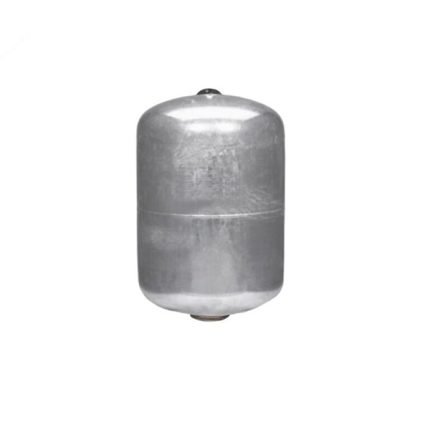
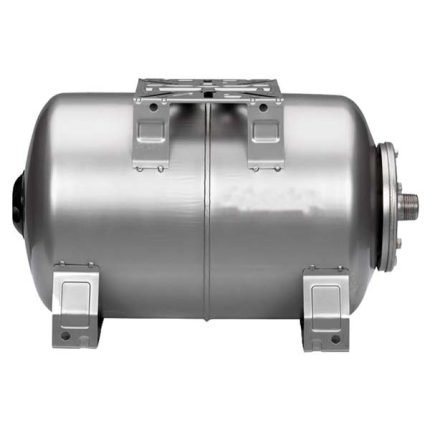
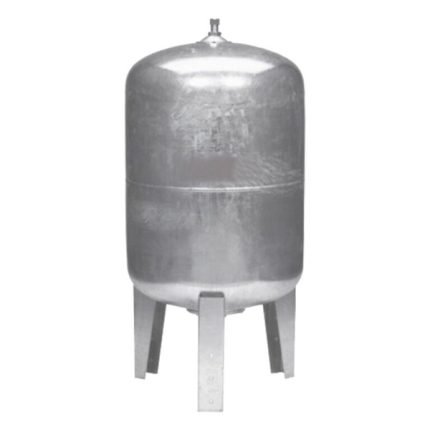
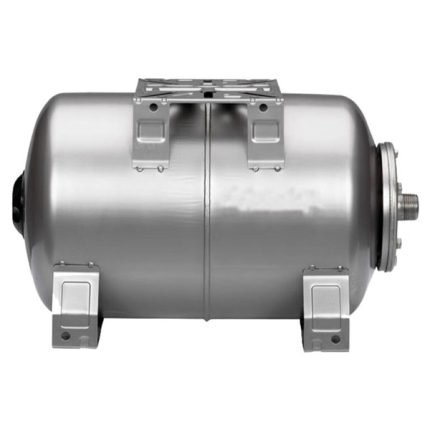
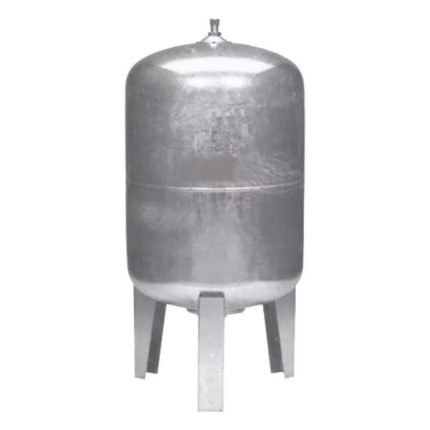
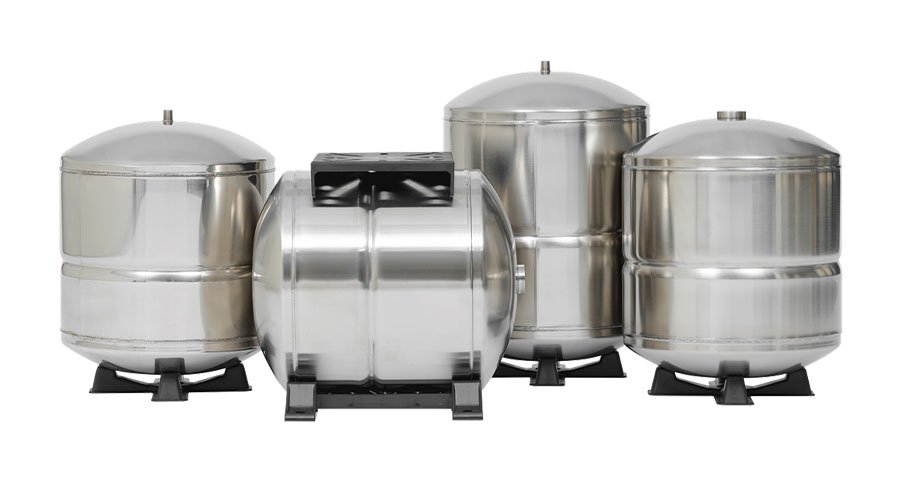
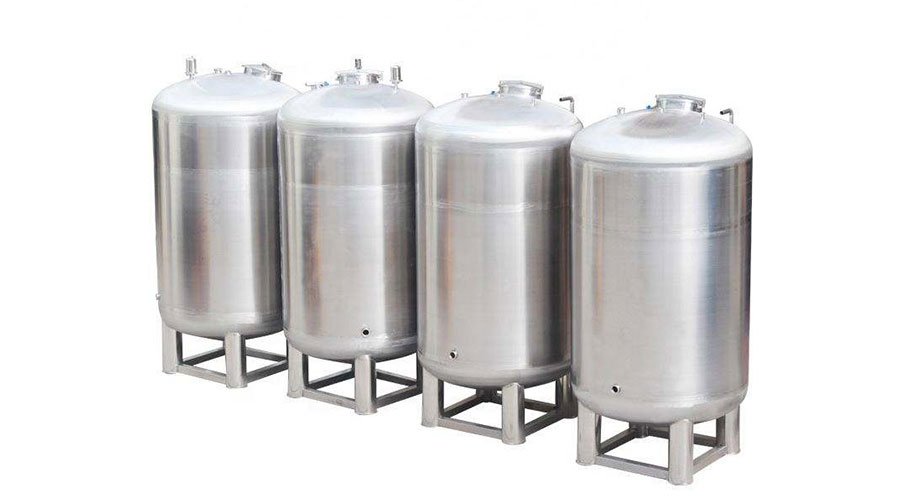
Showing all 6 resultsSorted by price: low to high
Sort by
FILTER BY BRAND
Stainless Steel Pressure Tanks: Durable Solutions for Water Systems
Stainless steel pressure tanks are widely used in both residential and commercial water systems. Known for their strength, durability, and corrosion resistance, these tanks provide a reliable solution for storing pressurized water, ensuring that your system runs smoothly and efficiently. Whether you rely on a well water system or a municipal supply, stainless steel pressure tank offer long-lasting performance that is essential for maintaining stable water pressure.
Unlike their plastic or fiberglass counterparts, stainless steel pressure tanks are designed to withstand harsher environmental conditions, including high temperatures and exposure to harsh chemicals. The material’s inherent resistance to corrosion and rust makes it a top choice for applications where water purity and long-term performance are critical. These tanks are built to handle high pressure and are ideal for use in both industrial and domestic applications.
What Is a Stainless Steel Pressure Tank?
A stainless steel well pressure tank is a specialized vessel used to store pressurized water for residential, commercial, or industrial applications. These tanks are designed to maintain consistent water pressure and ensure a reliable supply of water when needed. Made from high-quality stainless steel, these tanks are durable, corrosion-resistant, and capable of handling high-pressure systems with ease.
The key function of a stainless steel pressure tank is to store water under pressure, which can be released into the plumbing system when needed. This pressure helps to ensure smooth and uninterrupted water flow, especially in well water systems where the pump would otherwise have to turn on every time water is needed. Stainless steel pressure tanks also feature a bladder or diaphragm that separates water from air, maintaining consistent pressure levels.
Stainless steel pressure tanks are used in various industries, from agriculture and manufacturing to municipal water systems. Due to their durability and resistance to corrosion, they are a preferred option for systems that require high performance and a long service life.
Key Benefits of Stainless Steel Pressure Tanks
The durability of stainless steel pressure tanks is one of their standout benefits. Unlike plastic or fiberglass tanks that can degrade over time, stainless steel is resistant to rust, corrosion, and extreme weather conditions, making it ideal for outdoor and industrial applications. This longevity reduces the need for frequent replacements, ultimately lowering maintenance costs.
Another significant advantage is improved water quality. Stainless steel is a non-reactive material, meaning it won’t leach harmful substances into the water, keeping it safe for drinking and other household uses. This makes stainless steel tanks a great choice for potable water systems, where water purity is paramount.
Additionally, these tanks have high-pressure capacity and can withstand the stresses associated with fluctuating water pressures. Stainless steel pressure tanks are also more compact than their counterparts, providing a reliable solution without taking up excessive space in your system.
Why Choose Stainless Steel Over Other Materials?
When it comes to pressure tanks, materials like fiberglass, polyethylene, and galvanized steel are also commonly used. However, stainless steel stands out due to its exceptional strength and resistance to corrosion. Fiberglass, while durable, can be prone to cracking or damage over time, especially under extreme conditions. Polyethylene tanks, though lightweight, do not offer the same longevity or pressure resistance as stainless steel.
Unlike galvanized steel, which can corrode over time, stainless steel provides superior protection against rust and scale buildup. Stainless steel also has a high thermal resistance, meaning it can handle high temperatures without compromising the structural integrity of the tank. This makes it an ideal material for applications involving hot water systems or extreme environmental conditions.
In terms of long-term investment, stainless steel pressure tanks offer greater value due to their durability. They last significantly longer than tanks made from other materials, and their ability to withstand harsh environments translates into fewer maintenance issues and replacements in the future.
How Do Stainless Steel Pressure Tanks Work?
A stainless steel pressure tank operates by storing water under pressure. Water enters the tank through a check valve and fills the tank. The tank’s air bladder or diaphragm is designed to keep the water separated from the compressed air inside the tank. As water is drawn from the system, the pressure inside the tank decreases, and the air pushes the water out into the plumbing system to maintain a constant flow.
This air-water separation is important for maintaining consistent water pressure. Without a pressure tank, a pump would need to turn on every time water is used, which leads to rapid wear and tear on the pump. The pressure tank ensures that the pump cycles less frequently, saving energy and extending its lifespan.
The tank’s design is meant to maintain an optimal balance of water pressure—preventing pressure drops when multiple outlets are used simultaneously and reducing the chances of water hammer, which can cause pipe damage.
Common Applications of Stainless Steel Pressure Tanks
Stainless steel pressure tanks are used in a wide range of applications, from residential well water systems to large-scale industrial water treatment facilities. In homes, these tanks ensure consistent pressure for everyday water usage, including showers, faucets, and irrigation systems. They are particularly beneficial for rural homes with well water systems, where the water pump may not always have the power to maintain steady pressure.
In commercial and industrial settings, stainless steel pressure tanks are used in high-demand systems like food processing plants, manufacturing facilities, and chemical processing. They are also used in fire suppression systems, where reliable, high-pressure water storage is essential for safety.
Stainless steel pressure tanks are also used in irrigation systems, where consistent pressure is required to operate sprinklers, drip irrigation, and other agricultural equipment efficiently. Their long service life and resistance to harsh chemicals make them a perfect fit for agriculture, where tanks are exposed to fertilizers, pesticides, and varying water qualities.
Choosing the Right Stainless Steel Pressure Tank for Your System
When choosing a stainless steel pressure tank, it’s important to consider a few key factors to ensure it meets the needs of your water system. One of the most important considerations is the tank capacity. This refers to how much water the tank can hold at a given pressure. A larger tank will provide more water storage, reducing the frequency of pump cycles. However, if the tank is too large, it could lead to wasted space and unnecessary costs.
Another factor to consider is the pressure rating. Ensure that the tank is rated for the maximum pressure that your system will require. Tanks are typically rated for pressures of up to 100 PSI or more, but it’s important to confirm that your tank can handle your system’s needs. For residential systems, a tank rated for 40-60 PSI is usually sufficient.
Additionally, maintenance requirements should be taken into account. While stainless steel tanks are generally low-maintenance, it’s a good idea to select a model that offers easy access to internal components for inspections and maintenance. Look for tanks that come with features such as corrosion-resistant coatings or bladder designs that are easy to replace, ensuring the tank remains operational for many years.
Installation Guide for Stainless Steel Pressure Tanks
Installing a stainless steel pressure tank requires some basic plumbing knowledge, but it’s generally straightforward if you follow the necessary steps. Begin by choosing an appropriate location for the tank. It should be installed near the water pump or pressure switch to ensure optimal flow and pressure regulation.
Before beginning installation, verify that the pre-charge pressure of the tank matches the pump’s cut-in pressure. This is an essential step to ensure that the system operates smoothly. The pre-charge pressure is typically set at 2 PSI below the cut-in pressure of the pump.
Once the pre-charge is verified, connect the tank to the water supply line using the appropriate plumbing fittings. Be sure to check for any leaks once the tank is connected. After the installation is complete, test the system by turning on the water supply and observing the pressure gauge to confirm proper pressure levels.
Maintenance Tips for Prolonged Tank Lifespan
To ensure your stainless steel pressure tank operates effectively for years, regular maintenance is essential. One of the most important aspects of maintenance is checking the pre-charge pressure inside the tank. Over time, the air charge can diminish, leading to reduced system performance. Use a tire pressure gauge to check the air pressure, and add air if necessary.
Additionally, it’s a good idea to inspect the plumbing connections regularly to make sure there are no leaks or signs of wear. Tighten any loose connections and replace any corroded fittings to prevent water damage or pressure drops.
Periodically flush the system to remove any sediment or debris that may have accumulated in the tank. This is especially important if you rely on well water, as mineral build-up can affect the efficiency of the tank. Keeping the tank clean and well-maintained will prolong its lifespan and prevent unnecessary repairs.
Troubleshooting Common Issues with Stainless Steel Pressure Tanks
Although stainless steel pressure tanks are durable and low-maintenance, issues can still arise. One of the most common problems is pressure loss, which could occur if the bladder or diaphragm becomes damaged or the air charge is too low. To troubleshoot, check the air pressure in the tank. If the air pressure is insufficient, add air to the tank. If this does not resolve the issue, the bladder may need to be replaced.
Another issue to watch for is waterlogging, which happens when the bladder ruptures or the diaphragm fails, allowing water to mix with the air. This can lead to inefficient water pressure and overuse of the pump. If this occurs, the tank may need to be replaced.
Lastly, pump cycling problems can occur if the tank is too small or the pressure settings are incorrect. If the pump turns on and off frequently, it could indicate that the tank isn’t large enough to store enough water, or the system’s pre-charge needs to be adjusted.
Cost and Value of Stainless Steel Pressure Tanks
The cost of a stainless steel pressure tank can vary depending on its size, brand, and pressure rating. Generally, prices range from $200 to $1,500 for residential models. Industrial-grade tanks, which offer higher pressure capacities and durability, can be significantly more expensive. Installation costs will add to the overall expense, with labor typically ranging from $150 to $500 depending on your location.
While the initial cost may seem high, stainless steel pressure tanks provide significant value in the long term. Their corrosion resistance and strength mean that they typically last much longer than other types of pressure tanks. This durability results in fewer replacements and repairs, offering long-term cost savings. Furthermore, the efficiency of stainless steel tanks helps to reduce energy consumption, contributing to lower utility bills.
Investing in a stainless steel pressure tank is ultimately a wise decision for homeowners and businesses looking for a reliable, low-maintenance solution that provides consistent water pressure, improved system efficiency, and long-term performance.