How to safely remove the old pump and install a new one
Replacing a pump is an essential maintenance task that ensures your system runs smoothly and efficiently. Whether you are upgrading to a more energy-efficient model or simply replacing a faulty unit, it’s crucial to follow the correct steps for safe removal and installation. Incorrect handling can cause damage to equipment, leaks, or even safety hazards. This guide will walk you through the process of safely removing an old pump and installing a new one with confidence.
This article examines the following topics:
Step 1: Preparation and Safety First
Before any work begins, proper preparation is the most important step. Skipping safety measures can result in personal injury, equipment damage, or costly repairs down the line.
The first thing you should do is switch off the power supply to the pump. This is non-negotiable because pumps are electrically powered, and leaving the system live poses a serious electrocution risk. If possible, disconnect the power from the main breaker to ensure there is no accidental reconnection during the process.
Next, close all valves connected to the pump. This prevents water, chemicals, or other fluids from flowing into the pump chamber while you work. For systems without shut-off valves, it is essential to drain the entire line to eliminate pressure buildup. Even small amounts of trapped liquid under pressure can cause leaks or hazardous spray when fittings are loosened.
Finally, drain any residual fluid from the pump and nearby pipes. You can place a bucket or absorbent cloth beneath the connections to catch drips. At this stage, it’s highly recommended to wear protective gloves and safety goggles. Pumps often handle not only clean water but also chemicals or dirty water, and you need to protect yourself from possible exposure.
Taking these preparation steps ensures that the pump and surrounding system are safe to handle and that you are ready for a smooth removal process.
RP Pumps Online makes it easy to buy water pumps online with a wide selection of high-quality and reliable pump solutions. Trusted by professionals and homeowners, we ensure fast delivery and excellent customer support.
Step 2: Disconnecting and Removing the Old Pump
Once your system is properly secured, you can begin the process of disconnecting the old pump. Start with the electrical connections. Carefully loosen each wire, making sure you note the connection points. Many professionals recommend labeling the wires with tape or taking a quick photo before disconnection. This simple step can save you a lot of confusion when wiring the new pump.
After the electrical components are safely disconnected, move on to the pipe connections. Use the correct size wrenches or tools to loosen the fittings. Be careful not to use excessive force, as this could crack or damage surrounding pipes or joints. If your pump has been in place for many years, the connections may be stiff or corroded. Applying a small amount of penetrating oil can make the job easier.
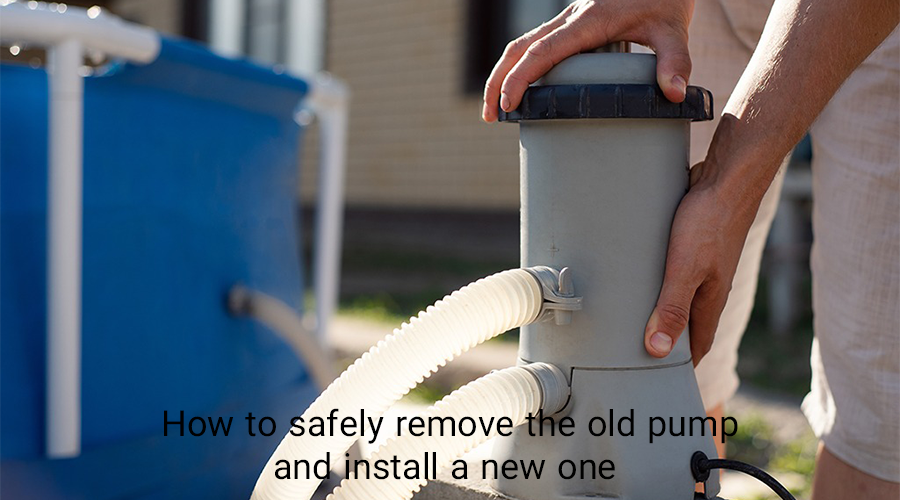
Once disconnected, gently remove the pump from its mounting base. Some pumps are lightweight and can be carried by hand, but larger industrial or heavy-duty pumps may require lifting equipment or an extra pair of hands. Avoid straining yourself, as pumps can be unexpectedly heavy.
With the pump out of the way, take a few minutes to inspect the surrounding pipes, seals, and fittings. Check for corrosion, cracks, or wear that could compromise the new pump once installed. Replacing a few inexpensive fittings now can prevent leaks or breakdowns later.
Related article: For more information about Tips for matching the pump to your filtration system, click the link.
Step 3: Installing the New Pump
Now that the old pump has been safely removed, it’s time to install the new one. Start by positioning the pump on a stable, level surface. Proper alignment is essential because a pump that is not level or misaligned with the piping can cause vibration, noise, and premature wear.
Next, carefully connect the new pump to the piping system. Ensure the gaskets and seals are properly positioned, and tighten the fittings firmly but not excessively. Over-tightening can damage threads or create leaks. If your new pump requires specific fittings or adapters, make sure they are installed according to the manufacturer’s recommendations.
Once the piping is secure, move on to the electrical wiring. Use the notes or labels you created during disconnection to connect each wire to the correct terminal. If you are uncertain, always refer to the pump’s installation manual. Electrical errors can cause pump malfunction or even dangerous short circuits.
After completing the connections, you’re ready to prime and test the pump. Slowly open the valves to allow liquid to flow back into the system. Take your time—sudden surges of liquid can cause unnecessary stress on the new pump. Once the system is full, switch on the power and observe the pump in operation. Listen for unusual noises, check for leaks around the fittings, and monitor the flow to ensure the pump is working correctly.
If everything looks and sounds normal, congratulations—you have successfully installed your new pump.
Conclusion
Replacing a pump may feel intimidating at first, but by breaking the process into clear steps, you can complete the job safely and efficiently. Preparation is key: shutting off power, closing valves, and draining the system reduces risks. Removing the old pump carefully ensures that you don’t damage pipes or electrical components, and inspecting fittings can prevent future issues. Finally, installing the new pump with attention to alignment, connections, and wiring sets the stage for reliable performance.
By following these steps, you not only extend the life of your pumping system but also ensure its efficiency and safety. A well-installed pump means smoother operation, reduced maintenance, and lower energy costs over time.
FAQs
How do I know when it’s time to replace my old pump?
There are several signs that indicate your pump may need replacement. If the pump is making unusual noises, leaking frequently, consuming more power than usual, or failing to maintain consistent pressure, it may be nearing the end of its lifespan. In addition, if repairs have become frequent and costly, investing in a new pump is often more economical and reliable.
Do I need professional help to replace a pump, or can I do it myself?
Many homeowners and operators with basic mechanical and electrical knowledge can replace a pump themselves by following proper safety steps. However, if you are unfamiliar with electrical wiring, unsure about pipe fittings, or working with large industrial pumps, it’s best to hire a professional technician. Professional installation ensures correct setup and reduces the risk of damage or safety hazards.
What tools do I need to remove and install a pump?
The tools you need will depend on your pump type and system, but common tools include adjustable wrenches, pipe wrenches, screwdrivers, pliers, sealing tape, and safety gear such as gloves and goggles. For heavy pumps, lifting equipment or additional manpower may also be necessary. Always review the pump manufacturer’s manual for specific recommendations.