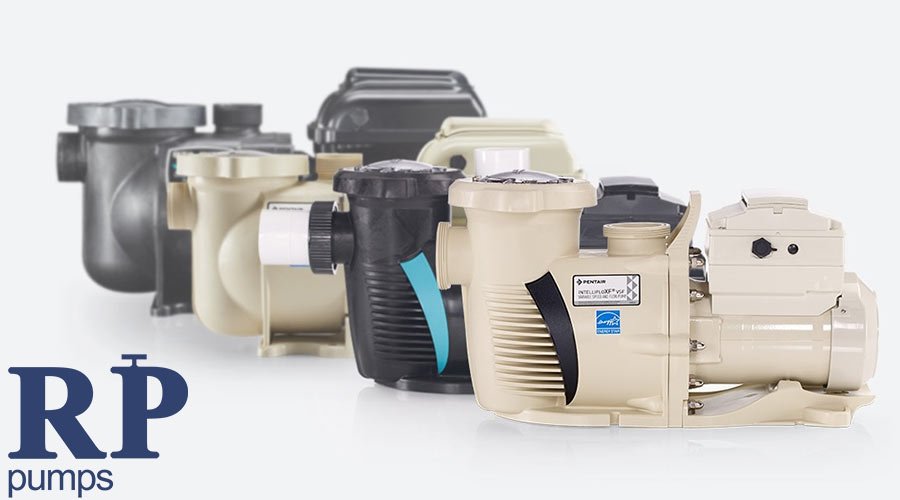
Comparison of single-speed, dual-speed, and variable-speed pumps
Choosing the right pump is crucial for efficiency, cost savings, and the long-term performance of your pool or water system. The most common options are single-speed, dual-speed, and variable-speed pumps — each with its own benefits and limitations. Understanding the differences can help you make a smart investment that matches your needs, budget, and energy-saving goals.
This article examines the following topics:
1. Single-Speed Pumps – The Basic Workhorse
Single-speed pumps are the most traditional and affordable type. They run at one constant high speed, meaning the motor always operates at full power whenever it’s on.
Advantages:
- Lower upfront investment: These pumps are typically the most budget-friendly option on the market.
- Simple to install and operate: Minimal controls and straightforward setup make them beginner-friendly.
- Reliable operation: With fewer mechanical complexities, they are less prone to technical failures.
Drawbacks:
- High energy consumption: Running at maximum power all the time increases electricity costs.
- No speed flexibility: Cannot be adjusted for lighter tasks, leading to unnecessary wear and tear.
- Potential regulatory issues: Some areas have phased out single-speed pumps due to low energy efficiency.
Best for:
- Smaller pools or spas with minimal operating hours
- Owners on a tight budget who prioritize initial savings over long-term energy costs
Systems without strict energy compliance requirements
RP Pumps Online is your trusted source for high-quality pumping solutions and accessories. We also supply a wide range of electric pump motor designed for performance, durability, and energy efficiency. Whether for residential, commercial, or industrial use, our products deliver reliability you can count on.
2. Dual-Speed Pumps – A Step Toward Efficiency
Dual-speed pumps offer two distinct operating speeds:
- High speed for tasks like vacuuming, running heaters, or quick water circulation.
- Low speed for regular filtration, which uses less energy.
Advantages:
- Energy savings compared to single-speed pumps: Operating on low speed for most of the day reduces electricity usage.
- Lower noise output: Low-speed operation is much quieter, making your pool area more peaceful.
- Versatility: Can adapt to different pool maintenance tasks without replacing the pump.
Drawbacks:
- Moderate upfront cost: More expensive than single-speed models, but still cheaper than variable-speed pumps.
- Manual switching (in some models): Unless paired with an automation system, you’ll need to change speeds yourself.
- Limited optimization: With only two speeds, it’s not as energy-efficient as a variable-speed pump.
Best for:
- Medium-sized pools looking for a balance between cost and efficiency
- Homeowners who want quieter operation during non-peak hours
- Those not ready to commit to the higher investment of a variable-speed pump
Related article: For more information about water pump best brand, click the link.
3. Variable-Speed Pumps – The Energy-Saving Champion
Variable-speed pumps use permanent magnet motors (similar to those in electric cars), allowing you to fine-tune the pump speed to match the exact flow rate needed. This advanced technology makes them the most efficient and versatile option available today.
Advantages:
- Up to 80% energy savings: Runs at the lowest necessary speed for most tasks, drastically cutting electricity bills.
- Whisper-quiet performance: Slower operation greatly reduces noise, perfect for residential environments.
- Longer equipment lifespan: Reduced strain on internal components extends the pump’s life.
- Regulatory compliance: Meets or exceeds all modern energy-efficiency standards, including those set by the U.S. Department of Energy.
- Customizable operation: Can be programmed for different speeds at different times of the day.
Drawbacks:
- Highest upfront price: Significantly more expensive to purchase than single or dual-speed pumps.
- More complex setup: May require professional installation and programming for optimal performance.
- Repair costs can be higher: The advanced electronics mean replacement parts can be pricier.
Best for:
- Large pools or commercial facilities where pump run times are high
- Eco-conscious homeowners aiming to reduce their carbon footprint
- Anyone seeking maximum long-term savings and the quietest operation possible
Comparison Table
Feature | Single-Speed | Dual-Speed | Variable-Speed |
Initial Cost | Low | Medium | High |
Energy Efficiency | Low | Medium | High |
Noise Level | High | Medium-Low | Low |
Lifespan | Standard | Longer than single | Longest |
Regulatory Compliance | May not comply in some areas | Often compliant | Fully compliant |
Speed Control | None | 2 fixed speeds | Fully adjustable |
Maintenance Needs | Low | Low-Medium | Medium (more electronics) |
Conclusion
Your pump choice should be guided by budget, energy goals, and performance needs:
- Single-speed pumps: Best for small budgets and basic needs, but higher running costs make them less ideal long-term.
- Dual-speed pumps: Offer a good middle ground for efficiency and cost, with noticeable energy savings over single-speed models.
- Variable-speed pumps: The top choice for energy efficiency, quiet operation, and long-term savings, making them ideal for modern, eco-friendly homes.
At RP Pumps, we stock a wide range of pumps to suit every application — whether you’re after an affordable single-speed model for a small setup or an advanced variable-speed system for maximum efficiency. Our team can help you choose the right pump, ensuring years of reliable performance and savings.
FAQs
Which is better: single-speed, dual-speed, or variable-speed pumps?
Variable-speed pumps are generally the best choice for energy efficiency, quiet operation, and long-term savings. Dual-speed pumps offer a balance between cost and performance, while single-speed pumps are the most affordable upfront but cost more to run over time.
Are single-speed pumps being phased out?
Yes, in many regions, single-speed pumps are being restricted or phased out due to low energy efficiency. Regulations such as the U.S. Department of Energy’s pool pump standards require higher efficiency levels, making variable-speed pumps the preferred choice.
How much can I save with a variable-speed pump?
Homeowners can save up to 80% on energy costs compared to a single-speed pump. The actual savings depend on pool size, pump runtime, and local electricity rates.