Centrifugal Pumps

Comparison of diaphragm, peristaltic, centrifugal, and gear pumps

Comparison of diaphragm, peristaltic, centrifugal, and gear pumps

Choosing the right pump for an application can be challenging, especially with so many designs and technologies available. Each pump type operates differently, making it better suited for certain industries, flow rates, and fluid characteristics. Understanding the strengths and limitations of diaphragm, peristaltic, centrifugal, and gear pumps helps engineers, technicians, and businesses make the best choice for efficiency, reliability, and cost-effectiveness. In this article, we will compare these four widely used pump types, focusing on their working principles, applications, and advantages.

This article examines the following topics:

Diaphragm Pumps – Precision and Chemical Resistance

Diaphragm pumps, also known as positive displacement pumps, use a flexible diaphragm that moves back and forth to draw in and push out fluid. This design prevents the liquid from coming into contact with moving mechanical parts, reducing wear and extending lifespan.

One of the greatest advantages of diaphragm pumps is their ability to handle highly viscous, abrasive, and corrosive fluids. They are widely used in industries such as chemical processing, pharmaceuticals, and water treatment, where precision dosing and chemical compatibility are critical.

Additionally, diaphragm pumps are self-priming and can run dry for short periods without damage, making them versatile in applications where suction lift is required. However, they tend to have lower flow rates compared to centrifugal pumps, which can be a limitation in high-volume operations.

Peristaltic Pumps – Hygienic and Gentle Fluid Handling

Peristaltic pumps work by compressing and releasing a flexible tube, similar to the way our digestive system moves food. The fluid never touches the pump mechanism, only the tubing, which makes them ideal for applications requiring cleanliness and sterility.

These pumps are widely used in the food and beverage industry, laboratories, and medical devices because they can handle shear-sensitive fluids without contamination. Since the fluid is fully contained in the tubing, cleaning and maintenance are easy, and cross-contamination risks are minimized.

On the downside, peristaltic pumps are best suited for lower flow rates and pressures. The tubing also wears out over time and requires replacement, which can increase maintenance costs in heavy-duty applications.

Related article: For more information about best water pump 2025, click the link.

peristaltic pump vs diaphragm pump | diaphragm pump vs centrifugal pump | centrifugal pump vs diaphragm pump | centrifugal pump vs gear pump

Centrifugal Pumps – High Flow and General Use

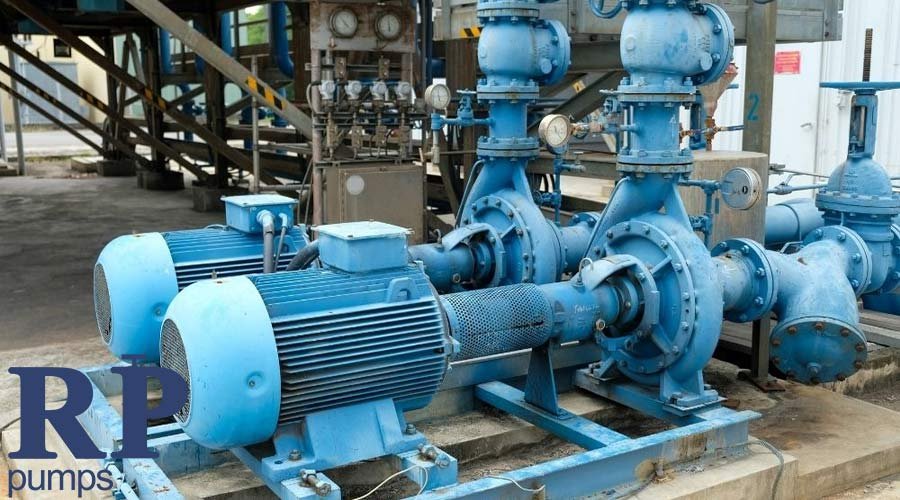
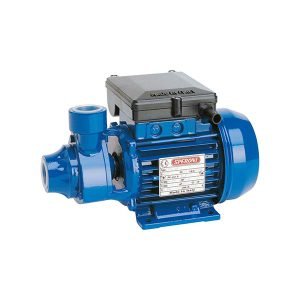
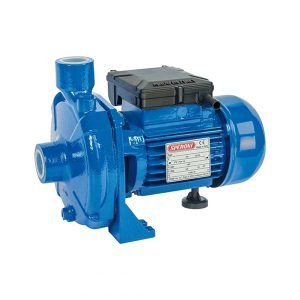
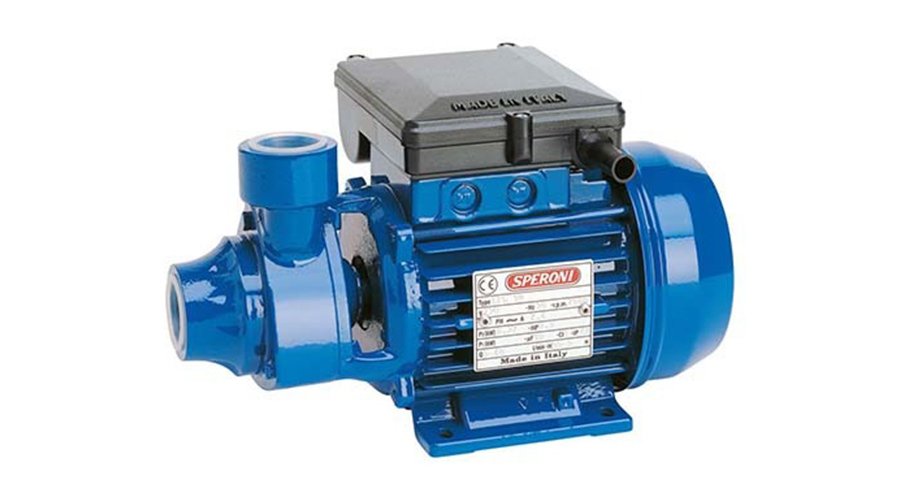
Centrifugal pumps are one of the most common pump types in the world. They operate by using an impeller that spins at high speed to impart kinetic energy to the fluid, moving it through the pump and out the discharge.

These pumps excel at handling large volumes of fluid with relatively low viscosity. They are widely used in water supply, irrigation, HVAC systems, and industrial processes where high flow rates are essential. Their simple design also makes them cost-effective and easy to maintain.

However, centrifugal pumps are less suitable for highly viscous or abrasive fluids, as this reduces efficiency and increases wear. They also require priming and are not designed for applications requiring precise flow control or high pressures.

Centrifugal pumps are used to transport fluids by the conversion of rotational kinetic energy to the hydrodynamic energy of the fluid flow. The rotational energy typically comes from an engine or electric motor. They are a sub-class of dynamic axisymmetric work-absorbing turbomachinery.[1] The fluid enters the pump impeller along or near to the rotating axis and is accelerated by the impeller, flowing radially outward into a diffuser or volute chamber (casing), from which it exits.

Gear Pumps – Reliable for High-Viscosity Fluids

Gear pumps are a type of positive displacement pump that moves fluid by trapping it between rotating gears. They are known for delivering a steady, pulseless flow, which makes them suitable for lubrication systems, fuel transfer, and hydraulic applications.

One of their key strengths is the ability to handle high-viscosity fluids, including oils, syrups, and resins, without performance loss. They are compact, reliable, and capable of generating high pressures, making them popular in industrial and automotive applications.

The main drawback of gear pumps is that they can suffer from wear when handling abrasive fluids, and they are generally less efficient with thin, low-viscosity liquids. Regular maintenance of gear teeth and clearances is also necessary to ensure long-term performance.

Conclusion

When comparing diaphragm, peristaltic, centrifugal, and gear pumps, it becomes clear that no single pump type is universally superior—each has its own advantages depending on the application.

  • Diaphragm pumps excel in chemical resistance and precision dosing.
  • Peristaltic pumps are ideal for sterile, contamination-free fluid handling.
  • Centrifugal pumps provide efficient high-flow performance for water and light liquids.
  • Gear pumps are best for high-viscosity fluids requiring steady flow.

By understanding these differences, businesses and engineers can select the most suitable pump for their specific needs, improving efficiency, reducing downtime, and ensuring long-term reliability.

FAQs

Which pump type is best for handling chemicals?

Diaphragm pumps are generally the best option for handling corrosive or abrasive chemicals. Their design prevents direct contact between the fluid and moving mechanical parts, which reduces wear and ensures chemical compatibility.

Yes. While peristaltic pumps are often used in laboratories and medical applications, they are also widely used in food and beverage production, water treatment, and chemical dosing. Their hygienic and contamination-free operation makes them highly versatile.

Centrifugal pumps excel at delivering high flow rates at relatively low cost. They are simple, reliable, and efficient for moving large volumes of water or low-viscosity fluids, which makes them popular in municipal water supply, irrigation, and HVAC systems.

Leave a Reply

Your email address will not be published. Required fields are marked *